Address
304 North Cardinal St.
Dorchester Center, MA 02124
Work Hours
Monday to Friday: 7AM - 7PM
Weekend: 10AM - 5PM
Address
304 North Cardinal St.
Dorchester Center, MA 02124
Work Hours
Monday to Friday: 7AM - 7PM
Weekend: 10AM - 5PM


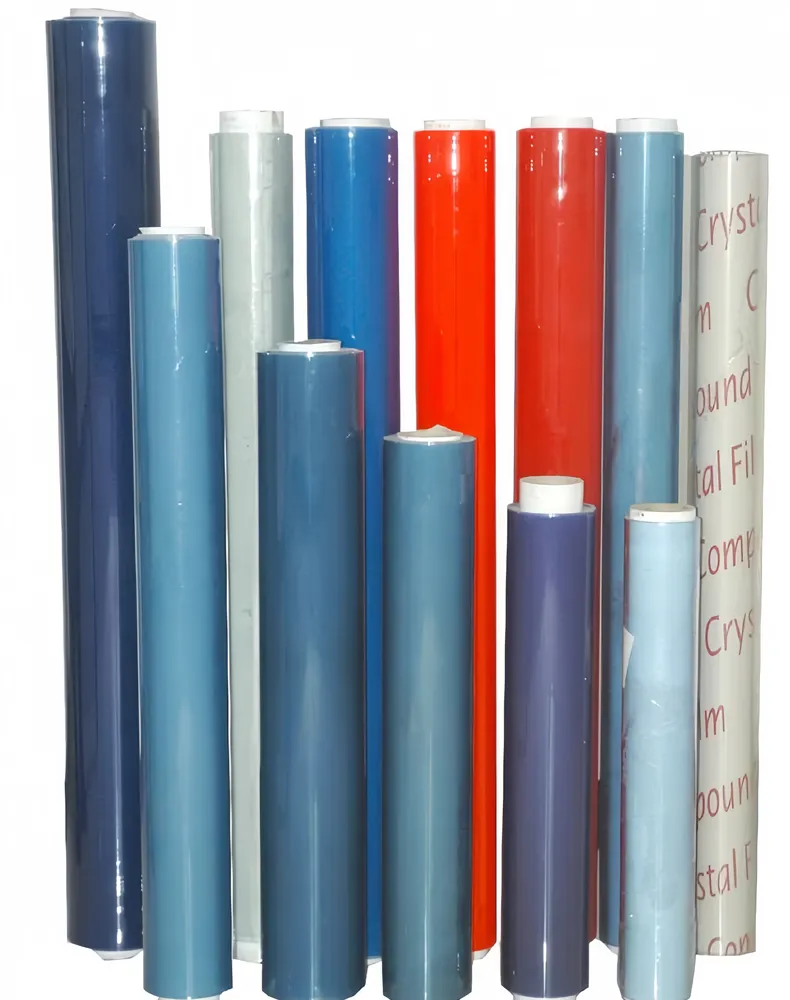
PVC film is widely used for interior decoration, packaging, and surface protection—but it can arrive at its destination scratched, creased, or discolored if not packed and handled correctly. This guide explains the common causes of shipping damage to PVC film and practical steps to prevent losses during transport.
PVC film combines flexibility with thinness, which makes it sensitive to mechanical stress, temperature swings, and improper packaging. Typical vulnerabilities include surface abrasion, edge crushing, adhesive migration (for self-adhesive types), yellowing from UV exposure, and deformation from heat or pressure.
PVC films may be glossy, matte, embossed or self-adhesive. Each finish and layer structure reacts differently to friction, stretching, and humidity. For example, glossy films show scratches more easily, while multi-layer composites can delaminate if stored in humid or hot conditions.
Understanding where damage originates helps you select the right packing strategy. Below are the most frequent causes encountered across sea, air, and road freight.
Drops, forklift strikes, pallet tipping, and improper stacking lead to crushed edges, creases, and surface abrasions. Long rolls are particularly susceptible to bending stresses when unsupported.
Thin or single-layer wrapping, missing end caps, and flimsy cores allow movement inside cartons. Movement equals friction, and friction equals visible surface damage.
High temperatures can deform rolls, cause film tackiness, or trigger adhesive bleed in self-adhesive variants. Humidity can lead to condensation and sticking between layers or microbial issues in some composites. Prolonged UV exposure causes yellowing and loss of gloss.
Oils, solvents, or residues on pallets and in containers can stain or react with PVC coatings. Even adhesive labels placed directly on the film surface can leave residues.
| Damage | Symptoms | Quick Fix / Prevention |
|---|---|---|
| Scratches / Abrasion | Visible surface marks on glossy films | Use protective PE liner, avoid sliding during loading |
| Creases / Folding | Permanent bends or lines across film | Rigid cores, proper pallet support, limit stacking height |
| Yellowing / Discoloration | Color shift, loss of clarity | UV-filtered packaging, avoid heat exposure |
| Edge crushing | Flattened roll ends, difficulty unrolling | End caps, corner protectors, stronger cartons |
Applying industry-proven packing standards significantly reduces damage risk. Use multiple layers of protection and make packing repeatable:

Damage can occur at any point in the supply chain. Minimize exposure:
A short QC checklist before shipment saves time during claims: verify roll diameters, core integrity, wrapping continuity, label accuracy, and pallet stability. Photograph each pallet face and the shipment manifest.
A supplier with full in-house production and strict QC processes can reduce packing-related defects at source. Pulivk (Henan Pulivk New Materials Co., Ltd.) manages calendering, printing, and split-packaging in-house, delivering consistent packing standards and reliable lead times. Visit Pulivk for details on customized packaging and export-ready packing solutions.
Most shipping damage to PVC film is preventable with the right packaging, handling, and supplier controls. Small investments in cores, liners, and pallet protection pay off by reducing returns, claims, and rework at the installation site.