Address
304 North Cardinal St.
Dorchester Center, MA 02124
Work Hours
Monday to Friday: 7AM - 7PM
Weekend: 10AM - 5PM
Address
304 North Cardinal St.
Dorchester Center, MA 02124
Work Hours
Monday to Friday: 7AM - 7PM
Weekend: 10AM - 5PM


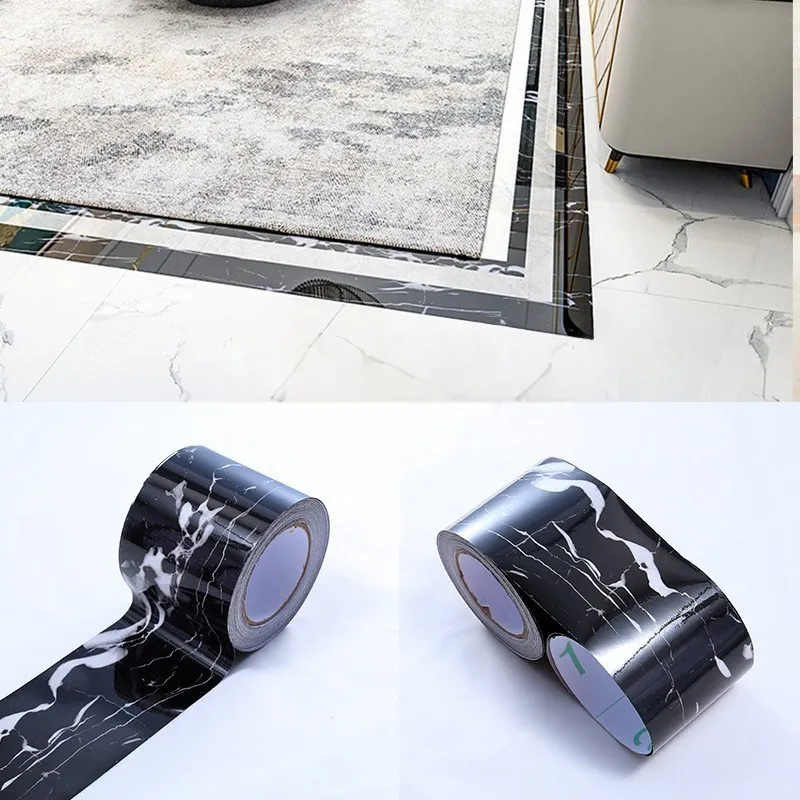
PVC film shrink wrap is a versatile packaging and protection material used across retail, logistics, manufacturing, and home applications. When heated, the film tightens around products to create a neat, tamper-evident, and space-efficient wrap. This guide explains the most common uses, key benefits, typical sizes and specifications, and a practical checklist to help you choose the right PVC shrink wrap film for your project.
Key takeaway:
PVC shrink wrap film is best when you need high clarity, strong shrink performance, and attractive shelf presentation—especially for multi-packs, boxes, and retail-ready bundles.
PVC (polyvinyl chloride) shrink wrap is a thermoplastic film engineered to contract when exposed to controlled heat. After sealing and heat-shrinking, the film forms a smooth, tight layer around the product, improving appearance and helping protect against dust, scuffs, and minor moisture exposure during handling.
In many supply chains, PVC shrink wrap is chosen for its excellent gloss and transparency, which makes labels and branding easy to see. It is also valued for its consistent shrink force, helping bundles stay compact in cartons and on pallets.
✔ Practical definition:
Shrink wrap is not just “plastic wrap.” It is a heat-reactive film designed for sealing + shrinking, typically used with L-sealers, side-sealers, or shrink tunnels.
PVC shrink wrap is widely used for retail-ready packaging because it delivers a clean, glossy presentation. It’s commonly applied to cosmetics cartons, stationery sets, toys, gift boxes, and printed materials. The tight finish reduces “loose bag” look and helps products appear premium on shelves.
Bundling is where shrink film shines: it stabilizes multiple items into one easy-to-handle pack. Typical examples include bundled boxes, small bottles, tubes, hardware items, and promotional sets. Because the film shrinks evenly, it reduces movement inside cartons and supports faster picking and packing.
Shrink wrap can serve as a protective “skin” for products sensitive to dust or superficial scratches—such as printed boxes, glossy cartons, and smooth-surface goods. For manufacturers shipping to distributors, this added protection can reduce returns caused by scuffed packaging.
In production environments, PVC shrink film is often selected for its reliable sealing and shrink performance on automated or semi-automated machines. Whether you use a compact L-bar sealer or a continuous side-seal line, consistent shrink behavior helps maintain speed and reduces rework.
Tip for product makers:
If your packaging project also involves decorative PVC surface films (furniture panels, interior sheets, etc.), explore calendered PVC options like
Calendered Film
for stable thickness and scalable roll production.
One of the biggest reasons brands choose PVC shrink wrap is its excellent transparency. Clear film showcases printing, barcodes, and product details without dulling the appearance. For premium packaging, gloss adds shelf impact without redesigning the carton.
When processed with the correct temperature and dwell time, PVC film shrinks smoothly around edges and corners. The result is a clean, snug wrap that looks intentional—helpful for gift sets, printed boxes, and promotional bundles where appearance matters.
A sealed shrink layer provides tamper evidence because it must be cut or torn to open. It also reduces dust and friction damage during warehousing and transport—especially for products with printed cartons or polished outer surfaces.
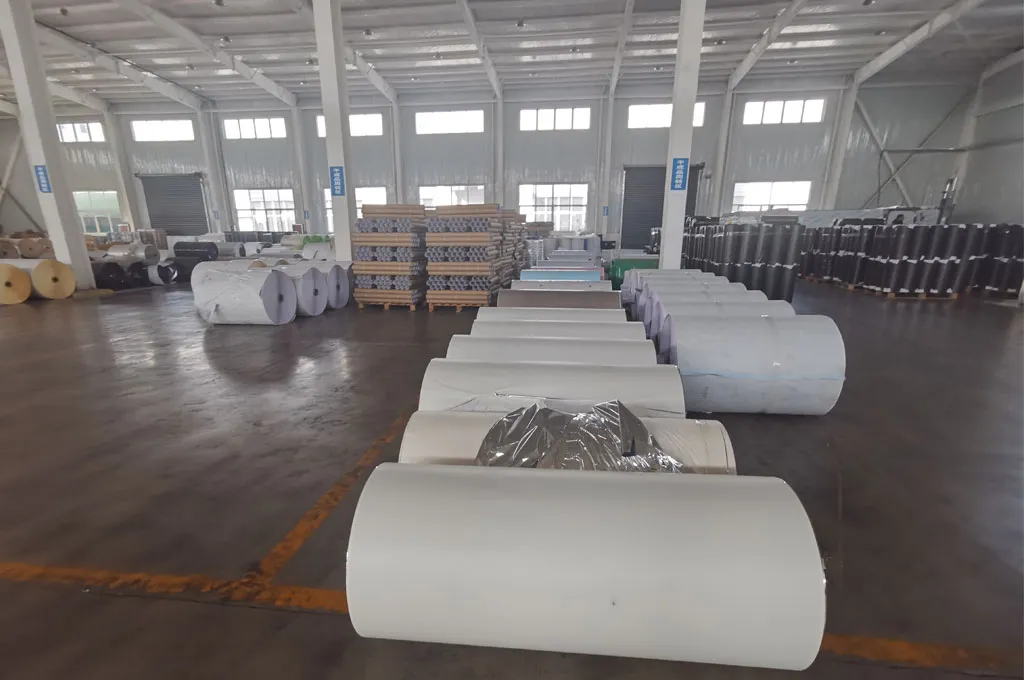
Shrink film can be supplied in different gauges (thickness), widths, and roll lengths to match equipment and product geometry. This flexibility supports both small workshops and large automated plants that require stable roll quality and repeatable results.
⚠ Process reminder:
Even great film will underperform if sealing temperature, tunnel heat, or airflow is off. Always validate settings with a short trial run and confirm seal integrity before mass production.
“Size” in shrink film typically refers to a combination of thickness (gauge), film width, and roll length. Choosing the correct combination ensures good shrink, minimal waste, and stable line speed.
Thinner film typically improves cost efficiency and can shrink more easily around small items, while thicker film improves puncture resistance and rigidity for heavier bundles. As a general approach:
Film width is selected based on the product’s perimeter plus allowance for sealing. Two common formats are:
• Centerfold (layflat) film: folded film that opens like a sleeve—popular for L-sealers and many standard shrink systems.
• Single wound film: one layer on a roll—used in specific wrapping methods or equipment.
Roll length affects changeover frequency and downtime. Core diameter and winding tension should match your machine’s holder and feed system. Poor winding can cause telescoping, wrinkles, or uneven sealing—so roll consistency matters as much as the film itself.
Start with size, weight, and shape. Sharp corners, protrusions, and rough surfaces increase puncture risk and may require a stronger gauge. Smooth cartons and boxed goods typically shrink cleanly with standard specifications.
The “right” film depends on the job:
Different machines produce different heat profiles. Confirm whether you use an L-sealer, side-sealer, manual heat gun, or a shrink tunnel. The film must seal reliably at your operating temperature while shrinking evenly without burn-through, haze, or excessive curling.
✔ Quick equipment check:
Before ordering, confirm your sealing bar type, tunnel temperature range, line speed, and maximum roll diameter/core size.
For centerfold film, a common rule is to choose a layflat width slightly larger than the product’s width + height (plus a small allowance for sealing and shrink). Too narrow causes seal stress and corner splits; too wide wastes film and may create wrinkles.
Example (conceptual):
If a box is W × H × L, you typically size the film to wrap the perimeter (W + H) with enough margin for sealing and shrink. Final selection should be verified by trial on your machine.
If shrink wrap is used for products that may involve regulated environments, request documentation and test reports. Many buyers look for compliance with standards such as ISO management systems, REACH, RoHS, and (where relevant) FDA-related requirements. If your product involves human contact, indoor use, or strict market access rules, confirm that the film formulation and inks are suitable.
Wrinkles often come from uneven airflow in the tunnel, incorrect film width, or insufficient heat exposure. Adjust airflow direction, increase dwell time slightly, or verify that the product is centered and feeding straight.
Too much heat or overly long exposure can cause haze and weak points. Reduce temperature, shorten dwell time, or optimize airflow. Confirm the film gauge is appropriate for your tunnel settings.
Seal issues are usually tied to sealing temperature, dwell time, pressure, or contamination (dust). Ensure sealing bars are clean and aligned, and validate the seal strength after shrinking—not only right after sealing.
🔎 Quality control checklist:
Check thickness consistency, optical clarity, seal strength, shrink uniformity, and roll winding before scaling up.
PVC shrink film is a strong option for retail presentation and clean bundling. However, every packaging material has tradeoffs. If your application needs very high puncture resistance, ultra-low-temperature shrinking, or specific recycling streams, you may also evaluate alternative shrink materials. The best selection comes from matching product risk, equipment, compliance, and total cost per packed unit.
Many manufacturers source shrink wrap and decorative PVC films from the same supply chain. If you also work on furniture, interiors, or architectural finishing, these PVC film categories may complement your packaging operations:
It’s best for retail-ready packaging, bundling multiple items, and protecting printed cartons where clarity and a glossy finish are important.
Choose based on product weight, corner sharpness, and handling conditions. Lighter items can use thinner film for cost efficiency; heavier or sharp-edged items typically need thicker film to reduce punctures and splits.
Common causes include incorrect film width, uneven airflow, or insufficient heat exposure. Adjust tunnel airflow, validate product alignment, and test minor temperature/dwell-time changes.
Yes—specs such as width, thickness, roll length, and packaging format can often be tailored. If you also require decorative PVC solutions, OEM/ODM-style customization is commonly available for color, surface effects, and roll slitting.
Provide product dimensions, packaging method (L-sealer/side-sealer/tunnel), required thickness and width, roll core size, monthly quantity, and your target market’s compliance needs.