Address
304 North Cardinal St.
Dorchester Center, MA 02124
Work Hours
Monday to Friday: 7AM - 7PM
Weekend: 10AM - 5PM
Address
304 North Cardinal St.
Dorchester Center, MA 02124
Work Hours
Monday to Friday: 7AM - 7PM
Weekend: 10AM - 5PM



PVC film sizes determine how a product performs and where it can be used. This guide explains common specifications—thickness, widths, roll lengths—and practical uses to help buyers, specifiers, and DIYers choose the right film for furniture wrap, floor protectors, kitchen splashbacks, packaging, and industrial applications.
PVC film is available in a wide range of thicknesses and widths. Thickness affects durability, flexibility, printability, and cost. Width and roll length affect material yield, installation speed, and waste. Selecting the correct combination reduces installation issues and long-term maintenance.
Below are the most frequently specified thickness ranges and their practical strengths:
| Thickness | Approx. (mm) | Typical Uses |
|---|---|---|
| 30–60 µm | 0.03–0.06 | Laminating, decorative overlays, light packaging |
| 80–150 µm | 0.08–0.15 | Self-adhesive wallpapers, protective covers, anti-scratch films |
| 200–500 µm | 0.20–0.50 | Floor films, heavy-duty protection, industrial packaging |
| 0.6–1.5 mm | 0.60–1.50 | Rigid protective wraps, car protective films, specialized substrates |
For interior decorative films, 80–150 µm often balances cost and feel. For temporary protective films (moving/building), choose 200–500 µm for better tear resistance.
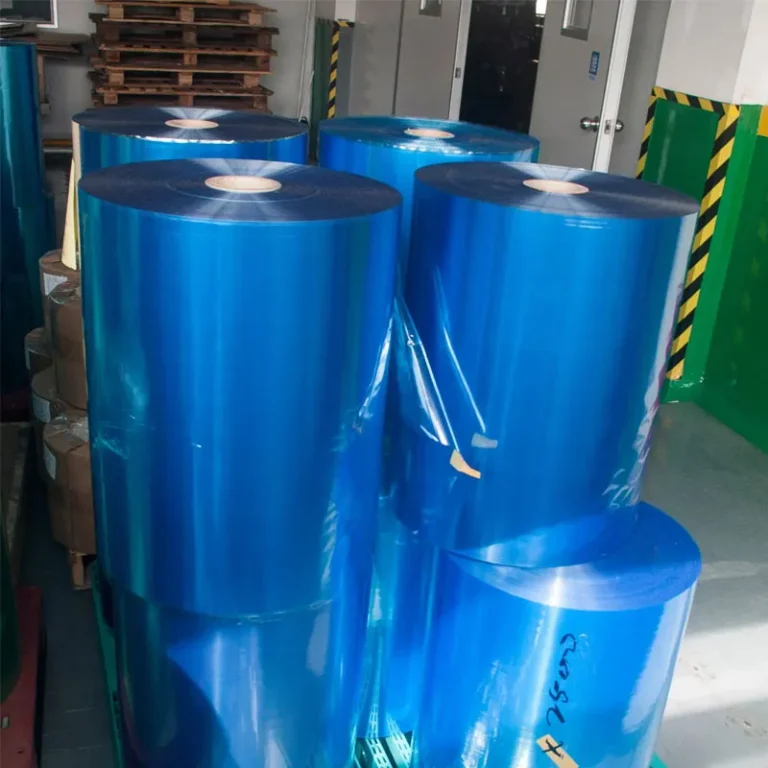
Manufacturers supply rolls in multiple widths to suit machines and installers. Rolls can be customized—smaller core rolls for retail or wide jumbo rolls for OEMs.
| Common Widths | Typical Roll Lengths | Best For |
|---|---|---|
| 300 mm / 600 mm | 10–50 m | Small furniture panels, retail samples |
| 1,000 mm / 1,220 mm | 30–200 m | Wardrobe & cabinet doors, advertising substrates |
| 1,524 mm (60″) / 2,000 mm+ | 50–500 m | Large-format wrapping, flooring film production |
Wider rolls reduce seams and waste during large-surface installations, but they may increase handling complexity. Narrower rolls are easier for manual application and smaller projects.
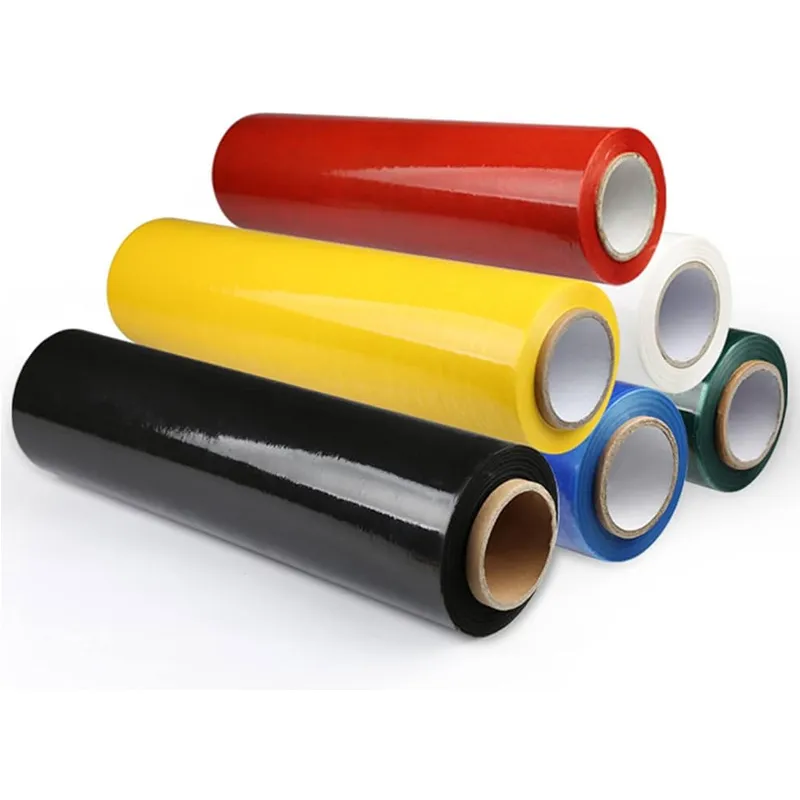
Match thickness and width to the final use. The table below highlights common pairings to speed specification:
| Application | Thickness Range | Recommended Width |
|---|---|---|
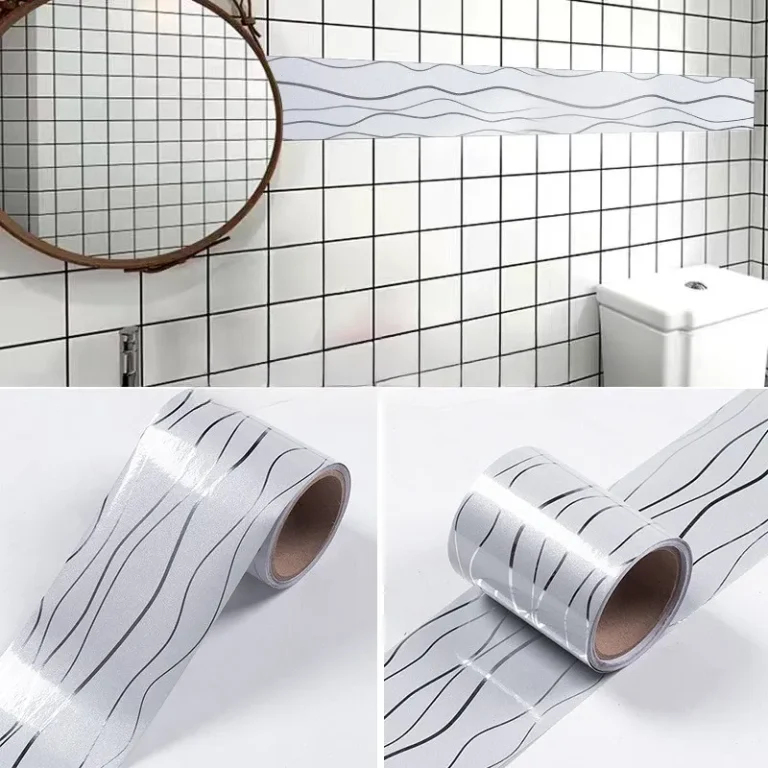
| Decorative furniture film (gloss/matte) | 80–150 µm | 1,000–1,220 mm |
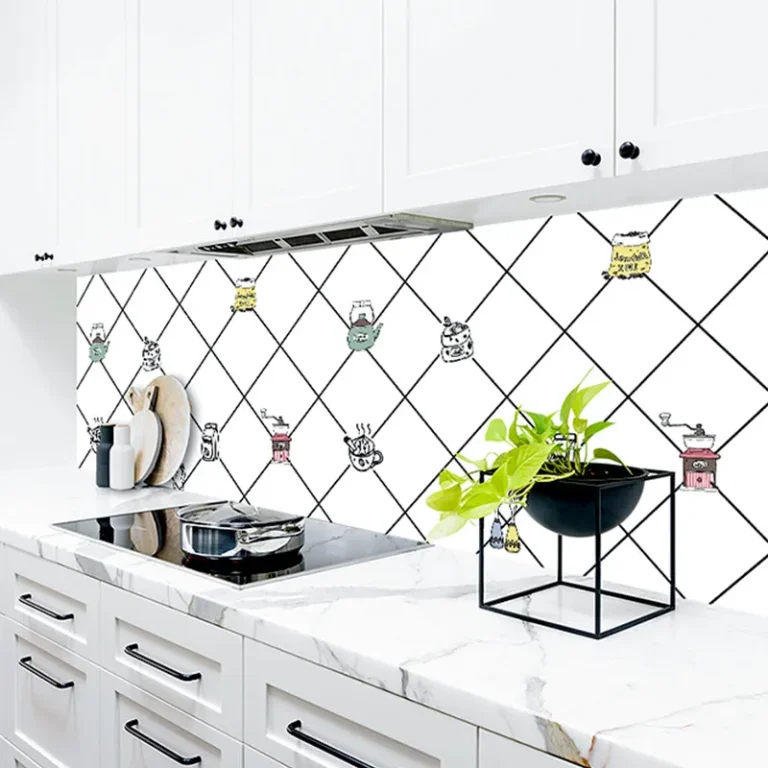
| Kitchen anti-oil / backsplash | 100–300 µm | 600–1,220 mm |
| Floor protective film (temporary) | 200–500 µm | 1,000–2,000 mm |
| Self-adhesive decals & stickers | 50–150 µm | 300–1,000 mm |
| Industrial packaging & isolation film | 80–500 µm | Custom widths available |
Assess the surface: Smooth furniture veneers need thinner decorative films; textured surfaces may require thicker, more conformable films.
Evaluate traffic & wear: High-traffic floors or frequently cleaned kitchen panels benefit from thicker, scratch-resistant films.
Consider printing & pattern: Complex prints and metallic effects may require specific surface coatings—discuss with your supplier before ordering.
For project-specific needs—unique widths, printed patterns, split-packaging, or private-label rolls—work with a supplier who controls production. Pulivk offers calendered lines, printing, and split-packaging so custom sizes and lead times can be managed end-to-end.
Ask suppliers about core diameter, individual roll wrapping, palletization, and export documentation. Lead times depend on thickness, printing complexity, and order quantity; ordering larger production runs typically reduces unit cost and shortens per-unit lead times.
When requesting quotes, provide: desired thickness (µm), width, roll length, finish (gloss/matte/frosted), printed pattern (if any), and intended application. This reduces back-and-forth and speeds up accurate pricing and sample delivery.
If you need tailored specifications or technical samples, include your project details when contacting manufacturers—specifying the intended substrate and installation environment will help ensure the best material choice.