Address
304 North Cardinal St.
Dorchester Center, MA 02124
Work Hours
Monday to Friday: 7AM - 7PM
Weekend: 10AM - 5PM
Address
304 North Cardinal St.
Dorchester Center, MA 02124
Work Hours
Monday to Friday: 7AM - 7PM
Weekend: 10AM - 5PM


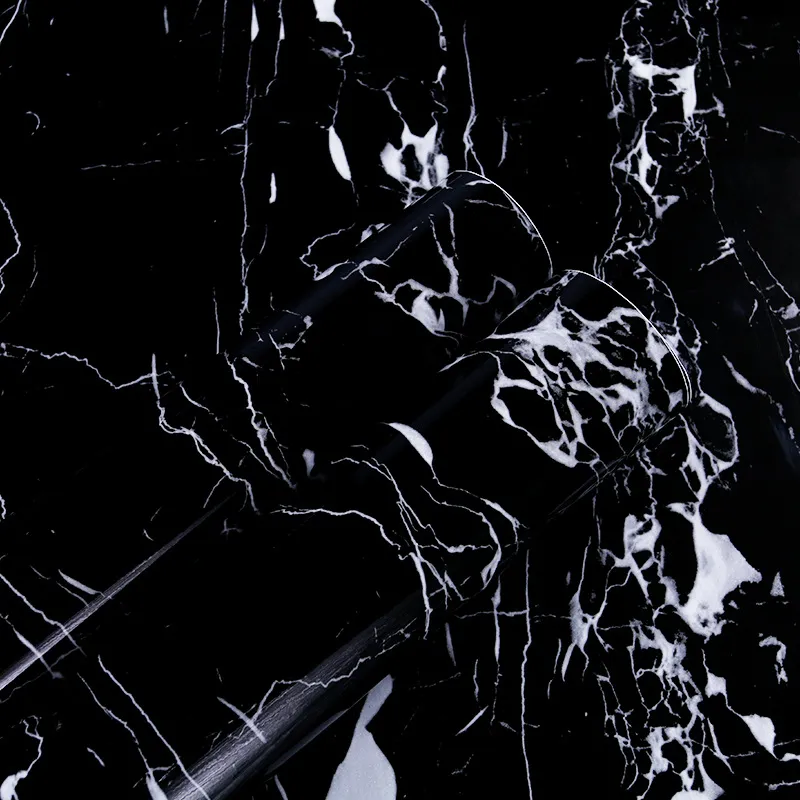
Understanding the role of a surface treatment primer on PVC film is essential for anyone specifying or manufacturing decorative and protective films. A primer optimizes adhesion, improves print and coating performance, and extends the service life of PVC decorative coverings used in furniture, interior walls, and appliance wraps.
The surface treatment primer is a specially formulated chemical layer applied to PVC film before painting, laminating, printing, or coating. It modifies the film surface energy and creates a receptive interface so subsequent layers bond reliably. Without primer, many inks, adhesives, and topcoats will have poor wetting and can peel, blister, or delaminate over time.
Primers act in three main ways: by increasing surface energy, by providing chemical compatibility between PVC and the coating, and by forming a thin mechanically interlocking layer. This combination ensures consistent adhesion across different film textures—glossy, matte, embossed, or wood-grain finishes.
Common primer chemistries include solvent-based adhesion promoters, waterborne primers for low-VOC production, and plasma or corona treatments that change surface energy physically. The choice depends on the downstream process—digital printing, UV coating, or lamination—and environmental or regulatory constraints.
Improved yield: Fewer rejects from delamination or ink failure. Consistent appearance: Uniform gloss or color saturation after printing or coating. Longer lifecycle: Coatings resist abrasion, moisture, and cleaning agents better when bonded to a primed surface.
| Surface / Process | Recommended Primer Type | Key Benefit |
|---|---|---|
| Glossy PVC film (furniture wraps) | Solvent-based adhesion primer | Strong initial bond for inks and lacquers |
| Matte or embossed finishes | Waterborne primer or specialized adhesion promoter | Uniform coating coverage without filling texture |
| Printable PVC for digital/UV inks | Corona/plasma treatment + primer | Enhanced ink wetting and durability |
Preparation is critical. Clean the film surface of dust, oils, and release agents before primer application. Control coating thickness and drying conditions to avoid runs or trapped solvents. For high-volume lines, integrated corona or plasma stations followed by precise primer dosing deliver the most repeatable outcomes.
Standard tests include cross-hatch adhesion (ASTM D3359), peel strength, and accelerated aging (humidity and UV). Visual inspections for surface defects and adhesion failures should be routine. Recording process parameters and test results helps traceability and continuous improvement.
If you see poor adhesion: check surface contamination, insufficient primer cure, or incompatible chemistry. Blushing or whitening often indicates moisture or trapped solvent—adjust drying and coating weights. Ink mottling can be improved by optimizing surface energy with a controlled corona treatment before priming.
When sourcing PVC film with primer-ready surfaces, request datasheets that specify surface energy (dyne level), recommended primer types, and validated printing/lamination partners. Ask for sample trials under your production conditions before committing to large orders.
| Supplier Claim | What to verify |
|---|---|
| “Primed and printable” | Sample adhesion tests with your inks/adhesives |
| “Low-VOC primer” | Cure profile and solvent removal data |
Specifying the correct primer and process reduces rework, improves end-product durability, and protects brand appearance—especially for high-touch surfaces like kitchen panels, cabinetry, and commercial interiors. A small investment in the right surface treatment can yield large savings in warranty and maintenance costs.
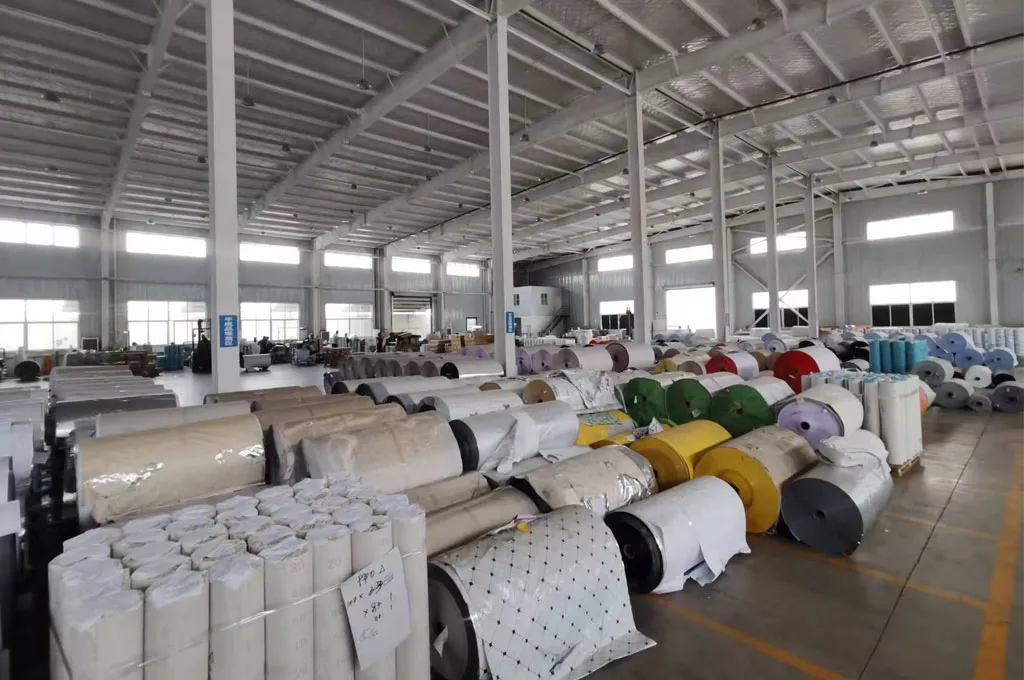
For manufacturers, controlling primer and surface treatment in the production chain ensures consistent output. Pulivk maintains full in-house production capability—from calendering and printing to split-packaging—so primer recommendations and surface treatments are validated across their lines for stable quality and lead times.