Address
304 North Cardinal St.
Dorchester Center, MA 02124
Work Hours
Monday to Friday: 7AM - 7PM
Weekend: 10AM - 5PM
Address
304 North Cardinal St.
Dorchester Center, MA 02124
Work Hours
Monday to Friday: 7AM - 7PM
Weekend: 10AM - 5PM



PVC film tape is a flexible, durable, and cost-efficient solution used across packaging, surface protection, light-duty bundling, and temporary masking. Thanks to its balanced tensile strength, conformability, and adhesion control, it helps businesses protect products in transit, keep surfaces clean during production, and improve packing efficiency without adding unnecessary bulk.
This guide explains where PVC film tape performs best, the benefits and trade-offs compared to other tapes, and a practical checklist for choosing the right type by thickness, adhesive, finish, and application environment—so you can reduce damage, rework, and customer complaints while keeping packaging consistent.
PVC film tape typically consists of a PVC film backing coated with a pressure-sensitive adhesive. The backing can be transparent, colored, matte, glossy, or textured, while the adhesive may be formulated for general packaging, surface protection, or clean removal.
✔ Key idea:
PVC film tape is chosen when you need good strength + flexible conforming on edges, corners, and curved surfaces, while maintaining a tidy appearance in packing lines.
Packaging teams often compare PVC film tape with BOPP tape, paper masking tape, or cloth tape. PVC film tape can provide a stronger, more conformable backing than many economy BOPP options and often delivers more controlled unwind and handling in fast-paced operations.
For carton sealing, PVC film tape supports stable closure and helps resist edge lifting during handling. It is commonly used in export-ready packaging where cartons may experience repeated loading/unloading, temperature changes, and friction in containers.
📦 Best-fit scenarios:
cartons with heavy contents, rough shipping cycles, or packing lines that need consistent unwind and clean appearance.
Many manufacturers apply protective films and tapes during fabrication, storage, or installation to avoid scratches, dust, and fingerprints. PVC film tape can work as a temporary hold-down or edge-seal for protective films—especially on smooth surfaces where you want reliable tack without damaging the substrate.
In furniture and interior applications, decorative PVC films are often paired with protection methods to keep surfaces pristine until final delivery. If you’re sourcing base films for lamination or decorative wrapping, calendered film is a common foundation material because it can be produced with stable thickness and consistent finish, which makes downstream protection more predictable.
PVC film tape is frequently used for bundling profiles, trim, tubes, and components. Because it conforms well, it can wrap tight bundles and maintain holding power without excessive layers.
In workshops and production lines, PVC film tape can be used for temporary masking or protection around non-critical areas—such as keeping dust away from openings, shielding edges during assembly, or marking items in staging zones.
PVC film backings often flex and stretch enough to wrap corners neatly, helping reduce “flagging” (edge lifting) on irregular shapes. This is especially useful when bundling decorative trims or sealing protective wraps around profiles.
Operators value tape that tears predictably (or cuts cleanly), unwinds smoothly, and doesn’t snap under normal tension. A well-made PVC film tape can support faster packing with fewer reworks caused by breaks or uneven application.
Color options help warehouses and factories implement quick identification systems—such as marking inspection status, routing categories, or zone allocation. For consumer-facing packaging, a clean, glossy, uniform tape line can also improve perceived quality.
🔎 Practical tip:
If you rely on color coding, confirm that the tape color remains stable under your warehouse lighting and that it does not stain or transfer pigment onto delicate surfaces.
While no tape is universal, PVC film tape often holds up well to friction during handling. For shipments that may face humidity changes, selecting the appropriate adhesive (and verifying aging performance) is critical to prevent lifting or residue.
Start with the end goal. Carton sealing needs secure adhesion to corrugated board; surface protection needs controlled tack and clean removal; bundling needs tensile strength and elongation; masking needs residue management and short-term stability.
Adhesive selection determines most field problems: lifting, residue, or substrate damage. For packaging and protection, common choices include acrylic-based (good aging and clarity), rubber-based (high initial tack), and specialty formulations for clean removal or specific substrates.
⚠ Selection warning:
“Stronger” is not always “better.” Over-tack can cause surface pull, adhesive transfer, or difficult removal—especially on soft-touch coatings, fresh paint, or delicate decorative films.
When in doubt, request a sample roll and test: immediate tack, 24–72 hour dwell, and removal after aging.
Thickness affects strength, conformability, and cost. Thicker backings generally provide higher durability for bundling and demanding handling. Thinner films can be sufficient for light packaging and temporary positioning.
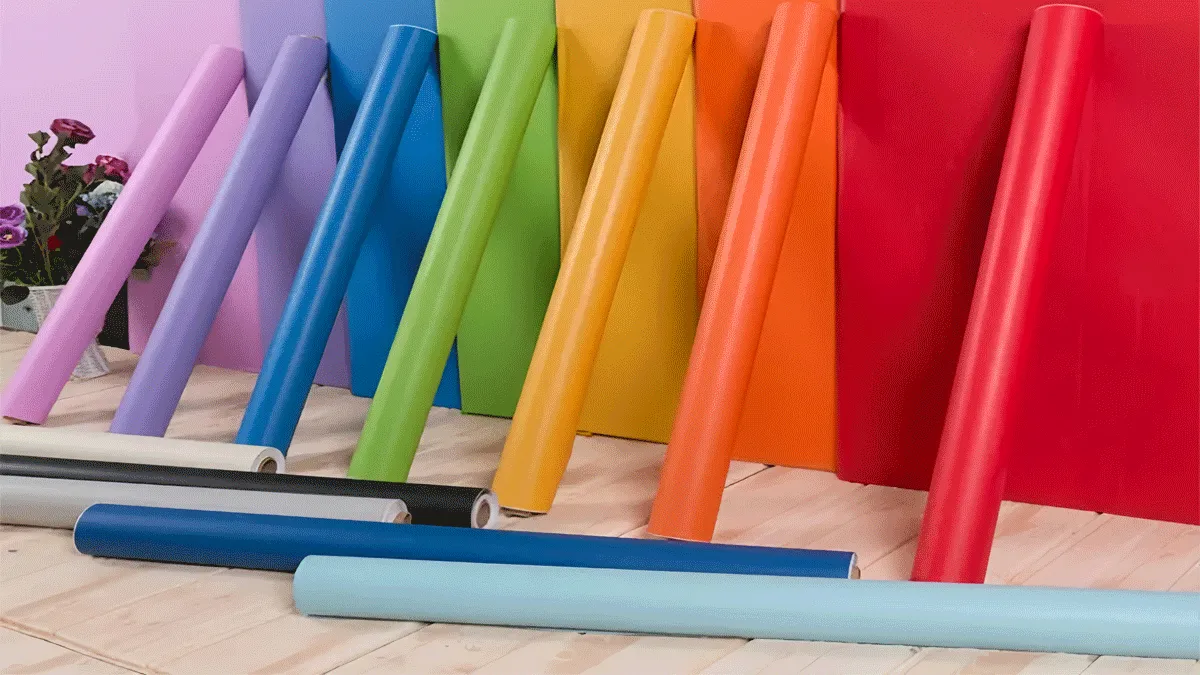
Finish impacts both performance and appearance. Clear tape is popular when you need barcode visibility or a clean look. Matte finishes can reduce glare. Textured surfaces may improve grip and handling in manual operations.
If your packaging line also involves decorative surfaces (e.g., premium panels, furniture components), aligning tape finish with surface appearance helps reduce visual defects. For example, certain decorative coverings like 3D silk texture film can be sensitive to scuffing, so clean handling and controlled adhesive become more important than raw tack.
Tape that performs well in a climate-controlled packing room can fail in a hot container, cold warehouse, or dusty workshop. Consider:
The same tape can behave differently on corrugated board, PE protective films, powder-coated metal, glass, woodgrain laminates, or soft-touch coatings. Always verify:
In furniture production, protective packaging is often the last line of defense after finishing and wrapping. Many manufacturers use decorative PVC films such as wood grain and high-gloss finishes, then apply protective materials for storage and shipping. If your product range includes decorative surfaces like wood grain film, ensure that your tape selection prioritizes clean removal and low risk of surface marking.
Trim strips, skirting, and profiles are prone to edge damage. PVC film tape can secure protective wraps and keep bundles tight. For companies producing or distributing finishing materials, pairing tape with stable decorative coverings can reduce installation-site defects; for example, PVC skirting film applications often rely on clean surfaces, so protection during logistics matters.
For electronics and appliance components, surface cleanliness is a major quality requirement. Anti-static films and controlled-adhesion tapes help reduce dust attraction and prevent marks. In these environments, consistent QC and traceability are just as important as the tape itself.
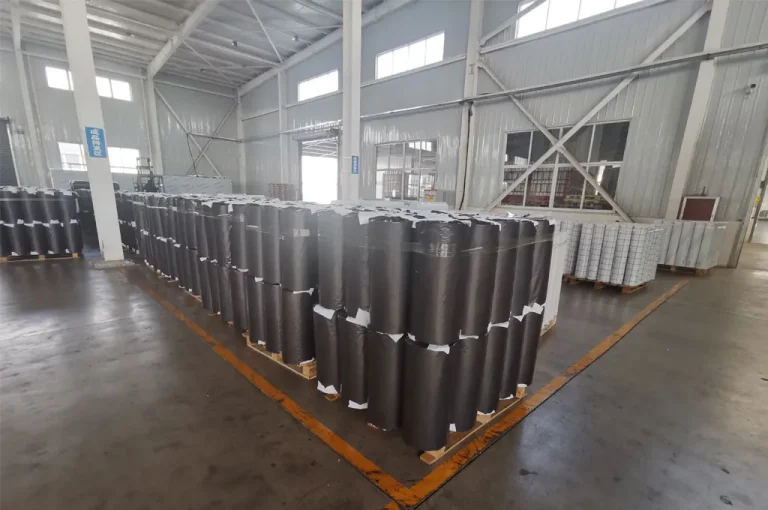
If you also source PVC films for decoration, packaging layers, or protection-related laminations, working with a supplier that controls calendering, printing, and slitting can improve batch consistency and shorten lead times. Full-process production and strict QC reduce variability in thickness, optics, and adhesion behavior—factors that directly affect tape performance in real packing lines.
A slightly cheaper tape can raise overall costs if it causes carton failures, repeated re-taping, residue cleanup, or higher damage rates. Evaluate total cost: material + labor + claims + rework.
Many adhesion and residue issues appear after 24–72 hours, or after heat exposure during container shipping. Test under realistic conditions, including temperature cycles where possible.
Dust, oil, release agents, and moisture can defeat even the best adhesive. Simple actions—wipe-down, drying time, or switching to a more appropriate adhesive—often solve “tape problems” that are actually surface problems.
It’s best for carton sealing, bundling, and surface protection tasks that benefit from good conformability and stable handling, especially around corners and profiles.
It depends on adhesive type, surface material, dwell time, and temperature. If clean removal is required, request samples and test removal after 24–72 hours and after heat exposure.
Choose thicker tape for heavier bundling and abrasion, and medium/light thickness for general sealing and short-term protection. Always match thickness to the stress level of handling and shipping.
Yes, but test first. Decorative surfaces can be sensitive to marking or adhesive transfer, so prioritize controlled adhesion and verify clean removal after aging.
Confirm adhesion performance on your substrates, unwind behavior, thickness consistency, and storage stability. If compliance matters (e.g., RoHS/REACH/FDA), ask for documentation and test reports.