Address
304 North Cardinal St.
Dorchester Center, MA 02124
Work Hours
Monday to Friday: 7AM - 7PM
Weekend: 10AM - 5PM
Address
304 North Cardinal St.
Dorchester Center, MA 02124
Work Hours
Monday to Friday: 7AM - 7PM
Weekend: 10AM - 5PM



PVC flame retardant films are engineered to slow ignition and reduce flame spread in applications from furniture wrap to building interiors. This guide helps specifiers, procurement managers, and installers understand the grades, testing standards, typical applications, and selection tips so you can pick the right product for safety, durability, and cost-efficiency.
Flame retardant (FR) PVC films add a critical layer of protection in environments where ignition sources, heat, or electrical faults are possible. Beyond fire performance, FR films maintain aesthetics, adhesion, and mechanical properties needed for decorative laminates, protective overlays, and safety barriers.
Manufacturers typically offer several FR PVC film families to match different risks and end-use needs:
Different markets and industries require compliance with specific standards. When specifying films, request test reports from the manufacturer showing compliance to the relevant standard below.
| Standard | Test Focus | Typical Requirement | Common Use |
|---|---|---|---|
| UL 94 | Flammability of plastics | V-0, V-1, V-2 ratings | Electronics, housings |
| ASTM E84 / NFPA 255 | Surface flame spread & smoke | Low flame spread / smoke indices | Interior wall & ceiling finishes |
| EN 13501-1 | Reaction to fire (EU) | Classes B–F, with s/smoke and d/drip | European construction projects |
| IMO FTP / SOLAS | Marine fire safety | Strict low-flame, low-smoke limits | Ship interiors, offshore platforms |
| Property | Typical Range | Why It Matters |
|---|---|---|
| Thickness | 20–500 µm | Affects flexibility, opacity, and protection |
| Tensile Strength | 10–45 MPa | Durability during installation & service |
| Roll Width | 0.5–2.0 m (custom available) | Fit for laminating or wrapping large panels |
Match the film grade to both fire code requirements and the functional needs of the project.
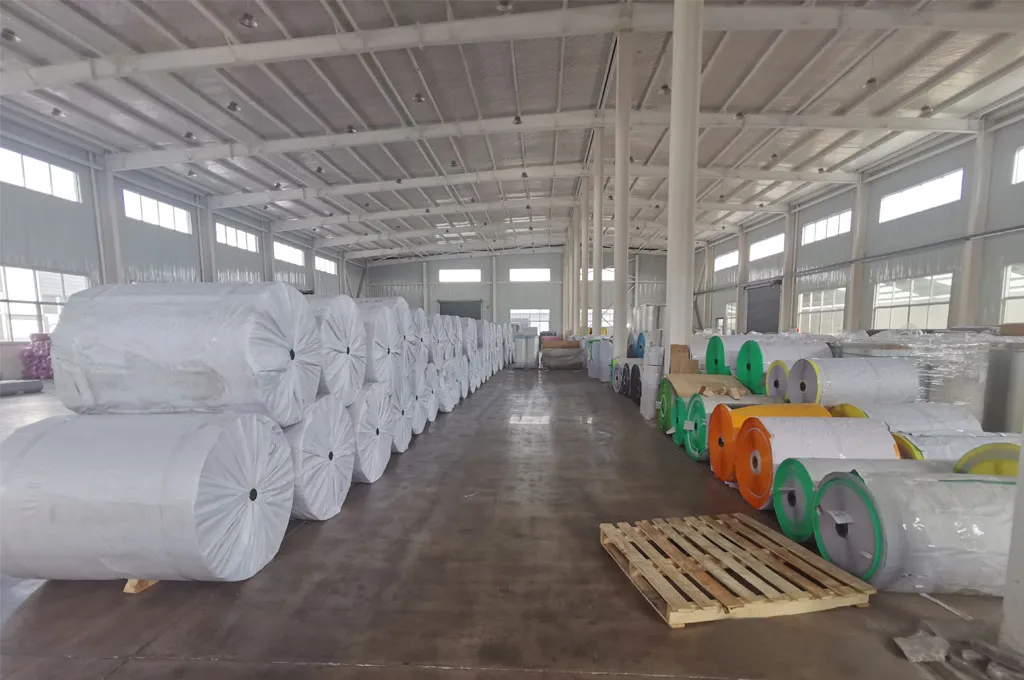
Store rolls flat in a dry environment, avoid prolonged UV exposure for unprotected films, and use appropriate adhesives or laminating temperatures recommended by the supplier. Always test adhesion and fire behavior on the final substrate before large-scale installation.
Pulivk manufactures in-house with calendering, printing, and split-packaging lines—offering tailored FR PVC film sizes, finishes, and certifications for global markets.
Always specify the standard and required rating in your purchase order, not just “flame retardant.” Insist on batch-level test documentation, and coordinate with installers to ensure on-site methods don’t compromise the film’s fire performance.