Address
304 North Cardinal St.
Dorchester Center, MA 02124
Work Hours
Monday to Friday: 7AM - 7PM
Weekend: 10AM - 5PM
Address
304 North Cardinal St.
Dorchester Center, MA 02124
Work Hours
Monday to Friday: 7AM - 7PM
Weekend: 10AM - 5PM


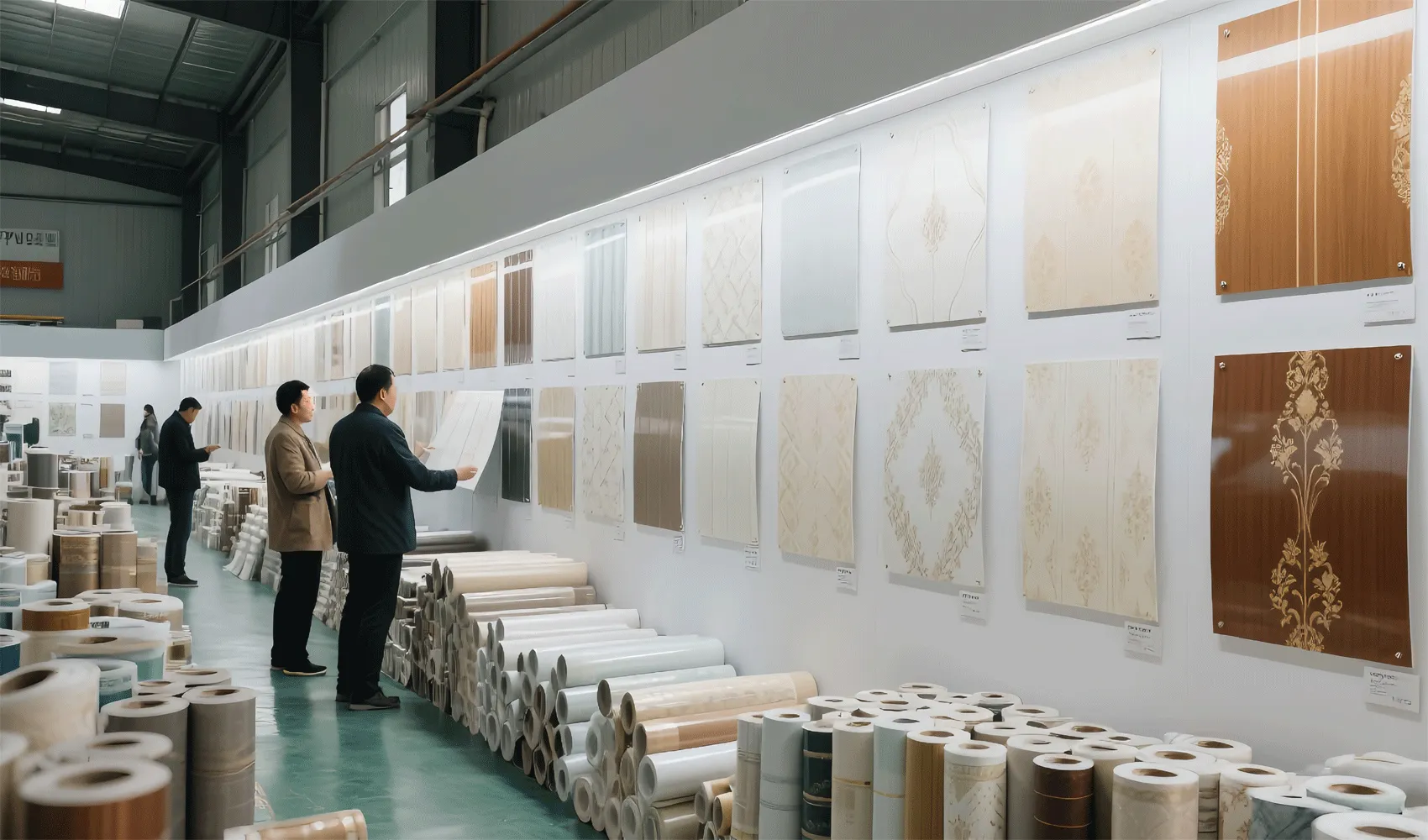
Air duct film, often a specialized type of PVC film, is a crucial material used to line, seal, and protect the interior surfaces of heating, ventilation, and air conditioning (HVAC) ducts. Its primary function is to create a smooth, non-porous barrier that improves airflow efficiency, prevents dust and microbial accumulation, and enhances the overall hygiene and longevity of the duct system. This guide will explore what air duct film is, its various types, key applications, and provide a detailed installation guide.
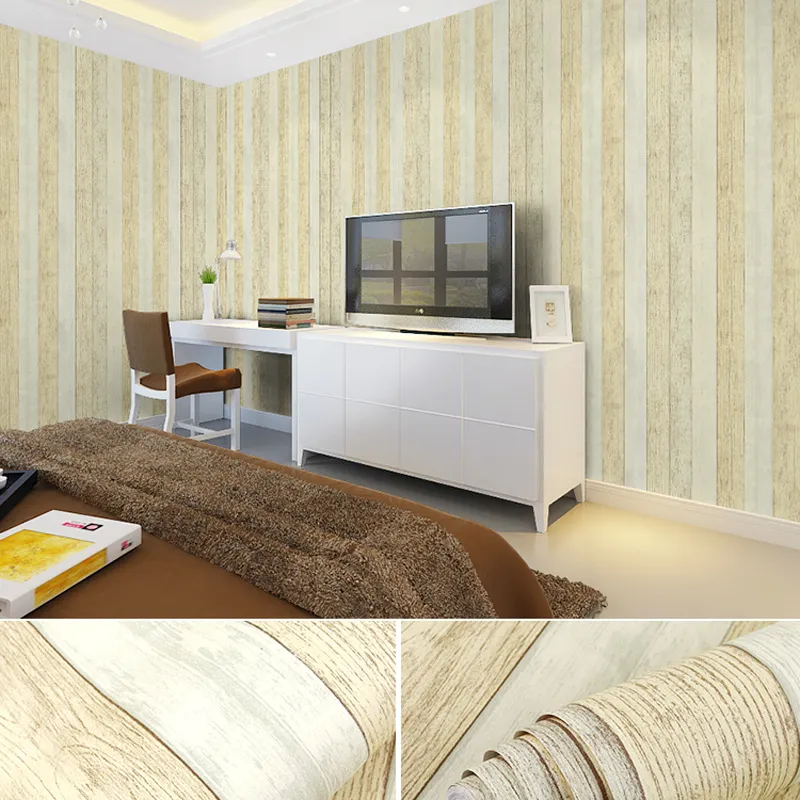
At its core, air duct film is a thin, flexible sheet material engineered for the specific environmental conditions inside air ducts. It must withstand constant airflow, potential temperature fluctuations, and minor pressure changes without degrading, tearing, or releasing harmful particles. While various polymers can be used, high-quality, flame-retardant PVC films are a popular choice due to their durability, smooth surface, and ease of cleaning. The film acts as a protective liner, shielding the underlying metal or fiberglass ductwork from moisture, corrosion, and the buildup of contaminants that can impede system performance and affect indoor air quality.
Key Property: An effective air duct film must have low VOC (Volatile Organic Compound) emissions and often requires specific fire safety ratings (like Class 1 Fire Rating) to comply with building codes, ensuring it doesn’t contribute to the spread of flames or smoke in the event of a fire.
Air duct films are categorized based on their material composition, surface characteristics, and specific functional properties. Choosing the right type depends on the duct system’s requirements and the local climate or building codes.
This is the most common type, featuring a perfectly smooth, non-porous surface. Its primary advantage is minimizing friction loss (improving airflow efficiency) and providing a surface that is easy to wipe clean during maintenance. It is typically a calendered PVC film known for its consistent thickness and strength.
Specially formulated for environments where hygiene is paramount, such as hospitals, laboratories, schools, and commercial kitchens. These films are coated or impregnated with agents that inhibit the growth of mold, mildew, and bacteria on the duct surface, contributing significantly to healthier indoor air. This is similar to the protective principles behind kitchen anti-oil films used on splashbacks.
Some films are designed with additional layers or foam backings that provide thermal insulation, helping to maintain air temperature as it travels through ducts, or sound dampening properties to reduce noise from the HVAC system. While not a replacement for dedicated duct insulation, they offer supplementary benefits.
This type comes with a pressure-sensitive adhesive layer protected by a release liner. It simplifies installation in retrofit or repair scenarios, allowing sections to be applied directly to clean duct surfaces without additional adhesives. The concept is akin to using bathroom floor stickers for quick surface renewal.
Air duct film is versatile and serves critical functions across multiple sectors:
In homes, it is used to line new ductwork or rehabilitate old, leaky, or corroded ducts. It improves energy efficiency by ensuring smooth airflow and helps reduce the amount of dust, pollen, and allergens circulating through the home, which is especially beneficial for family members with allergies or asthma.
Large buildings with complex HVAC systems use duct film to maintain consistent air quality and system efficiency across hundreds or thousands of square feet. It is essential for managing operational costs related to heating and cooling.
Hospitals, clinics, and dental offices require the highest standards of air purity. Antimicrobial duct film is often mandatory in these settings to prevent the ductwork from becoming a reservoir for pathogens, thereby protecting vulnerable patients and staff. This aligns with the high hygiene standards seen in materials for medical-grade surfaces.
Ducts in these environments are exposed to grease, moisture, and temperature extremes. A robust, easy-to-clean duct film helps prevent grease accumulation (a fire hazard) and maintains compliance with health department regulations. Its role is complementary to surface protection films like kitchen oil-proof aluminum foil.
Schools and labs use it to ensure a clean, contaminant-free air supply, which is vital for both occupant health and the integrity of sensitive experiments or equipment.
Professional installation is highly recommended for large or complex systems. However, for small-scale or accessible residential projects, a knowledgeable DIYer can follow these steps. SAFETY FIRST: Always turn off the HVAC system and wear appropriate safety gear (gloves, mask, eye protection).
1
System Shutdown & Access: Completely shut down the HVAC system. Use screwdrivers to carefully remove duct access panels or registers.
2
Duct Inspection & Cleaning: Thoroughly inspect the duct interior for major damage, sharp edges, or protruding screws. Use a vacuum with a long hose and brushes to remove all loose dust, debris, and old insulation. The surface must be as clean and dry as possible.
3
Accurate Measurement: Measure the length and circumference (or perimeter for rectangular ducts) of each duct section you plan to line. Add a 5-10% overage for seams and overlaps. Pre-cut your film sheets to manageable sizes.
4
Adhesive Application: If using non-adhesive film, apply a thin, even layer of UL-listed duct liner adhesive or contact cement to the back of the film sheet and/or the target area of the duct wall. Follow the adhesive manufacturer’s instructions for open time (waiting before bonding).
5
Film Placement: Carefully insert the film into the duct. For round ducts, it may curl naturally; for rectangular ducts, you’ll need to press it against the walls and corners. Start from one end and work your way along, smoothing out wrinkles and air bubbles as you go. Use a roller tool for best results.
6
Sealing Seams and Joints: Overlap adjacent sheets by at least 2 inches (50mm). Use aluminum foil tape (UL 181 approved) or a specialized duct sealing tape to firmly seal all seams, overlaps, and edges. This is critical to prevent air leakage and ensure the film stays in place. Press the tape down firmly.
For corners and complex joints, make relief cuts in the film to allow it to lay flat without bunching. Always seal these cuts thoroughly with tape. The goal is a continuous, airtight lining without gaps.
7
Cure Time & Reassembly: Allow the adhesive and seals to cure fully as per product guidelines (usually 24 hours). Then, reinstall all access panels, registers, and vents securely.
8
System Test: Turn the HVAC system back on. Listen for any unusual flapping or rattling sounds which might indicate a loose section. Feel for airflow at the vents to ensure it is strong and consistent.
Generally, no. The film must be installed directly onto a clean, solid, and stable substrate (the duct wall). Existing loose or damaged insulation should be removed first, as the film cannot properly adhere to it and may trap moisture against it, leading to mold growth.
When installed correctly using quality materials, a duct film lining can last 15 to 20 years or more. Its lifespan depends on the film’s quality, the operating environment (exposure to moisture, chemicals), and the absence of physical damage from subsequent ductwork servicing.
Yes, in two key ways. First, by sealing leaks and creating a smooth surface, it reduces air resistance (static pressure), allowing your HVAC fan to use less energy to move air. Second, by preventing thermal loss/gain through leaky seams, it helps maintain desired air temperatures, reducing the workload on your heater or air conditioner.
Absolutely, provided you select a film that is certified for low VOC emissions (like Greenguard Gold) and is installed correctly with approved adhesives and tapes. These certifications ensure the materials do not off-gas harmful chemicals into your home’s air supply.
One of the advantages of a smooth film lining is easier cleaning. Professional duct cleaning services can use soft-bristled brushes and HEPA vacuums more effectively on a smooth surface compared to bare, corrugated metal. However, aggressive scraping or sharp tools should be avoided to prevent puncturing the film.