Address
304 North Cardinal St.
Dorchester Center, MA 02124
Work Hours
Monday to Friday: 7AM - 7PM
Weekend: 10AM - 5PM
Address
304 North Cardinal St.
Dorchester Center, MA 02124
Work Hours
Monday to Friday: 7AM - 7PM
Weekend: 10AM - 5PM


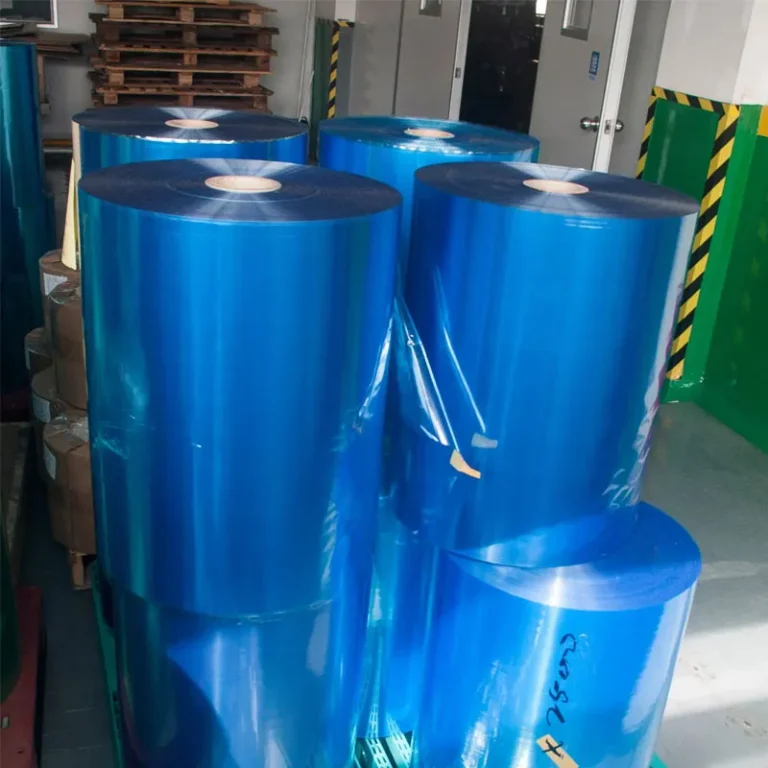
PVC furniture film is a thin decorative layer used to refresh cabinets, wardrobes, skirting boards and furniture surfaces. Homeowners and designers like it for cost-effective aesthetics and fast installation—but questions about environmental impact and indoor safety keep coming up. This guide breaks down the lifecycle, common concerns, and practical tips to choose and use PVC film with lower environmental and health risks.
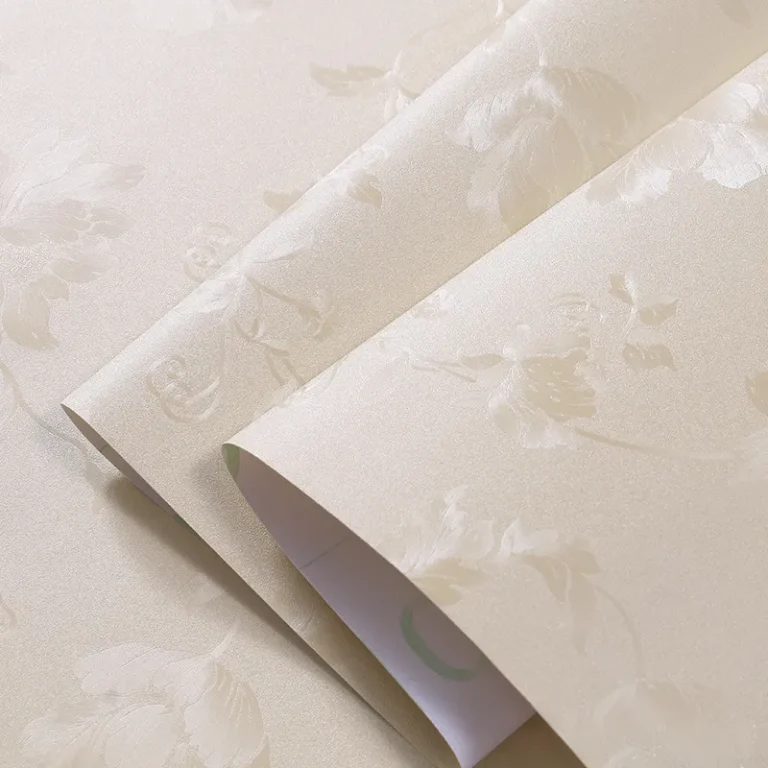
PVC furniture film (also called PVC decorative film or calendered film) is a polymer-based laminate applied to surfaces for color, texture or protection. It comes in glossy, matte, wood-grain, marble and textured finishes, often with self-adhesive or heat-activated backing. Typical uses at home include kitchen cabinet doors, wardrobe panels, skirting boards and low-cost renovation projects.
PVC film’s environmental footprint depends on raw materials, manufacturing processes, additives, product lifetime, and end-of-life handling. Below is a concise overview of key lifecycle stages and environmental considerations.
| Lifecycle Stage | Main Environmental / Health Issues | Mitigation or Benefit |
|---|---|---|
| Raw material & production | Fossil-fuel feedstock, chlorine chemistry, energy use, potential emissions (VOCs, HCl, dioxins if combusted improperly) | Cleaner plants, energy efficiency, controlled emissions, low-VOC formulations |
| Product use | Durability reduces replacement frequency; possible off-gassing of additives | Long service life = resource savings; choose certified low-VOC / phthalate-free films |
| End-of-life | Limited recycling streams; risk of incineration by uncontrolled burning, landfill persistence | Mechanical recycling, energy recovery in controlled facilities, take-back programs |
Some traditional PVC films include plasticizers (phthalates), stabilizers (lead or organotin in older formulations), and pigments. The main health concerns for homeowners are VOC emissions right after installation and long-term exposure to certain plasticizers if low-quality materials are used. Reputable manufacturers now provide phthalate-free, lead-free and low-VOC PVC films—look for third-party test reports.
VOCs: Volatile organic compounds may be emitted immediately after installation; proper ventilation reduces exposure. Phthalates: Some older films used phthalates to increase flexibility—modern safer alternatives exist. Heavy metals: Reputable suppliers avoid lead or harmful stabilizers and comply with regulations such as RoHS and REACH.
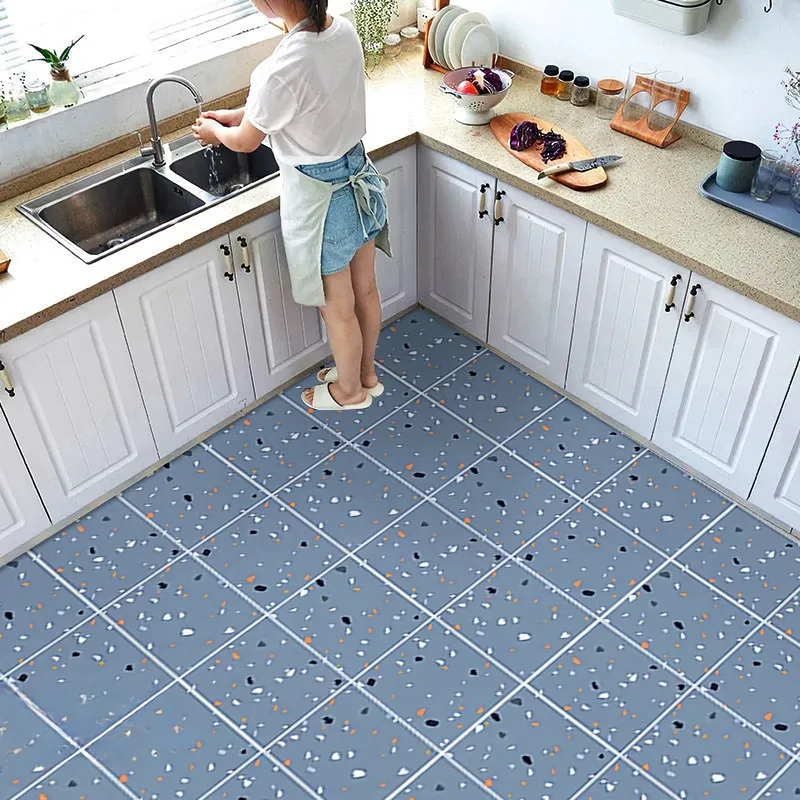
Short answer: It depends. PVC film can be a lower-impact choice when compared to full replacement furniture because it extends the life of existing surfaces, reduces material consumption, and lowers renovation waste. However, the environmental scorecard hinges on manufacturing quality, additives used, and end-of-life handling.
– If the film is phthalate-free and low-VOC certified.
– When applied to retain and refresh existing furniture instead of discarding and buying new items.
– When the supplier provides recycling or take-back options or the film is accepted by local mechanical recycling facilities.
– Cheap, untested films with unknown additives.
– Installation in very hot, poorly ventilated spaces where off-gassing can concentrate.
– Disposal by uncontrolled burning or mixed landfill without recovery options.
Selection: Request technical data sheets and VOC / phthalate testing certificates. Choose films labeled phthalate-free, low-VOC, and produced under controlled processes.
Installation: Install in well-ventilated conditions; avoid applying films near strong heat sources unless specified for high-temperature use.
Maintenance: Clean with mild detergents; avoid abrasive chemicals that may degrade protective layers and release particles.
End-of-life: Contact local waste management about mechanical PVC recycling or energy recovery options. When possible, separate adhesive backing and substrates before disposal to improve recycling potential.
| Criteria | PVC Furniture Film | Paint / Veneer / Replace |
|---|---|---|
| Material use & waste | Low (surface-only) | Higher (new materials, possible disposal) |
| Durability | High for daily wear; water/oil resistant options | Varies: paint chips, veneers may delaminate |
| Indoor emissions | Low if certified; initial VOCs possible | Paint can emit VOCs during and after application |
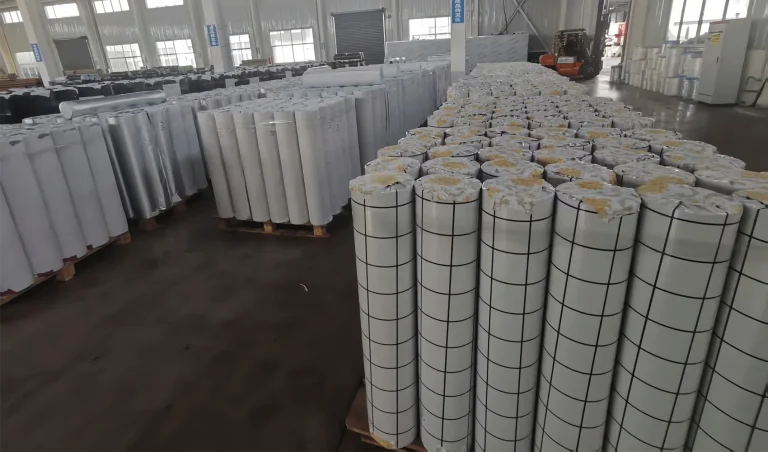
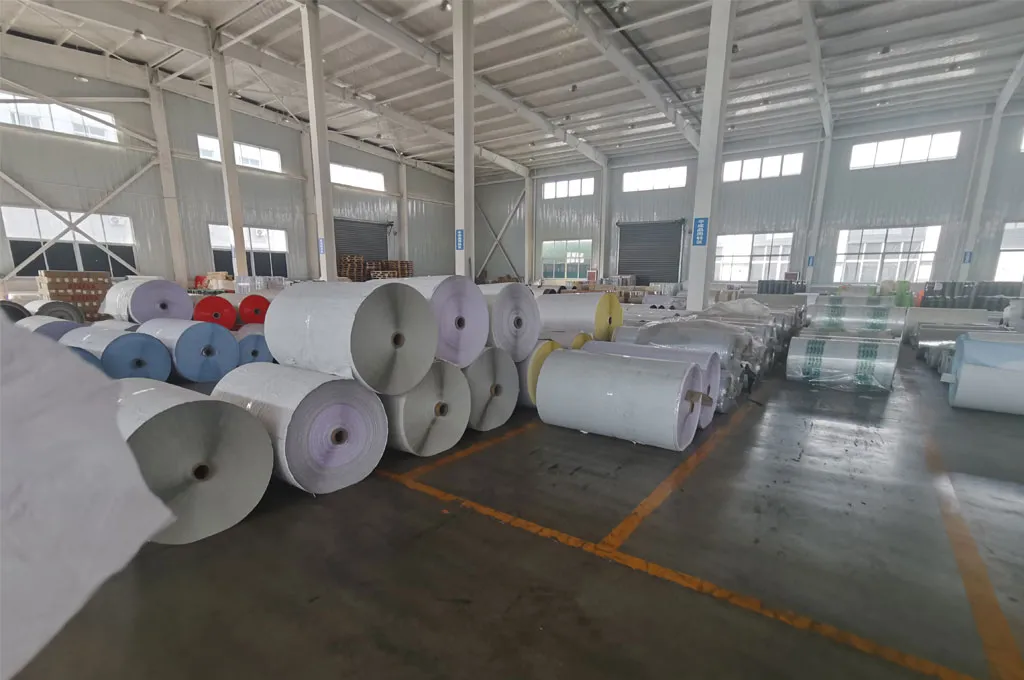
Look for manufacturers with transparent in-house production and QC systems. Pulivk offers full in-house production—calendering, printing and split-packaging lines—allowing tighter control over raw materials, consistent quality and faster lead times. Visit their website for product specs and testing information: pvcfilmtec.com
PVC furniture film can be a practical, resource-saving choice when you pick certified, responsibly made products and follow best practices for installation and disposal. Prioritize phthalate-free and low-VOC labels, verify test reports, ventilate during installation, and explore local recycling options to minimize environmental and indoor health impacts.