Address
304 North Cardinal St.
Dorchester Center, MA 02124
Work Hours
Monday to Friday: 7AM - 7PM
Weekend: 10AM - 5PM
Address
304 North Cardinal St.
Dorchester Center, MA 02124
Work Hours
Monday to Friday: 7AM - 7PM
Weekend: 10AM - 5PM


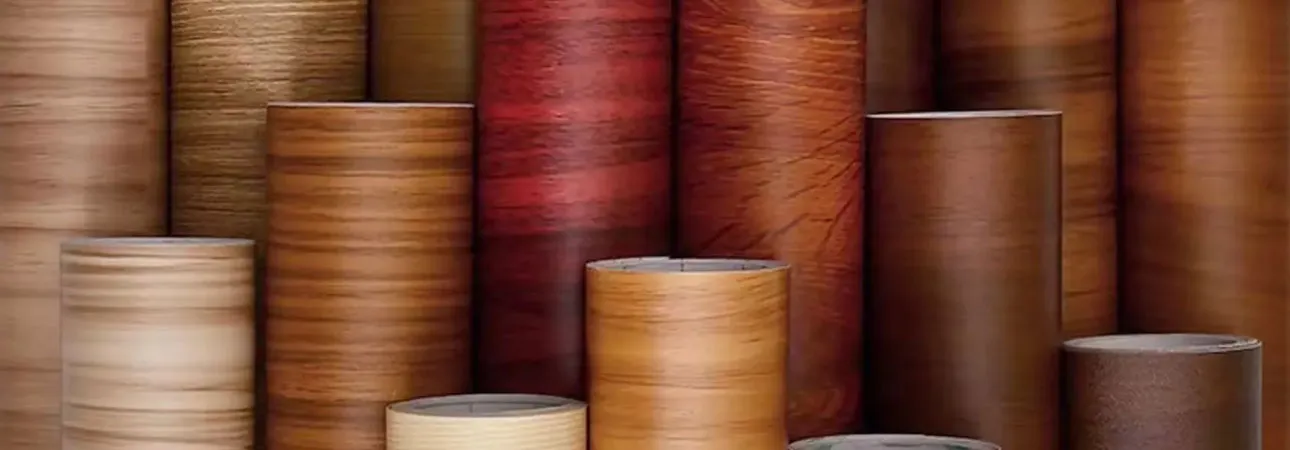
PVC glass decorative self-adhesive film is a versatile and transformative material that has revolutionized interior design and DIY home improvement. This thin, flexible sheet, backed with a pressure-sensitive adhesive, allows you to instantly update the look of glass surfaces—from windows and cabinet doors to shower screens and tabletops—without the mess, expense, or permanence of replacement. It offers a perfect blend of aesthetic appeal, functionality, and ease of application, making it a favorite among homeowners, renters, and professional decorators alike.
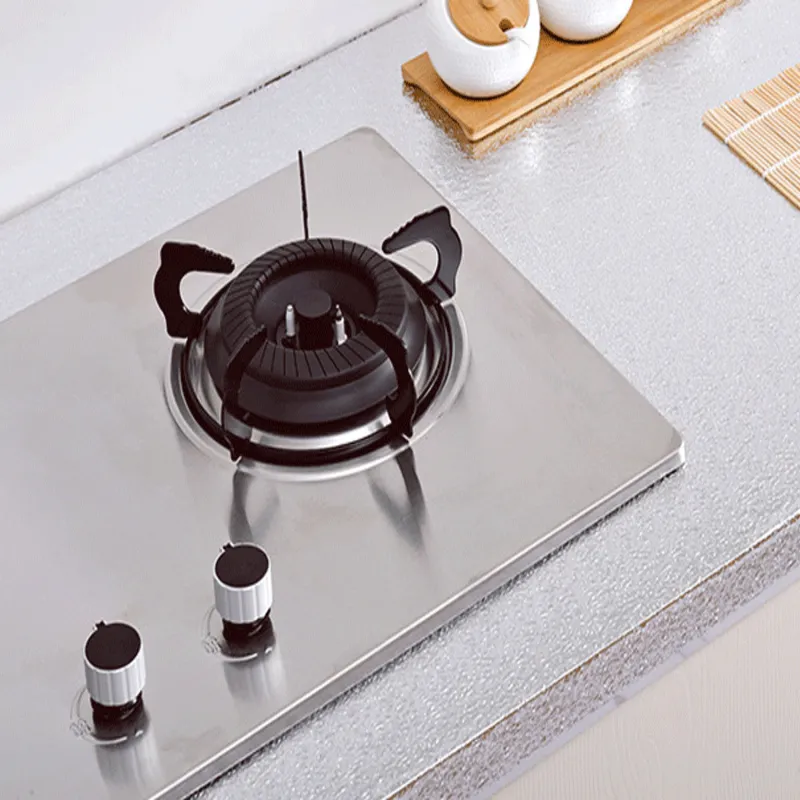
At its core, this film is a high-quality polyvinyl chloride (PVC) layer, often with a decorative print or texture, laminated to a clear adhesive backing protected by a release liner. When the liner is peeled away, the film can be applied directly to clean, smooth glass. It’s designed to be temporary or semi-permanent, allowing for removal (often without residue) when you’re ready for a new look. Unlike traditional window films that are solely for privacy or solar control, decorative films prioritize style, offering patterns ranging from elegant frosted looks and intricate stained-glass designs to modern geometric patterns and realistic textures like marble or wood grain.
✔ Self-Adhesive: Easy to apply with no need for additional glue or tools.
✔ Removable & Repositionable: Many films allow for adjustment during application and clean removal.
✔ Decorative & Functional: Enhances privacy, diffuses light, and protects against minor scratches.
✔ Durable: Resistant to moisture, humidity, and fading from UV exposure.
The application of this film is limited only by your imagination and the presence of a glass surface. Here are some of the most common and creative uses:
In bathrooms, frosted or patterned films provide instant privacy for shower enclosures and windows while still allowing light to filter through. On entryway or partition glass doors, they add style and prevent accidental collisions. For kitchen cabinets with glass inserts, a decorative film can coordinate with your backsplash or kitchen flooring for a cohesive look.
Offices use frosted films on conference room glass to create a professional, private environment. Retail stores apply decorative films to storefront windows for branding, seasonal promotions, or to create an intriguing visual display that draws customers in.
Beyond standard windows, the film can be used to create custom photo frames on glass, decorate glass tabletops, update outdated glass light fixtures, or even create unique wall art when applied to glass panels mounted on a wall.
Understanding the variety available is key to choosing the right film for your project. The types are primarily defined by their visual effect and texture.
Frosted & Etched Glass Films: These provide a classic, translucent look that obscures views while transmitting soft light. Perfect for bathrooms and office privacy.
Stained & Tiffany Style Films: Mimic the look of colored, leaded glass with vibrant patterns and designs, adding a touch of artistry and color.
Patterned & Geometric Films: Feature repeating patterns like dots, lines, leaves, or abstract shapes. They add a modern, decorative element without completely blocking the view.
Textured & Imitation Films: These films replicate the appearance of other materials. This includes realistic 3D textures, stone, fabric, or metal finishes applied over glass.
Static Cling Films: A subtype that adheres through static electricity, not permanent adhesive. They are completely removable and reusable, ideal for temporary decorations or renters.
Safety & Security Films: While less common in purely decorative lines, some thicker films hold glass together if shattered, adding a layer of protection.
Solar Control Films: Some decorative films also incorporate tints or metallic layers to reduce glare and block a portion of UV rays, protecting interiors from sun damage.
For a kitchen backsplash behind a glass panel, choose a film that is easy to clean and grease-resistant. In a child’s room, consider bright, playful patterns or static cling options for easy updates. For a home office, a subtle frosted or geometric pattern helps minimize distractions while maintaining an airy feel.
Selecting the perfect PVC glass decorative film involves more than just picking a pretty pattern. Follow this guide to ensure a successful purchase and application.
Accurately measure the height and width of your glass surface. It’s advisable to add an extra inch (2.5 cm) on all sides to allow for trimming and slight misalignment during application. Decide if you want the film to cover the entire pane or be inset like a picture frame.
Refer to the types listed above. Consider the primary goal: Is it privacy, decoration, light diffusion, or a combination? For exterior windows, ensure the film is rated for UV resistance to prevent fading. For textured glass, a thicker, more flexible film may conform better to the surface.
Look for films described as “bubble-free” with a micro-suction or repositionable adhesive, which forgives application errors. Check if it’s “removable without residue,” especially for rental properties. High-quality films from reputable manufacturers like Pulivk Film use durable, phthalate-free PVC and eco-friendly inks, ensuring they are safe for indoor use and more environmentally responsible.
Most rolls come with basic application tools: a squeegee and a utility knife. You will also need a spray bottle with a soapy water solution (a few drops of dish soap in water), a lint-free cloth, and a ruler or tape measure. The soapy water is crucial—it allows you to slide the film into perfect position before squeegeeing out the liquid and activating the adhesive.
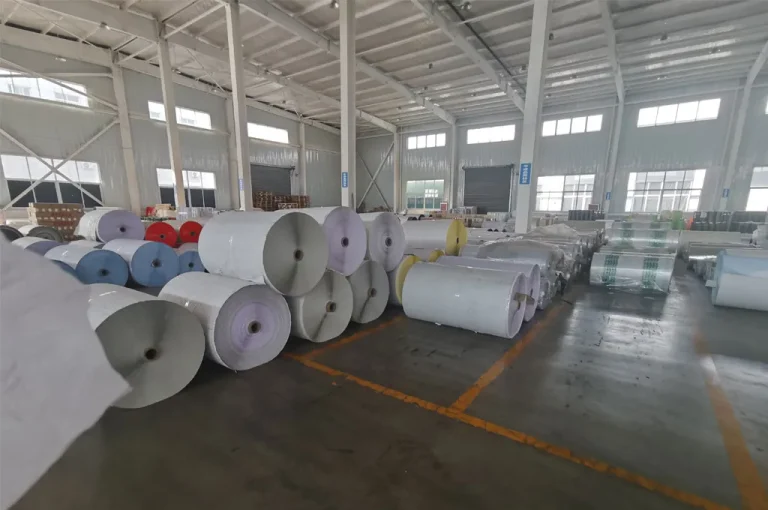
Whether buying from a local hardware store or an online specialist, consider the supplier’s reputation. Do they offer sample swatches? Is their product information clear? For large or commercial projects, working directly with a manufacturer can provide benefits like custom sizing, specific color matching, and bulk pricing. Manufacturers with full in-house production, from calendering to printing and slitting, often offer better consistency and flexibility.
Yes, but with caution. It adheres best to perfectly smooth, non-porous surfaces. It can work on finished wood (like laminate cabinets), metal, or some plastics, but adhesion and longevity may vary. Always test a small area first. For other surfaces like walls or skirting boards, specific products like PVC skirting film or solid color wallpaper are more appropriate.
Not if you use the “wet application” method. Spraying the soapy solution on both the glass and the adhesive side of the film gives you a “sliding window” to position the film perfectly. Using a squeegee from the center outward systematically pushes out the liquid and air bubbles. Patience and working in a dust-free environment are key.
Start by lifting a corner with a razor blade or plastic scraper. Peel slowly at a low angle. If the adhesive is stubborn, applying heat from a hairdryer to the film as you peel can soften the glue. Any remaining adhesive residue can usually be cleaned off with rubbing alcohol, adhesive remover, or a mixture of warm soapy water.
High-quality removable films are designed not to damage the glass or leave adhesive residue upon removal, especially if removed within the timeframe specified by the manufacturer (often several years). However, films left on for extremely long periods or those exposed to intense heat may be more challenging to remove cleanly.
Wait at least 2-3 weeks after application to allow the adhesive to fully cure. Then, clean as you would normal glass: use a soft cloth or sponge with a mild, non-abrasive glass cleaner or soapy water. Avoid abrasive scrubbers, harsh chemicals like ammonia or acetone, and high-pressure water jets, as these can damage the film’s surface.