Address
304 North Cardinal St.
Dorchester Center, MA 02124
Work Hours
Monday to Friday: 7AM - 7PM
Weekend: 10AM - 5PM
Address
304 North Cardinal St.
Dorchester Center, MA 02124
Work Hours
Monday to Friday: 7AM - 7PM
Weekend: 10AM - 5PM



Understanding environmental grades for PVC film helps buyers, specifiers, and manufacturers choose materials that meet performance needs while reducing health and ecological risks. This guide breaks down practical classification tiers, key certifications, testing methods, and selection tips so you can specify PVC film with confidence.
PVC film environmental grades are not a single standard but a spectrum based on raw materials, additives, production controls, and end-of-life behavior. Grades typically range from conventional PVC (using legacy stabilizers and plasticizers) to advanced circular products (high post-consumer recycled content, low emissions, and third-party verification).
| Grade | Key Features | Best Use Cases |
|---|---|---|
| Basic | Standard PVC with conventional stabilizers and plasticizers | Cost-sensitive indoor decorative films, temporary protective films |
| Improved | Lead-free stabilizers (Ca/Zn), reduced hazardous additives | Furniture wraps, laminate overlays |
| Low-Impact | Phthalate-free plasticizers, low-VOC processing | Indoor applications requiring low emissions (offices, schools) |
| Circular / Verified | High PCR content, third-party ecolabels or chain-of-custody, designed for recycling | Sustainable building projects, private-label eco collections |
Regulatory and lab-based checks are the most reliable way to verify environmental claims:
When evaluating a supplier or product data sheet, request the following:
Match material choice to the project and end-user expectations:
PVC can be recycled mechanically when sorted and cleaned properly; however, additives and multilayer constructions complicate recycling. To improve end-of-life outcomes:
| Requirement | What to Ask For |
|---|---|
| Restricted Substances | RoHS/REACH test reports and specific phthalate screening |
| Emission Performance | VOC testing or GREENGUARD / equivalent |
| Recyclability | PCR content details and recycling pathway |
| Traceability | SDS, mill certificates, and supply-chain documentation |
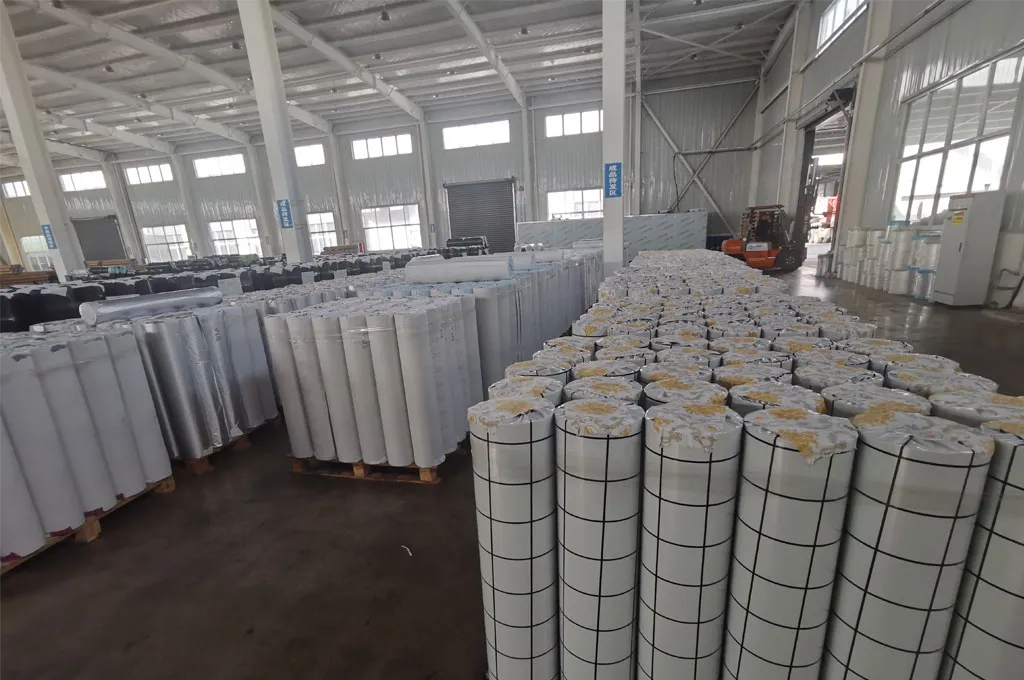
For a manufacturing partner that controls the full production chain—from raw material processing to printing and split-packaging—Pulivk offers options across several environmental grades and can provide detailed QC and test documentation on request. Visit https://pvcfilmtec.com/ to request samples and spec sheets tailored to your application.