Address
304 North Cardinal St.
Dorchester Center, MA 02124
Work Hours
Monday to Friday: 7AM - 7PM
Weekend: 10AM - 5PM
Address
304 North Cardinal St.
Dorchester Center, MA 02124
Work Hours
Monday to Friday: 7AM - 7PM
Weekend: 10AM - 5PM


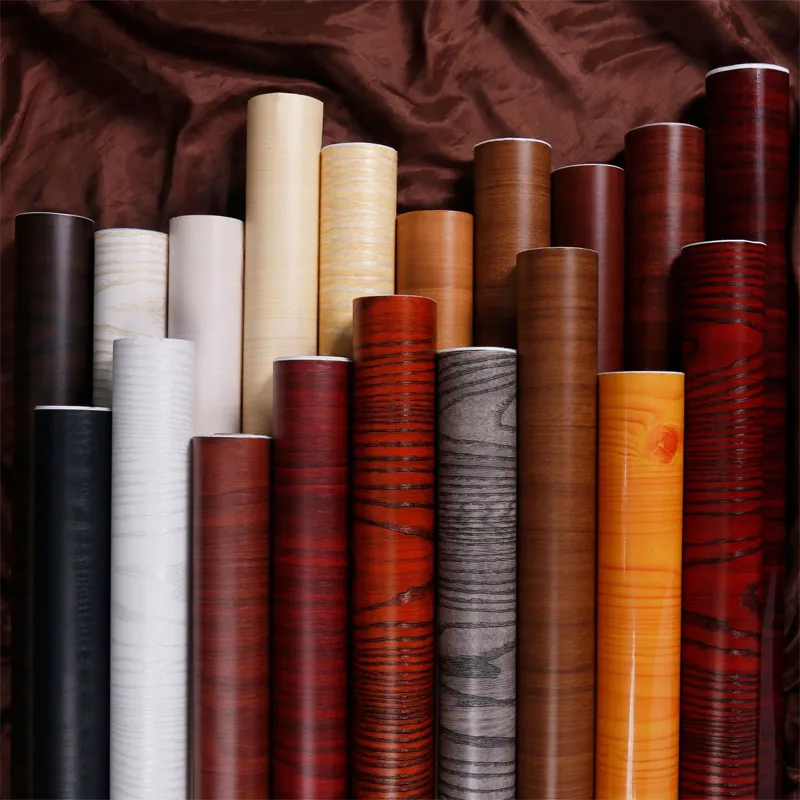
PVC lamination film is a versatile and durable material that has become indispensable across numerous industries. From enhancing the aesthetic appeal of furniture to providing protective layers in demanding industrial environments, its applications are vast and varied. This article delves into the different types of PVC films, their primary uses, and the custom solutions available to meet specific project requirements.
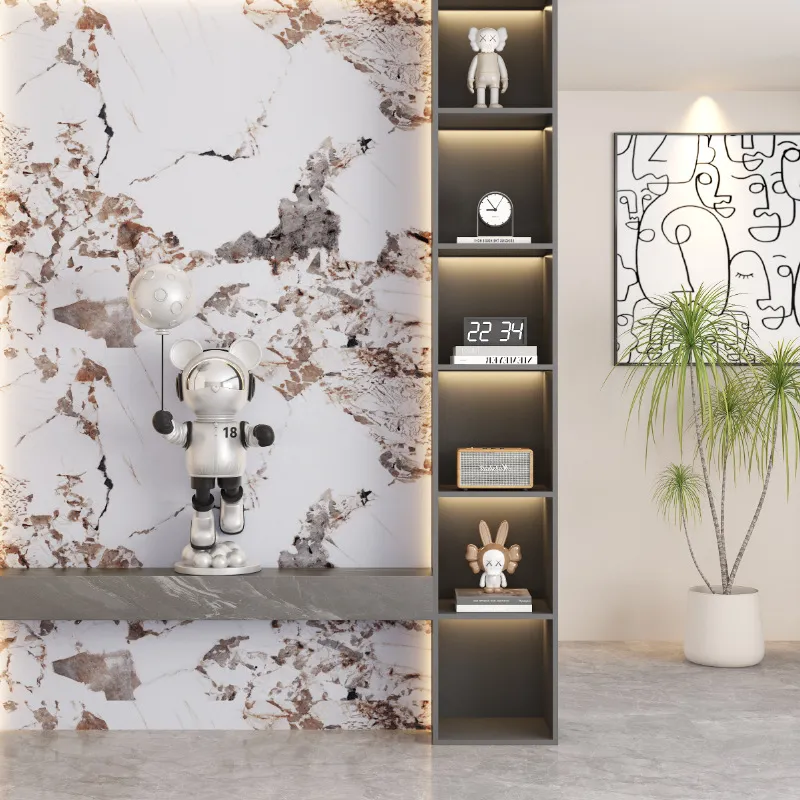
At its core, PVC (Polyvinyl Chloride) film is a thin, flexible sheet manufactured through processes like calendering. It is prized for its durability, water resistance, ease of maintenance, and ability to mimic more expensive materials like wood, stone, and metal. Modern advancements have also led to the development of eco-friendly formulations that are low in VOCs and free from harmful substances like heavy metals and phthalates, making them safe for interior applications.
The quality of PVC film is largely determined by its production. Calendered film is produced by pressing heated PVC compound between a series of rollers, resulting in a sheet with consistent thickness and a smooth or textured surface. This method allows for high-volume production and excellent dimensional stability. Manufacturers with in-house capabilities for the entire process—from raw material mixing to printing and slitting—can ensure superior quality control, shorter lead times, and significant cost advantages.
Key Takeaway: Full-process control from calendering to final packaging is a hallmark of a reliable PVC film supplier, guaranteeing product consistency and enabling efficient customization.
The market offers a diverse range of PVC films, each designed for specific functions and finishes. Understanding these types is crucial for selecting the right material for your application.
Films are often engineered with their end-use in mind. For instance, films for flooring applications have high abrasion resistance, while films for kitchen cabinets may feature easy-clean or anti-fingerprint surfaces. Wardrobe and furniture films focus on scratch resistance and realistic textures.
PVC lamination film’s adaptability makes it a key material in transforming surfaces across sectors.
This is one of the largest application areas. PVC films are laminated onto particleboard, MDF, or plywood to create kitchen cabinets, wardrobes, office furniture, and shelving. They offer an endless array of colors, patterns (like wood grain or solid colors), and finishes (high-gloss, matte, soft-touch), allowing for modern, cost-effective designs without compromising on durability or ease of cleaning.
In construction and renovation, PVC films are used as wall coverings, ceiling panels, door skins, and window frame wraps. They provide a quick and clean alternative to painting or installing heavy materials. Solid color films offer a minimalist look, while textured films can create feature walls. They are also used for skirting boards and decorative trims.
✔ Cost-Effective: Replicates high-end materials like wood and stone affordably.
✔ Durable & Low-Maintenance: Resistant to moisture, stains, and scratches; easy to wipe clean.
✔ Design Flexibility: Available in countless colors, patterns, textures, and finishes.
✔ Lightweight: Easier to handle and install compared to many solid materials.
Off-the-shelf products don’t always fit unique project specifications. This is where custom PVC film solutions become critical. Leading manufacturers offer comprehensive OEM/ODM services.
This level of customization is essential for brands looking to differentiate their products or for projects with very specific technical or regulatory requirements.
Working with a supplier like Pulivk Film typically involves consultation, sample development, approval, and then production. A partner with strong R&D and full in-house production control can navigate this process efficiently, ensuring the final product perfectly matches the client’s vision while maintaining quality and meeting delivery deadlines.
PVC film is generally more flexible, moisture-resistant, and cost-effective than alternatives like real wood veneers or high-pressure laminates (HPL). It allows for seamless wrapping of edges and complex shapes, offers a wider variety of realistic textures, and is often easier and faster to install.
Yes, many PVC films are specifically designed for wet environments. It is crucial to select films with appropriate water-resistant properties and ensure they are properly installed with sealed edges. Films used for kitchen splashbacks or cabinets often have added grease resistance.
Film thickness is measured in microns (µm) or mils. Thinner films (80-150 µm) are suitable for flat surfaces and lightweight applications. Thicker films (200-500 µm) offer better durability, deeper embossing, and are preferred for surfaces prone to impact or abrasion, like flooring or high-traffic furniture. Your supplier can advise based on the application.
MOQs vary by supplier and the complexity of the customization. While large-scale production runs are most cost-effective, many reputable suppliers offer flexible MOQs for custom colors or patterns, sometimes allowing trial orders to test the product before committing to large volumes. It’s always best to discuss your needs directly.
Most decorative PVC films come with a pressure-sensitive adhesive backing for easy application. The surface must be clean, smooth, dry, and primed if necessary. The film is then carefully applied using a squeegee to remove air bubbles. For non-adhesive films, professional installation using specialized laminating adhesives and equipment is required.