Address
304 North Cardinal St.
Dorchester Center, MA 02124
Work Hours
Monday to Friday: 7AM - 7PM
Weekend: 10AM - 5PM
Address
304 North Cardinal St.
Dorchester Center, MA 02124
Work Hours
Monday to Friday: 7AM - 7PM
Weekend: 10AM - 5PM


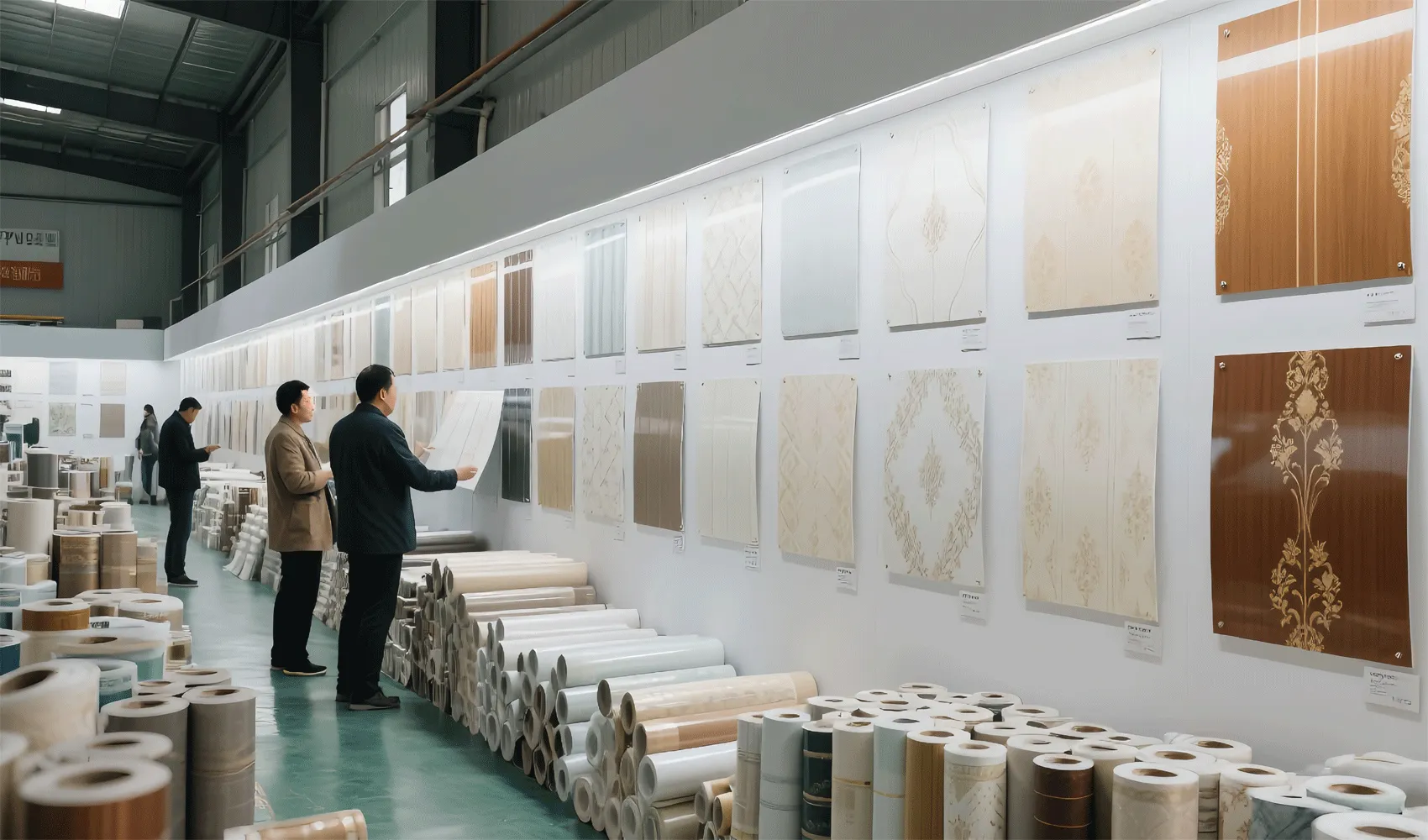
Custom PVC membrane solutions transform standard films into high-performance, brand-ready materials for flooring, furniture wraps, kitchen and bathroom protection, and industrial packaging. This guide explains the end-to-end customization process, key technical choices, quality checkpoints, and practical tips to accelerate time-to-market while controlling costs.
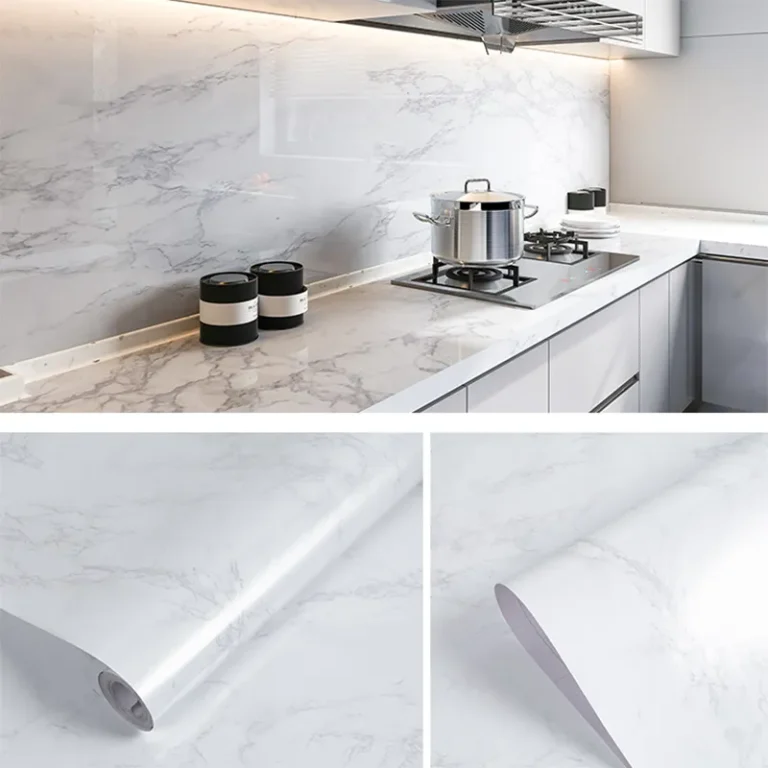
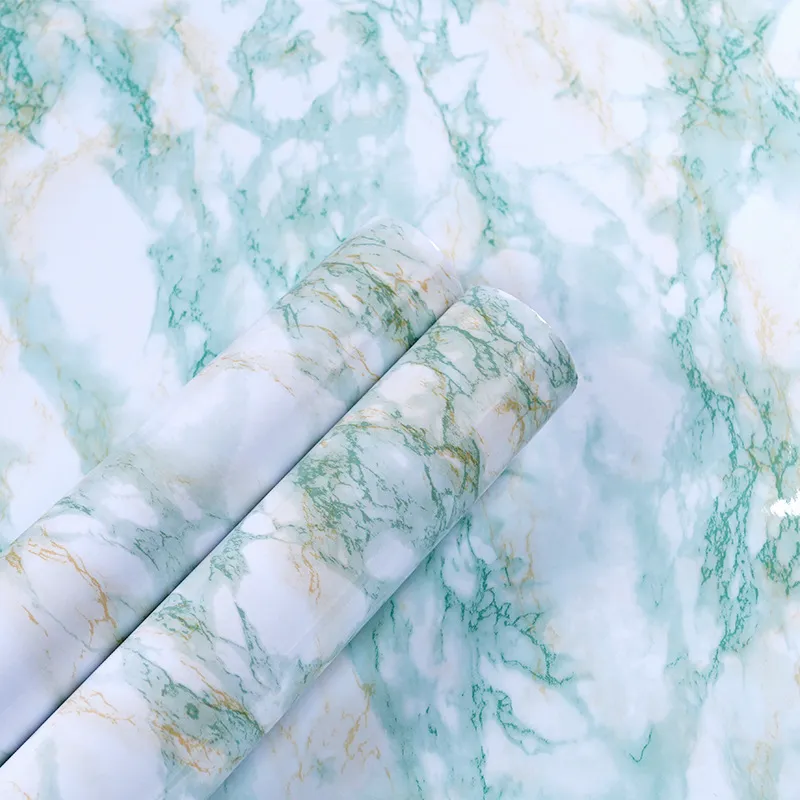
Custom PVC membranes let manufacturers and designers tailor appearance, durability, and functionality. Whether you need marble-like finishes, wood grain textures, anti-scratch coatings, or special adhesive backings, a customized film delivers a consistent look across large runs and improves installation performance for end users.
Cost efficiency: Source-level process control reduces raw-material waste and lowers overall unit cost. Brand differentiation: Unique prints, colors, and surface effects boost product value. Reliable timelines: Streamlined in-house production shortens lead times for repeat orders.
Select between single-layer calendered film, multi-layer composite films, or cloth-based laminated structures depending on tensile strength, flexibility, and surface finish requirements. Additives (UV stabilizers, plasticizers, antistatic agents) are chosen to match application environments.
Options include glossy, matte, brushed, 3D relief, wood grain, and marble effects. The embossing and coating steps define tactile feel and scratch resistance—important for furniture wrap and flooring films.
Digital and gravure printing enable high-resolution patterns and repeatable color control. Functional coatings like oil-proof, anti-slip, or antibacterial finishes can be applied before split-packaging.
Step 1: Specification & Sample Approval — Define thickness, width, texture, print file, and packaging. Approve physical samples to avoid surprises later.
Step 2: Raw Material Preparation — Resin blending and additive dosing according to the spec. Quality checks verify material batch properties.
Step 3: Calendering & Film Forming — Precision calendering sets thickness and basic surface finish; multi-layer films are combined for performance.
Step 4: Printing & Embossing — High-precision printing ensures color fidelity; embossing creates surface textures.
Step 5: Coating & Functionalization — Add protective or performance coatings based on end-use (e.g., oil-proof, anti-scratch).
Step 6: Slitting & Split-Packaging — Full rolls can be cut to custom lengths, individually wrapped and labeled for easy warehouse handling or direct shipment.
QC should run at raw material receipt, after calendering (thickness & gloss), post-print (color & registration), post-coating (adhesion & performance), and at final packaging.
| Specification | Common Range | Notes |
|---|---|---|
| Thickness | 0.05 mm – 1.5 mm | Choose by durability and flexibility needs |
| Width | 300 mm – 1600 mm | Custom slitting available |
| Finish | Glossy / Matte / Embossed | Surface treatments for scratch resistance |
| MOQ | Negotiable — sample runs feasible | Split-packaging reduces inventory burdens |
| Lead Time | 2–6 weeks typical | Depends on order size and coating complexity |
Split-packaging, individual roll wrapping, and clear labeling minimize damage and speed downstream handling. Consider palletized shipments with moisture-proof layers for long overseas transit.
Provide high-resolution print files, color references (Pantone or physical samples), and clear tolerance ranges for thickness and gloss. Early sample approvals reduce iteration cycles.
Typical sample production ranges from 3–10 business days depending on print complexity and coating requirements.
Yes. Pulivk supports flexible OEM services: tailored specs, packaging, and labeling to bring your brand to market with consistent quality and reliable deliveries.
Common tests include abrasion resistance, peel/adhesion tests, UV exposure, and chemical resistance checks when required by the application.
Confirm target finish, weight/thickness, print files, coating needs, packaging style, and acceptable lead time before locking the order. Clear specs speed production, reduce rework, and improve cost predictability.