Address
304 North Cardinal St.
Dorchester Center, MA 02124
Work Hours
Monday to Friday: 7AM - 7PM
Weekend: 10AM - 5PM
Address
304 North Cardinal St.
Dorchester Center, MA 02124
Work Hours
Monday to Friday: 7AM - 7PM
Weekend: 10AM - 5PM

 ByPulivk
Polyvinyl chloride (PVC) plastic film is one of the most versatile and widely used polymer materials across global industries. Whether referred to as film plastico in pvc in international trade or simply PVC sheeting, this material offers an unmatched balance of performance, aesthetics, and cost-efficiency. Understanding its types, applications, and selection criteria is essential for importers, distributors, and manufacturers seeking reliable material solutions.
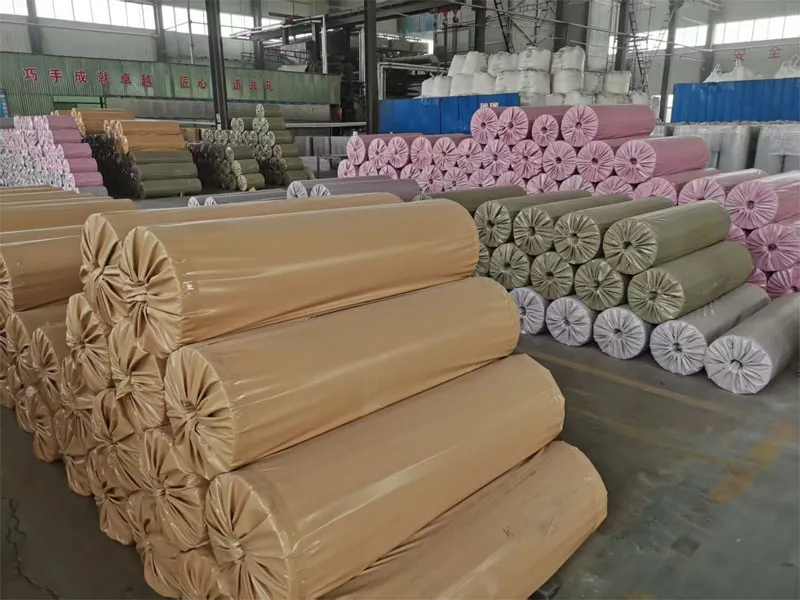
PVC film is manufactured through calendering or extrusion processes, resulting in thin, flexible sheets with customizable properties. Its inherent durability, chemical resistance, and adaptability make it suitable for both decorative and functional applications. Modern formulations also address environmental concerns, offering phthalate-free and lead-free options that comply with EU PVC chemical restrictions and international standards.
The classification of PVC film depends on formulation, surface treatment, and intended use. Below are the primary categories available in today’s market, each engineered for specific performance requirements.
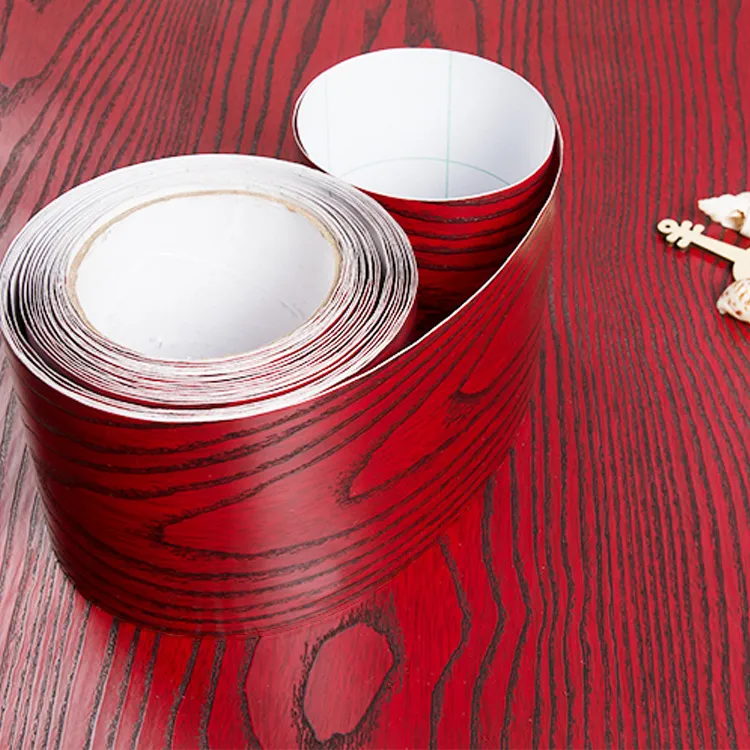
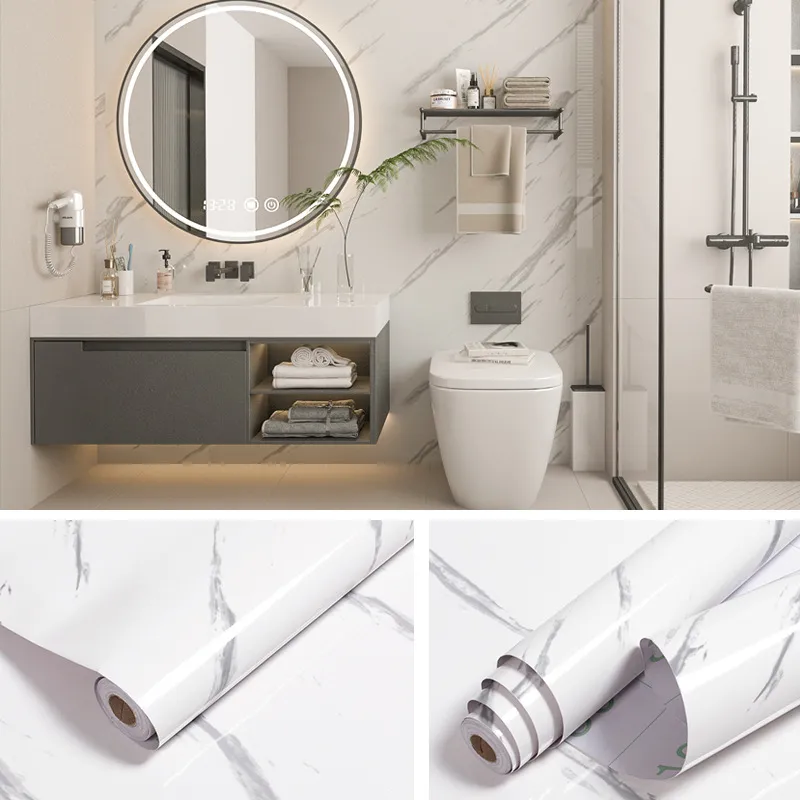
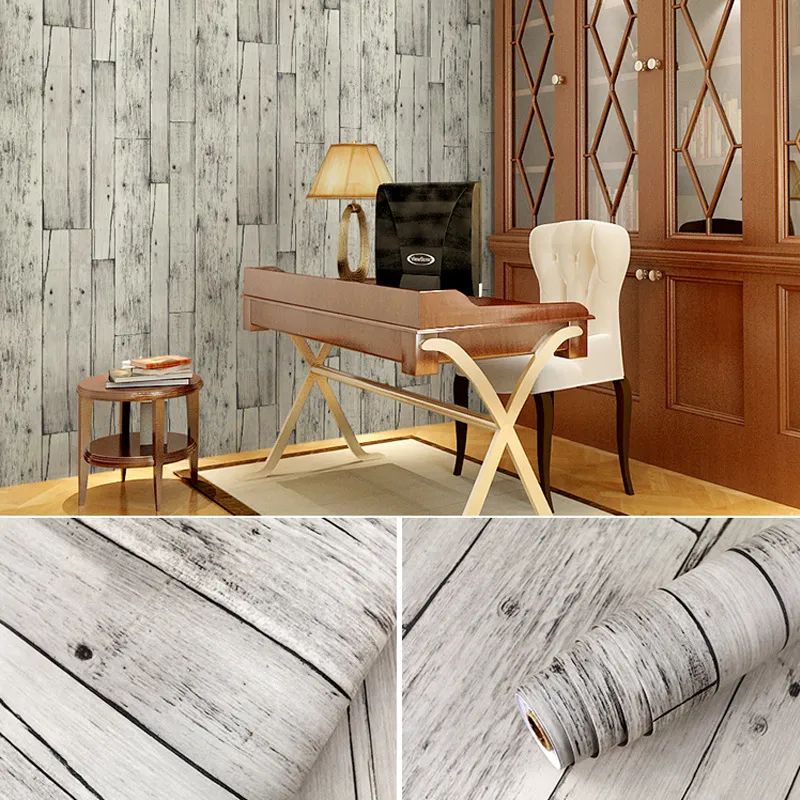
This category encompasses high-aesthetic films designed for surface lamination. Common variants include wood grain film, marble film, solid color film, and 3D texture film. These films are widely used in furniture manufacturing, interior door panels, and wall paneling. The surface can be glossy, matte, or embossed, offering design flexibility for modern interiors.
Calendered film is produced through a high-temperature rolling process, resulting in uniform thickness and excellent clarity. Sub-types include transparent film, frosted film, pearlescent film, antistatic film, and self-adhesive film. These are commonly used in packaging, stationery, advertising lightboxes, and protective coverings.
Engineered for specific performance attributes, functional films include anti-scratch film, UV-resistant film, anti-fog film, and antibacterial film. These specialized products serve demanding sectors such as medical cleanrooms, electronics manufacturing, and food packaging where material integrity is critical.
| Film Type | Key Features | Typical Applications |
|---|---|---|
| Decorative Film | Wood grain, marble, solid color patterns; matte/gloss finish | Furniture, doors, wall panels |
| Calendered Film | High clarity, uniform gauge, customizable surface | Packaging, printing, stationery |
| Floor Film | Wear-resistant, slip-resistant, waterproof | Floor film for residential and commercial spaces |
| 3D Texture Film | Embossed depth, silk texture, tactile finish | Premium furniture, decorative panels |
| Anti-Static Film | Static dissipation, dust repellent | Electronics packaging, cleanrooms |
The adaptability of PVC film allows it to serve multiple sectors simultaneously. Its ability to mimic natural materials like wood and stone while offering superior durability makes it a preferred choice for architects, interior designers, and product manufacturers worldwide.
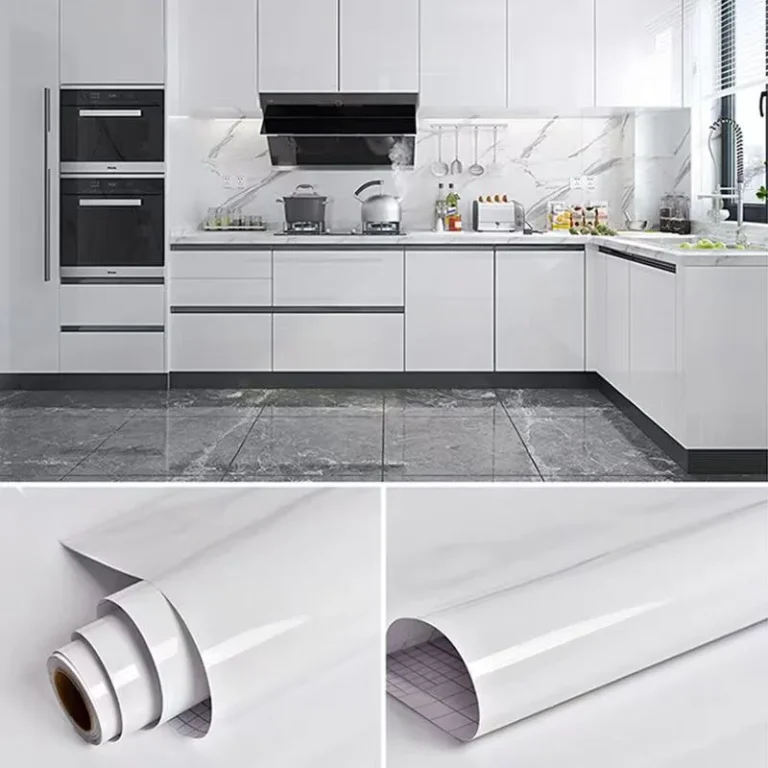
PVC decorative films are extensively used for laminating MDF, particleboard, and plywood surfaces. The glossy wardrobe film and marble film categories provide luxurious finishes for wardrobes, cabinets, and tabletops without the cost of real materials.
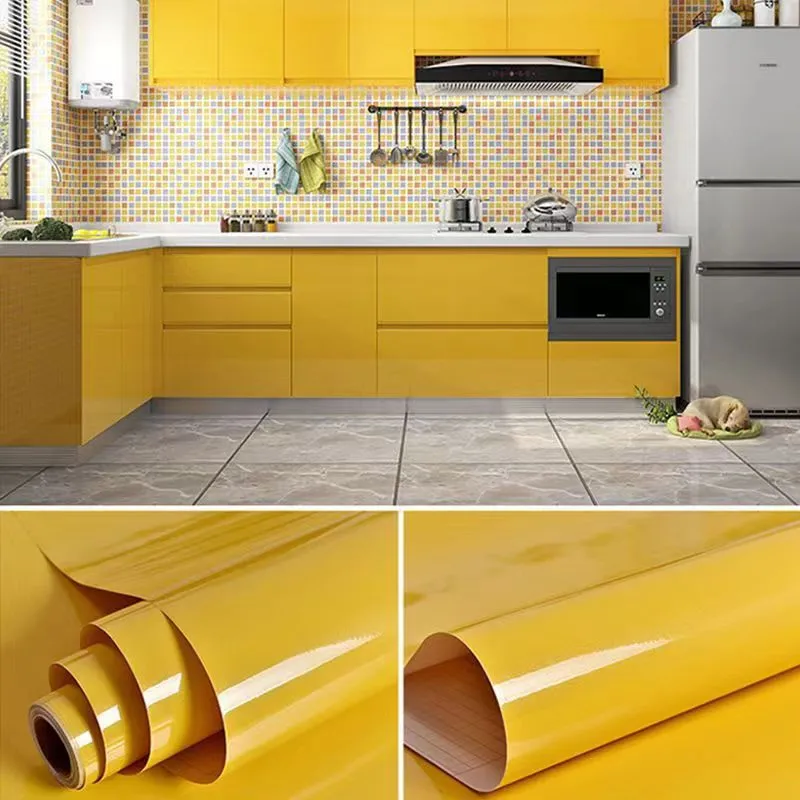
Wall decorative films, ceiling panels, and PVC skirting film offer waterproof, easy-to-clean surfaces for both residential and commercial buildings. Stone pattern films provide authentic aesthetics while maintaining lightweight properties essential for modern construction.
PVC floor films and vinyl flooring products deliver high traffic resistance, waterproof performance, and easy maintenance. They are available in wood, stone, and abstract patterns, suitable for kitchens, bathrooms, and commercial spaces where durability is paramount.
Transparent calendered films serve the food, pharmaceutical, and consumer goods sectors for blister packaging and wrapping. Antistatic and protective films safeguard electronic components during manufacturing and transit.
Choosing the appropriate PVC film requires careful evaluation of several factors. A systematic approach ensures optimal performance, cost efficiency, and end-user satisfaction.
Identify the base material—MDF, plywood, glass, metal, or plastic—and determine whether cold lamination or hot press application will be used. This directly influences the required film thickness, adhesive compatibility, and surface treatment.
PVC films typically range from 0.03 mm to 0.50 mm in thickness, with widths up to 1,500 mm. Thinner gauges suit packaging and light-duty applications, while thicker films provide enhanced durability for furniture and flooring. Custom slitting is available to match specific roll dimensions, reducing material waste.
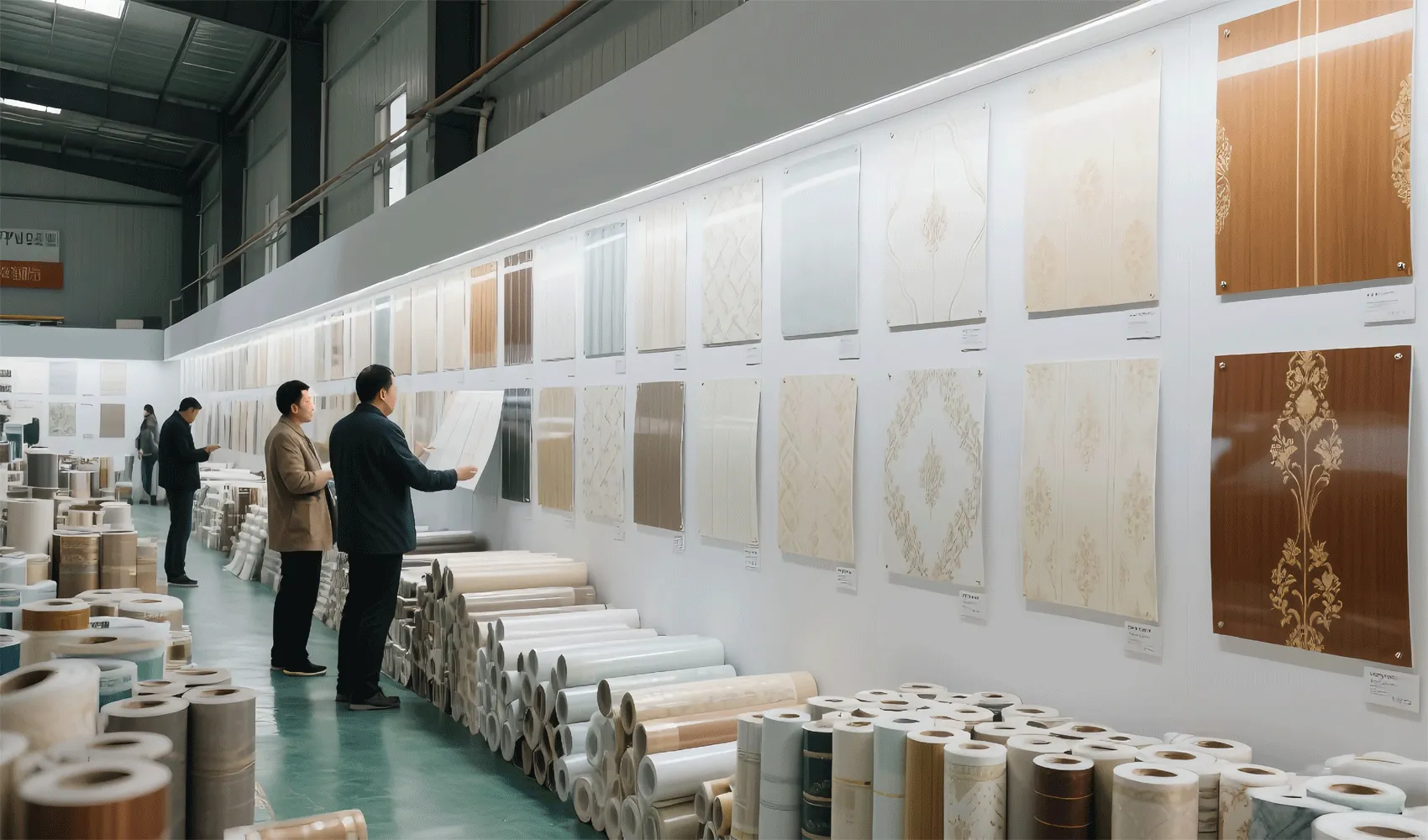
Choose from matte, glossy, soft-touch, embossed, brushed metal, or 3D relief textures. Color matching can be based on Pantone references, physical samples, or design specifications. Requesting A4-sized samples before bulk ordering is a standard industry practice to verify visual alignment.
For outdoor applications, select films with UV inhibitors to prevent yellowing and brittleness. For medical or food-contact uses, confirm compliance with relevant FDA phthalate guidelines and ISO standards. Anti-static, anti-fog, or antibacterial properties should be specified during the inquiry stage to ensure the correct formulation is provided.
Partnering with a manufacturer that controls the entire production chain—from raw material processing to calendering, printing, and split packaging—offers significant advantages. Look for suppliers with integrated production lines, optical inspection systems, and documented quality checkpoints. Henan Pulivk New Materials Co., Ltd. operates advanced calendering, printing, and split-packaging lines under one roof, ensuring stable quality and shorter lead times for global buyers.
International buyers must navigate a complex landscape of material regulations. Understanding these standards helps avoid compliance risks and ensures smooth customs clearance. Key frameworks include the PVC circular economy initiatives promoted by VinylPlus, which emphasize recyclability and sustainable production. Additionally, ASTM D1593 and ISO 527-3 provide standardized testing methods for film plastico in pvc mechanical properties, while REACH and RoHS govern chemical safety in European markets.
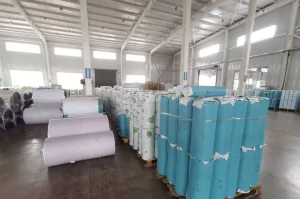
Proper packaging is essential to protect PVC film during international transit. Full rolls can be cut into smaller, fixed-length rolls based on customer specifications. Each roll is individually wrapped in dust-proof PE film or kraft paper, clearly labeled with product details, and packed in cartons or pallets. For bulk orders, sea freight is the most economical option, while air freight accommodates urgent requirements. Working with a supplier that has established export experience to Southeast Asia, the Middle East, Europe, and beyond minimizes logistical friction.
Leading manufacturers offer comprehensive OEM and ODM services, allowing distributors and brands to bring customized products to market. Capabilities typically include custom color matching, logo printing, private label packaging, and development based on customer-provided drawings or samples. This flexibility enables businesses to differentiate their product lines while benefiting from the manufacturer’s production expertise and quality systems.
Selecting the right film plastico in pvc supplier involves evaluating product range, technical support, compliance documentation, and supply chain reliability. By prioritizing manufacturers with integrated production, responsive communication, and proven export track records, buyers can secure consistent quality and competitive advantage in their respective markets.