Address
304 North Cardinal St.
Dorchester Center, MA 02124
Work Hours
Monday to Friday: 7AM - 7PM
Weekend: 10AM - 5PM
Address
304 North Cardinal St.
Dorchester Center, MA 02124
Work Hours
Monday to Friday: 7AM - 7PM
Weekend: 10AM - 5PM

 ByPulivk
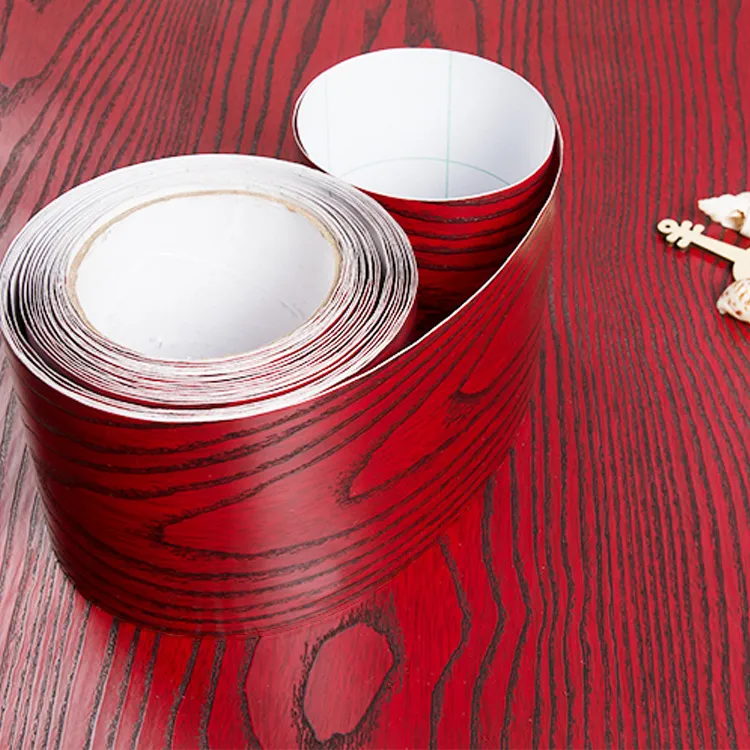
PVC laminated film has become an essential material across multiple industries, offering a unique combination of durability, versatility, and aesthetic appeal. Whether you are in furniture manufacturing, construction, or product packaging, understanding the benefits and selection criteria of PVC laminated film can significantly impact your project outcomes and cost efficiency.
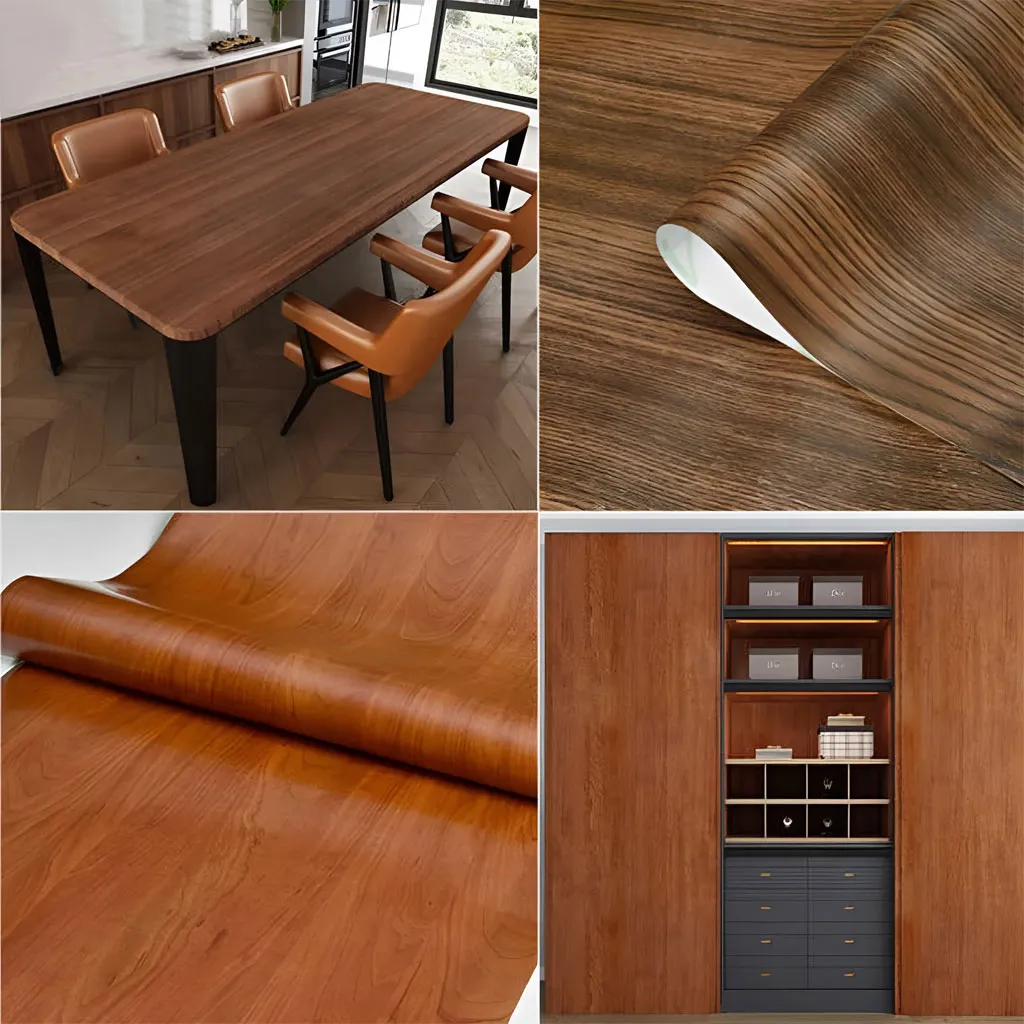
When evaluating surface materials, PVC laminated film stands out for several compelling reasons. Its widespread adoption across global markets reflects the material’s practical advantages and economic value.
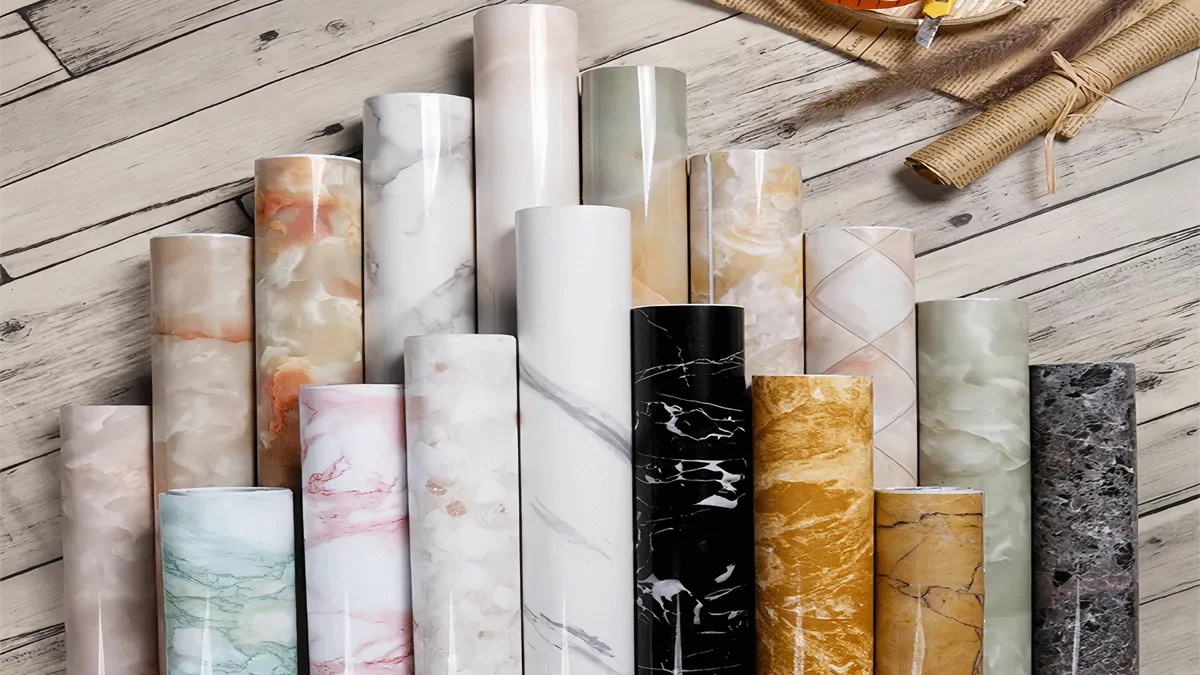
The adaptability of PVC laminated film has led to its integration into numerous sectors. Below is an overview of key application areas and their typical requirements.
| Industry | Common Applications | Recommended Film Types |
|---|---|---|
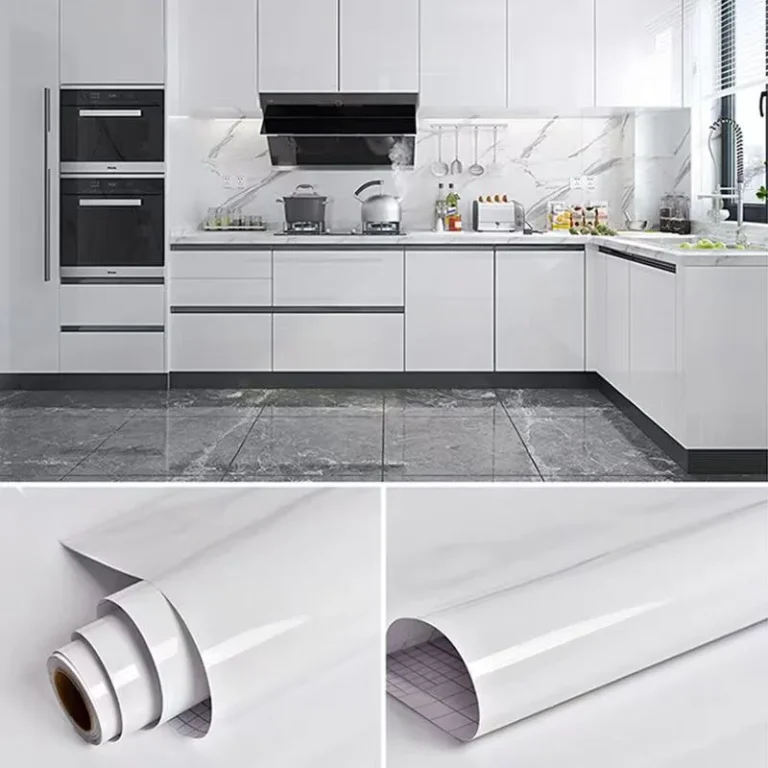
| Furniture Manufacturing | Cabinet surfaces, tabletops, wardrobe panels, door skins | Wood Grain Film, Glossy Wardrobe Film, Matte Film |
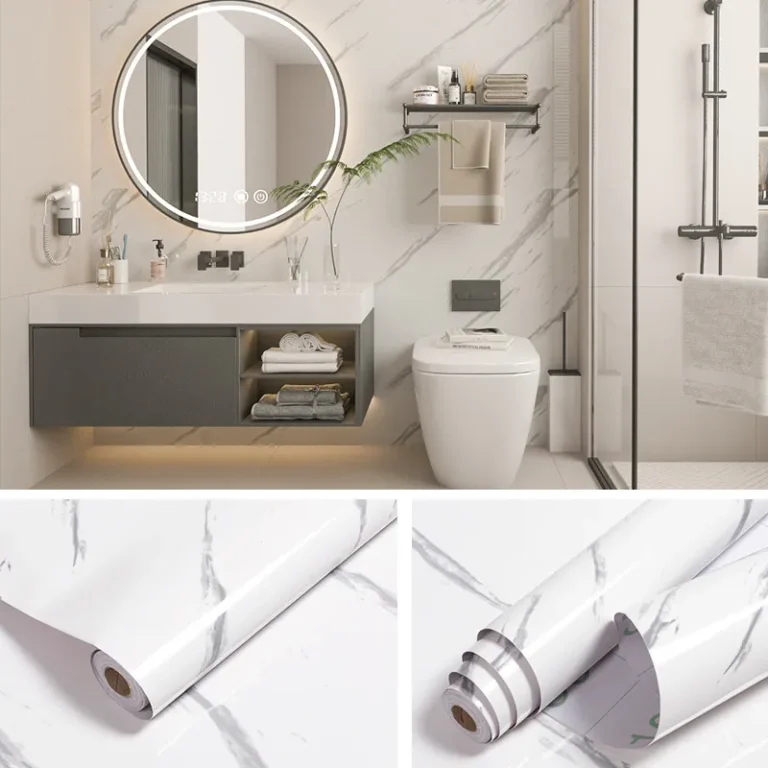
| Building & Construction | Wall panels, ceiling tiles, partition boards, skirting boards | PVC Skirting Film, Stone Grain Film, Solid Color Wallpaper |
| Flooring Solutions | Residential flooring, commercial floor coverings, bathroom floor stickers | Floor Film, Vinyl Kitchen Flooring, Bathroom Floor Stickers |
| Electronics & Appliances | Appliance panels, protective films, anti-static coverings | Anti-static Film, Brushed Texture Film, Protective Film |
| Household & Consumer Goods | Tablecloths, shower curtains, window films, shelf liners | Transparent Film, Kitchen Anti-oil Film, Waterproof Film |
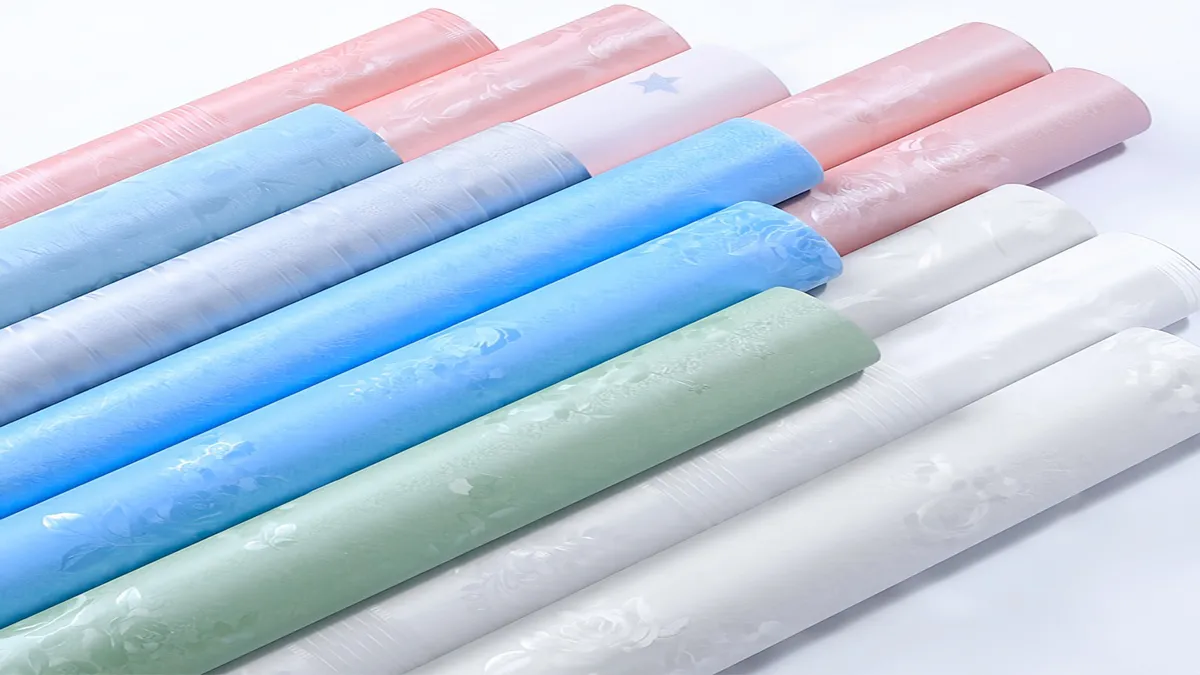
Selecting the appropriate PVC laminated film for your project requires careful evaluation of several factors. Making an informed decision ensures optimal performance, longevity, and visual satisfaction.
Different substrates require specific adhesion properties. PVC laminated film adheres well to MDF, particleboard, plywood, glass, metal, and various plastics. Confirm compatibility between the film’s adhesive backing or lamination requirements and your base material before ordering.
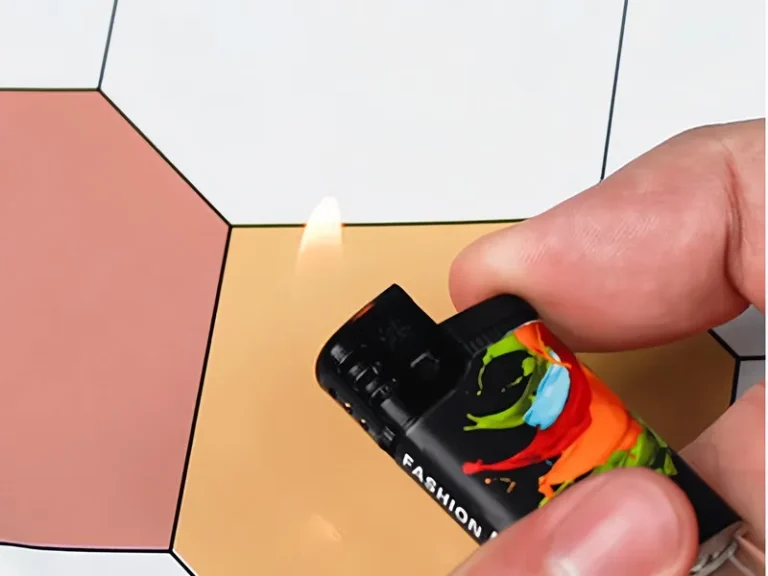
Consider where the finished product will be used. Indoor applications typically require standard formulations, while outdoor or high-moisture environments demand films with enhanced UV stabilizers and waterproof properties. For kitchen applications, oil-proof and heat-resistant variants are recommended.
The visual impact of PVC laminated film is one of its strongest selling points. Modern manufacturing techniques produce incredibly realistic textures and patterns. Options include:
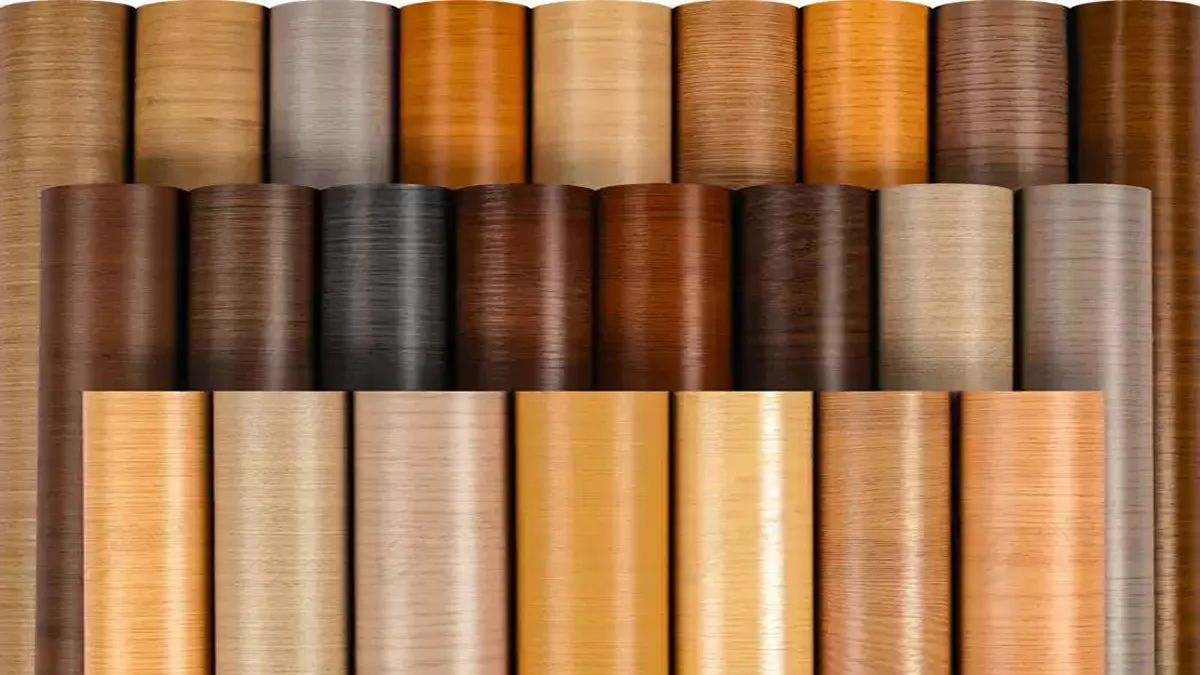
Film thickness directly influences durability and application method. Standard PVC laminated film thicknesses range from 0.03 mm to 0.50 mm, with widths up to 1500 mm. Thicker films generally offer better wear resistance but may require different lamination equipment. Always verify that the film dimensions match your production capabilities.
Reputable manufacturers adhere to international testing standards. Key certifications to look for include compliance with ASTM D1593 for PVC film specifications, ISO 10581 for flooring applications, and environmental standards such as RoHS and REACH for chemical safety. Products meeting PVC circular economy principles also demonstrate a commitment to sustainability.
The two primary application methods for PVC laminated film are cold lamination using environmentally friendly adhesives and hot lamination via vacuum pressing with controlled heat and pressure. Your choice depends on available equipment, substrate type, and production speed requirements. Some films are specifically formulated for one method over the other.

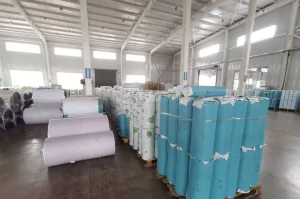
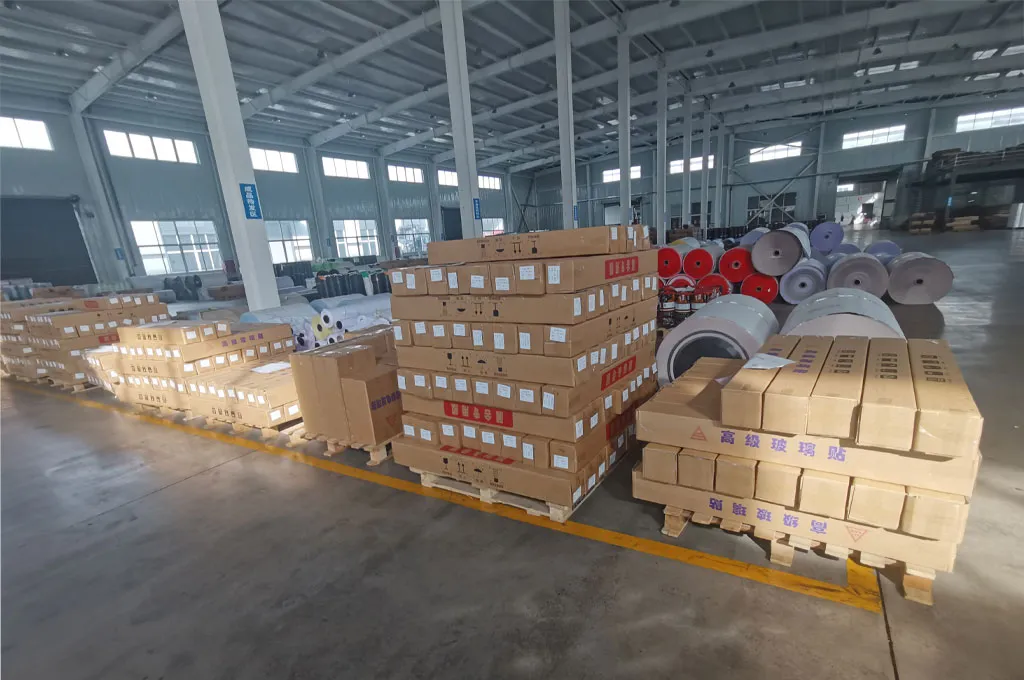
High-quality PVC laminated film production involves rigorous quality control at every stage. Modern manufacturing facilities employ optical inspection systems, precision thickness gauges, and automated color matching to ensure batch-to-batch consistency. Leading producers like Henan Pulivk New Materials Co., Ltd. operate fully integrated production lines covering calendering, printing, embossing, and split packaging under one roof—enabling complete quality oversight from raw material processing to finished product.
Key quality indicators to evaluate include:
The PVC laminated film industry continues to evolve with technological advancements. Recent developments include super-matte anti-fingerprint surfaces, self-healing topcoats for minor scratch recovery, and digitally printed custom designs enabling short-run personalization without traditional plate costs. Additionally, bio-based plasticizers and recycled content integration are gaining traction as the industry aligns with broader sustainability goals.
For architects, interior designers, and product developers, staying informed about these innovations opens new possibilities for creative and functional applications of PVC laminated film in both residential and commercial projects.
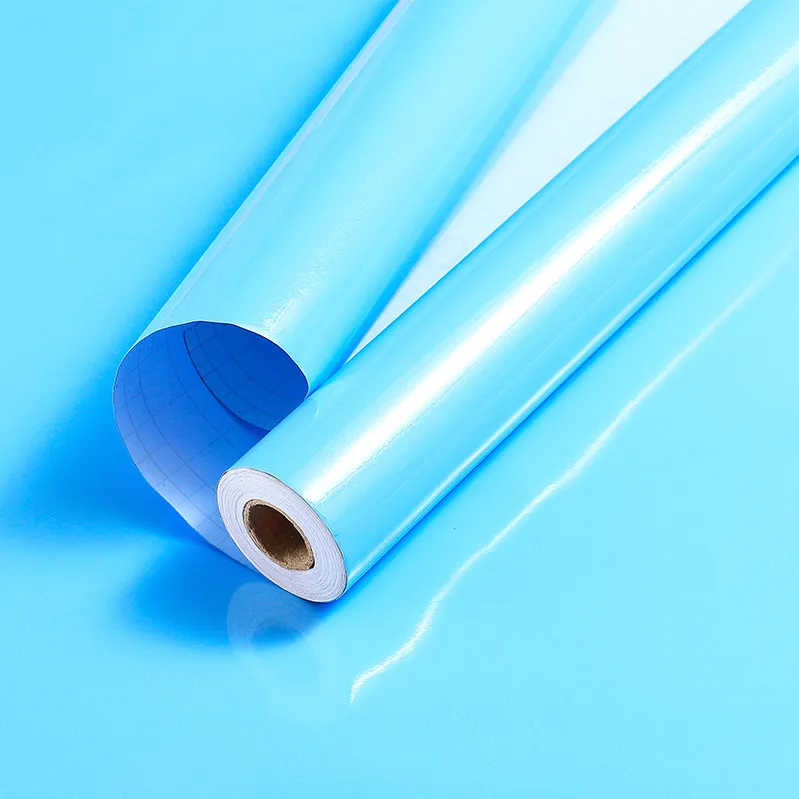
Choosing the right PVC laminated film partner ensures consistent quality, reliable supply, and expert technical support for your business success.