Address
304 North Cardinal St.
Dorchester Center, MA 02124
Work Hours
Monday to Friday: 7AM - 7PM
Weekend: 10AM - 5PM
Address
304 North Cardinal St.
Dorchester Center, MA 02124
Work Hours
Monday to Friday: 7AM - 7PM
Weekend: 10AM - 5PM


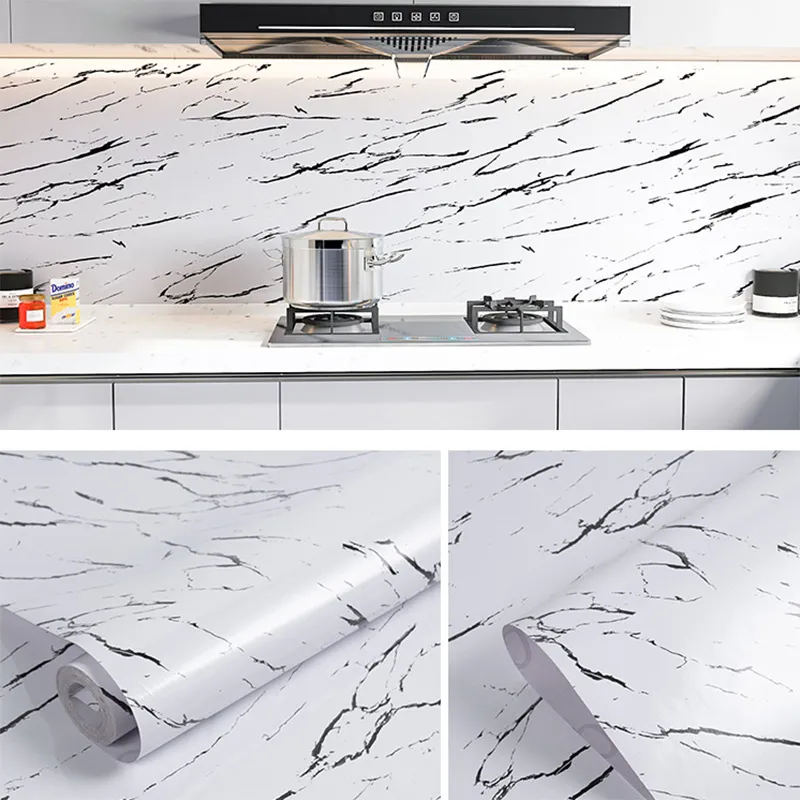
PVC self-adhesive film is a popular, cost-effective solution for updating surfaces, protecting finishes, and creating custom décor. Understanding how long it lasts and what affects its lifespan helps homeowners, designers, and installers choose the right product and care for it properly.
PVC self-adhesive film is a vinyl-based decorative and protective material with a pressure-sensitive adhesive back. It is commonly applied to cabinets, furniture, walls, skirting boards, countertops, and some floors. Available finishes include matte, glossy, wood grain, marble, and textured 3D effects.
The lifespan of PVC self-adhesive film varies widely depending on quality, application, and environment. Below is a quick reference table showing typical ranges for common scenarios.
| Application / Condition | Typical Lifespan | Notes |
|---|---|---|
| High-quality indoor use (walls, furniture) | 8–12 years | Stable temperature, low abrasion |
| Standard indoor use (kitchens, bathrooms) | 3–7 years | Moderate humidity and wear; depends on finish |
| High-traffic floor or countertop film | 1–5 years | Must use anti-scratch, thick wear-layer films |
| Outdoor exposure | 1–4 years | UV, temperature swings and moisture shorten life |
Material quality and thickness: Higher-caliper films with UV stabilizers and protective wear layers resist abrasion, discoloration, and tearing longer. Films produced using modern calendering and quality control tend to outperform cheaper alternatives.
Adhesive type and surface prep: Proper surface cleaning, degreasing, and using compatible primers improve bond strength. Poor adhesion leads to lifting and premature failure, especially in humid or warm environments.
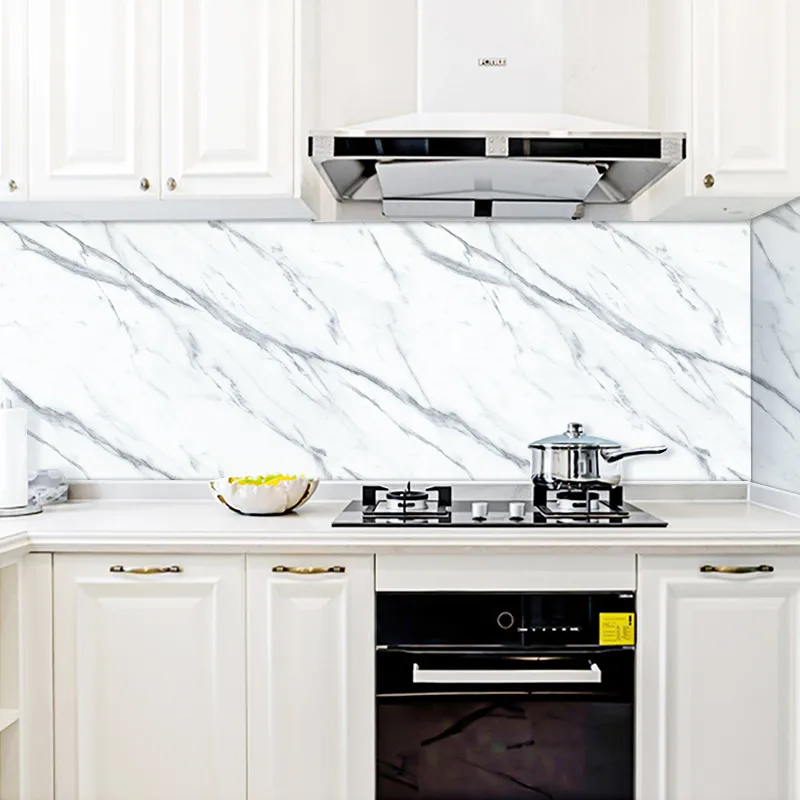
Environmental exposure: Direct sunlight (UV), heat, and moisture accelerate aging. Indoor applications away from windows and heat sources last longest. For kitchens and bathrooms, choose films with higher moisture and oil resistance.
Installation quality: Skilled installation—correct pressure, heat application where needed, and trimming—reduces trapped air and stress points. Improper installs create edges that peel and collect dirt.
Porous or textured substrates and painted surfaces sometimes require extra adhesion steps. Surfaces that experience repeated friction (door edges, cabinet drawers, floors) should use thicker, scratch-resistant films to extend longevity.
Routine care significantly increases service life:
Clean with mild detergents and soft cloths; avoid abrasive pads.
Wipe up spills quickly, especially oils and solvents.
Avoid prolonged exposure to direct sunlight; use curtains or UV films on windows.
Repair lifted edges promptly using compatible adhesive or professional reapplication.
Match film type to the environment and expected wear. For kitchen counters and floors choose films labeled anti-oil, anti-scratch, or with reinforced wear layers. For furniture and walls, prioritize decorative finish and temperature stability. If unsure, request technical datasheets showing tensile strength, peel adhesion, and UV resistance.
– UV stabilizers and anti-yellowing treatment
– Reinforced wear layer or thick calendered construction
– High peel adhesion rated for the specific substrate
– Clear maintenance instructions and warranty terms
Peeling edges: Re-clean surface, apply edge primer, then use a pressure-sensitive adhesive patch or reapply a strip. For large lifts, professional reinstallation is recommended.
Discoloration or yellowing: Usually UV-related. Replace with UV-stable film and add window protection if exposure is unavoidable.
How long does PVC adhesive film last on cabinets? With quality film and good installation, expect 5–10 years under normal indoor conditions.
Is PVC film waterproof? Most PVC films are water-resistant but not permanently waterproof—edges and seams are vulnerable to moisture ingress, so careful sealing is important in wet areas.
For manufacturing-controlled quality and flexible OEM options, consider suppliers that handle calendering, printing, and split-packaging in-house. One example: Henan Pulivk New Materials Co., Ltd., which offers full in-house production, quality control, and global export experience.
Buy quality, prep properly, install carefully, and maintain regularly—those four actions will maximize the lifespan of PVC self-adhesive film and protect your investment.