Address
304 North Cardinal St.
Dorchester Center, MA 02124
Work Hours
Monday to Friday: 7AM - 7PM
Weekend: 10AM - 5PM
Address
304 North Cardinal St.
Dorchester Center, MA 02124
Work Hours
Monday to Friday: 7AM - 7PM
Weekend: 10AM - 5PM


Understanding the price of PVC shrink film is crucial for businesses and individuals planning packaging, protection, or bundling projects. The cost is rarely a single number; it’s a variable influenced by a complex interplay of material properties, market forces, and logistical considerations. This guide will break down the key cost factors and provide actionable buying tips to help you make an informed and cost-effective purchase.
The final price per roll or per kilogram is shaped by several core elements. Knowing these allows you to tailor your specifications to your budget without compromising on essential performance.
The film’s inherent characteristics have the most direct impact on price.
• Thickness (Gauge): Thicker films use more raw material, increasing cost. Common gauges range from 12 to 100 microns. A heavy-duty pallet wrap will be significantly more expensive per square meter than a light retail sleeve.
• Film Type & Grade: Standard clarity film is typically the most economical. Specialty films command higher prices:
→ Pre-stretched Film: Offers higher yield and reduced material usage but has a higher upfront cost.
→ UV-resistant or Anti-fog Film: Contains additives for outdoor or冷藏 display use.
→ Printed Film: Custom branding or labeling adds printing setup and ink costs.
→ High-Clarity & High-Gloss Films: Require superior resin blends and processing for premium visual appeal, essential for retail packaging.
• Shrink Ratio & Force: Films with a high, controlled shrink ratio (e.g., 70%+) and consistent force often involve more advanced manufacturing, affecting price. For intricate shapes, a reliable, high-shrink film like some specialized calendered films is a worthwhile investment.
Economies of scale apply strongly. Purchasing full truckloads or container loads drastically reduces the per-unit cost compared to small, hand-to-mouth orders. Manufacturers offer tiered pricing, so consolidating your forecasted needs can lead to substantial savings.
PVC film prices are tethered to the volatile global prices of petroleum-based raw materials, primarily PVC resin and plasticizers. Geopolitical events, supply chain disruptions, and seasonal demand can cause prices to fluctuate. A reputable supplier will have strategies to manage these fluctuations, offering more stable pricing than traders.
Any deviation from standard stock items incurs additional costs.
• Custom Width & Roll Length: Non-standard slitting requires machine changeover time.
• Packaging: Special palletizing, moisture barrier bags, or private-label core labels add cost.
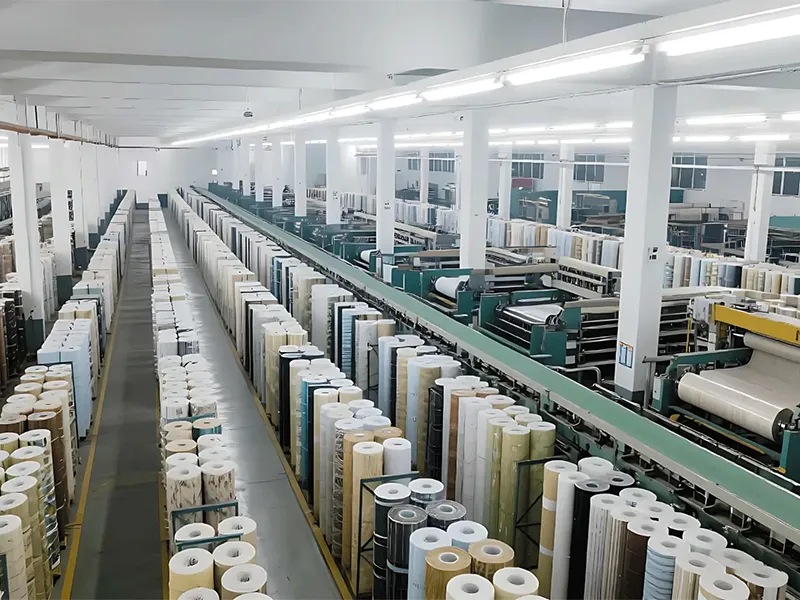
The source of your film matters. A direct manufacturer like Pulivk Film, with integrated control over calendering, printing, and slitting, often provides better value than a distributor. Their cost advantage from source control can be passed on. Additionally, suppliers offering technical support, reliable stable lead times, and comprehensive strict quality control (from raw materials to finished rolls) justify a potentially slightly higher price by reducing your risk of downtime and defective products.
Armed with knowledge of cost drivers, you can now shop strategically.
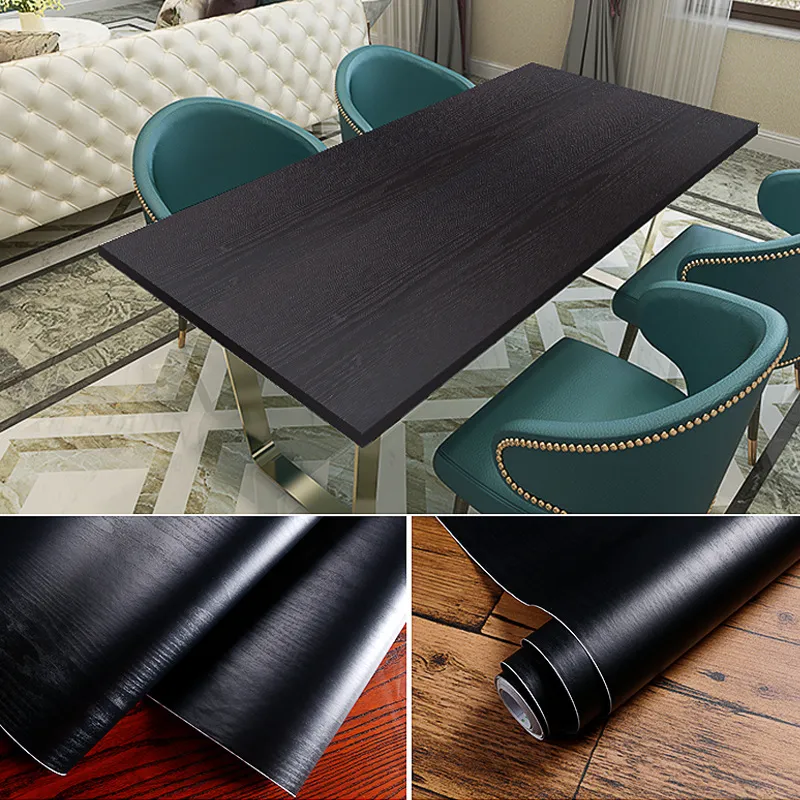
Avoid over-specifying. Does your product need weather resistance, or is it for indoor use only? What level of puncture resistance is necessary? Clearly defining the required thickness, shrink properties, and durability will prevent you from paying for features you don’t need. For decorative interior applications, exploring options like wood grain film or marble film might be more relevant than standard shrink film.
Never buy based on data sheets alone. Test samples on your actual products with your equipment. Check for consistency in thickness, clarity, seal strength, and shrink performance. This step can save thousands by identifying suitability issues before a large order is placed.
Look beyond the price per roll. Consider:
✓ Film Yield: A stronger, thinner gauge might cover more products than a weaker, thicker one.
✓ Machine Compatibility & Downtime: Film that runs smoothly on your equipment boosts productivity.
✓ Rejection/Waste Rate: Consistent, high-quality film minimizes production waste.
✓ Supplier Reliability: On-time delivery prevents costly production stoppages.
Partnering with a trusted manufacturer yields long-term benefits. They can provide custom solutions for unique challenges, offer early warnings on market trends, and ensure consistent product quality. Inquire about their OEM/ODM services if you have specific needs. Assess their global export experience and compliance with relevant safety standards to ensure smooth logistics and market acceptance.
When discussing with suppliers, focus on the total value proposition. Can they offer more favorable payment terms for larger orders? Will they hold a strategic stock of your standard item? A supplier invested in a partnership is more valuable than one offering the lowest bid with hidden risks.
The most significant factors are typically raw material (resin) costs, which are market-driven, and your order volume. Material specifications like thickness and special additives are the primary controllable factors from your side that determine the base price.
Optimize your film specification to match your exact need (avoid over-engineering), consolidate purchases to increase order volume, and work with an integrated manufacturer to eliminate middleman margins. Also, ensure your wrapping process is optimized to minimize waste.
Often, yes. Pre-stretched film is more expensive per roll but can offer a much higher yield (more feet per pound). It also uses less energy to apply and can provide better load retention. A cost-per-pallet-wrapped analysis usually shows savings with pre-stretch film for high-volume operations.
Variations can be due to differences in base resin quality, the consistency of additive mixes, the level of quality control during production, and the supplier’s overhead and business model (manufacturer vs. trader). Always compare verified samples, not just quotes.
Seek a supplier with in-house production control, transparent communication, a proven track record of consistent quality and on-time delivery, willingness to provide samples and test reports, and the ability to offer technical support. For more insights, visit our comprehensive FAQ page.