Address
304 North Cardinal St.
Dorchester Center, MA 02124
Work Hours
Monday to Friday: 7AM - 7PM
Weekend: 10AM - 5PM
Address
304 North Cardinal St.
Dorchester Center, MA 02124
Work Hours
Monday to Friday: 7AM - 7PM
Weekend: 10AM - 5PM


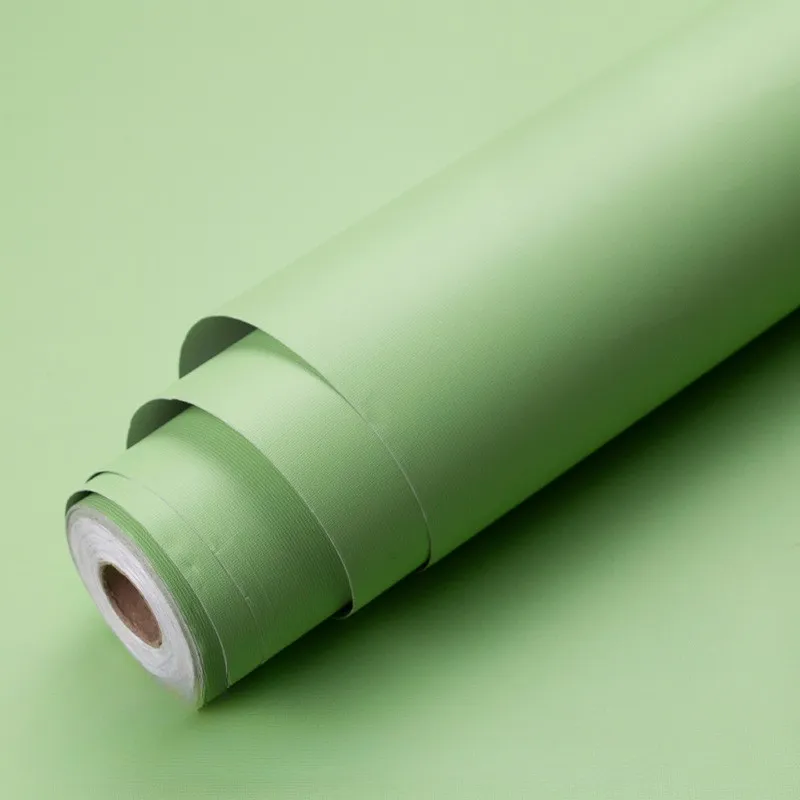
PVC shrink film is one of the most practical packaging materials for businesses that need clean presentation, tamper evidence, and reliable protection during shipping and handling. Whether you are bundling cosmetics, wrapping printed products, protecting hardware, or stabilizing multi-packs, the right shrink wrap can reduce damage, improve shelf appeal, and streamline packing speed.
Key takeaway:
Choosing PVC shrink film is not only about price. You should match thickness, shrink performance, clarity, sealability, and end-use conditions to the product’s weight, edges, display needs, and transit risk.
PVC shrink film is a polyvinyl chloride film designed to shrink tightly around an item when heat is applied (typically through a shrink tunnel or heat gun). The film creates a smooth, glossy finish with excellent transparency, making it popular for retail-ready packaging and bundle wrapping.
In practical terms, PVC shrink film is used to unitize products (keeping multiple items together), protect surfaces from dust and scuffs, and offer tamper evidence by showing visible damage if opened.
✔ Common formats:
Centerfold film, single-wound film, bags/sleeves, and perforated shrink film for easier opening.
✔ Typical equipment:
L-bar sealers, side sealers, heat guns, tabletop sealers, and shrink tunnels.
PVC shrink wrap is valued for its high clarity and smooth finish, making it ideal when the package must “sell the product” visually. Below are common applications across industries.
Used for cosmetics, toiletries, stationery, and gift packs. PVC shrink film produces a tight, glossy wrap that looks premium on shelves and helps prevent shop handling damage. It is also used for multi-pack bundling (for example: two bottles + promotional insert).
Books, notebooks, brochures, and boxed media benefit from shrink wrapping because it keeps edges clean and reduces moisture/dust exposure. For printed items, clarity and a flat, wrinkle-free finish are especially important.
Shrink film can hold small components together (fasteners, fittings, accessories) and prevent loss during shipping. For sharp or heavy items, the correct thickness and puncture resistance become critical.
Some packaging lines use shrink film for secondary packaging (outer wrapping) where the wrap does not necessarily touch the food itself. Always verify compliance needs and request documentation if required for your market.
Note:
Many manufacturers offer multiple PVC film categories beyond shrink wrap, such as calendered film for decorative and industrial uses, depending on your product and surface requirements.
◆ High clarity & gloss:
Best-in-class shelf visibility for retail packaging and printed products.
◆ Strong sealing performance:
Reliable seals help prevent tampering and reduce package failures in transit.
◆ Tight, professional finish:
Shrinks smoothly around corners and contours when correct settings are used.
◆ Versatile for bundling:
Excellent for multi-packs, promotional sets, and accessory kits.
Thickness is the fastest way to narrow down shrink film options. Too thin and you risk punctures, weak seals, and tearing. Too thick and you may waste material, slow down heat shrinking, and reduce flexibility around corners.
| Thickness Range | Best For | What You’ll Notice | Selection Tips |
|---|---|---|---|
| 12–15 μm (light-duty) | Small boxes, lightweight retail items, low-abrasion products | Very clear, fast shrinking, lower puncture resistance | Avoid for sharp corners unless using corner protectors |
| 16–19 μm (general-purpose) | Most retail bundles, printed products, cartons with moderate edges | Balanced strength and shrink response | A good default when unsure; tune heat and dwell time |
| 20–25 μm (heavy-duty) | Heavier items, multi-packs, longer shipping distances | More robust feel, improved puncture resistance | Confirm your equipment can shrink thicker film cleanly |
| 26–40+ μm (extra protection) | Industrial kits, sharp edges, high abrasion risk | Maximum durability, slower heat response | Use when failure cost is high; test for corner wrinkling |
Thickness alone does not guarantee performance. A thicker film may still wrinkle if the shrink ratio, sealing temperature, or airflow is mismatched. Meanwhile, a thinner film can work well if the product has smooth edges, short transit, and stable storage conditions.
Practical rule:
If your product has sharp corners or metal edges, move up a thickness grade first—then optimize shrinking temperature and tunnel airflow.
Start by clarifying what matters most: retail appearance, tamper evidence, dust protection, transit durability, or bundling. For example, premium retail sets often prioritize gloss and clarity, while industrial kits prioritize puncture resistance.
Measure length, width, and height—and note corners, protrusions, uneven shapes, and labels. Hard corners are the main reason shrink film tears or looks wrinkled. If you are bundling items, measure the bundle after it’s stacked the way you plan to wrap it.
Common options include centerfold film (good for L-sealers), single-wound film (often used with automated systems), and pre-made shrink bags. If your packaging line is upgrading or expanding, consider discussing roll width, core size, and unwind direction with your supplier.
Use the thickness guide above, then validate with trials. The goal is to achieve a strong seal and smooth shrink without overheating. For many everyday retail packs, 16–19 μm is a reliable starting point.
The same film can perform differently across machines. Sealing blade type, tunnel temperature stability, airflow pattern, conveyor speed, and ambient conditions all matter. Plan a short test run and record settings that produce consistent results.
If you need branding, barcodes, warnings, or easy-tear perforations, specify it early. Many film producers provide OEM/ODM flexibility for size, thickness, roll length, printing, and packaging specifications. This is also when you should confirm compliance needs (for example: low odor, indoor-friendly inks, or required certifications).
🔎 If aesthetics matter:
Choose higher clarity film and test for haze, glare, and wrinkle control on your exact box surface.
🧪 If performance matters:
Request test data for thickness tolerance, sealing behavior, and puncture/tear resistance by batch.
Great shrink packaging is a system outcome: film + product geometry + sealing + heat + airflow + operator method. Understanding the variables below helps you avoid common defects like fish-eyes, burn holes, dog-ears, and loose corners.
Excess temperature can cause brittleness, scorching, or distorted sealing lines; insufficient heat causes loose wrap and wrinkles. Adjust temperature and belt speed together. If you increase thickness, you often need slightly more energy or dwell time.
Airflow is essential for even shrink. Uneven airflow can shrink one side faster, pulling the film and causing corner distortion. If your tunnel allows adjustable vents, tune them for uniform heat distribution around the product.
Weak seals usually come from incorrect sealing temperature/pressure, contaminated film, misaligned blades, or insufficient seal time. For cleaner results, ensure blades are maintained and film tension is stable.
Troubleshooting hint:
If the wrap looks tight but splits during handling, increase thickness or confirm that corners are not cutting the film. If the wrap is intact but looks loose, adjust tunnel heat and airflow before changing film.
Buyers often compare PVC shrink film with alternatives such as polyolefin (POF) shrink film or polyethylene (PE) shrink film. The correct choice depends on your product category, appearance requirements, and line speed.
| Film Type | Strengths | Typical Use | Decision Trigger |
|---|---|---|---|
| PVC shrink film | High clarity & gloss, great retail presentation, solid seal performance | Retail packs, printed items, bundles | Choose when visual presentation and tidy shrink matter most |
| POF shrink film | Soft feel, wide sealing window, often used for high-speed lines | General retail, multi-purpose packaging | Choose when you need broad compatibility and frequent SKU changes |
| PE shrink film | Strong for large/heavy loads, good for transport packaging | Beverage multipacks, logistics bundles, heavier items | Choose when load stabilization and toughness beat display needs |
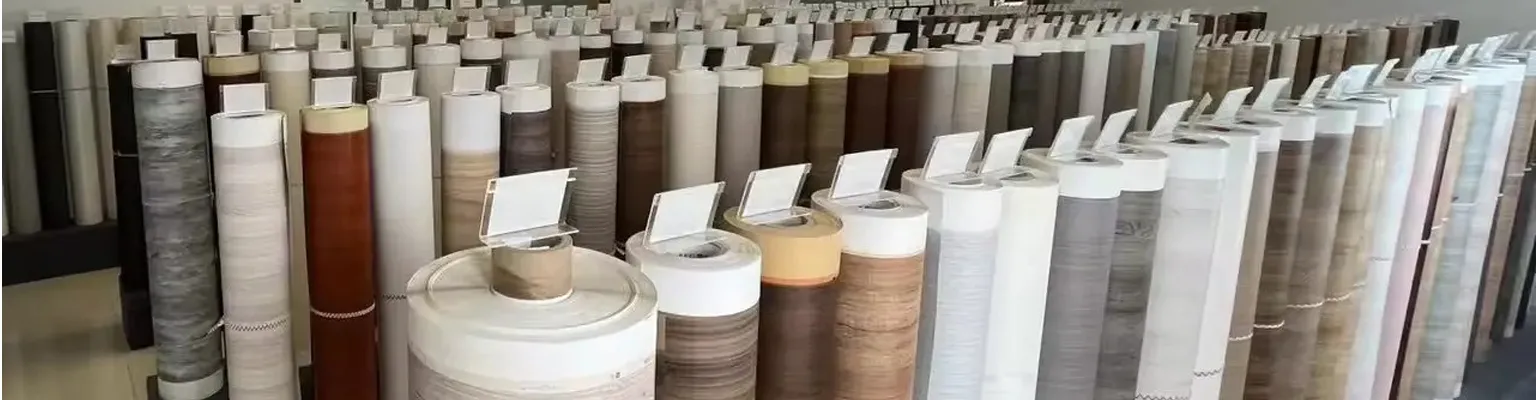
Not every PVC film is shrink film. Many manufacturers also produce PVC decorative films for furniture, interior panels, and building finishing materials. If your business needs surface aesthetics (wood grain, textile textures, or wall covering), consider product-specific PVC films rather than shrink wrap.
For example, decorative solutions like wood grain film are used on cabinet doors and furniture panels, while textured options like 3D silk texture film help achieve premium tactile finishes for modern interiors.
For flooring-related protection and design layers, product lines such as floor film can support different durability and surface requirements in residential and commercial spaces.
If you are sourcing PVC shrink film internationally, quality consistency should be managed as a process—not a guess. Request clarity on raw material control, thickness tolerance, batch traceability, and QC checks (thickness, sealing behavior, optical performance, and mechanical properties).
For compliance-driven markets, confirm what documentation is available (for example ISO management systems, REACH/RoHS statements, or FDA-related requirements when applicable). If you need low-odor or indoor-friendly ink systems for printed film, specify that in the RFQ.
Buyer checklist (request before mass production):
1) Agreed thickness tolerance & roll length standard
2) Sealing window guidance for your equipment type
3) Packaging method (dust-proof wrap, labeling, pallet protection)
4) Test reports or certifications required for your destination market
Even high-quality shrink film can underperform if stored incorrectly. Keep rolls in a clean, dry space away from direct sunlight and excessive heat. Avoid crushing rolls during stacking, and use FIFO (first in, first out) to reduce aging-related issues.
• Let film acclimate to the packing room temperature before running long shifts.
• Keep sealing blades clean and aligned; replace worn Teflon covers on L-sealers.
• If you see haze or brittleness, check storage conditions and confirm the film grade matches your environment.
For many retail cartons and bundled items, 16–19 μm is a practical starting range. Then fine-tune based on corner sharpness, product weight, and shipping conditions.
The most common causes are film too thin for sharp edges, overheating, or product corners cutting the film during handling. Increase thickness, reduce corner abrasion, and re-check tunnel airflow and temperature.
Improve heat uniformity (airflow), adjust conveyor speed/dwell time, and ensure stable film tension at sealing. If wrinkles persist, trial a different thickness or shrink profile recommended by your supplier.