Address
304 North Cardinal St.
Dorchester Center, MA 02124
Work Hours
Monday to Friday: 7AM - 7PM
Weekend: 10AM - 5PM
Address
304 North Cardinal St.
Dorchester Center, MA 02124
Work Hours
Monday to Friday: 7AM - 7PM
Weekend: 10AM - 5PM


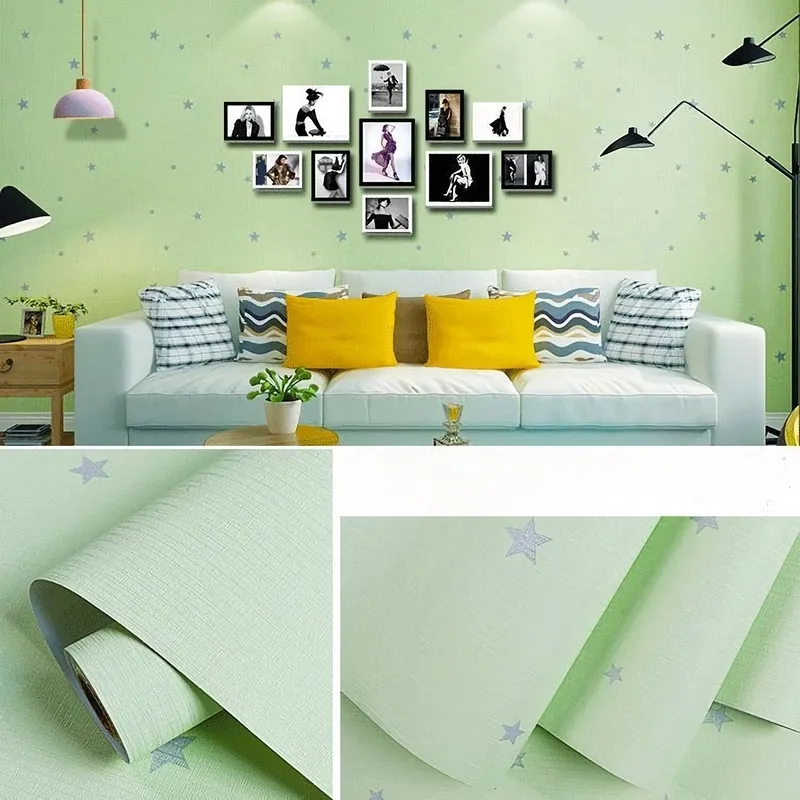
PVC shrink wrap film is a versatile and widely used packaging material known for its clarity, strength, and ability to conform tightly to products when heat is applied. This guide explores the various types of PVC shrink films, their primary applications across industries, and the custom solutions available to meet specific project requirements. Understanding these elements is crucial for selecting the right film for optimal product protection, presentation, and efficiency.
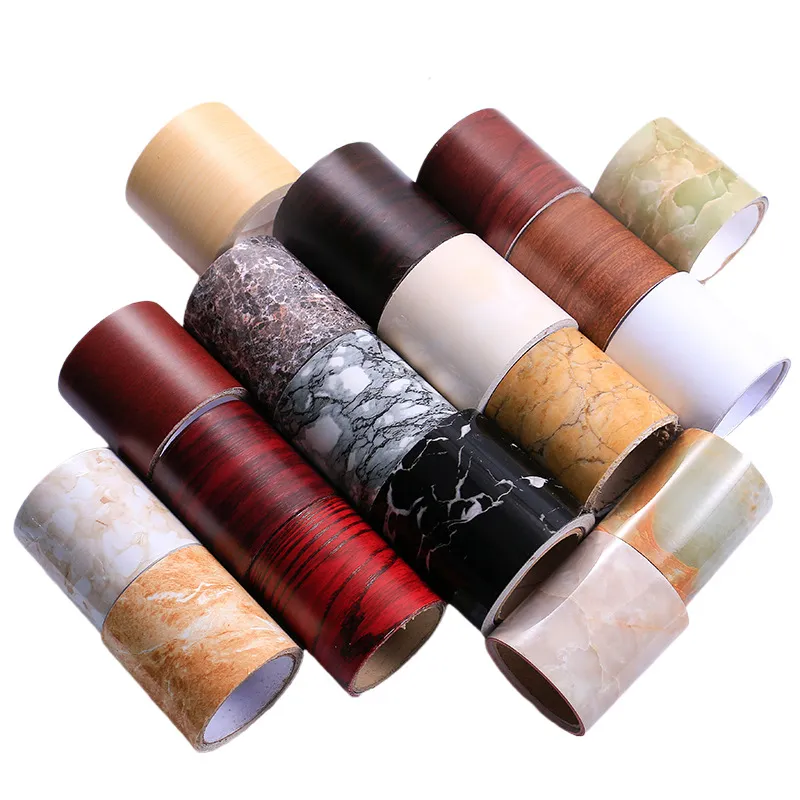
Polyvinyl Chloride (PVC) shrink film is manufactured through a process called calendering, where molten PVC is extruded and passed through rollers to achieve a specific thickness and clarity. When heat is applied, this film shrinks uniformly, creating a tight, protective seal around the item. Its popularity stems from a balance of performance characteristics: excellent clarity for product visibility, good tensile strength, and a relatively low shrink initiation temperature, which makes it energy-efficient to use. For a deeper look into the manufacturing process, you can explore resources on PVC film knowledge.
Key Property: PVC shrink film typically offers a high gloss finish and superior printability, making it an excellent choice for retail packaging where branding and aesthetics are important. It is also recyclable under specific programs, though environmental considerations are leading to innovations in material science.
The market offers several formulations of PVC shrink film, each tailored for different needs. The main categories include:
This is the most common type, prized for its crystal-clear presentation. It is ideal for bundling retail products like software boxes, books, and food items where visibility is paramount. It provides a tamper-evident seal and protects against dust and moisture.
Specially designed for packaging fresh produce, frozen foods, or cold beverages. This film contains additives that prevent condensation from forming on the inside of the wrap, ensuring the product remains visible and appealing in refrigerated displays.
PVC film serves as an excellent substrate for high-quality printing. Brands often use pre-printed rolls for consistent, vibrant branding on multi-packs or promotional bundles. This eliminates the need for secondary labels and streamlines the packaging line. Companies like Pulivk Film offer extensive customization in this area.
Formulated with higher gauge (thickness) and enhanced puncture resistance, this type is used for securing large, heavy, or irregularly shaped items such as building materials, furniture, and palletized goods during storage and transit.
Compliant with stringent safety regulations, food-grade PVC shrink film is used for direct food contact packaging. It is free from harmful plasticizers and is essential for wrapping cheeses, meats, and ready-made meals.
PVC shrink wrap’s adaptability makes it indispensable across numerous sectors. Its primary function is to unitize, protect, and display.
This is the largest application area. Shrink wrap secures CD/DVD cases, software, toy boxes, and gift sets. It creates a professional, shelf-ready appearance while preventing pilferage. For bundling multiple items (e.g., canned beverages, batteries), it acts as a primary package, replacing cardboard cartons.
Beyond fresh produce, PVC shrink film is used for sealing bottle caps (neck bands), wrapping bakery trays, and packaging multi-can packs. Its clarity and ability to conform to contours make it perfect for displaying food items attractively. For related protective solutions in other areas, consider kitchen anti-oil film for surfaces.
The tamper-evident nature of shrink wrap is critical here. It is used to seal medicine bottles, sterile kit boxes, and medical device packaging, ensuring product integrity and patient safety from the factory to the end-user.
For securing pallet loads, PVC shrink film (often in the form of stretch wrap or hoods) stabilizes goods, protecting them from dust, moisture, and shifting during transportation. It is a cost-effective method for weatherproofing outdoor-stored materials.
A furniture manufacturer uses printed, heavy-duty PVC shrink film to protect polished tables and cabinets during overseas shipping. The film guards against scratches and moisture, while the custom print acts as a moving billboard, displaying the brand logo and handling instructions directly on the package, eliminating extra labels.
Off-the-shelf films don’t always meet unique project demands. This is where custom PVC shrink film solutions become vital. Leading manufacturers provide OEM/ODM services to tailor films precisely.
Films can be produced in specific widths, roll lengths, and thicknesses (gauges) to match your machinery perfectly, minimizing waste and optimizing line speed. Whether you need a thin film for lightweight cosmetics or a thick gauge for industrial parts, production can be adjusted accordingly.
Additives can be incorporated to achieve desired properties:
• UV Inhibitors: For products stored in sunlight to prevent yellowing or degradation.
• Anti-Static Additives: Essential for packaging electronic components to prevent static discharge damage.
• Slip Agents: Modify the film’s surface to improve machinability on high-speed packaging lines.
Full-color, high-resolution graphics can be printed directly onto the film. This allows for stunning retail-ready packaging without additional sleeves or labels. Finishes can also be customized, such as matte or soft-touch coatings for a premium feel. Explore options like wood grain film for decorative inspiration that parallels the customization available in shrink wrap printing.
For consumer convenience, films can be pre-perforated for easy opening. Integrated tear tapes provide a clean, straight opening line, greatly enhancing the user experience for products like software or multi-packs.
Choosing the correct film involves evaluating several factors related to your product, process, and goals.
Consider the product’s weight, shape, and surface. Sharp edges may require a higher puncture-resistant film. Delicate surfaces might need a film with lower shrink force to avoid distortion.
Your sealing and shrinking equipment (L-bar sealers, tunnels) have specific requirements for film gauge, sealability, and shrink temperature. The film must be compatible to ensure consistent, reliable seals.
Will the packaged product be stored in freezing temperatures, high humidity, or direct sunlight? The film formulation must withstand these conditions without becoming brittle, foggy, or losing its seal integrity.
For food, medical, or children’s products, verify that the film meets all relevant safety standards (e.g., FDA, EU regulations, REACH) and is free from restricted substances like heavy metals or certain phthalates.
While recyclable, discuss with your supplier options for films with recycled content or those designed for easier recycling. The industry is continuously evolving to meet eco-friendly demands. For a comprehensive view of available products, visit the product catalog.
PVC is known for its clarity, gloss, and cost-effectiveness but has a higher density. Polyolefin (POF) is stronger, more puncture-resistant, and produces less smoke when heated, but is often more expensive. PETG offers exceptional clarity and rigidity but requires higher shrink temperatures. The choice depends on the specific application, budget, and equipment.
Yes, but only specific food-grade formulations that comply with regulations like FDA 21 CFR are suitable for direct food contact. Always confirm the film’s compliance with your supplier and specify “food-grade” when ordering for such applications.
Gauge is measured in microns or mils. Lighter products (under 1 kg) typically use 12-15 micron film. Medium-weight items (1-5 kg) use 15-25 micron. Heavy or sharp-edged products require 25-50 micron or more. Your packaging machinery supplier or film manufacturer can provide precise recommendations based on a sample of your product.
Technically, yes, PVC is a #3 plastic. However, recycling infrastructure for post-consumer PVC film is not as widespread as for PET or HDPE. The best practice is to check with local recycling facilities. Many manufacturers and large users participate in take-back or specialized recycling programs to improve sustainability.
Be prepared to discuss: Product dimensions/weight, desired packaging speed, storage/transport environment, any mandatory certifications (e.g., food-grade, anti-static), preferred roll dimensions (width, core size, length), and any specific performance needs (e.g., high clarity, tear resistance, print requirements). Providing samples of your current packaging is extremely helpful.