Address
304 North Cardinal St.
Dorchester Center, MA 02124
Work Hours
Monday to Friday: 7AM - 7PM
Weekend: 10AM - 5PM
Address
304 North Cardinal St.
Dorchester Center, MA 02124
Work Hours
Monday to Friday: 7AM - 7PM
Weekend: 10AM - 5PM


PVC stretch film, a versatile and durable material derived from polyvinyl chloride, has become an indispensable component across numerous industries. Its unique properties—including flexibility, clarity, strength, and resistance to moisture and chemicals—make it suitable for a wide range of applications, from industrial packaging to creative surface decoration. This article delves into the various types of PVC stretch film, explores its diverse uses, and highlights the advantages of custom manufacturing solutions provided by specialized producers like Pulivk Film.
The world of PVC stretch film is not monolithic; it offers a spectrum of products tailored to specific needs. The primary differentiation often lies in the manufacturing process and the intended final application.
Calendered PVC Film is produced by passing heated PVC compound through a series of precision rollers. This process results in film with excellent clarity, consistent thickness, and a smooth, glossy surface. It is ideal for applications where visual appeal and dimensional stability are paramount, such as in decorative laminates or high-clarity packaging. For a deeper look at this specific type, explore our detailed guide on Calendered Film.
Blown PVC Film is created by extruding a PVC tube, which is then inflated and cooled. This method typically yields film with superior stretchability, toughness, and puncture resistance, making it the go-to choice for heavy-duty pallet wrapping and bundling in logistics and warehousing.
Beyond the base material, PVC films are engineered with specific characteristics:
The adaptability of PVC stretch film fuels its widespread adoption. Its uses extend far beyond simple wrapping.
This is the most traditional and volume-heavy application. PVC stretch film securely unitizes pallet loads, preventing product movement, damage, and dust/ moisture ingress during storage and transit. Its clarity allows for easy scanning of labels and inspection of goods without unwrapping.
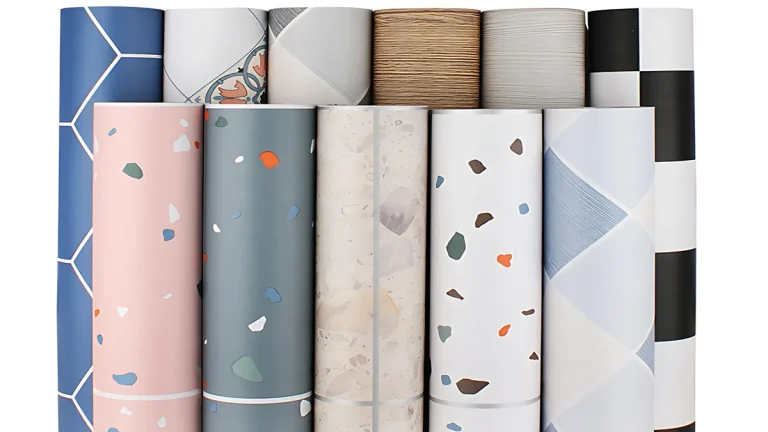
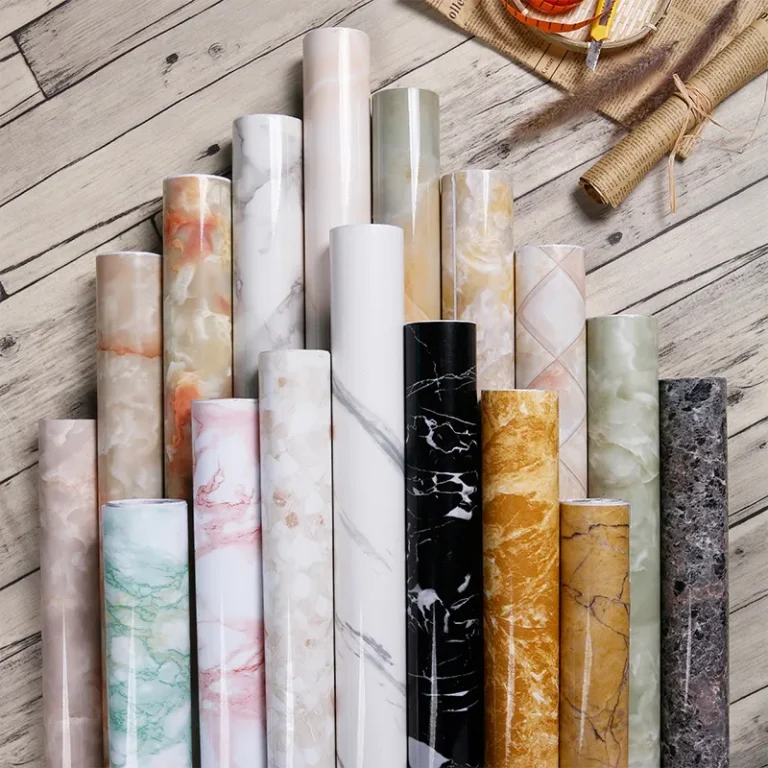
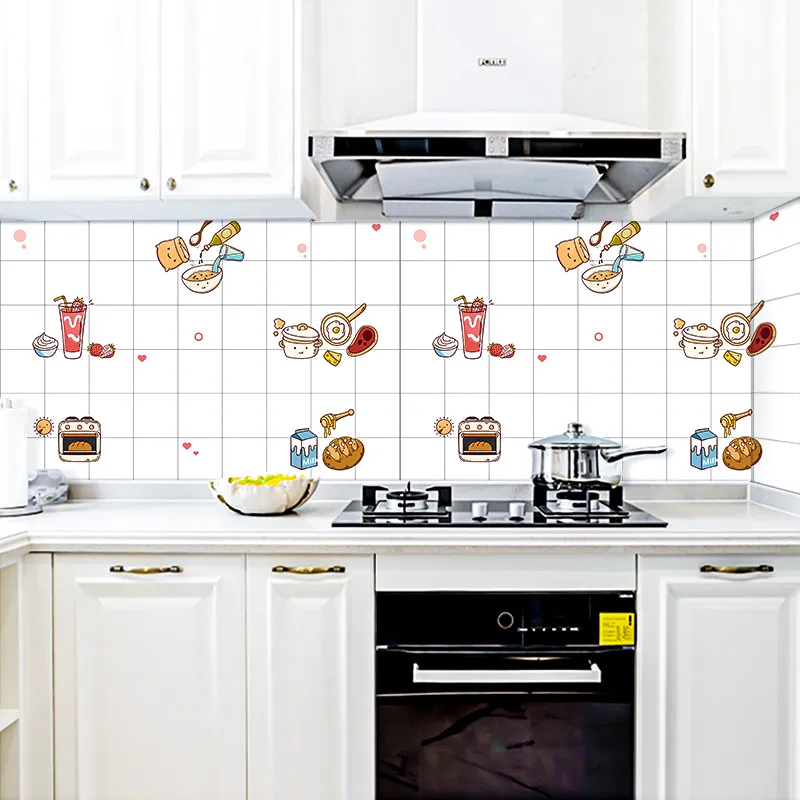
Here, PVC film transcends its packaging role. Decorative PVC films, often produced via calendering, are used for surface lamination. They can mimic expensive materials like wood, stone, or metal at a fraction of the cost. For instance, Wood Grain Film is extensively used on furniture, cabinets, and doors, while Marble Film creates luxurious-looking countertops and wall panels. In kitchens, specialized films like Kitchen Anti-oil Film provide both aesthetic appeal and easy-clean functionality.
PVC films offer quick, clean renovation solutions. They are applied to existing surfaces—walls, floors, ceilings—to instantly update a space. Floor Film can rejuvenate old tiles or concrete, and skirting board films provide a seamless finish. Textured films, such as 3D Silk Texture Film, add tactile depth to interior surfaces.
Specialized PVC greenhouse films control light diffusion, retain heat, and protect crops. Their durability against weather elements makes them a cost-effective covering solution.
From wrapping food items and organizing drawers to protecting surfaces during painting or crafting, PVC stretch film is a handy tool in homes and workshops.
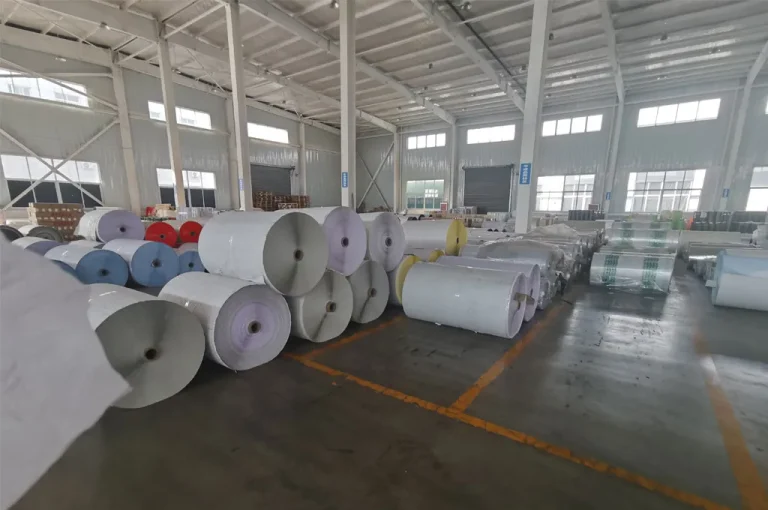
While standard rolls are readily available, the true potential of PVC stretch film is unlocked through custom manufacturing. Partnering with a producer that offers OEM/ODM services, like Pulivk Film, allows businesses to tailor the product to their exact needs.
The benefits of custom solutions are substantial. They lead to optimized material usage (reducing waste and cost), enhanced product protection (perfect fit for the item being wrapped), and stronger brand identity (through custom colors and prints). For businesses with unique or high-volume needs, a custom approach ensures the film is not just a commodity but a strategic component of their operation. Discover more about our capabilities on our Product page.
Selecting a manufacturer for custom PVC stretch film requires careful consideration. Key factors include:
PVC film generally offers higher clarity, better cling (especially to itself), and can be produced in thinner gauges while maintaining strength. PE film is known for higher stretchability, greater puncture resistance, and is often more cost-effective for very heavy-duty pallet wrapping. PVC is also more readily printable.
Recycling PVC film can be challenging due to potential contamination and the presence of plasticizers. However, specialized recycling streams exist. It’s best to consult local waste management authorities. Many manufacturers focus on producing durable, long-life films for decorative applications, which is a form of source reduction.
The required gauge depends on the weight, shape, and stability of your load, as well as the storage/transport environment. For light, uniform boxes, a thinner film (e.g., 12-15 micron) may suffice. For heavy, irregular, or sharp-edged items, a thicker film (17-25+ micron) is necessary. Your film supplier can provide specific recommendations based on your use case.
There is typically a premium for customization due to setup, material formulation, and lower production volumes initially. However, in the long run, a perfectly tailored film can reduce overall costs by minimizing material waste, improving packaging efficiency, and reducing product damage. The value often outweighs the initial cost difference.
To get an accurate quote and sample, provide: Intended application, required performance properties (strength, cling, clarity), desired dimensions (thickness, width, roll length), color/print requirements, estimated annual volume, and any relevant industry standards that must be met.