Address
304 North Cardinal St.
Dorchester Center, MA 02124
Work Hours
Monday to Friday: 7AM - 7PM
Weekend: 10AM - 5PM
Address
304 North Cardinal St.
Dorchester Center, MA 02124
Work Hours
Monday to Friday: 7AM - 7PM
Weekend: 10AM - 5PM


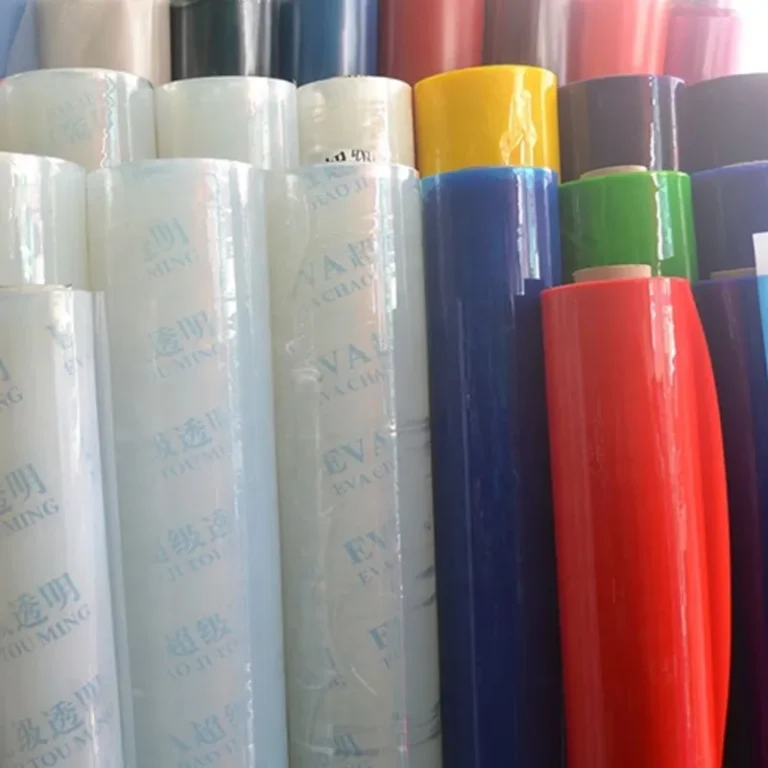
PVC transparent film is a clear, flexible plastic sheet made from polyvinyl chloride, widely used for surface protection, packaging, decoration, and functional barriers. Its popularity comes from a practical balance of clarity, toughness, processability, and cost. Whether you’re laminating panels, wrapping products, protecting floors during renovation, or building anti-static solutions for electronics, choosing the right thickness and type is the difference between a film that “just works” and one that fails early.

This guide explains common uses, key benefits, thickness selection, and a straightforward checklist to help you choose the right PVC transparent film for your application—while avoiding the most frequent purchasing mistakes (wrong thickness, wrong surface finish, and mismatched performance requirements).
PVC transparent film is a clear PVC sheet (often supplied in rolls) produced by calendering or casting. Depending on formulation, it can be soft and highly flexible or relatively rigid and dimensionally stable. It can also be engineered with additives for UV resistance, anti-fog, anti-static, flame retardancy, or food-contact compliance.
Key idea: “Transparent” doesn’t automatically mean “high clarity.” PVC film clarity depends on resin quality, plasticizer system, calendering control, thickness uniformity, and surface finish (glossy vs. matte).
Tip: If you need consistent optics across wide rolls, consider calendered film specifications and ask for haze/gloss targets.
Transparent PVC film is often used as a protective layer for high-traffic surfaces—think countertops, cabinet faces, wall panels, and decorative boards. It helps resist light scratches, stains, and daily abrasion while keeping the original color and texture visible.
In industrial packaging, PVC transparent film provides a clean, attractive wrap with strong tear resistance. It’s commonly used for product bundling, protective overwrap, and temporary shielding during storage and transport—especially where visibility of labels or contents is important.
On job sites, transparent PVC film can protect floors, windowsills, and finished surfaces from paint mist, dust, and foot traffic. For longer projects, thickness and puncture resistance matter more than absolute clarity. If your application focuses on flooring protection or decorative floor layers, you may also compare with dedicated floor film solutions.
With anti-static treatments, PVC transparent film can reduce electrostatic charge accumulation—useful for electronic component packaging, protective covers, or cleanroom partitioning where dust attraction must be minimized.
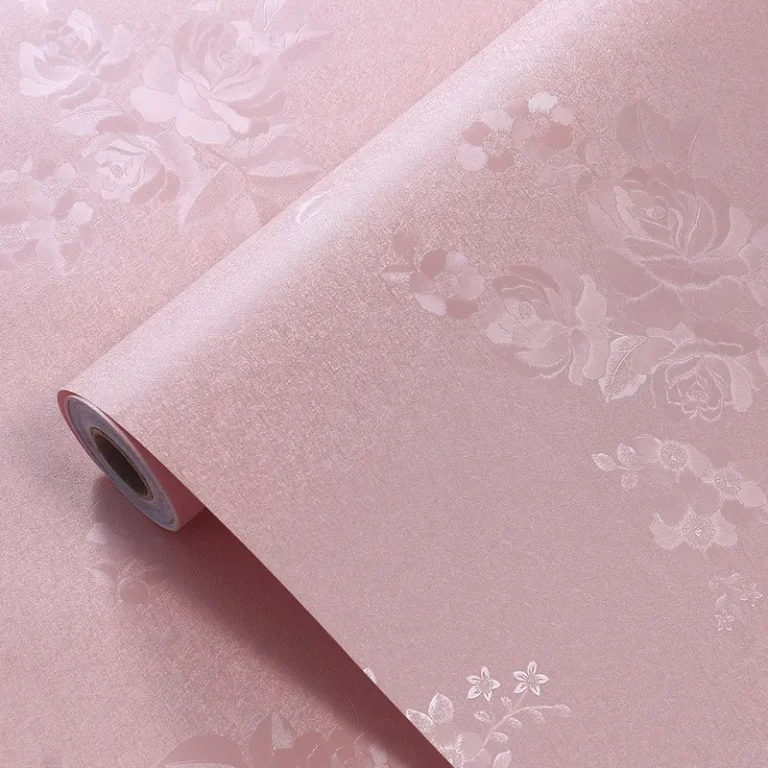
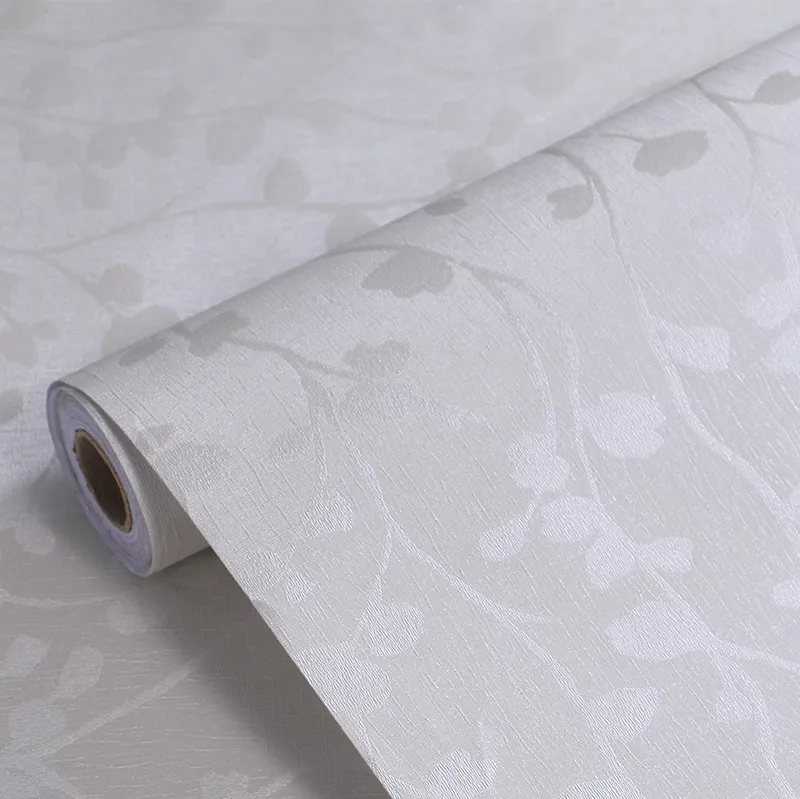
In decorative applications, transparent film works as a durable “clear coat” over printed or textured materials. For example, a clear protective layer can be paired with textured decorative films like 3D silk texture film to protect the surface while maintaining design depth and touch.
✔ Buyer reminder: PVC transparent film can be made compliant for indoor use and human contact when produced with appropriate formulations (e.g., free of heavy metals and restricted phthalates) and verified through documentation.
If you’re sourcing for regulated markets or sensitive environments, request compliance statements (e.g., REACH/RoHS/FDA where relevant) and batch traceability.
Thickness is the fastest way to narrow down options, but it shouldn’t be chosen alone. Two films with the same thickness can perform differently depending on softness, formulation, and surface treatment. Still, the ranges below are a reliable starting point for most purchasing decisions.
| Thickness Range | Typical Use | What to Watch |
|---|---|---|
| 50–100 μm | Light packaging, dust covers, temporary protection for low-abrasion surfaces | Easier to wrinkle; lower puncture resistance; requires careful handling |
| 100–200 μm | General protection film, laminations, wraps for products and panels | Balance of clarity and strength; confirm thickness tolerance across width |
| 200–500 μm | Heavy-duty surface protection, construction/renovation coverage, semi-rigid overlays | Higher stiffness; may need stronger adhesives or mechanical fixing in some applications |
| 0.5–2.0 mm | Clear sheets/curtains, partitions, durable covers, industrial barriers | Not “film-like” anymore; evaluate weight, drape, and long-term plasticizer migration needs |
Many failures come from thickness inconsistency, not the nominal micron value. For optical applications (clear overlay, display visibility), uneven thickness can increase haze and distortion. For protection applications, thin spots become early puncture points. When comparing suppliers, ask for thickness tolerance (e.g., ±5% or tighter), and whether thickness is measured across the full roll width.
Start with the primary goal. If the film is mainly for protection, prioritize puncture resistance and surface slip. If it’s for decoration, focus on clarity, gloss level, and color neutrality. If it’s for electronics, add anti-static performance to the spec.
• Glossy clear: best for maximum transparency and “wet look” shine; highlights surface quality underneath.
• Matte clear: reduces glare and fingerprints; useful for retail displays, interiors, and touchpoints.
• Light emboss: improves slip and handling, helps hide minor substrate defects, may reduce optical clarity slightly.
A soft film conforms to edges and curves and is easier to wrap, while a semi-rigid film lays flatter and can improve dimensional stability. If the film will face heat (sunlight near windows, hot warehouses, or machinery areas), discuss softening point and long-term aging with your supplier.
Functional coatings and additives turn a “generic” transparent film into an application-ready material. For example:
If you will print on the film, laminate it to boards, or use it with adhesives, request sample rolls for trial. Key converting specs include: surface energy (for ink/adhesion), shrinkage, tensile strength, and roll hardness/flatness.
To receive accurate quotations and avoid back-and-forth delays, include these details in your RFQ:
⚑ Quick sourcing path: If you need product guidance, technical selection, or OEM/ODM options, start from the supplier’s product and knowledge pages to align specs quickly.
For transparent film, visual quality is a functional requirement. Confirm how the supplier controls gels, black specks, fish eyes, and streaks. If the film overlays premium decorative surfaces, even minor defects can become highly visible under lighting.
Evaluate tensile strength, elongation, tear resistance, and puncture resistance based on real use conditions (sharp corners, repeated rubbing, temperature swings). For protective coverings in renovation or logistics, puncture and tear resistance often matter more than gloss.
If the film is for indoor décor, furniture surfaces, medical environments, or human contact, confirm that the formulation meets your market’s chemical restrictions and that supporting documentation is available (e.g., ISO systems and relevant third-party test reports when required).
If your product needs consistent appearance across large volumes or must perform in specific environments, customization pays off. OEM/ODM can adjust thickness, width, roll length, finish, and functional treatments (anti-fog/anti-static/food-grade), as well as packaging and labeling for export.
For businesses supplying multiple regions, consistency is not only about appearance—it also impacts customer complaints, installation efficiency, and rework cost. A supplier with full-process control (calendering, printing, slitting, and packaging) is typically better positioned to keep batches stable and delivery schedules predictable.
For general surface protection, 100–200 μm is a common starting point. For heavy-duty renovation protection or higher puncture risk, consider 200–500 μm and validate with real-site testing.
Usually yes—glossy surfaces tend to show higher apparent clarity, while matte reduces glare but can increase perceived haze. If you need both readability and low reflection, request samples of both finishes under your actual lighting.
Yes. Anti-static and anti-fog treatments are common customization options. Specify your performance target and usage environment (humidity, cleaning method, contact surfaces) to select the right formulation.
Ask for thickness tolerance, haze/gloss targets, defect control standards, compliance documents (as needed), packaging method, and whether the supplier can provide stable batch-to-batch consistency with traceability.
Provide application, thickness, width/roll length, finish, functional requirements, and estimated quantity. For faster alignment, share photos or a short description of the substrate and how the film will be applied, then request a trial roll before mass production.