Address
304 North Cardinal St.
Dorchester Center, MA 02124
Work Hours
Monday to Friday: 7AM - 7PM
Weekend: 10AM - 5PM
Address
304 North Cardinal St.
Dorchester Center, MA 02124
Work Hours
Monday to Friday: 7AM - 7PM
Weekend: 10AM - 5PM



PVC transparent film is a clear, flexible plastic sheet made from polyvinyl chloride (PVC). It’s widely used to protect surfaces, improve appearance, and deliver reliable performance in furniture, construction, electronics, advertising, medical, and home applications. Because it can be produced in many thicknesses and finishes, transparent PVC film can be tuned for everything from light-duty protection to high-durability industrial lamination.
Key takeaway:
Choosing the “right” transparent PVC film is mainly about thickness, hardness, surface treatment, and end-use conditions (heat, chemicals, abrasion, and required clarity).
For broader PVC options beyond transparency—such as decorative patterns and calendered bases—see
PVC film product categories.
PVC transparent film is produced by calendering or casting, resulting in a smooth and uniform sheet with controlled thickness and optical properties. Depending on formulation and processing, the film can be soft and highly flexible, or more rigid with stronger dimensional stability. In real-world purchasing, “transparent” may also include high-clarity (nearly glass-like), standard clear (slight haze), or tinted clear options.
Many factories use calendering to ensure stable thickness control and high output. If you want to understand the base material commonly used across multiple industries, you can review
calendered film
as a foundational category.
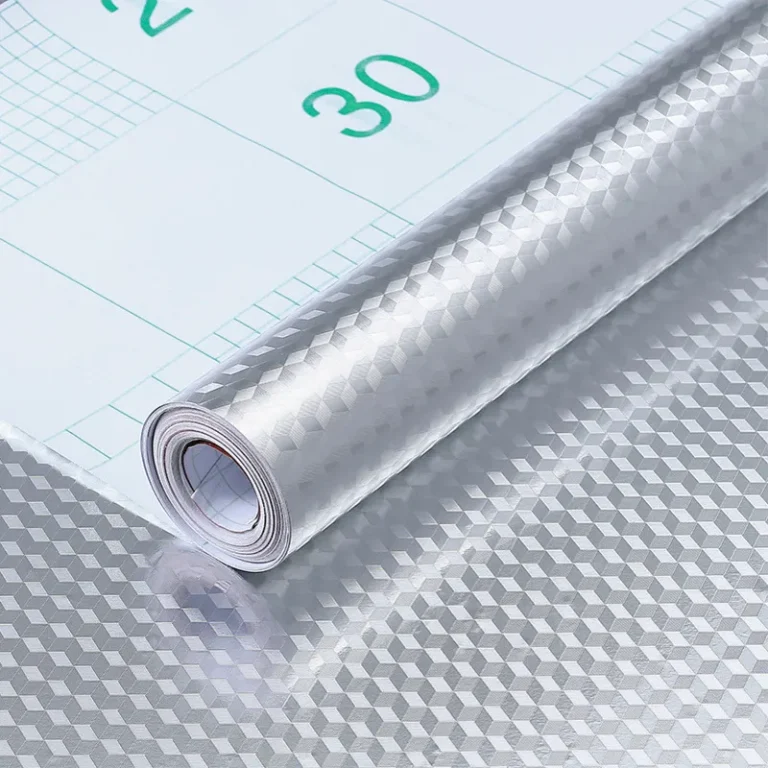
Single-layer clear film, multi-layer composites, coated clear film (anti-fog, anti-static), and self-adhesive clear film for quick installation.
Glossy clear, matte clear, embossed clear, frosted clear, or lightly textured surfaces to balance visibility with scratch hiding.
Transparent PVC film is valued for its combination of clarity, workability, and cost efficiency. Below are the most common application groups and what buyers typically prioritize in each.
Clear PVC film is often used as a protective layer on tabletop covers, cabinet panels, shelves, doors, and decorative boards. In these cases, buyers care about scratch resistance, stain resistance, and easy cleaning, while still keeping the underlying design visible.
✔ Practical tip:
If the film will be used on frequently touched surfaces (like desktops), consider a slightly thicker option with a surface finish that hides micro-scratches.
In construction and interior spaces, transparent PVC film can be used for protective overlays, partition protection, temporary covering during renovation, and functional lamination. In many projects, especially commercial ones, film selection must consider fire-related specifications, indoor air safety expectations, and durability under cleaning chemicals.
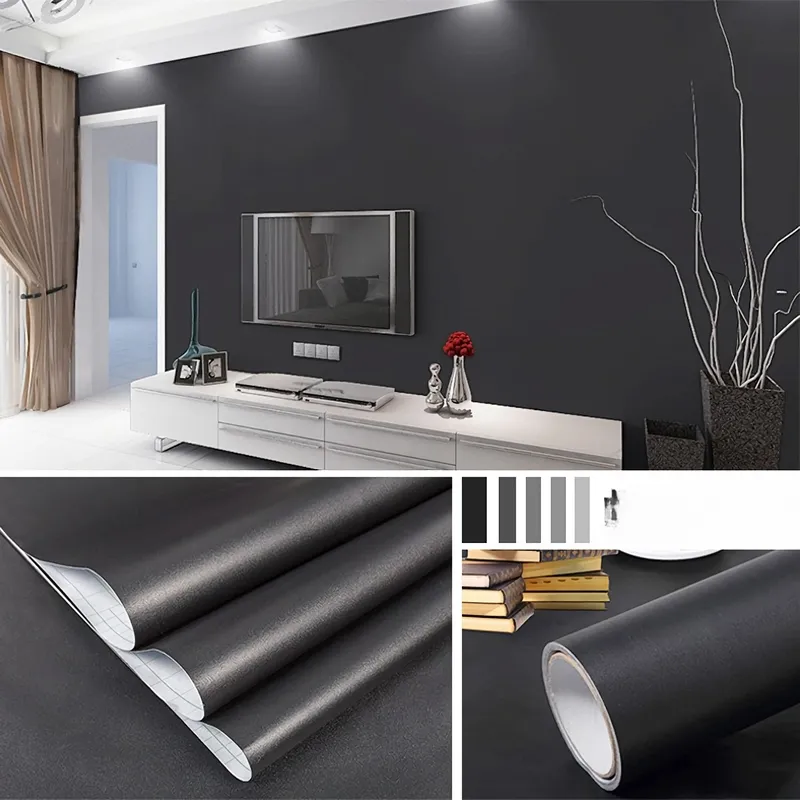
Transparent film is also commonly paired with decorative films (wood grain, marble, solid colors) as a clear protective top layer. For example, many wall-surface systems can include a base decorative layer such as
solid color wallpaper
with a clear protective approach depending on the design and maintenance needs.
Electronics and appliance applications often need consistent thickness and optional functional coatings, such as anti-static or insulation-related performance. Common uses include protective lamination, surface guarding during transportation/assembly, and light insulation barriers depending on the design.
Clear PVC film can be used to laminate printed materials to improve durability, protect against moisture, and extend display life. If the display is frequently handled or installed in high-traffic areas, buyers often request higher abrasion resistance or slightly textured clear surfaces to reduce glare and fingerprints.
For medical and cleanroom-related uses, purchasers focus on material safety, stable quality, and clean packaging. Depending on the use-case, anti-fog coatings or special barrier requirements may be added. When film comes into human-contact environments, buyers may also ask for compliance documentation (for example, REACH/RoHS/FDA-related needs depending on destination and application).
From high-clarity viewing to controlled haze for privacy or scratch masking, optical properties can be tuned to the job.
Can be slit, die-cut, laminated, and packaged efficiently; suitable for mass production and OEM workflows.
A practical option when you need reliable protection, stable supply, and manageable cost for large-volume projects.
What buyers like most:
Transparent PVC film is easy to maintain. Many surface contaminations can be cleaned with common household cleaners, helping reduce long-term upkeep in homes, retail, and offices.
If you’re comparing film types for different decorative surfaces (flooring, skirting, wall panels), browsing category examples like
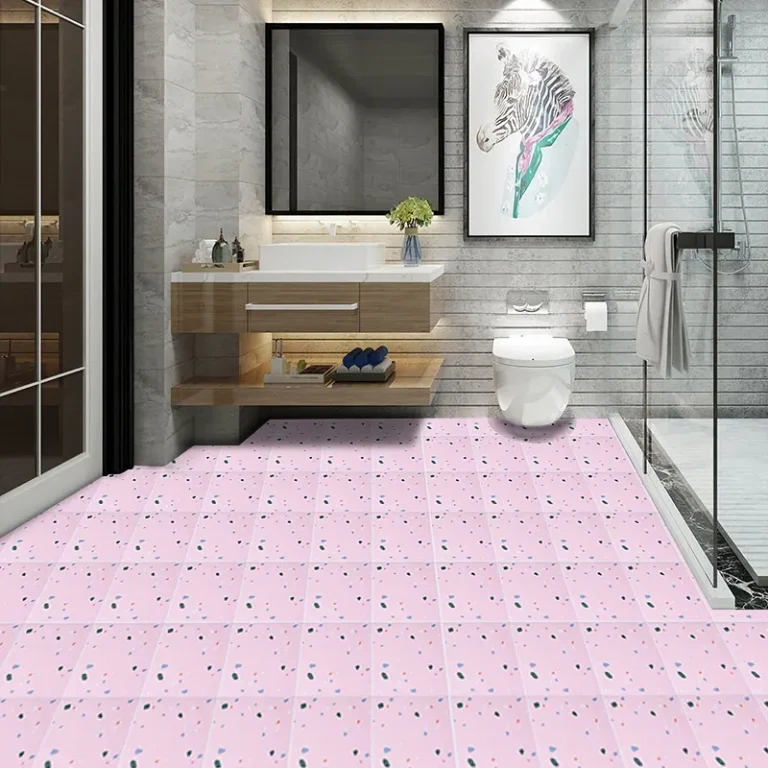
floor film
can help you align performance to the surface you’re protecting.
Thickness is one of the most important purchase parameters because it directly affects durability, stiffness, drape, and perceived quality. However, “best thickness” depends on the job, not the number.
| Thickness Range | Typical Feel | Common Uses | Selection Notes |
|---|---|---|---|
| 0.05–0.12 mm | Very flexible | Light protection, packaging overlays, temporary covers | Cost-effective; may show wrinkles; not ideal for heavy abrasion |
| 0.12–0.25 mm | Flexible with better body | General surface protection, laminations, furniture overlays | Good balance for daily-use surfaces |
| 0.25–0.50 mm | Semi-rigid | High-traffic protection, durable covers, industrial guarding | Improved impact resistance; watch bending radius limits |
| 0.50–1.00 mm+ | Rigid/strong | Specialty panels, heavy-duty barriers, structure-related overlays | Higher cost/weight; confirm forming method and final stiffness |
Thickness tolerance also matters. If your process requires consistent lamination or precision slitting, specify your acceptable tolerance range and testing method. For example, electronics and appliance workflows often need tighter thickness control than temporary protective covers.
Ask whether the film is meant to be a protective sacrificial layer, a decorative topcoat, or a functional film (anti-static, anti-fog, insulation). Many wrong purchases happen because the buyer starts with thickness only, without confirming the film’s job.
For displays, showcase cabinets, and premium surfaces, prioritize high transparency and low haze. For busy environments (restaurants, retail counters, public waiting areas), a slightly matte or micro-textured clear surface can reduce fingerprints and glare while still showing the substrate.
Softer films drape and conform better, especially around edges and curved surfaces, but may scratch easier. Harder films generally improve scratch resistance and dimensional stability but may be less forgiving during installation. If your product is frequently wiped down, surface hardness and coating choice often matter more than raw thickness.
◉ Common functional options:
Anti-fog for humid environments (bathrooms, cold/hot transition zones).
Anti-static for electronics assembly, dust control, and improved cleanliness.
Food-contact / safety-oriented coatings when required by the end-use and local regulations.
Easy-clean / stain-resistant for kitchens, retail counters, and high-touch areas.
Non-adhesive transparent PVC film is common for wraps, covers, and lamination where separate adhesive systems are used. Self-adhesive transparent film is chosen for faster installation and consistent bonding, but you should confirm adhesive type, peel strength, residue risk, and repositioning needs.
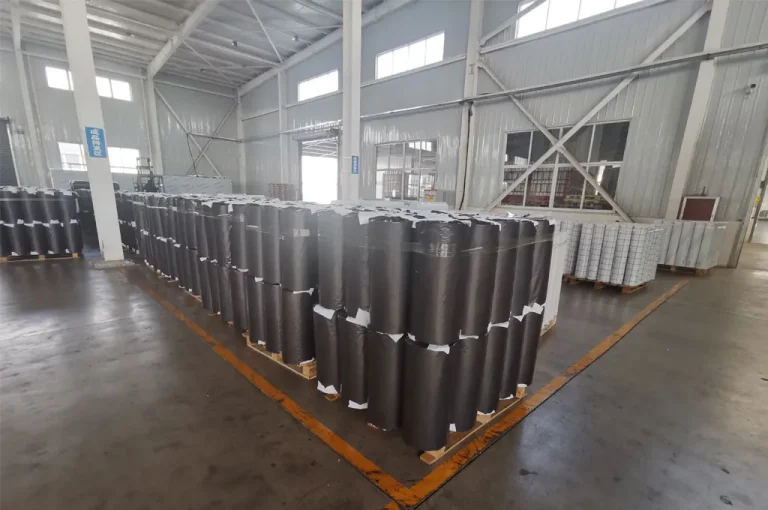
For stable transport and clean delivery, roll slitting accuracy and protective packaging matter. Many suppliers offer dust-protection PE wrapping or kraft-paper wrapping and labeled rolls for batch identification—helpful for large projects that need traceability and consistent reordering.
Procurement shortcut:
When requesting a quote, prepare: thickness, width, roll length, clarity/haze target, finish (gloss/matte), hardness, surface treatments, application method, and annual volume.
If you need formal responses on MOQ, lead time, global shipping, or compliance documentation, you can check the supplier’s
FAQ page
or submit requirements through the
contact form.
Ultra-clear glossy films look premium but may show scratches and fingerprints faster. If the surface will be touched often, consider a finish that balances appearance and maintenance.
If your end users regularly wipe surfaces with alcohol-based cleaners or strong detergents, confirm compatibility. A film that looks perfect in the sample stage can haze or harden prematurely under aggressive cleaning.
In environments with heat exposure (near kitchen appliances, sunlit windows, or warm machinery), confirm the film’s tolerance and whether it needs a stabilizing formulation. Also consider storage conditions: tightly wound rolls stored in high heat may develop blocking or print-through.
For long-term projects, consistent thickness, gloss, and clarity are crucial. Ask about QC checkpoints (raw materials, in-process checks, finished-roll testing) and whether batch traceability is available.
Focus on abrasion resistance, surface feel, and visual uniformity for premium panels and daily-use surfaces.
Emphasis on durability, cleaning resistance, and stable supply for large-area projects and renovations.
Requires tight thickness tolerances, optional anti-static performance, and predictable processing in production lines.
Looks + durability: clarity, gloss control, and resistance to handling and transport damage.
Transparent PVC film is often ordered as an OEM material to fit specific equipment and end products. Common customization items include thickness and tolerance, width and roll length, surface finish (gloss/matte/emboss), color tint, functional coatings (anti-fog, anti-static), and packaging format. If you are running repeated production batches, aligning on a stable specification sheet helps keep results consistent and reduces rework.
◉ Quality documents often requested:
ISO management certificates, REACH/RoHS compliance, and application-related test reports. If your market requires food-contact suitability, ask for the appropriate supporting documentation.
Choosing thickness without considering finish:
A thin matte film can outperform a thicker glossy film in scratch visibility for certain high-touch settings.
Not clarifying temperature/cleaning exposure:
Heat and cleaners can change optics over time; specify real conditions early.
Skipping trial evaluation:
Always test in your own process (lamination, die-cutting, bonding) before scaling the order.
Ignoring packaging and roll handling:
Poor packaging leads to edge damage or contamination that ruins clarity-focused applications.
1) What thickness of PVC transparent film should I choose for surface protection?
For general daily-use protection, many projects start around 0.12–0.25 mm. High-traffic or impact-prone surfaces often move toward 0.25–0.50 mm. The best choice depends on abrasion, handling frequency, and required stiffness.
2) Is transparent PVC film safe for indoor use?
Many suppliers provide options designed for indoor environments, including compliant formulations and safe inks/coatings where applicable. If you have compliance requirements (REACH/RoHS/FDA-related), request the matching documentation for your specific application.
3) What’s the difference between glossy clear and matte clear PVC film?
Glossy clear offers higher shine and “wet look” clarity, but can show fingerprints and micro-scratches more easily. Matte clear reduces glare and often hides minor wear better, making it practical for high-touch areas.
4) Can I order custom widths, roll lengths, and functional coatings?
Yes. OEM/ODM orders commonly customize thickness, width, roll size, finish, and treatments like anti-fog or anti-static. Provide your end-use details so the supplier can recommend the right formulation and structure.
5) How do I request samples or a quotation efficiently?
Send your required specification (application, thickness, width, roll length, finish, and quantity) and ask for sample recommendations that match your process. For fast coordination