Address
304 North Cardinal St.
Dorchester Center, MA 02124
Work Hours
Monday to Friday: 7AM - 7PM
Weekend: 10AM - 5PM
Address
304 North Cardinal St.
Dorchester Center, MA 02124
Work Hours
Monday to Friday: 7AM - 7PM
Weekend: 10AM - 5PM



 ByPulivk
Polyvinyl chloride (PVC) vinyl film is one of the most versatile and cost-effective materials used across industries today. From interior decoration to industrial packaging, its adaptability makes it a top choice for manufacturers, designers, and contractors. Understanding the different pvc vinyl film types, their specific applications, and key selection criteria is essential to achieving both functional performance and aesthetic goals. This guide breaks down everything you need to know about pvc vinyl film in a clear, structured way.
PVC vinyl film is a thin, flexible thermoplastic material produced through calendering or extrusion processes. It can be formulated as rigid or flexible sheeting, transparent or opaque, and finished with a wide range of textures, colors, and surface effects. The material’s core composition includes PVC resin, plasticizers, stabilizers, and performance additives that determine its mechanical properties, durability, and appearance. Because of its exceptional printability and formability, pvc vinyl film serves as a go-to material in the wood grain film and decorative laminates market.
The pvc vinyl film category is broad, but it can be grouped into a few core families based on manufacturing method and end-use formulation. Each type carries distinct characteristics that suit specific environments.
Produced by passing a heated PVC compound through a series of rollers, calendered film offers excellent thickness uniformity and surface quality. This type includes transparent film, frosted film, embossed film, pearlescent film, and pvc vinyl film with antistatic or self-adhesive properties. Calendered grades are widely used in stationery, packaging, car stickers, and graphic arts. According to ASTM PVC Film Standard D1593, these films meet specific requirements for nonrigid vinyl chloride plastic sheeting.
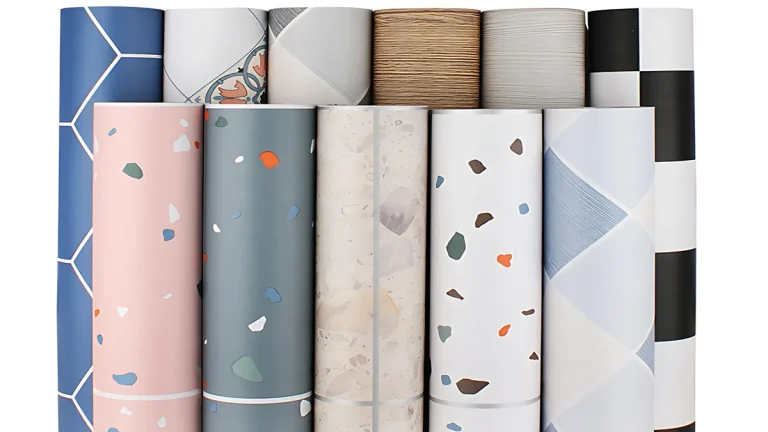
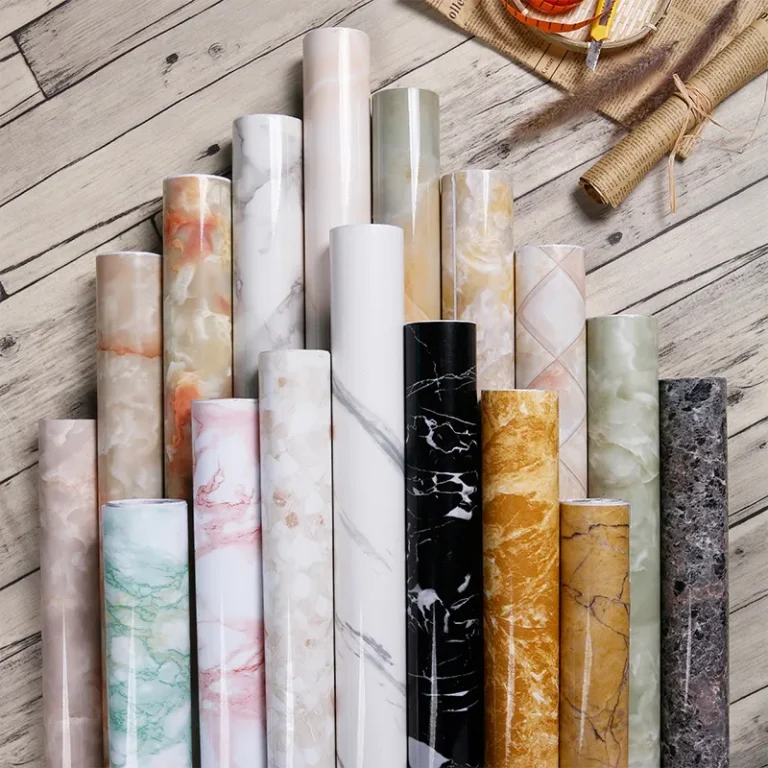
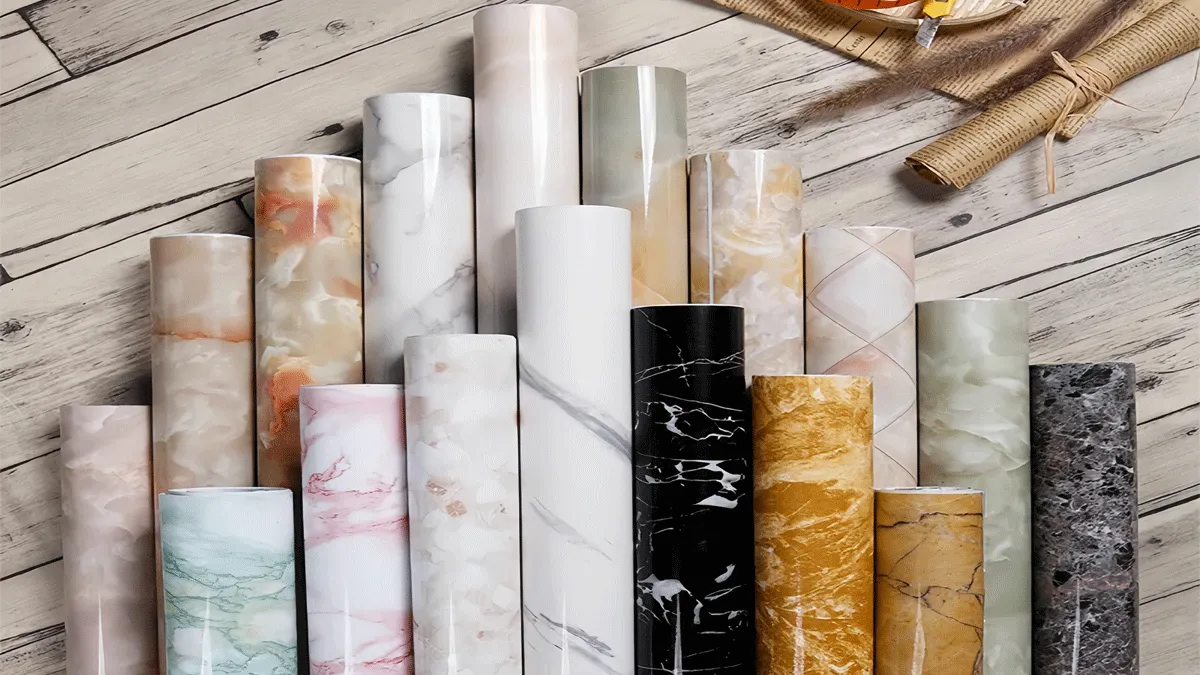
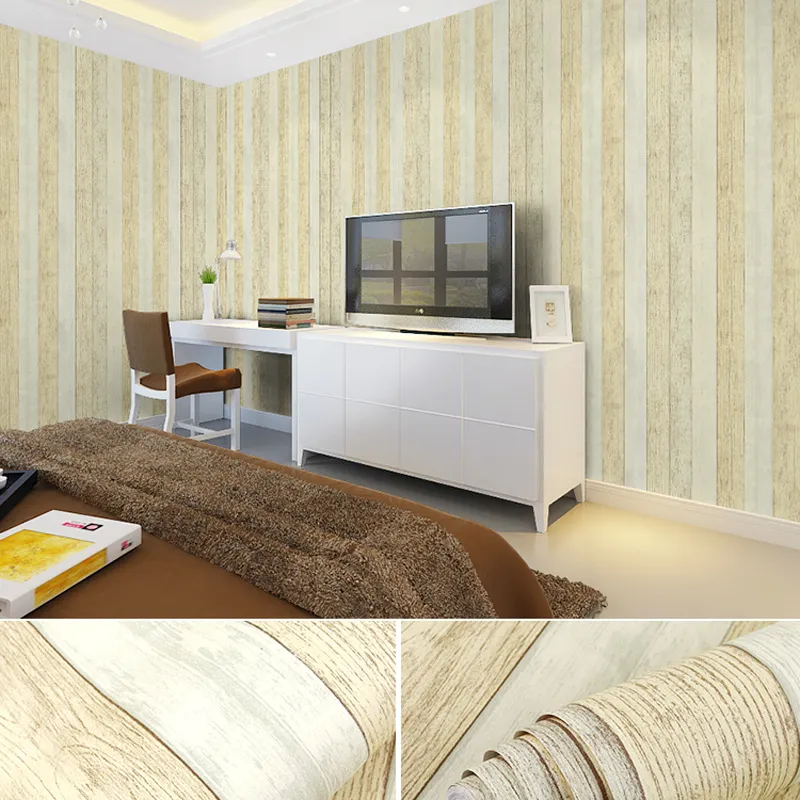
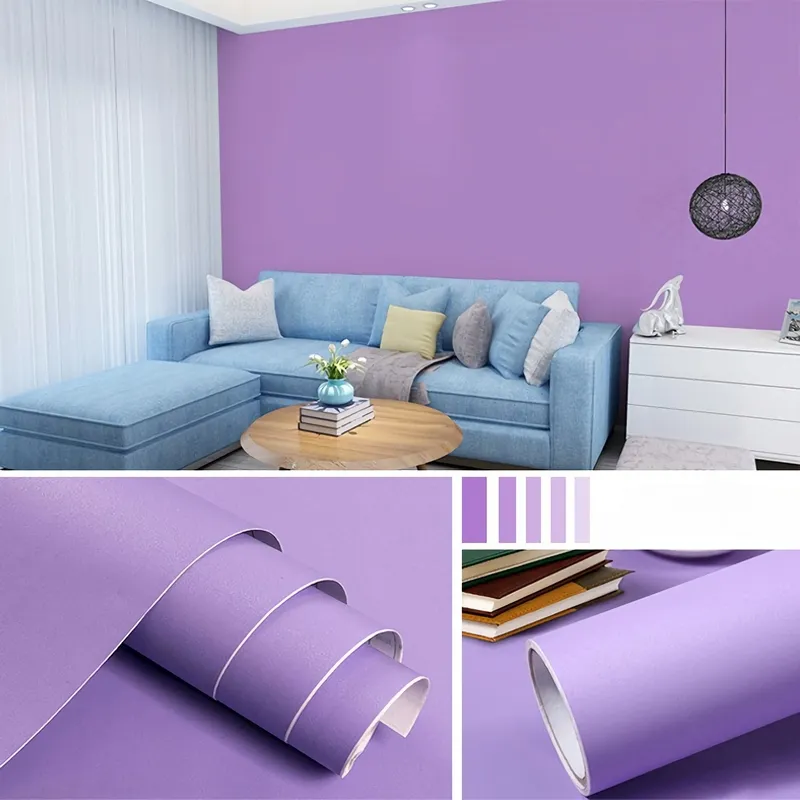
This category focuses on aesthetic surface finishes for furniture, interior walls, doors, and ceilings. Popular designs include marble film, glossy film, matte film, cloth grain film, stone grain film, and solid color film. Advanced manufacturing techniques enable 3D embossed textures, brushed metal effects, and art grain patterns that replicate natural materials at a fraction of the cost. These decorative films bring both beauty and protection to substrates like MDF, particleboard, and plywood.
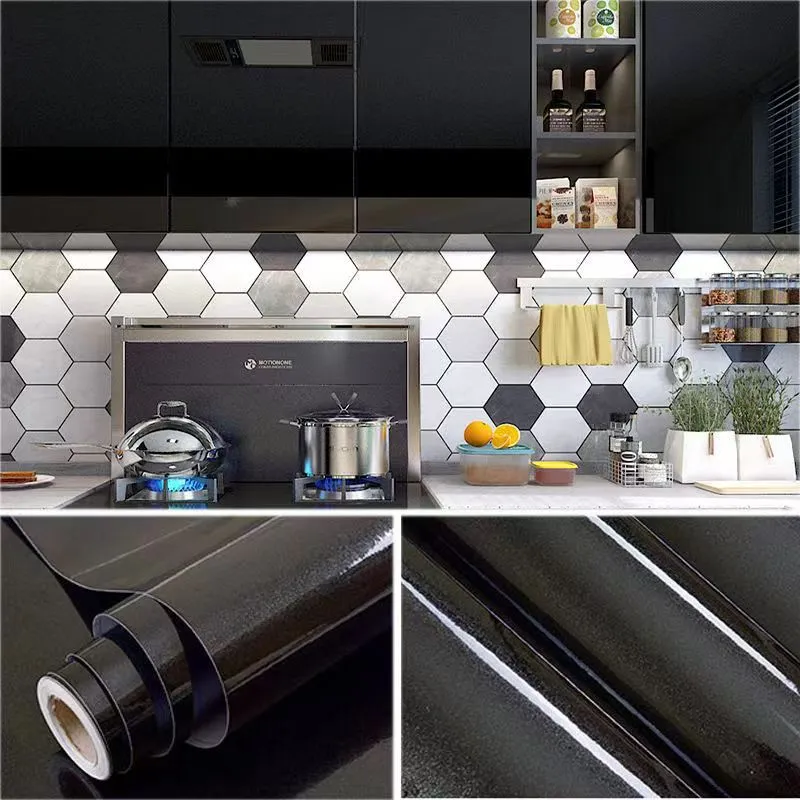
Beyond decoration, pvc vinyl film solves practical problems across industries. Anti-static films protect sensitive electronics during manufacturing and transport. UV-resistant formulations extend outdoor service life for signage and automotive applications. Anti-fog films maintain clarity in humid environments, while anti-scratch films preserve surface quality on high-touch products. Kitchen anti-oil films and waterproof shower curtain films represent popular consumer applications of functional PVC sheeting.
PVC vinyl film finds its way into an incredibly diverse range of products and sectors. Below is a summary of major application areas:
| Industry | Common Applications |
|---|---|
| Furniture Manufacturing | Table tops, cabinet doors, wardrobe surfaces, shelving |
| Building & Construction | Wall panels, ceiling materials, partition films, stone pattern wall coverings |
| Flooring | floor film, vinyl kitchen flooring, bathroom floor stickers |
| Electronics & Appliances | Protective films, insulation films, appliance panel lamination |
| Advertising & Exhibitions | Lightbox films, advertising stickers, exhibition backdrops |
| Medical & Cleanroom | Antibacterial films, cleanroom packaging, protective barriers |
| Household Goods | Tablecloths, shower curtains, window films, shelf liners |
Why do so many industries rely on pvc vinyl film? The advantages stack up quickly when you examine performance, cost, and design flexibility.
Selecting the optimal pvc vinyl film for your project involves evaluating several technical and practical factors. Making the right choice upfront prevents performance issues and unnecessary costs later.
Will the film be used indoors or outdoors? Outdoor applications require UV-stabilized formulations to resist weathering. In high-humidity areas like bathrooms and kitchens, waterproof and anti-mold properties become critical. For furniture surfaces that see frequent contact, scratch resistance and abrasion performance should be prioritized. The intended substrate — MDF, glass, metal, or plastic — also influences which film type and adhesive system will work best.
The tactile and visual qualities of pvc vinyl film vary enormously. Glossy films create a sleek, modern appearance suitable for wardrobe doors and high-end furniture. Matte finishes reduce glare and hide fingerprints, making them ideal for work surfaces. Wood grain and stone textures bring natural warmth to interior spaces, while 3D embossed films add depth and a premium feel. Always request physical samples to evaluate texture, color accuracy, and light fastness before committing to a bulk order.
Thickness, width, and roll length specifications must align with your production equipment. Confirm the film’s dimensional stability under heat — relevant standards include PVC Film Dimensional Stability test methods. For transparent films, haze and light transmittance values help predict visual clarity. For flooring applications, wear layer thickness and slip resistance ratings are critical safety considerations.
If your products are destined for markets with strict chemical regulations, verify that the pvc vinyl film you select meets applicable standards. RoHS compliance restricts hazardous substances in electronic applications. REACH regulations govern chemical safety in the European Union. For food contact applications, specific FDA and EU directives apply. A reputable supplier should provide documentation confirming compliance with relevant standards.
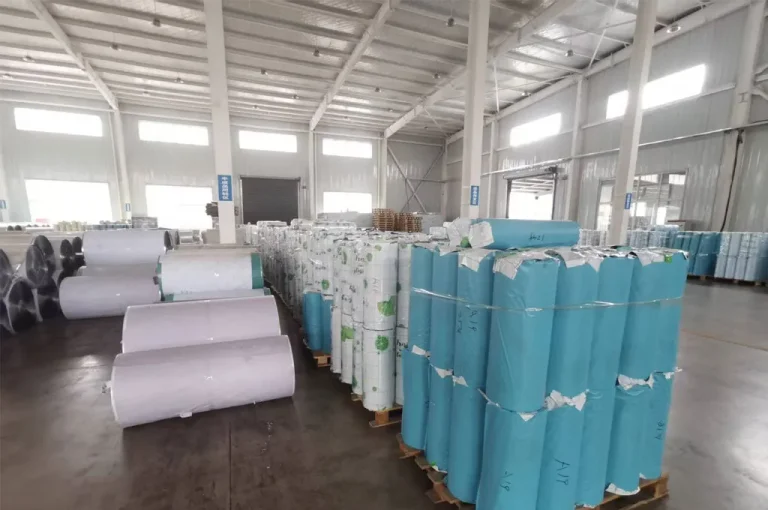
Working directly with a manufacturer that controls the entire production chain — from raw material processing to finished packaging — offers significant advantages in quality consistency, lead time stability, and cost control. Henan Pulivk New Materials Co., Ltd. operates advanced calendering lines, printing lines, and split-packaging lines under one roof. This integrated approach, combined with years of global export experience to Southeast Asia, the Middle East, Europe, and beyond, ensures reliable supply and responsive technical support. For those seeking glossy wardrobe film or custom decorative solutions, working with a full-service manufacturer streamlines the development process.
| Parameter | Available Range | Typical Application |
|---|---|---|
| Thickness | 0.03 mm – 0.50 mm | Packaging films (thin), furniture lamination (medium), flooring (thick) |
| Width | Up to 1500 mm | Custom slitting available for specific roll widths |
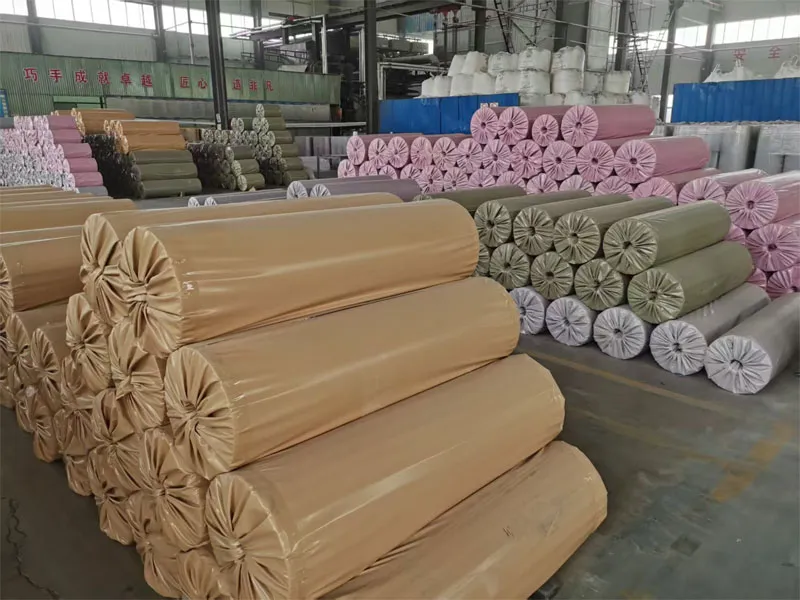
| Roll Length | Custom fixed-length rolls | Individually wrapped in PE film or kraft paper |
For businesses looking to differentiate their product lines, pvc vinyl film suppliers often provide extensive customization options. Custom colors can be matched to Pantone references or physical samples. Surface textures and gloss levels are adjustable through embossing roller selection and formulation tweaks. Private label packaging, branded labeling, and custom roll dimensions support seamless integration into existing production workflows. Split packaging services cut full master rolls into smaller, ready-to-use lengths, each individually wrapped and labeled for efficient inventory management.
Consistent film quality directly impacts manufacturing efficiency and end-product durability. Leading producers implement multiple quality checkpoints throughout production, from incoming raw material inspection to final packaging verification. Automated optical inspection systems detect surface defects in real time. Precision thickness gauges ensure uniformity across the web. Physical property testing — including tensile strength per ISO Plastic Tensile Testing, tear resistance, and thermal shrinkage — validates performance against published specifications. When evaluating pvc vinyl film suppliers, ask about their quality assurance protocols and request test reports for the specific grade you are considering.
Modern pvc vinyl film formulations include lead-free and phthalate-free options that comply with RoHS and REACH standards. The industry is also advancing circular economy initiatives, with programs like PVC Circular Economy promoting recycling and waste reduction across the value chain.
For standard products, MOQ typically starts at around 3,000 square meters per design. Custom colors or specialty formulations may require higher minimums. Always check with your supplier for specific requirements based on your project scope.
Yes. Depending on the product type, pvc vinyl film can be applied to plasterboard, glass, ceramic tile, and other suitable wall surfaces. The appropriate film grade and application method should be selected based on the substrate condition and expected service environment.
UV-stabilized outdoor-grade films can provide several years of service without significant yellowing or embrittlement. Actual durability depends on the specific formulation, climate conditions, and exposure intensity. Discuss your outdoor performance requirements with the film manufacturer to select the right product.