Address
304 North Cardinal St.
Dorchester Center, MA 02124
Work Hours
Monday to Friday: 7AM - 7PM
Weekend: 10AM - 5PM
Address
304 North Cardinal St.
Dorchester Center, MA 02124
Work Hours
Monday to Friday: 7AM - 7PM
Weekend: 10AM - 5PM



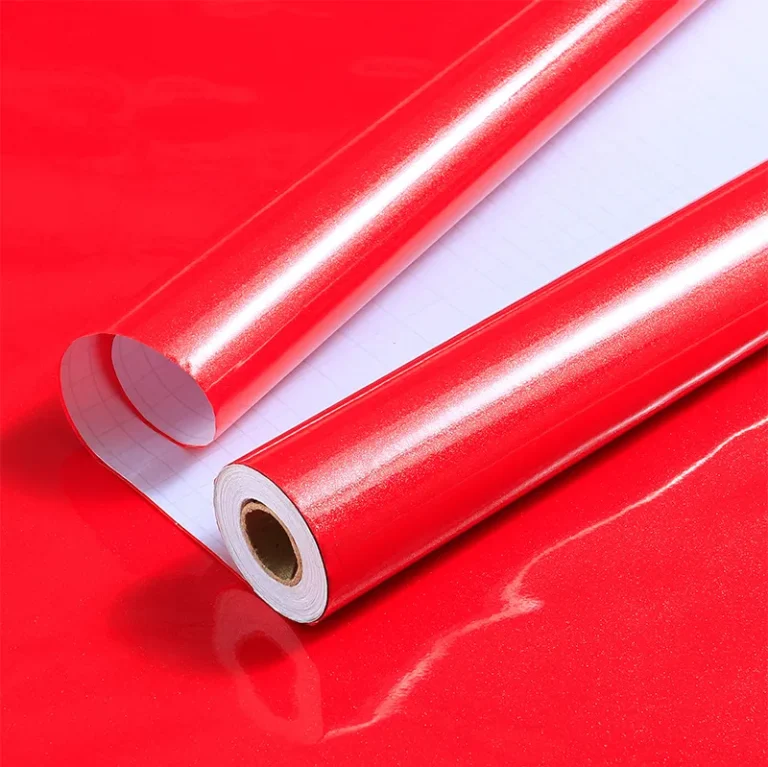
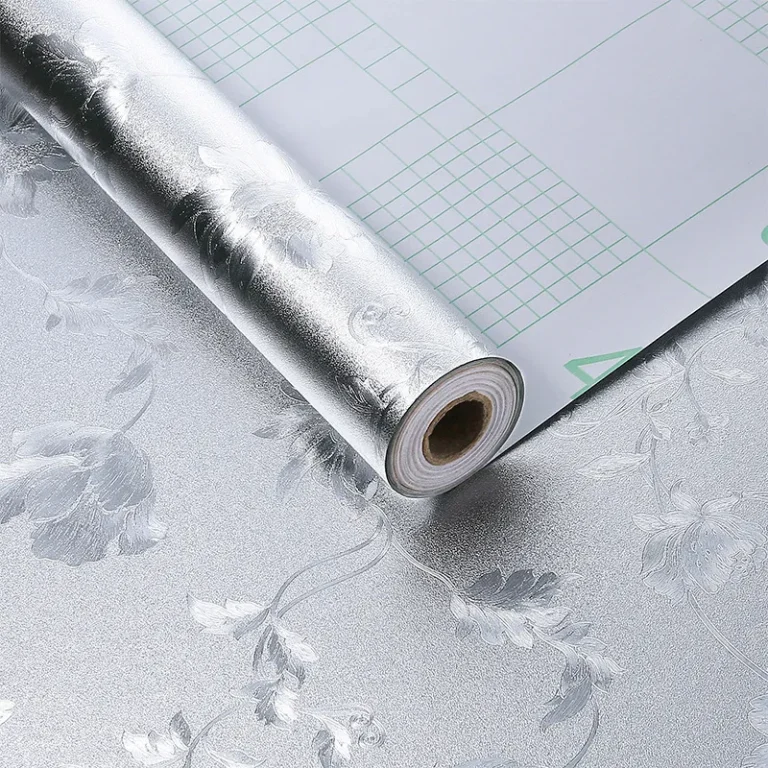
Self-adhesive PVC film, a versatile and user-friendly material, has revolutionized DIY projects and professional applications alike. This thin, flexible sheet made from polyvinyl chloride comes with a pressure-sensitive adhesive backing, allowing for easy application to various surfaces without the need for additional glues, solvents, or specialized tools. Its popularity stems from its ability to transform and protect surfaces quickly and affordably.
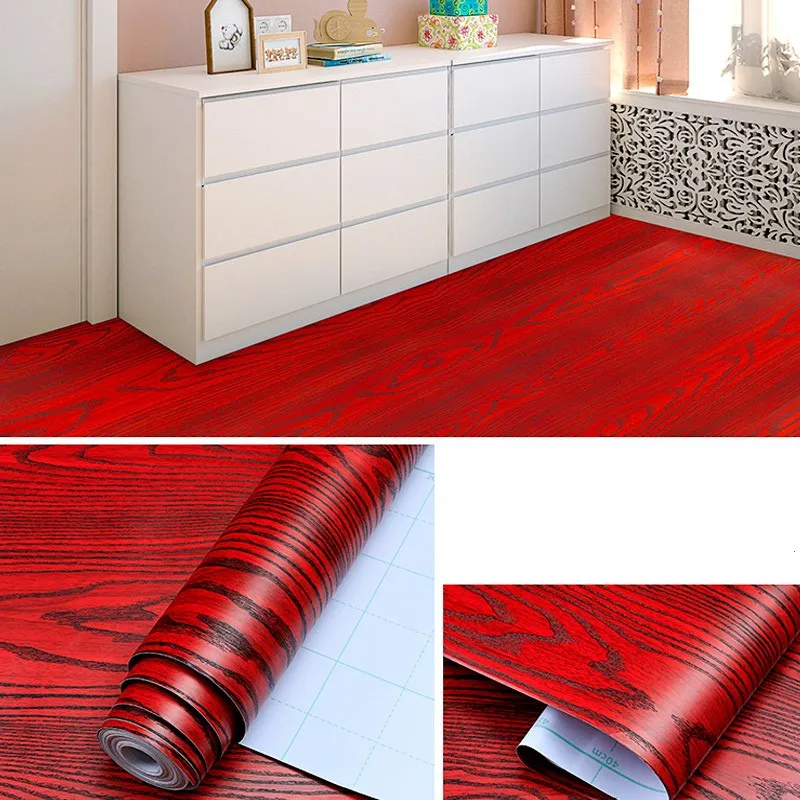
At its core, self-adhesive PVC film is a decorative and functional laminate. The PVC base provides durability, flexibility, and a printable surface, while the integrated adhesive layer enables instant bonding. Unlike traditional vinyls, high-quality self-adhesive PVC films offer better dimensional stability, resistance to chemicals and moisture, and a wider range of textures and finishes. They are designed for both temporary use and long-term applications, making them a staple in homes, offices, and industries worldwide.
Key Takeaway: The “self-adhesive” feature is the game-changer. It eliminates the mess and skill barrier associated with liquid adhesives, opening up creative possibilities for everyone.
The utility of self-adhesive PVC film spans countless domains. Its primary function is surface renewal and protection.
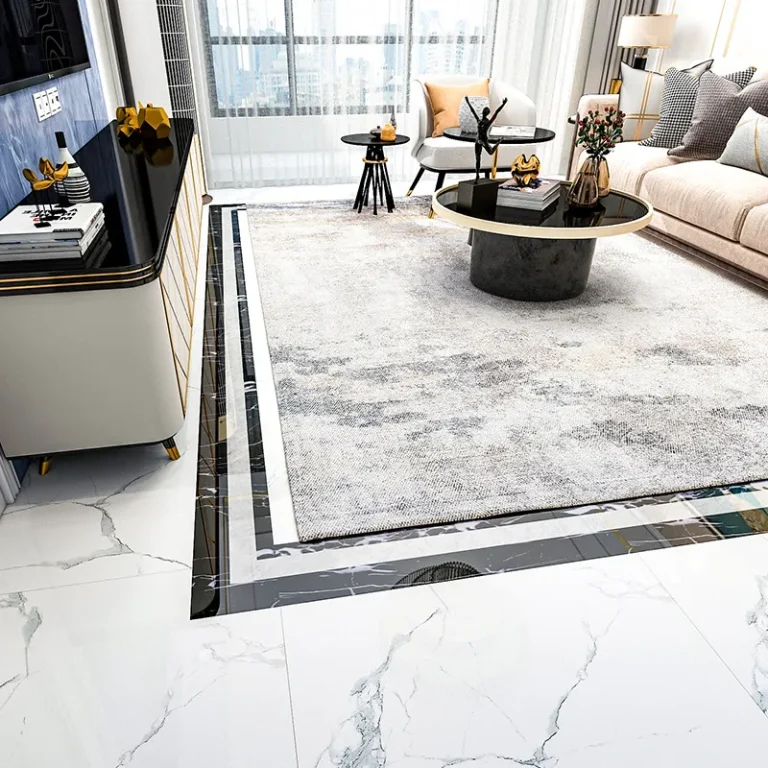
This is where the film shines brightest for DIY enthusiasts. It is perfect for updating kitchen cabinets, covering old countertops, refreshing appliance fronts, or creating a stylish accent wall. It can mimic expensive materials like wood, marble, or metal at a fraction of the cost. For flooring, specific floor films and bathroom floor stickers offer water-resistant and easy-to-clean surfaces.
Professionals and manufacturers use it to finish furniture, shelves, and cabinet doors. Films with wood grain textures or high-gloss finishes are particularly popular for creating modern, seamless looks in bedrooms, living rooms, and offices.
In retail, it’s used for signage, window displays, and product branding. In offices, it covers partitions and desks. Industrially, it acts as protective masking during painting or machining, and as a durable, cleanable surface for laboratory equipment or cleanroom walls.
From interior trim wraps to exterior protective films, its applications are growing. Specialized films include anti-graffiti coatings for public spaces and kitchen anti-oil films for backsplashes.
Not all self-adhesive films are created equal. Choosing the right type is crucial for project success.
The surface you’re applying to (wood, metal, glass, plastic, painted wall) dictates the required film type. Films for smooth, non-porous surfaces differ from those designed for slightly textured or porous substrates. Always check the manufacturer’s specifications.
Navigating the purchase of self-adhesive PVC film involves several key considerations to ensure you get the right product for your job.
Measure the surface area (length x width) and add at least 10-15% extra for pattern matching, mistakes, and future repairs. Films are typically sold in rolls of specific widths (e.g., 24″, 36″, 48″) and lengths. Knowing your required roll width can minimize seams.
Thickness, measured in mils (thousandths of an inch) or microns, affects durability and handling.
2-4 mil: Light-duty, temporary, easy to apply.
5-8 mil: Standard for furniture and walls, good durability.
10+ mil: Heavy-duty for floors, countertops, high-traffic areas.
Look for films with:
✅ UV Resistance: Prevents fading from sunlight.
✅ Quality Adhesive: Should be initially repositionable but cure to a strong, bubble-free bond.
✅ Scratch & Stain Resistance: Check for a protective top coat.
✅ Certifications: For indoor use, ensure low VOC emissions and compliance with safety standards like REACH or FDA (for specific applications).
Partnering with a manufacturer like Pulivk Film offers distinct advantages. As a specialist in calendered film production, they control the entire process—from raw material to finished roll. This ensures consistent quality, allows for strict quality control checks at every stage, and often results in better cost efficiency. Their ability to offer OEM/ODM customization means you can get the exact thickness, width, color, and pattern you need, even for specialized products like PVC skirting film. Their global export experience also guarantees that packaging and logistics are handled professionally.
Always order a small sample first. Test it for color accuracy under your lighting, ease of application, adhesion to your specific substrate, and cleanability. This small step can prevent costly and frustrating mistakes on the main project.
Proper preparation and technique are 90% of the success.
It depends on the film type and the surface. Removable films are designed for clean removal. Permanent films, especially on porous surfaces like unfinished wood or drywall, may leave adhesive residue or even peel off some surface material. Always test on an inconspicuous area first and use gentle heat (from a hairdryer) to soften the adhesive during removal.
Yes, but you must select films specifically labeled as waterproof, moisture-resistant, or washable. These have enhanced adhesives and top coats that prevent water seepage and edge lifting. Ensure all edges are properly sealed, especially around sinks and showers. It is ideal for covering tiles or creating a new backsplash.
Prevention is key: use the hinge method and smooth gradually. For small bubbles, you can often pierce them with a fine needle and press the air out. For larger ones, gently lift the film back to the bubble and re-apply, smoothing it down. A plastic squeegee is your best tool for this.
It is challenging. Self-adhesive film works best on smooth, flat surfaces. Lightly textured surfaces might be covered, but the texture will likely show through (telegraph). For heavily textured walls, it is not recommended as the adhesive cannot make full contact, leading to poor adhesion and bubbling. Consider smoothing the wall first with a filler or primer.
Lifespan varies by quality, environment, and application. High-quality, permanent films applied indoors to a prepared surface can last 5-10 years or more. Films in high-sunlight, high-moisture, or high-traffic areas will have a shorter lifespan. Removable varieties are typically designed for 1-3 years of use.