Address
304 North Cardinal St.
Dorchester Center, MA 02124
Work Hours
Monday to Friday: 7AM - 7PM
Weekend: 10AM - 5PM
Address
304 North Cardinal St.
Dorchester Center, MA 02124
Work Hours
Monday to Friday: 7AM - 7PM
Weekend: 10AM - 5PM


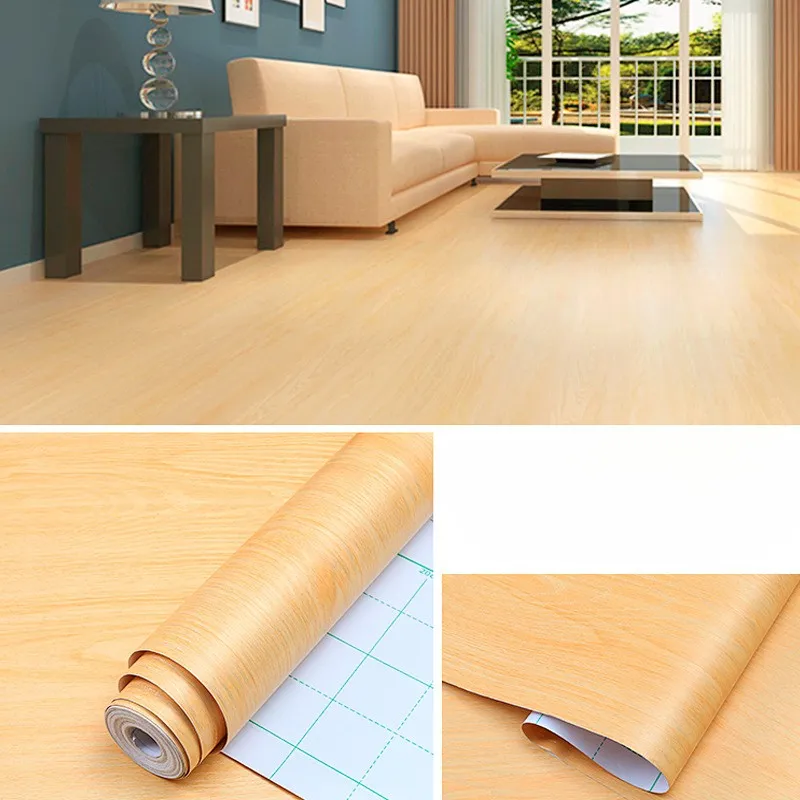
Self-adhesive PVC films represent a remarkable fusion of functionality and versatility in modern material science. These thin, flexible sheets, coated with a pressure-sensitive adhesive on one side, have revolutionized countless industries by offering an efficient, cost-effective, and aesthetically pleasing solution for surface covering, protection, and decoration. Unlike traditional adhesives that require separate application, the integrated adhesive layer allows for quick, clean, and permanent bonding to a vast array of substrates, including wood, metal, glass, plastic, and plaster.
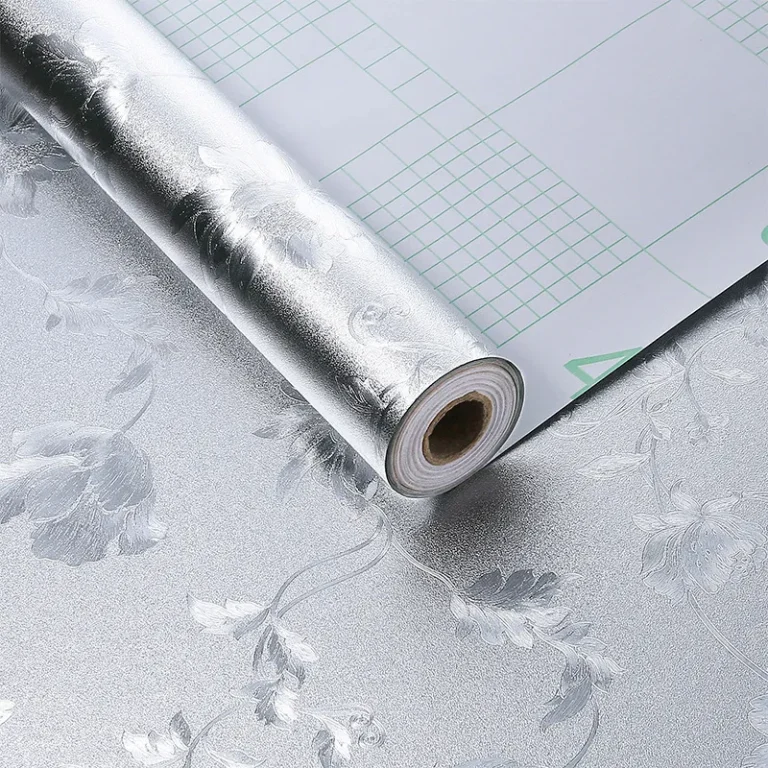
The widespread adoption of self-adhesive PVC films is driven by a compelling set of advantages. Their ease of application saves significant time and labor costs, as they can often be applied by end-users or installers without specialized tools or messy wet adhesives. They provide a durable, often waterproof, protective layer that guards surfaces against scratches, stains, moisture, and UV radiation. From a design perspective, they offer unparalleled creative freedom, enabling instant transformations with realistic wood grains, sleek metallic finishes, vibrant solid colors, or intricate patterns like 3D silk textures.
Key Application Areas Include:
The market offers a rich variety of self-adhesive PVC films, each engineered with specific properties to meet different demands. Understanding these types is crucial for selecting the right product for your project.
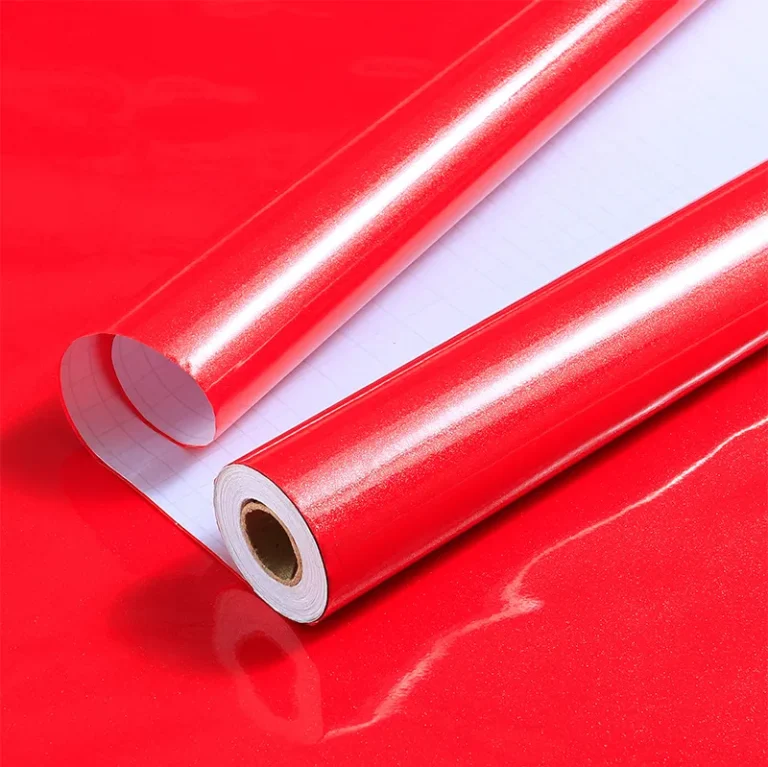
Glossy Films: Deliver a high-shine, reflective surface that enhances color vibrancy and creates a modern, sleek look. Ideal for cabinets, appliances, and decorative accents where a bright finish is desired.
Matte & Soft-Touch Films: Provide a non-reflective, smooth surface with a luxurious tactile feel. They are excellent for hiding fingerprints and minor imperfections, perfect for furniture, electronics, and high-touch areas.
Textured Films: These include wood grain, leather, linen, stone, and geometric patterns. They add depth and realism to surfaces, mimicking natural materials at a fraction of the cost and installation complexity.
General Purpose Films: The most common type, suitable for indoor decoration and light-duty protection on stable surfaces.
High-Performance & Industrial Films: Feature enhanced durability, chemical resistance, extreme temperature tolerance, or outdoor weatherability. Used in automotive, marine, and harsh industrial environments.
Specialty Films: This category includes films with added functionalities:
While standard rolls are readily available, the true power of self-adhesive PVC film is unlocked through customization. Leading manufacturers like Pulivk Film offer comprehensive OEM/ODM services, transforming generic material into a precise component of your product or project. This process begins with a detailed consultation to understand the application’s mechanical, environmental, and aesthetic requirements.
Customization can occur across several dimensions:
➤ Physical Specifications: Films can be produced in exact thicknesses (from ultra-thin to heavy-duty), widths, and roll lengths to minimize waste and fit specific machinery, such as automated calendering lines.
➤ Adhesive Formulation: The adhesive itself can be customized. Options include permanent bonding for rigid surfaces, removable/repositionable adhesives for temporary applications, and low-tack adhesives for delicate substrates.
➤ Color & Design Matching: Using advanced digital and rotary printing technologies, manufacturers can match any Pantone color or replicate complex patterns, logos, and artwork with high fidelity. This is essential for brand consistency in retail or corporate environments.
➤ Surface Treatment & Lamination: Additional layers can be added for protection (e.g., scratch-resistant top coats) or function (e.g., anti-fog layers). Films can also be laminated to other materials like non-woven fabrics for added strength.
This level of customization ensures the final product performs optimally in its intended environment, whether it’s a durable kitchen floor, a branded retail fixture, or a specialized industrial component.
Choosing a supplier is a critical decision. Look for a partner with vertical integration, controlling the entire process from raw material compounding and calendering to printing and slitting. This guarantees quality consistency, cost efficiency, and reliable lead times. A strong R&D department indicates an ability to solve novel challenges and develop new formulations. Furthermore, ensure the supplier adheres to international quality (ISO 9001) and environmental (ISO 14001, REACH, RoHS) standards, providing necessary compliance documentation for your market.
Consider the substrate material (smoothness, porosity), the application environment (indoor/outdoor, exposure to moisture, chemicals, or UV light), the required durability and lifespan, the desired aesthetic finish, and any regulatory compliance needs (fire rating, food contact, etc.).
Yes, but only films specifically formulated for outdoor use. These contain UV stabilizers to prevent fading and cracking, and adhesives designed to withstand temperature fluctuations and moisture. Always verify the film’s technical data sheet for outdoor suitability.
The surface must be clean, dry, smooth, and free of dust, grease, or loose particles. Use isopropyl alcohol or a mild detergent for cleaning. For porous or uneven surfaces, a primer may be recommended by the manufacturer to ensure proper adhesion.
Calendered film is produced by pressing molten PVC compound between heavy rollers. It is generally more cost-effective, has excellent dimensional stability, and is ideal for rigid applications like furniture laminates. Cast film is made by spreading a liquid PVC mixture onto a moving belt. It typically offers higher clarity, better conformability to complex shapes, and superior low-temperature flexibility, making it preferred for vehicle wraps and contoured surfaces.
Modern PVC films can be produced with a focus on sustainability. Look for films that are phthalate-free, use non-heavy metal stabilizers, and are REACH/RoHS compliant. Some are also recyclable. The long service life of the film, which reduces the need for frequent replacement, also contributes to its environmental profile compared to less durable alternatives.