Address
304 North Cardinal St.
Dorchester Center, MA 02124
Work Hours
Monday to Friday: 7AM - 7PM
Weekend: 10AM - 5PM
Address
304 North Cardinal St.
Dorchester Center, MA 02124
Work Hours
Monday to Friday: 7AM - 7PM
Weekend: 10AM - 5PM


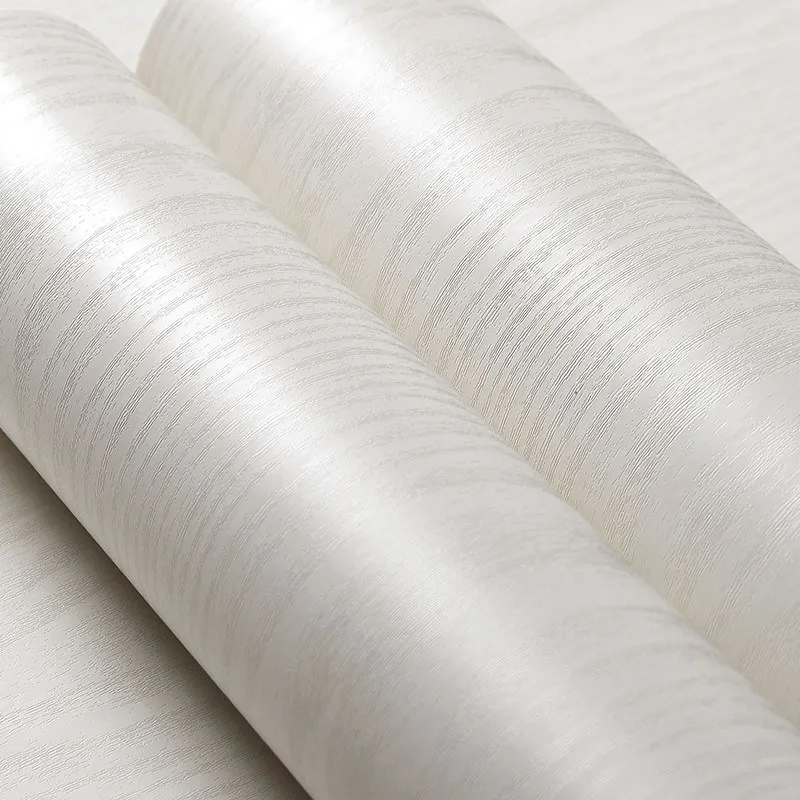
Shrink wrap PVC film is a versatile packaging material used to tightly wrap products for protection, presentation, and transport stability. Whether you’re bundling retail items, protecting industrial parts, or creating tamper-evident packs, choosing the right PVC shrink film roll depends on how the film shrinks, the required thickness, the seal type, and the look you want on the shelf.
● Quick takeaway:
PVC shrink film is known for
high clarity,
strong seals, and
premium display—making it a common choice for retail-ready packaging.
Shrink wrap PVC film is a polyvinyl chloride-based shrinkable packaging film that contracts when exposed to heat. After sealing around a product (or product bundle), the film is passed through a heat tunnel or heated with a heat gun. As it shrinks, it conforms tightly to the shape of the item—creating a clean, glossy, protective wrap.
In real-world packaging, PVC shrink film is often selected when appearance matters: smooth finish, excellent transparency, and crisp corners can make boxed goods look more “finished” on the shelf.
PVC shrink film supports a wide range of packaging goals—from keeping products clean to bundling multiple units. Below are the most frequent use cases across retail and industry.
✓ Retail display wrapping:
Cosmetics boxes, gift sets, stationery, books, and small electronics—where
high gloss + clarity help boost perceived value.
✓ Multi-pack bundling:
Cans, bottles, boxed food items (non-direct contact), and household goods where units must stay together during shipping.
✓ Tamper-evident outer wrap:
Overwrap on cartons or trays adds a visible barrier that shows interference.
✓ Dust & scratch protection:
Components, printed items, or decorative panels protected before final assembly.
Different shrink films (PVC, POF, PE) serve different priorities. PVC is often chosen when you need a premium wrap appearance, strong sealing performance, and firm, tight shrink results.
Film thickness is one of the biggest cost-and-performance levers in shrink packaging. Too thin, and you risk tearing or weak corners. Too thick, and you may waste material, reduce shrink quality on delicate shapes, or slow down heat transfer.
● Tip for accuracy:
Thickness alone doesn’t tell the full story. Ask for tensile strength,
shrink ratio, and COF (slip) data when comparing suppliers.
“Right roll” means more than width and thickness. It’s the match between your product shape, your sealing equipment, your output speed, and the look you want after shrinking.
Start by identifying sharp corners, protrusions, or delicate surfaces. If you have sharp edges, you’ll typically move up in thickness and check puncture resistance. If the product is heat-sensitive (e.g., certain cosmetics, waxy items, or electronics with low heat tolerance), you’ll tune shrink temperature and dwell time—and may need a more forgiving film specification.
Centerfold (folded) film is common for L-sealers and side-seal setups. You insert the product into the “pocket,” seal, then shrink.
Single-wound film is used in some flow wrapping or manual wrapping processes, depending on the machine design and desired seal configuration.
A practical approach for centerfold shrink film is to match film width to the product’s “wrap-around” needs, leaving enough material for sealing without creating oversized bags that wrinkle.
Film width ≈ (Product width + Product height) + allowance for sealing and shrink behavior.
If your packs vary a lot, consider two film widths to reduce waste.
Seal strength and clarity depend on the film grade and your sealer settings. If you see burn-through, haze, or weak seams, it’s often a mismatch between film thickness, seal temperature, and dwell time. For high output lines, consistent thickness and roll quality are critical to reduce downtime.
For premium retail, prioritize optical clarity and stable shrink.
For high-speed automatic packaging, specify slip/COF levels so the film runs smoothly without feeding issues.
If your products attract dust (e.g., plastic parts), ask about anti-static options.
If you’re comparing materials, it helps to map each film type to a clear priority: presentation, toughness, or food-contact and broader compliance requirements (depending on local rules and product category).
Two PVC shrink films can share the same thickness but behave very differently in production. Use the checklist below to qualify film quality before scaling up.
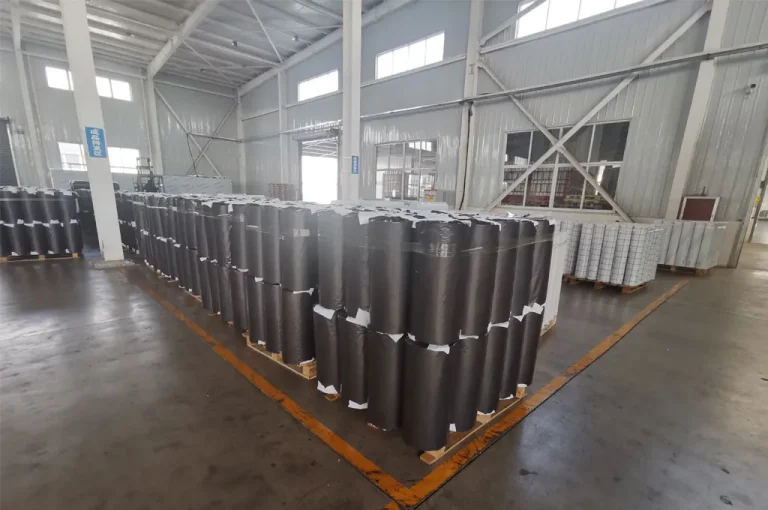
Pulivk Film focuses on PVC film R&D and manufacturing, with integrated capability across calendering, printing, and slitting/packing. This end-to-end control helps keep quality consistent while reducing lead time for packaging and industrial film programs.
If your packaging workflow needs stable film performance and reliable delivery, an in-house production chain also makes it easier to align on key specs—thickness tolerances, roll width, surface finish (gloss/matte), and optional functional treatments such as anti-static or food-grade coatings where applicable.
Explore Pulivk’s PVC film range on the Product page, or learn more about materials and selection on the Knowledge hub.
For base-film sourcing and stable roll supply, see Calendered Film.
If your broader project includes surface decoration films, you can also reference Wood Grain Film and Marble Film.
Even the right film can look wrong if heat and airflow aren’t balanced. Wrinkles, dog-ears, or trapped air usually point to tunnel settings or poor pack sizing.
To avoid trial-and-error, share a clear spec sheet with your supplier. A good quote depends on more than “PVC shrink film, 20 microns.”
For many standard retail overwrap and bundle packs, 16–19 microns is a practical starting range. Move thinner for lightweight boxes, thicker for sharp corners or rough handling.
The most common causes are oversized film width, uneven tunnel airflow, or insufficient dwell time. Correct width selection and balanced tunnel settings usually fix it.
A common method is to estimate width from (product width + product height), then add a small allowance for sealing and shrink behavior. If you share product dimensions and photos, suppliers can recommend a tested width.
Yes. Many manufacturers support OEM/ODM options such as thickness, width, roll size, surface finish, and functional treatments (for example anti-static), tailored to sealing equipment and speed.
Send the product size/weight, film type (centerfold/single-wound), target thickness, roll width/length, sealing method, and expected monthly quantity. For fast assistance, use the Contact page.