Address
304 North Cardinal St.
Dorchester Center, MA 02124
Work Hours
Monday to Friday: 7AM - 7PM
Weekend: 10AM - 5PM
Address
304 North Cardinal St.
Dorchester Center, MA 02124
Work Hours
Monday to Friday: 7AM - 7PM
Weekend: 10AM - 5PM


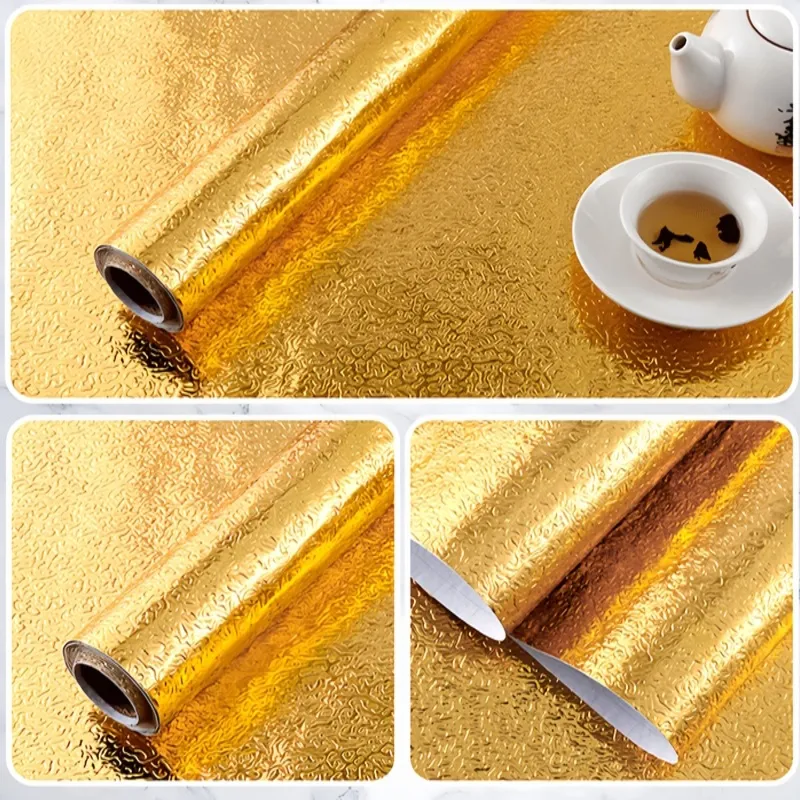
Solid embossed PVC film is a practical, high-impact decorative and protective material used across furniture, wall panels, doors, skirting boards, appliances, advertising, and interior finishing. But buying it well is not only about finding a “low price per roll”—it is about matching emboss depth, base film stability, ink durability, compliance, and packaging to your real application so you avoid costly defects, delays, and claims.
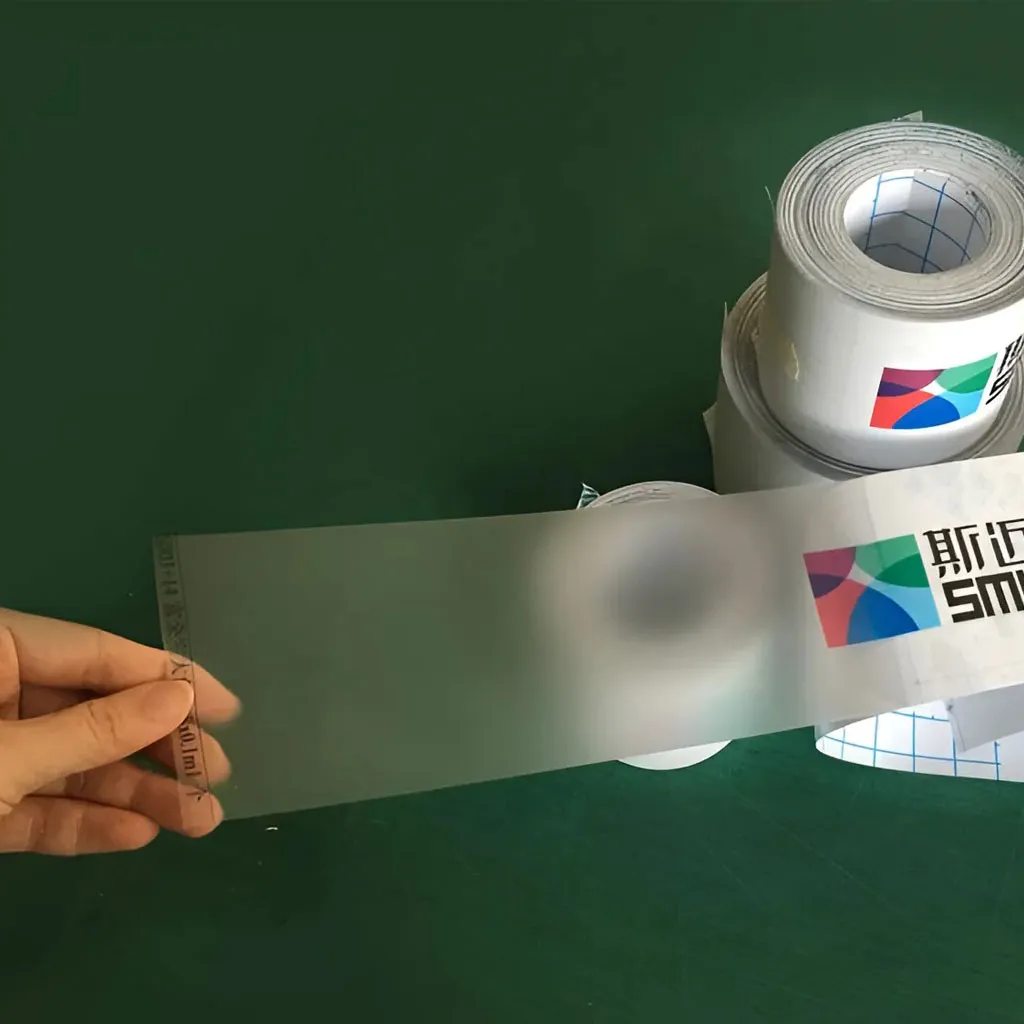
This purchasing guide helps you evaluate suppliers, compare specifications, negotiate responsibly, and secure stable quality at a competitive total cost—especially for repeat orders and OEM projects where consistency matters most.
In sourcing, “solid embossed PVC film” typically refers to a calendered PVC film with a solid color (or controlled minimal pattern) plus an embossed surface that creates tactile texture, glare control, scratch masking, and design character. It may be used as a decorative surface layer for lamination or wrapping, or as a functional protective film in certain industrial applications.
Key buying idea:
Embossing is not only “looks.” It changes friction, cleanability, light reflection, and lamination behavior. Always buy against an end-use performance target, not a photo.
The same “solid embossed” label can hide very different requirements. A cabinet-wrap film needs different surface and adhesion behavior than a skirting film or a flooring layer. Clarify your application early because it determines thickness tolerance, wear resistance, emboss depth, and compliance needs.
🏠 Furniture & cabinetry:
prioritize color consistency, scratch masking, heat resistance (edge banding/pressing), and adhesion compatibility with MDF, plywood, metal, or plastic substrates.
🏗️ Building decoration (walls, doors, partitions):
focus on dimensional stability, low odor, VOC/REACH/RoHS, and batch-to-batch matching.
🧼 High-contact areas (kitchens/medical/clean zones):
request stain resistance, easy-clean surface, optional anti-bacterial or oil-proof behavior, and strict heavy metal / phthalate control.
If you also purchase related categories, compare film families from the same supplier to reduce mismatch risk—for example Calendered Film for stable base quality, PVC skirting film for edge/trim needs, or Floor Film when wear performance is central.
Most pricing confusion comes from incomplete RFQs. Two suppliers can both quote “solid embossed PVC film” but with different thickness tolerance, ink systems, emboss rollers, and packaging levels. Use the checklist below to prevent “cheap price, expensive problems.”
For indoor decoration and human-contact scenarios, prioritize suppliers using eco-friendly, non-toxic inks and providing documentation for ISO 9001, ISO 14001, REACH, RoHS, and when needed FDA or equivalent food-contact criteria. Ask for recent batch test reports and whether third-party verification is available.
✔ RFQ minimum package:
thickness + width + roll length + emboss reference + intended process (lamination/wrapping/self-adhesive) + target market compliance + annual volume forecast.
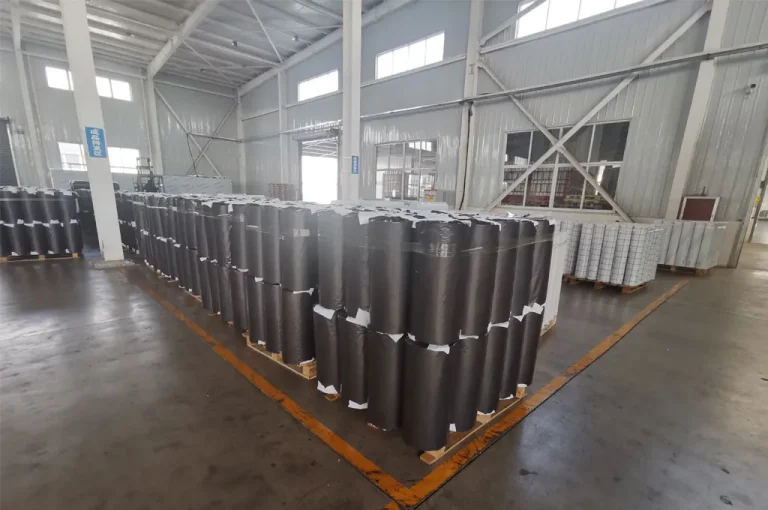
Strong suppliers prove capability with process control, traceability, and consistent delivery—not only with a good sample roll. Look for manufacturers with integrated production steps (calendering, printing, slitting, packaging) so quality and lead time are controlled end-to-end.
🔍 Ask for a QC checklist that includes:
Professional suppliers protect each roll with dust-proof PE film or kraft paper, apply clear spec labels, and use export-ready outer packaging to reduce transit damage. Weak packaging often correlates with weak internal control—and it becomes your cost when rolls arrive scuffed or deformed.
If you want to validate a supplier quickly, use their public documentation pages to understand scope and responsiveness. For example, you can review product families via Product and check common technical questions via FAQ.
The best price is the lowest cost that still meets requirements, stays stable across batches, and arrives on time. A slightly higher unit price can be cheaper overall if it reduces scrap, rework, warranty claims, and production downtime.
💡 Practical levers:
Ask for a quote that separates: film cost, optional functional coatings, printing (if any), slitting/rewinding, packaging, sample cost, and shipping terms (Incoterms). This transparency helps you compare suppliers fairly and prevents later “surprise” charges.
A sample roll should confirm not only appearance but also process stability. If your production includes vacuum pressing, wrapping, or lamination, test the sample under your real conditions rather than relying on hand-feel.
⚠ Note:
If a supplier’s “perfect sample” cannot be reproduced in the pilot order, treat it as a serious warning. Require batch traceability and agree on a golden sample standard for mass production.
OEM customization is where good suppliers stand out. You can customize thickness, width, roll size, surface treatments (anti-static, anti-fog, food-grade), solid colors, emboss patterns, and packaging. But every customization adds variables—so lock the technical agreement early.
If your project also includes textured premium looks, compare similar textures like 3D Silk Texture Film to align the tactile feel across your product line while keeping sourcing consolidated.
Lead time varies by order size and customization depth. The safest approach is to align your forecast with a supplier’s production plan, lock key raw materials for consistent color, and keep safety stock for best-sellers. For global shipments, export-ready packaging and humidity protection are essential to avoid roll deformation, edge damage, or surface contamination.
When you have 3–6 quotes, a scorecard prevents you from choosing based on price alone. Assign weights based on your risk tolerance and application criticality.
Calendered film is produced by calendering lines that create stable thickness and smooth, consistent sheets suitable for decorative and industrial uses. It’s commonly chosen for embossing and high-volume, repeatable quality needs.
Use a physical golden sample, define acceptable tolerance (such as Delta E), request batch traceability, and confirm the supplier’s pigment/ink control process before mass production.
Common requests include ISO 9001/14001, REACH, RoHS, and (when applicable) FDA-related statements or test reports, plus heavy metal and phthalate control documentation and third-party testing availability.
Compare using a scorecard: thickness tolerance, emboss uniformity, color control, compliance, packaging, lead time reliability, and expected scrap/claims risk—then calculate total cost per usable meter, not only price per roll.
Many manufacturers support trial orders depending on product type and customization. Share your specifications, target application, and forecast so the supplier can recommend a practical MOQ and sampling plan.