Address
304 North Cardinal St.
Dorchester Center, MA 02124
Work Hours
Monday to Friday: 7AM - 7PM
Weekend: 10AM - 5PM
Address
304 North Cardinal St.
Dorchester Center, MA 02124
Work Hours
Monday to Friday: 7AM - 7PM
Weekend: 10AM - 5PM


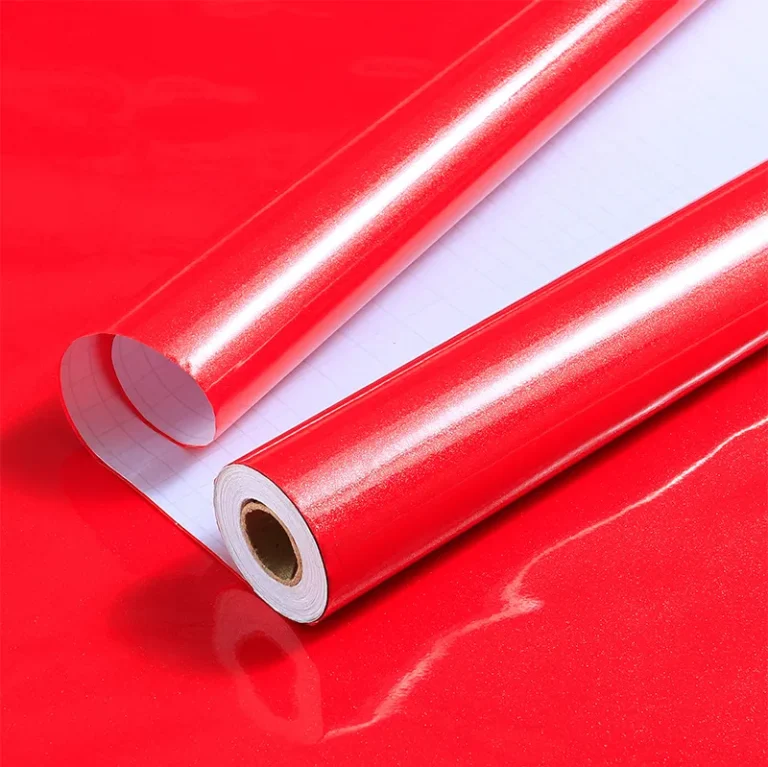
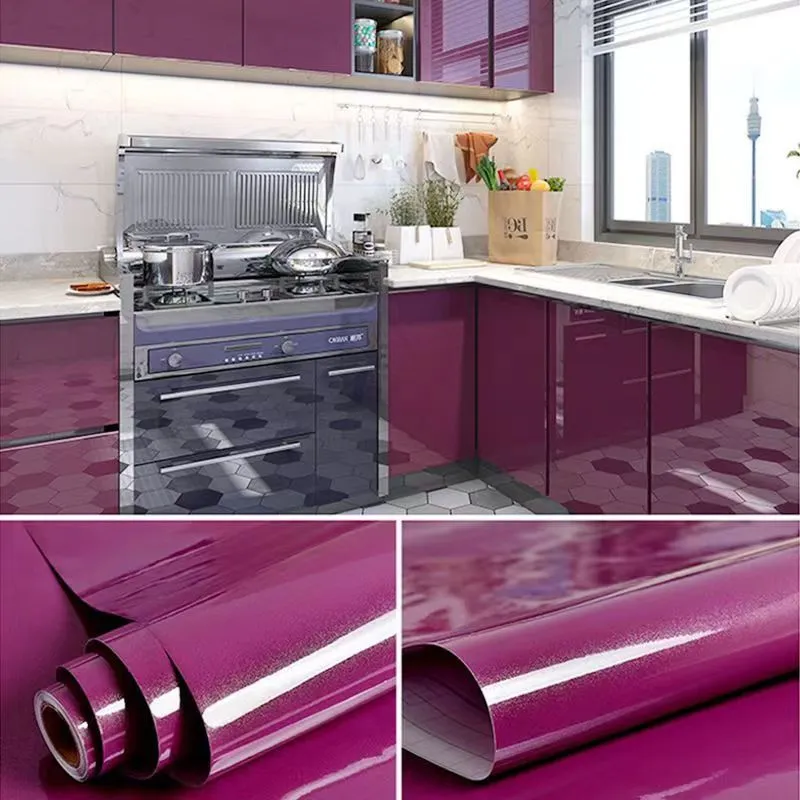
Solid emboss PVC film is a durable decorative and functional surface material designed to deliver consistent texture, enhanced grip, and premium visual depth on furniture panels, doors, wall systems, and industrial components. Compared with flat films, solid emboss patterns create a tactile feel that helps hide minor scratches and fingerprints, while also improving surface performance for daily use in high-traffic environments.
Key takeaway:
When choosing solid emboss PVC film supply, focus on application scenario (furniture, building, electronics, advertising, medical), then match the film’s thickness, emboss depth, surface gloss, and processing method (lamination, wrapping, self-adhesive) to achieve stable production and long-term performance.
“Solid emboss” generally describes a PVC decorative film with a uniform, repeatable embossed texture (not only printed visual grain). The texture is formed through precise calendering/embossing processes, creating patterns such as leather-like micro-grain, textile weave, geometric lines, stone micro-roughness, or matte anti-scratch textures. In OEM manufacturing, this matters because the same emboss pattern must remain stable across batches to keep panel color perception, gloss, and tactile feel consistent.
✔ Why emboss texture is not “just appearance”
Solid emboss PVC film is used across multiple industries because it combines decorative flexibility with protective surface performance. Below are the most common application clusters and how buyers typically specify films.
Furniture factories select emboss films to upgrade the look of MDF/plywood panels and improve daily durability. Popular choices include solid matte micro-grain for modern kitchens and wardrobes, textile emboss for office furniture, and wood/stone concepts paired with tactile depth. For realistic decor, many customers combine printed patterns with emboss effects such as wood grain film for residential and commercial interiors.
In interior decoration, emboss PVC film supports fast renovation, consistent style, and easy maintenance. Solid colors with subtle emboss are widely used on wall panels, while skirting applications often require stable texture and abrasion tolerance—especially for high-footfall areas such as corridors and retail spaces. A dedicated option like PVC skirting film helps maintain edge detail and surface uniformity.
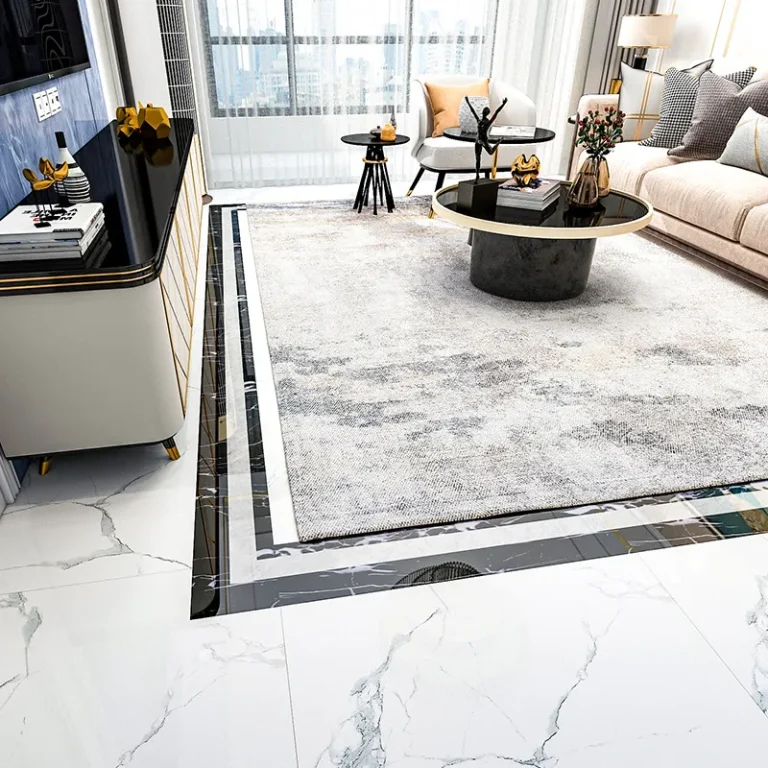
Emboss texture is often selected for slip-resistance and wear masking on floors and protective layers. Depending on structure, PVC films may serve as decorative layers, protective overlays, or specialized coverings. For projects that require stable roll supply and consistent thickness, buyers often start from floor film specifications and then confirm emboss, gloss, and coating requirements.
For electronics housings and appliance panels, emboss can reduce fingerprints and improve tactile feel. When ESD or cleanliness is required, buyers typically request anti-static options and tighter thickness tolerances to ensure consistent lamination and die-cutting performance.
Solid emboss textures can reduce glare and improve camera-friendly visuals for booths and display walls. For quick deployment, self-adhesive constructions can shorten installation time while maintaining a clean finish.
A reliable solid emboss PVC film supply program starts with clear technical confirmation. This avoids mismatches such as incorrect emboss feel, unstable gloss, or processing issues during lamination/wrapping.
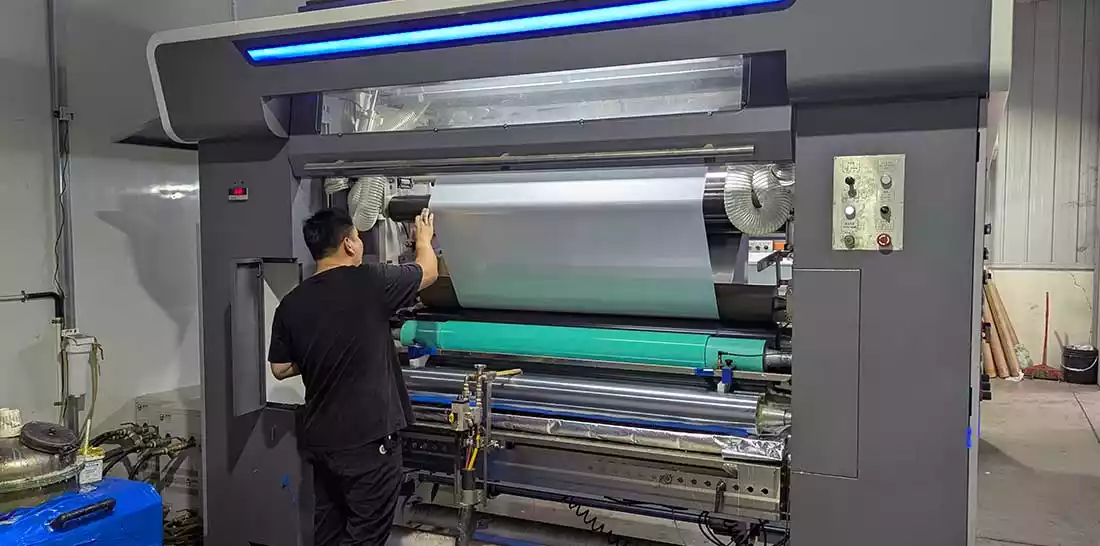
Many solid emboss PVC films are produced via calendering, which offers stable thickness control, good surface uniformity, and strong compatibility with subsequent printing/embossing steps. For buyers evaluating base-film performance, it helps to understand the foundation. You can review typical base options and production logic through calendered film references.
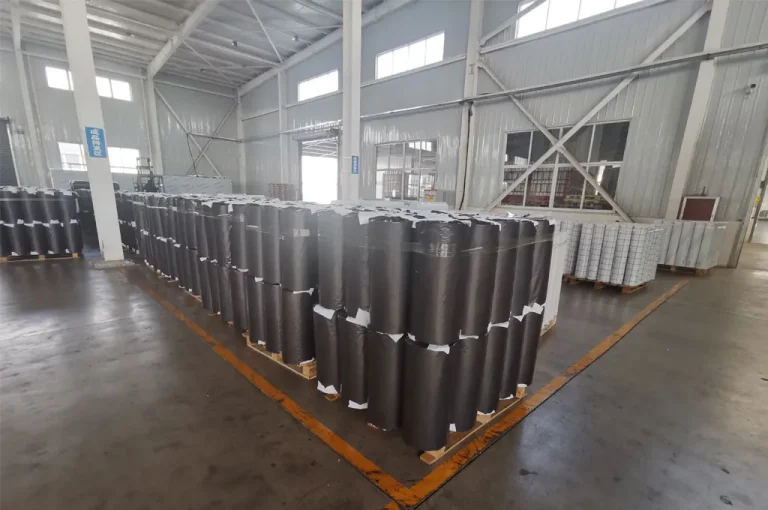
Stable supply is not only about capacity; it’s about controlling each stage that affects appearance and performance. A manufacturer with in-house calendering, printing, slitting, and packaging can better manage batch traceability, shorten lead times, and reduce hidden variability between lots—especially for embossed textures where even small changes can be noticeable on large wall or cabinet surfaces.
Procurement tip:
For continuous projects (retail chains, apartment fit-outs, hotel renovations), ask for batch control and keep a signed master sample to reduce “color/texture drift” across shipments.
The “right” solid emboss PVC film is the one that achieves your target look while running smoothly on your production line and staying stable after installation. Use the following decision logic to narrow options quickly.
Common processing routes
Design trends increasingly favor low-gloss and tactile surfaces because they look cleaner under strong lighting and feel more premium in daily touch. If you’re targeting a refined textile-like touch, consider films built around silk-style textures such as 3D silk texture film, which can be used in modern cabinetry, wardrobes, and wall panels.
For interior decoration and human-contact scenarios, buyers often require materials that are free of heavy metals and phthalates, along with documented quality systems and regional compliance (such as ISO management systems and chemical restrictions). If your film is for kitchens, children’s rooms, hospitals, or clean spaces, include that context early so the supplier can recommend the correct ink/coating system.
Emboss films should be inspected not only for appearance, but also for how they behave under your production conditions and end-user cleaning habits. A strong supplier will implement multi-step QC from raw material to finished rolls and support batch traceability.
Even high-quality PVC film can be damaged by poor slitting or incorrect packaging. Professional supply typically includes accurate roll labeling, dust-proof individual wrapping, and moisture/damage protection for export shipments. For factories running continuous lamination lines, consistent slitting edges reduce downtime and help keep the finished surface free from edge marks.
If you want a signature solid emboss film (exclusive texture, unique matte level, or brand-specific color), OEM/ODM customization is the fastest path. A capable manufacturer can customize thickness, width, roll size, surface finish, functional coatings, printing, and packaging. To accelerate development and reduce back-and-forth, prepare clear inputs: substrate type, process method, target gloss, usage environment, cleaning habits, and your acceptance standards.
⚑ Sample strategy that saves time:
Request 2–3 close variants (same color, different emboss/gloss) and test them on your own line. Many issues only appear after heat, pressure, and real adhesive interaction.
Solid emboss PVC film looks simple on paper, but production reality is sensitive. Most supply disputes come from missing details rather than poor intent.
PVC film is a thin sheet made of polyvinyl chloride used for decoration and protection. Emboss adds a real texture that can improve touch feel, reduce fingerprints, and hide minor scratches, making surfaces look better for longer.
Common uses include kitchen cabinets, wardrobes, office furniture, wall panels, skirting, flooring layers, and appliance panels, especially where durability and premium appearance matter.
Yes. OEM/ODM programs typically support customization of thickness, width, roll length, color matching, printing, emboss patterns, coatings, and packaging to fit your process and market.
For many markets, request supplier quality systems and chemical compliance such as ISO management, REACH, RoHS, and any application-specific requirements (e.g., indoor safety, food-contact-related coatings).
Provide your application, required thickness, width/roll length, target finish (gloss/matte/soft-touch), emboss reference, quantity, and delivery destination so the supplier can confirm the most stable production route and packaging plan.