Address
304 North Cardinal St.
Dorchester Center, MA 02124
Work Hours
Monday to Friday: 7AM - 7PM
Weekend: 10AM - 5PM
Address
304 North Cardinal St.
Dorchester Center, MA 02124
Work Hours
Monday to Friday: 7AM - 7PM
Weekend: 10AM - 5PM


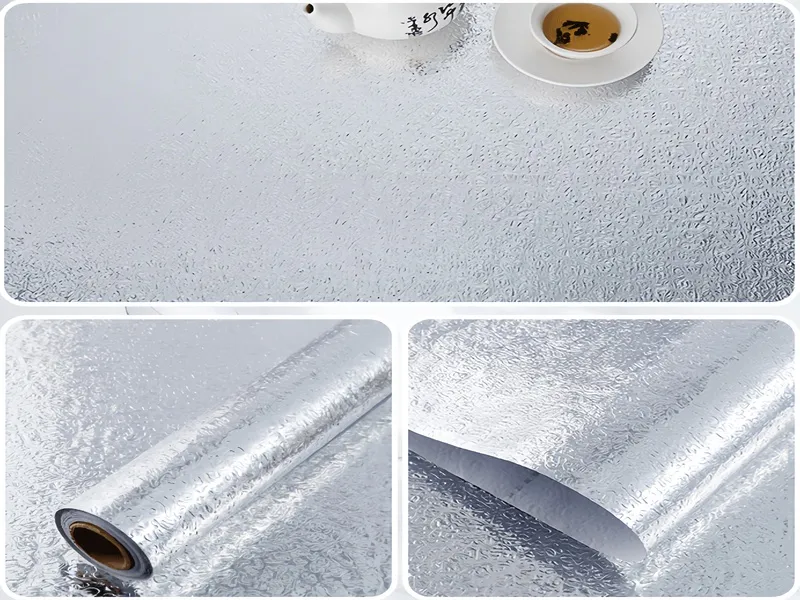
Solid embossed PVC film is a durable, decorative, and functional surface material used to upgrade furniture panels, interior walls, doors, skirting, and many industrial surfaces. By combining stable calendered film structure with embossed textures (wood grain, stone, cloth, brushed, 3D relief, etc.), it delivers a premium touch, improved scratch resistance, and consistent roll-to-roll quality—while remaining scalable for mass production and OEM programs.
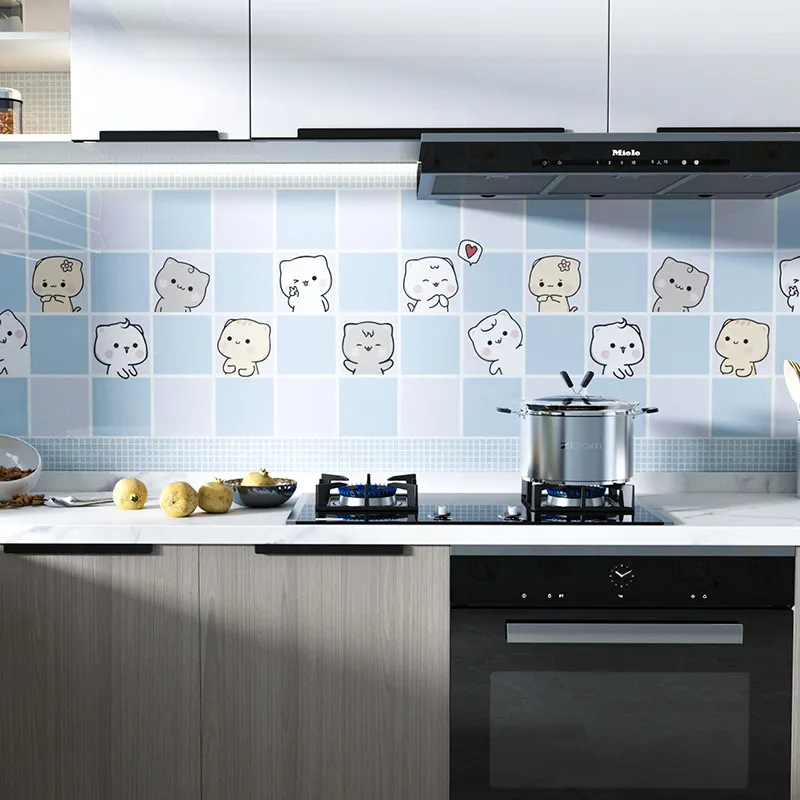
Key takeaway: Solid embossed PVC film is not “just a pattern layer.” The embossing depth, base film uniformity, ink system, and surface treatment must work together—otherwise you may see whitening, gloss inconsistency, poor lamination, or texture collapse during thermoforming.
In decorative film terminology, solid typically refers to a film built on a consistent PVC base (often calendered) with stable thickness across the roll, suitable for laminating, wrapping, pressing, or coating. Embossed means the surface is mechanically textured using heated rollers to create tactile patterns and micro-relief. The result is a film that not only looks like wood, leather, stone, or fabric, but also feels closer to the real material and hides minor surface imperfections on substrates.
Many buyers start from the base category: Calendered Film. Calendering is widely used for PVC film because it enables tight thickness control, good surface consistency, and cost-efficient large-volume output—ideal foundations for embossing and printing.
Production begins with PVC resin plus carefully selected additives: plasticizers (for flexibility), stabilizers (thermal stability), processing aids, pigments, and functional modifiers (anti-static, anti-fog, etc.). The formula influences softness, emboss retention, odor level, aging resistance, and low-temperature performance.
✔ Tip for spec writing: Always define both thickness tolerance and the target hardness/softness (for example, a softer film for wrapping and a stiffer film for flat lamination). This prevents “same thickness but different feel” issues in mass orders.
In calendering, the compound is heated and passed through multiple rollers to form a sheet with controlled thickness and width. A stable base is essential: if thickness varies, embossing and printing will also vary, which may cause visible shade differences after lamination on cabinets, doors, or wall panels.
Depending on the product, the film can be printed (wood grain, marble, artistic textures) or made as a solid color. For decorative applications, ink quality and registration stability determine whether the final surface looks premium. Environmentally safer, low-odor inks are preferred for indoor products and human-contact scenarios.
If your project needs a clean, modern look for interiors, you can reference solutions like Solid Color Wallpaper concepts—where color consistency and surface uniformity become more important than complex patterns.
Embossing uses engraved steel rollers and controlled heat/pressure to press texture into the film. This step is where performance differences become obvious. A well-controlled embossing line maintains:
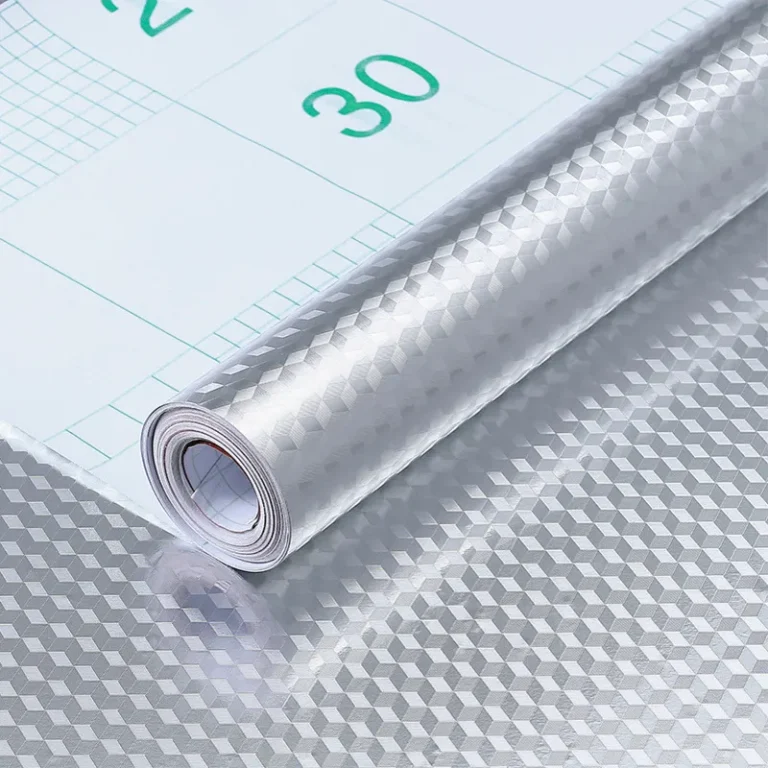
★ Design note: If you want a premium “fabric-like” touch or a more delicate relief, consider referencing 3D Silk Texture Film styles. They often require tighter temperature control to protect micro-texture details.
Depending on where the film will be used, additional treatments may be applied: anti-static (electronics), anti-fog (special packaging or humid environments), improved stain resistance (kitchen), or protective topcoats to enhance scratch resistance. Glossy, matte, and soft-touch finishes each require different process windows.
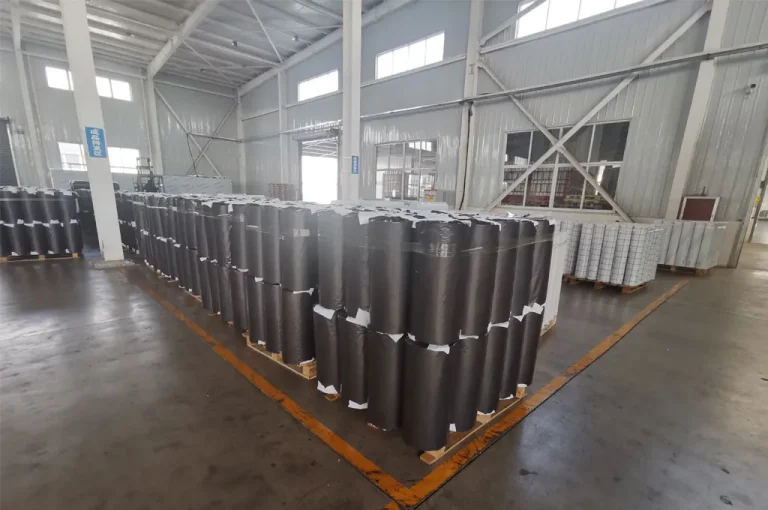
Once the film passes inspection, it is slit to customer widths and rewound under controlled tension to prevent telescoping, edge damage, or waviness. Professional suppliers typically wrap each roll with dustproof PE film or kraft paper and add clear specification labels to reduce mistakes during warehousing and installation.
Embossed wood grain or cloth textures enhance cabinet doors, wardrobes, tabletops, and office furniture panels. The texture helps conceal fingerprints and micro-scratches, making it suitable for high-touch daily use.
Used on wall panels, partitions, ceiling trims, and decorative profiles. For clean transitions between wall and floor, solutions like PVC skirting film provide consistent style matching while improving moisture tolerance and easy cleaning.
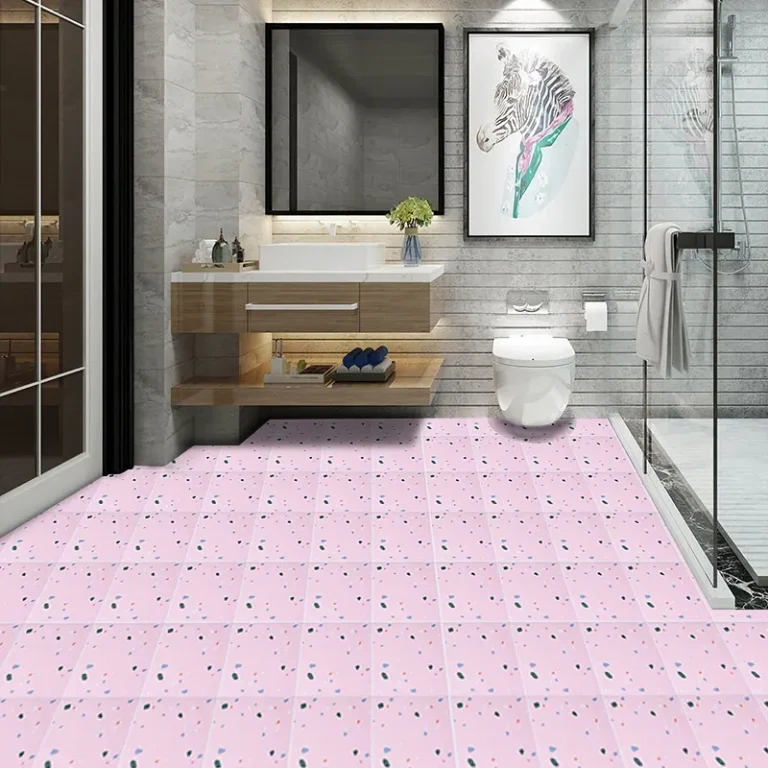
Embossed PVC films can be engineered for flooring layers or protective overlays where abrasion resistance and slip-feel matter. For product direction and options, you can review Floor Film categories and align thickness, wear expectations, and surface finish with your target market.
Anti-static embossed films are used as protective and decorative layers for appliance panels and electronics packaging, reducing dust attraction and improving handling. For these uses, the stability of thickness and surface resistivity targets are often more important than deep emboss.
For protective packaging films and clean applications, buyers typically prioritize low odor, compliance documentation, traceability, and stable QC—especially when films are used near sensitive equipment or frequent disinfection routines.
A reliable supplier should control key steps such as calendering, printing, embossing, and slitting/packaging. Full-process control improves consistency, reduces delivery risk, and makes OEM customization more realistic (pattern matching, gloss control, roll specs, and packaging).
Solid embossed PVC film is often project-driven: cabinet lines, wall programs, retail chains, or distributor collections. Practical customization includes thickness, width, roll length, emboss pattern, color matching, printing design, surface finish, and labels/packaging. If you plan to launch multiple SKUs, choose a supplier with proven sampling workflows and repeatable mass production.
⚑ Buyer checklist (send with RFQ):
• Application method (flat lamination / membrane press / wrapping / self-adhesive)
• Required thickness & tolerance, target gloss, emboss depth feel
• Substrate type (MDF, plywood, WPC, metal, acrylic, etc.)
• Performance requirements (scratch/stain/heat/anti-static)
• Market compliance needs (REACH/RoHS/FDA or others)
Consistent quality is not a promise—it is a system. Ask how your supplier controls and records:
If the film is used in indoor decoration or frequent human contact, confirm low-toxicity materials, low odor ink systems, and documentation support (such as ISO management systems and third-party test reports when needed). For global programs, export-ready packaging and stable lead times help reduce downstream installation delays.
Embossed films can be sensitive to line scheduling (pattern rollers, color setups, finishing). Choose partners with clear production planning, inventory logic for raw materials, and fast sampling for new patterns. For project timelines, delivery reliability often matters more than a slightly lower price.
⚠ Common sourcing mistake: Approving a sample only by appearance. Always test it in your real lamination or wrapping process, with your glue/primer, your substrate, and your forming temperature—then confirm the mass production match standard.
Thickness (and tolerance), width, roll length, core size, and winding direction are the baseline. For embossed films, specify gloss level and texture feel in words plus a reference sample.
Define whether you need matte/soft-touch, anti-static, anti-fog, improved stain resistance, or enhanced scratch resistance. For kitchen or high-maintenance areas, stain resistance and cleaning chemical tolerance should be agreed in advance.
For project supply, set a simple but strict rule: define what constitutes an acceptable batch match (color tolerance, emboss perception, and gloss range). This is especially important when multiple shipments will be installed side-by-side.
When a manufacturer controls calendering, printing, embossing, and slitting/packaging in-house, they can optimize the entire chain—from formulation to roll delivery. This typically means:
If you want to explore more product directions beyond embossed textures, the main catalog at Product can help you map the right film type to each application scenario.
Printed-only film focuses on visual pattern, while embossed film adds tactile texture and often improves scratch masking and realism. Embossing quality depends on roller pattern accuracy and process control.
Yes. Typical OEM options include thickness, width, roll length, color matching, emboss pattern, gloss level, printing, and packaging labels. For best results, send a reference sample and your application method.
Confirm a master sample, define an acceptable tolerance range, and require batch traceability. Also make sure the supplier controls calendering, printing, and embossing consistently to avoid gloss-induced “color shift.”
Test with your real process: lamination/wrapping adhesion, heat forming behavior, scratch and stain resistance, and cleaning chemical tolerance. This is more reliable than judging a roll sample by appearance alone.
Lead time depends on order volume, customization level (new color/pattern/emboss), production scheduling, and packaging requirements. Suppliers with full-process lines and clear planning generally deliver more reliably.