Address
304 North Cardinal St.
Dorchester Center, MA 02124
Work Hours
Monday to Friday: 7AM - 7PM
Weekend: 10AM - 5PM
Address
304 North Cardinal St.
Dorchester Center, MA 02124
Work Hours
Monday to Friday: 7AM - 7PM
Weekend: 10AM - 5PM


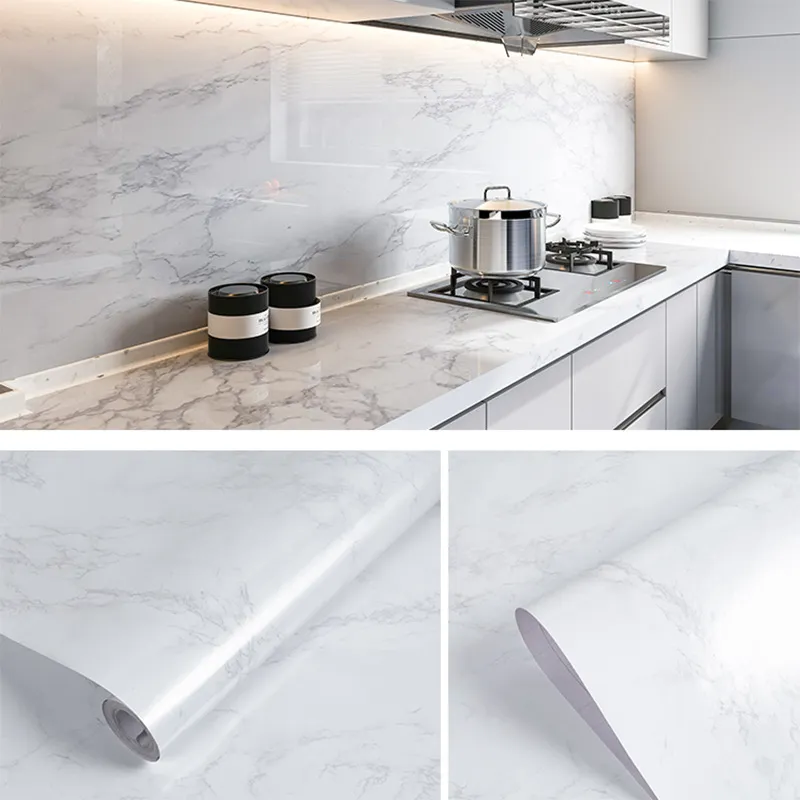
Stretch wrap is an essential packaging material used across warehousing, logistics, retail and manufacturing to secure loads, protect products from dust and moisture, and improve handling efficiency. This guide explores common applications, measurable benefits, and best practices to get reliable performance from stretch film on every pallet.
Stretch film (also called pallet wrap or stretch wrap) is versatile. Typical uses include:
Different industries rely on stretch wrap in tailored ways: food and beverage companies use food-grade films to protect cartons; electronics manufacturers use antistatic or PE antistatic films; building-material suppliers protect heavy loads from moisture and abrasion; and e-commerce centers optimize pre-stretched films to speed packaging lines.
Stretch wrapping offers measurable advantages over other containment methods:
| Application | Typical Film Gauge | Typical Stretch | Preferred Method |
|---|---|---|---|
| Pallet unitizing (mixed boxes) | 15–23 µm (hand) / 12–17 µm (machine) | 100%–300% pre-stretched | Machine stretch wrapper |
| Lightweight bundles | 8–12 µm | 50%–150% | Hand stretch film |
| Antistatic / Electronics | 15–30 µm (antistatic) | 100%–200% | Machine with controlled tension |
Use the right film and technique to protect loads and minimize cost:
Manual wrap is flexible and low-cost for small operations. Automated stretch wrappers deliver consistent tension, faster cycle times, and film-saving pre-stretch for medium-to-high volume warehouses.
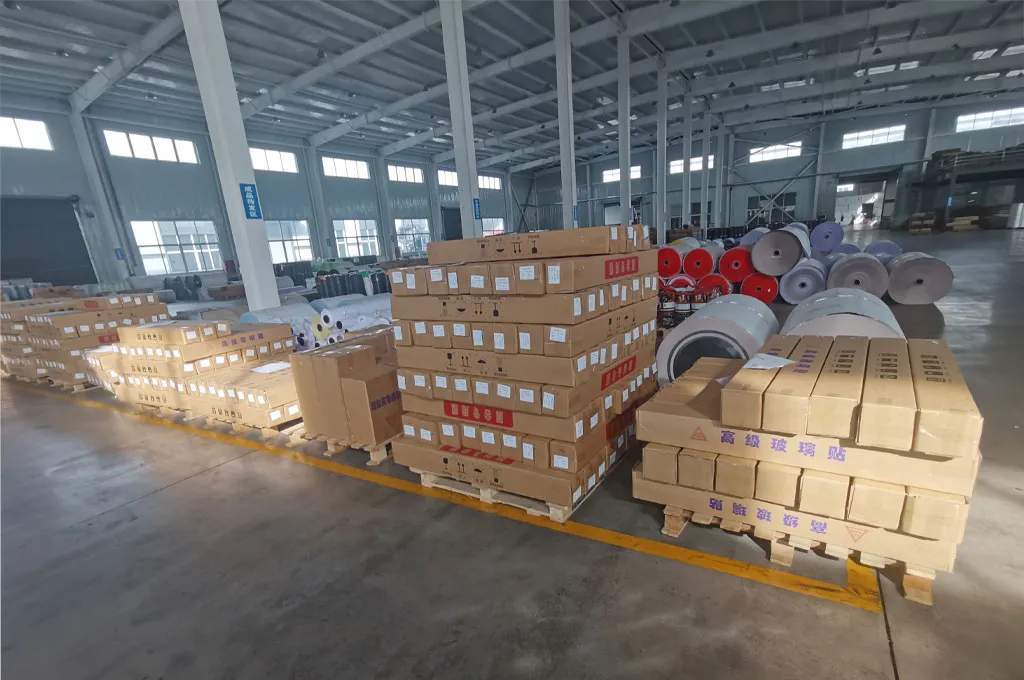
Match film properties to the load: blown films provide high toughness and puncture resistance, cast films offer excellent cling and clarity. For special needs, use VCI, UV-resistant, or antistatic films.
Stretch film is recyclable where facilities exist; selecting pre-stretched, thinner high-performance films reduces total plastic usage. Train staff to use safe wrapping postures and provide gloves when using power-wrap dispensers.
Q: How much film should a typical pallet require?
A: It depends on film gauge, tension and pallet size; most standard pallets use 100–300 meters of film on automated lines and 30–80 meters by hand.
Q: Can stretch film replace strapping?
A: For many applications, yes—especially with high-tension machine wrap. Strapping is recommended for very heavy or dense loads where shifting could cause failure.
For OEM film options, custom gauges and faster lead times, consider Pulivk — a manufacturer with full in-house production capabilities supporting calendering, printing, and split-packaging to ensure quality and on-time delivery: https://pvcfilmtec.com/