Address
304 North Cardinal St.
Dorchester Center, MA 02124
Work Hours
Monday to Friday: 7AM - 7PM
Weekend: 10AM - 5PM
Address
304 North Cardinal St.
Dorchester Center, MA 02124
Work Hours
Monday to Friday: 7AM - 7PM
Weekend: 10AM - 5PM


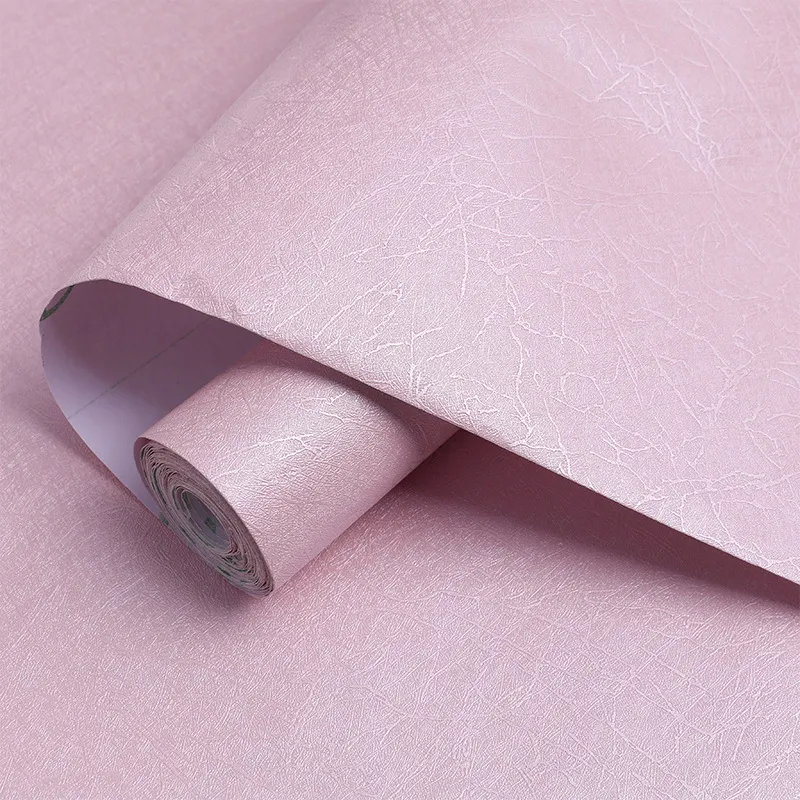
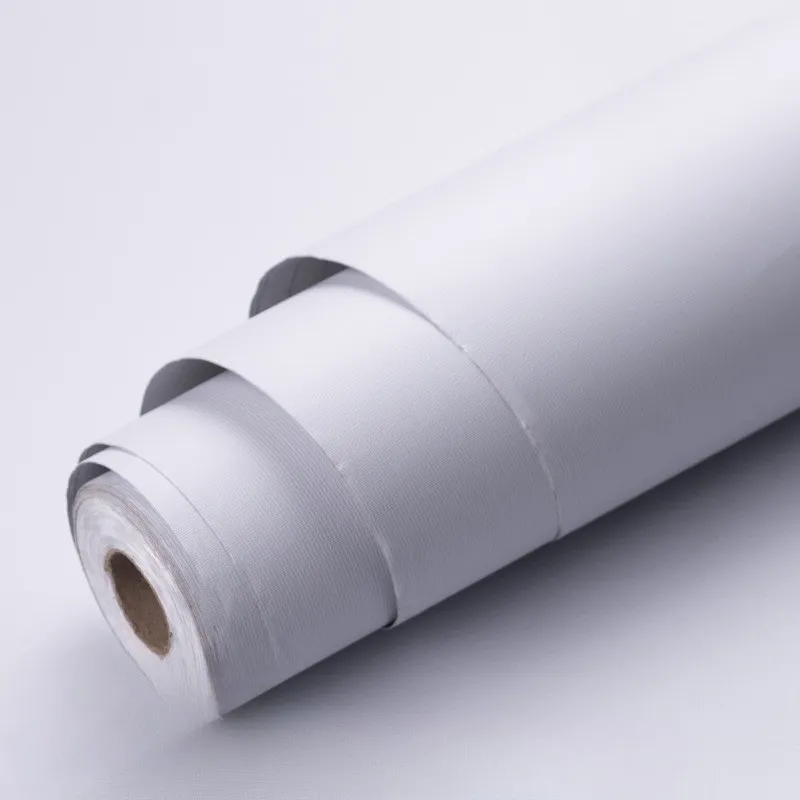
Sun control PVC film is a practical way to improve comfort and protection in spaces exposed to strong sunlight—without changing the entire window system or redesigning the interior. Whether you manage a retail storefront, renovate a home, build modular offices, or produce decorative panels, the right film can help reduce glare, lower heat gain, protect surfaces from fading, and elevate the look of glass or smooth substrates.
Key idea:
Sun control PVC film is not “one-size-fits-all.” Choosing correctly depends on light level, privacy needs, installation surface, durability expectations, and compliance requirements.
Sun control PVC film is a polyvinyl chloride (PVC) film designed to manage sunlight performance—typically by reducing glare, filtering UV, moderating heat, and improving visual privacy. Depending on the structure, it may be produced as a calendered PVC film, a multi-layer composite, or a functional coated film with added optical or surface properties.
Unlike purely decorative PVC films, sun control films focus on optical outcomes. In practice, many projects need both: an attractive finish (frosted, textured, patterned) and measurable solar performance (UV reduction, visible light control, glare reduction).
Where it’s used most:
In offices, glare is often the #1 complaint on sunny days—especially in open-plan spaces with glass partitions. Sun control PVC film helps cut harsh reflections and improves screen visibility. For retail and exhibitions, reduced glare also means products look clearer under daylight.
UV exposure accelerates fading in fabrics, flooring prints, wall coverings, and furniture finishes. A properly specified film can help extend the visual life of interiors—especially in high-sun areas like bay windows, atriums, and glass-walled corridors.
While not all PVC films are designed as high-performance solar control layers, many variants reduce solar intensity and improve perceived comfort near windows. In warm climates, this can ease HVAC load during peak daylight hours. In mixed climates, it’s a way to reduce hot spots without sacrificing natural light.
Frosted, matte, silk-texture, and patterned options allow daylight to pass while limiting direct visibility. This is common in meeting rooms, clinics, salons, and residential bathrooms where privacy is needed but blinds feel heavy or inconvenient.
Sun control films can be part of a larger interior refresh: matching glass and adjacent decorative surfaces, coordinating with flooring tones, and creating premium-looking partitions at a lower cost than replacing architectural glass.
✔ Practical checklist of outcomes:
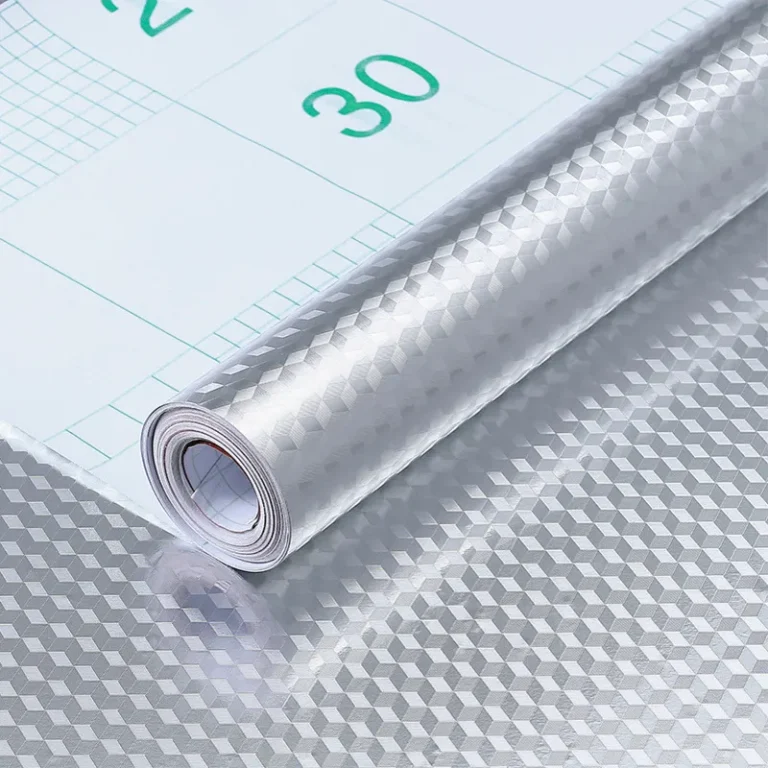
Sun control PVC film can be described by manufacturing method (e.g., calendered), surface finish (glossy, matte, embossed), and functional layer (privacy, anti-glare, UV filter, anti-static, etc.). Below are the most common choices for commercial and residential projects.
Calendered films are widely used due to consistent thickness and efficient mass production. They’re often chosen for architectural and decorative applications where you need predictable processing and stable supply.
If you’re comparing base materials, see Calendered Film.
Best for meeting rooms, clinic partitions, residential bathrooms, and any glass area where you want privacy without darkening the space. Matte surfaces also reduce fingerprints and visual clutter.
Texture adds diffusion and reduces harsh reflections—especially useful when sunlight hits glass at low angles. It’s also popular for brand-forward interiors that want a premium tactile feel.
For a texture reference, explore 3D Silk Texture Film.
When glare reduction is not the only goal, pairing sun control performance with color control helps unify a space. For example, solid neutral tones can reduce visual noise in coworking spaces and retail fitting areas.
A related option is Solid Color Wallpaper for adjacent wall surfaces and coordinated design language.
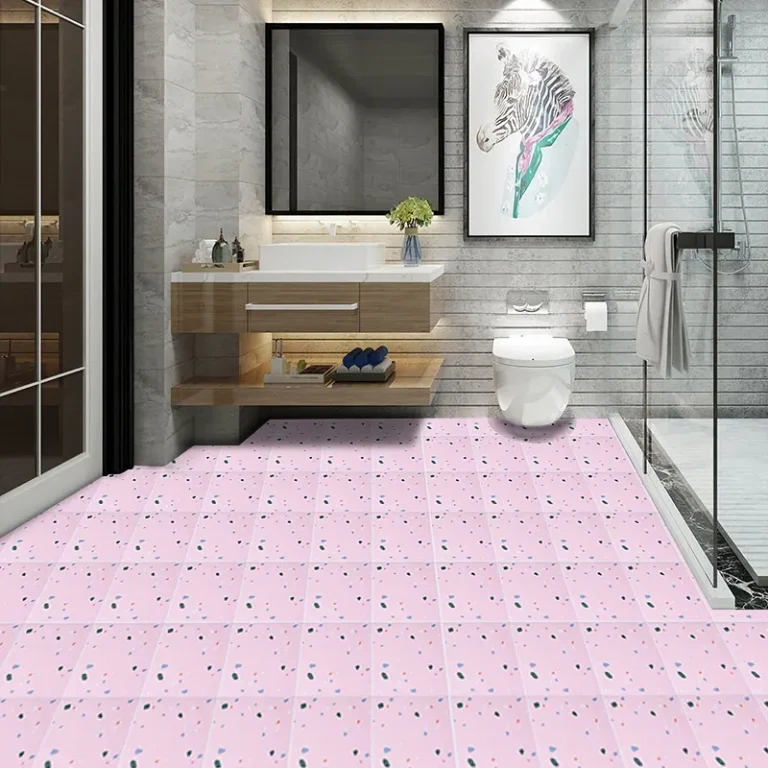
In sunlit corridors and glass-front stores, the floor and skirting areas often fade faster. Coordinating protective and decorative films across these zones creates a cohesive finish and reduces maintenance contrast. See
Floor Film
for floor-surface solutions that can match your interior palette.
Selection should be driven by measurable needs and installation realities. The points below help avoid the two most common project failures: choosing by appearance alone, or ignoring surface/adhesive compatibility.
Sun control films can be applied on glass and other smooth surfaces depending on adhesive and construction. Confirm whether the surface is new or aged glass, tempered/laminated, acrylic panels, coated surfaces, or painted metal. Also consider humidity (bathrooms), cleaning chemicals (commercial), and temperature swings (storefronts).
⚠ Avoid a common mistake:
Installing a film designed for interior partitions on high-heat, sun-facing glazing can cause edge lifting, bubbles, or faster aging. Always match film specification to exposure level.
Thicker films often feel more premium and can improve handling during installation, while thinner options may conform more easily to subtle surface variations. For OEM and large-scale projects, consistent thickness tolerance is critical for stable lamination and clean edges.
For interior use, many buyers require material safety and environmental compliance. If your project needs it, confirm test reports for REACH, RoHS, ISO systems, and relevant indoor safety standards, plus heavy metal and phthalate restrictions for human-contact environments.
Cleanliness determines the final appearance. Remove dust, grease, and silicone residue. Any small particles can create visible bumps—especially under strong sunlight where glare highlights imperfections.
Take extra care at edges and corners, where lifting starts first. Use proper tools to avoid scratching the surface texture, and follow recommended curing time before washing.
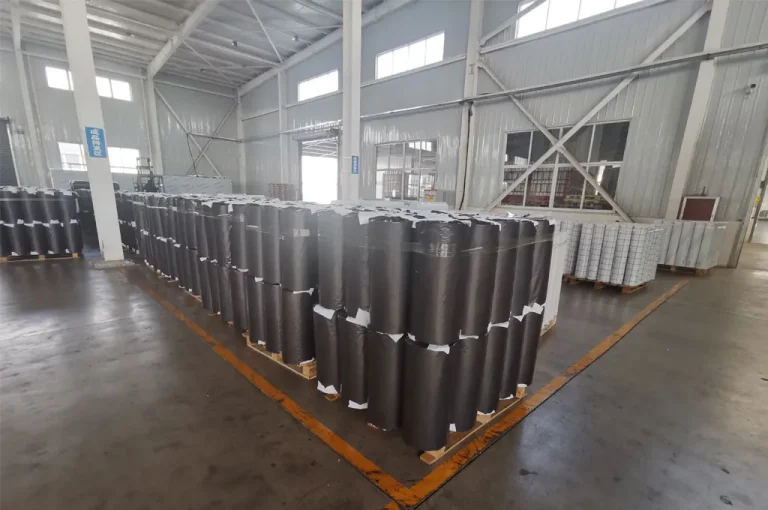
In commercial roll-to-roll projects, the film is only as reliable as the process behind it. Stable supply requires control from raw materials through calendering, printing, slitting, and packaging—so color, thickness, adhesion behavior, and surface feel remain consistent across batches.
For OEM/ODM buyers, customization is often essential: width, thickness, roll length, pattern, surface treatment (anti-static, anti-fog, etc.), and packaging format. A manufacturer with end-to-end lines can shorten lead times and reduce total cost by minimizing outsourcing steps.
What to request before ordering:
Choose frosted or silk-texture for privacy + daylight. Prioritize easy cleaning and stable adhesion.
Choose matte/anti-glare diffusion and confirm performance under strong sunlight angles. Consider durability and long-term optical stability.
Choose high-privacy frosted with humidity-friendly adhesive behavior, and use mild cleaning routines.
Q1: Is sun control PVC film the same as window tint?
A: Not always. Some products overlap, but sun control PVC film can include privacy, diffusion, and decorative finishes that focus on glare reduction and interior comfort rather than dark tinting.
Q2: Will it block UV and prevent fading completely?
A: It can significantly reduce UV impact, but no film can stop fading 100% because heat, visible light, and material chemistry also play roles. Request test data for the specific film.
Q3: Can I use it on any glass surface?
A: Compatibility depends on the glass type, coatings, and exposure level. For sun-facing glazing or special coated glass, confirm the recommended installation side and adhesive suitability.
Q4: How do I choose matte vs textured vs glossy?
A: If glare is the priority, choose matte or textured. If aesthetics and vivid reflections matter more (and glare is low), glossy may fit. For premium diffusion and design depth, textured often performs best.
Q5: Can the film be customized for OEM projects?
A: Yes—many suppliers support OEM/ODM options such as thickness, width, roll length, color/pattern, surface treatments (anti-static/anti-fog), and export-ready packaging. Share your target application and environment for accurate recommendations.