Address
304 North Cardinal St.
Dorchester Center, MA 02124
Work Hours
Monday to Friday: 7AM - 7PM
Weekend: 10AM - 5PM
Address
304 North Cardinal St.
Dorchester Center, MA 02124
Work Hours
Monday to Friday: 7AM - 7PM
Weekend: 10AM - 5PM


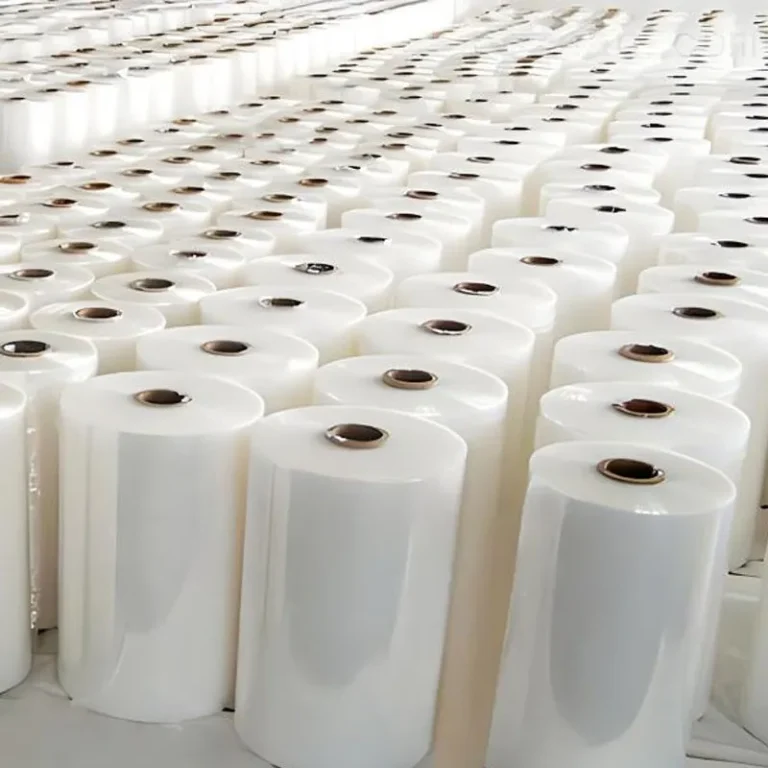
Super clear PVC film is a transparent, flexible plastic sheet designed to protect surfaces, stabilize packaging, and present products with a clean “see-through” look. It’s widely used across packaging, furniture, construction, electronics, advertising, medical, and household applications—especially when you need strong clarity without sacrificing toughness, processability, or cost control.
Key takeaway:
Choosing the “right” super clear PVC film is less about picking the clearest roll and more about matching thickness, hardness, surface treatment, and compliance to your real-world handling, sealing, and protection needs.
PVC film (polyvinyl chloride film) is a thin sheet material produced for decorative, industrial, and packaging purposes. “Super clear” refers to film engineered for high transparency and low haze so that products remain visually sharp behind the film—an advantage for retail packaging, protective wrapping, and surface protection where appearance matters.
In manufacturing, one common route is calendered film, where material is processed through rollers to create consistent thickness and smooth surfaces. High-quality process control is essential for stable clarity, uniform gauge, and predictable performance in printing, lamination, or slitting.
✔ High transparency for premium shelf display and accurate color presentation.
✔ Durable protection against scuffs, dust, moisture, and handling marks.
✔ Flexible and formable for wrapping, thermoforming, and tight surface coverage.
✔ Process-friendly (slitting, printing, laminating) with the right grade and surface treatment.
For packaging, clarity isn’t just aesthetic—customers use it to verify product condition, color, and completeness. For protective uses (like surface protection on panels), clear visibility helps inspectors spot scratches, dust, or trapped bubbles early, preventing costly downstream defects.
Super clear PVC film is commonly chosen because it can provide reliable protection without jumping to heavier, more expensive materials. When thickness is selected correctly, you get a practical “sweet spot” of puncture resistance, tear resistance, and manageable roll weight.
Super clear PVC film is used wherever you need a transparent layer that protects, contains, or enhances product appearance. Below are high-frequency application categories and what matters most in each.
Ideal for product visibility and protection during storage and transport. Typical needs include stable thickness, low haze, and consistent roll quality for automated lines.
Used as a temporary protective layer on glossy surfaces to prevent scratches and abrasion during fabrication and installation. Adhesion level (if self-adhesive) and clean removability are key.
Clear films can be specified with anti-static options to reduce dust attraction and lower ESD risks during handling, packing, and assembly.
For these uses, material safety, low odor, compliance documentation, and stable cleanliness standards become more important than “extra thickness.”
Thickness is one of the fastest ways to narrow down the correct super clear PVC film, but it should be chosen together with hardness, application method, and risk factors (puncture, abrasion, heat, chemical contact). As a rule: pick the thinnest film that reliably survives your real handling process.
• 50–100 μm: light protection, inner wraps, dust covers, short-distance handling.
• 100–200 μm: general-purpose packaging and surface protection where moderate puncture resistance is needed.
• 200–400 μm: heavier protection, frequent handling, stronger anti-scratch performance, semi-rigid packaging.
• 400 μm+: special protection, structural stiffness, or applications requiring extra durability and shape retention.
Before choosing a thickness, define what you must avoid:
scuffs on glossy panels, punctures from sharp corners, wrinkles during machine wrapping, seal failures, or poor appearance caused by haze. Each failure mode points to a different priority (scratch resistance, toughness, stiffness, or optical quality).
Hand wrapping often tolerates a wider thickness range, while automated lines require stable gauge and consistent roll tension. If you plan to print, laminate, or slit into narrow rolls, thickness uniformity becomes as important as nominal thickness.
Sharp corners, metal edges, and protrusions raise puncture risk. In these cases, going thicker is one solution, but you can also reduce failures by choosing a grade with improved toughness or modifying packaging design (corner protectors, inserts).
Thicker film often looks more “premium” and handles better, but it can also show fold lines more clearly, add bulk, and increase shipping weight. For display packaging where a smooth, glass-like finish matters, ask for low-haze, high-gloss options and confirm performance with a real sample.
• Cosmetic or gift box window: prioritize clarity and crease control; mid-range thickness with excellent optics often performs best.
• Furniture panel protection: prioritize scratch resistance and peel behavior (if adhesive); thickness depends on handling intensity and installation steps.
• Industrial spare parts wrap: prioritize puncture resistance and toughness; thicker film or tougher formulation reduces damage from edges.
Two films with the same thickness can behave very differently. When you’re sourcing super clear PVC film for packaging and protection, confirm these parameters to prevent surprises in production.
① Haze & gloss: affects “crystal clear” appearance and shelf impact.
② Hardness & flexibility: impacts scratch resistance, wrapping feel, and crease visibility.
③ Tensile strength & tear resistance: affects runnability and durability during handling.
④ Surface treatment: anti-static, anti-fog, food-grade coatings, glossy/matte options.
⑤ Compliance: REACH, RoHS, FDA (where applicable), and other safety requirements.
Anti-static is valuable for electronics, clean packaging environments, and any workflow where dust attraction causes defects. Anti-fog can be useful where temperature differences cause condensation and reduce visibility, such as refrigerated packaging or high-humidity storage.
If the film may contact food or sensitive consumer products, confirm the correct standard and testing scope. “Clear” does not automatically mean “food-safe.” Ask for documentation and test reports aligned with your destination market.
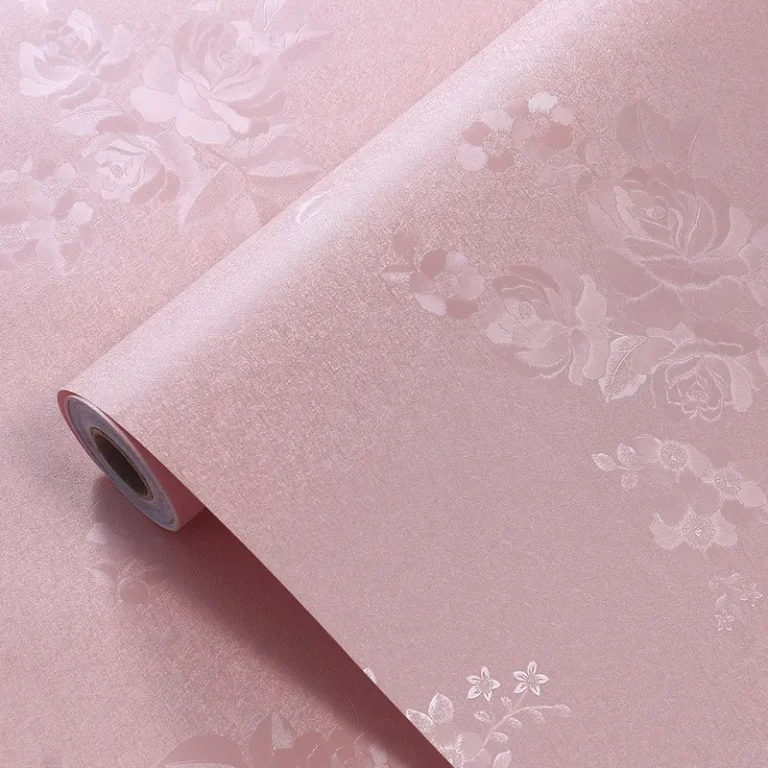
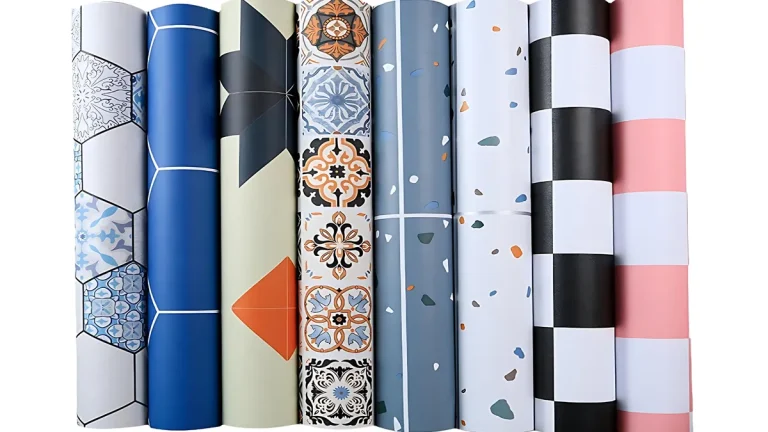
Super clear film is about transparency and protection; decorative PVC films are about appearance (patterns, textures, colors) and surface performance. Many buyers use both: clear film for protection during shipping/installation, and decorative film as the final surface layer.
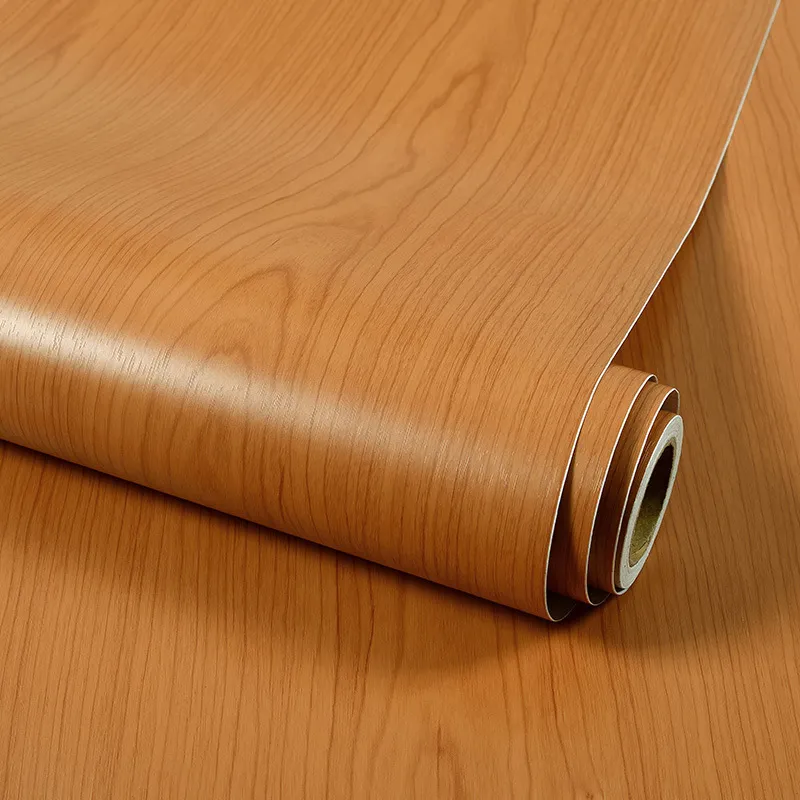
For furniture and interior surfaces, options like wood grain film and marble film can deliver a premium look with easy cleaning and consistent finish.
For higher-end tactile effects, textured products like 3D silk texture film are chosen to add depth and a distinctive touch experience.
Consistency is what makes a film “easy to use” at scale. If you convert rolls into finished packaging or protective layers, small variations in thickness, haze, or winding can cause big production headaches. Use the checklist below to evaluate whether the supplier can support stable, repeatable output.
• Gauge control: How tight is thickness tolerance across width and along the roll?
• Optical consistency: Is haze stable from batch to batch?
• Winding & slitting: Clean edges, stable roll hardness, no telescoping.
• QC documentation: Batch traceability, test reports, third-party verification if needed.
• Safety compliance: Confirm ISO systems and market-specific compliance (REACH, RoHS, FDA where applicable).
When a manufacturer controls calendering, printing, and slitting/packaging in-house, it’s easier to maintain consistent quality and shorten lead times. It also helps reduce cost by minimizing handoffs and rework. For buyers running tight delivery schedules, stable planning and inventory management can be as important as film specs.
Even the best film can lose clarity or pick up defects if it’s stored or handled poorly. These practical steps help maintain transparency and usability from warehouse to production line.
• Keep rolls clean and covered: dust is the fastest way to ruin “super clear” appearance.
• Avoid high heat and direct sunlight: helps reduce deformation and surface changes.
• Use correct tension settings: too much tension can cause stretching or waviness; too little can cause wrinkles.
• Trial before mass run: test a sample roll on your actual equipment to validate sealing, folding, and clarity.
Pulivk Film focuses on PVC film R&D and manufacturing, covering transparent films, decorative films, flooring films, soft-touch films, and more. With complete production lines for calendering, printing, and slitting/packaging, projects can be managed end-to-end—from raw material control to finished-roll delivery—helping customers achieve stable quality, shorter lead times, and better cost control.
For buyers who need OEM/ODM flexibility, specifications can be customized by thickness, width, roll size, surface treatment (such as anti-fog, anti-static, and food-grade), as well as packaging methods (dust-proof PE film or kraft paper wrapping, labeled by specification for safer transport).
Need a faster evaluation?
Visit the Product section to compare film types, or check the Knowledge hub for practical selection and application insights.
Many general packaging tasks work well in the 100–200 μm range, but the best choice depends on puncture risk, handling frequency, and whether you use automated lines.
No. Food-contact suitability depends on the specific formulation and compliance testing. Request documentation aligned with your market (for example, FDA-related requirements where applicable).
Differences in haze, gloss, plasticizer system, and process control (including thickness tolerance and winding quality) can change how clear and “premium” the film appears.
Yes. Many manufacturers support OEM/ODM customization for thickness, width, roll length, and surface treatments like anti-static, anti-fog, and glossy/matte finishes.
Test the sample on your real process: wrapping tension, sealing/folding, scratch exposure, storage humidity/temperature, and appearance under your lighting. Confirm that the film stays clear and performs consistently after handling.