Address
304 North Cardinal St.
Dorchester Center, MA 02124
Work Hours
Monday to Friday: 7AM - 7PM
Weekend: 10AM - 5PM
Address
304 North Cardinal St.
Dorchester Center, MA 02124
Work Hours
Monday to Friday: 7AM - 7PM
Weekend: 10AM - 5PM


Exotic wood PVC film brings the warmth of rare timber aesthetics into modern manufacturing—without the cost, scarcity, or maintenance of natural veneers.
For furniture makers, cabinet factories, and interior panel contractors, a premium decorative wrap is often the fastest way to deliver consistent color,
realistic grain, and durable surface performance across large projects and repeated batches.
Key takeaway:
Exotic wood PVC film is designed to replicate high-end wood species while offering
stable supply, uniform appearance, easy cleaning, and process-friendly lamination
for flat and profiled substrates.
Customers love the character of exotic timbers—dramatic figuring, deep contrast, and rich tones—yet many real species are restricted, inconsistent in color,
or difficult to source at scale. In retail stores, hotels, offices, and residential interiors, designers want a signature “luxury wood” look that can be repeated
across reception counters, wardrobes, wall panels, and doors with no surprises from batch to batch.
A premium decorative PVC wrap answers that demand by combining photorealistic printing and
controlled emboss textures. You can specify a consistent grain direction, tone, gloss level, and tactile feel
across the entire project—helpful for large developments, franchise rollouts, and multi-room installations.
“Supply” is more than having a pattern available; it’s about reliable production capacity, repeatable quality, and conversion-ready rolls that fit your lamination
or wrapping lines. Pulivk Film focuses on PVC film R&D and manufacturing, covering decorative film, calendered film, soft-touch film, transparent film,
and other functional categories used across furniture, construction, electronics, advertising, medical, and home applications.
✔ Full-process control matters:
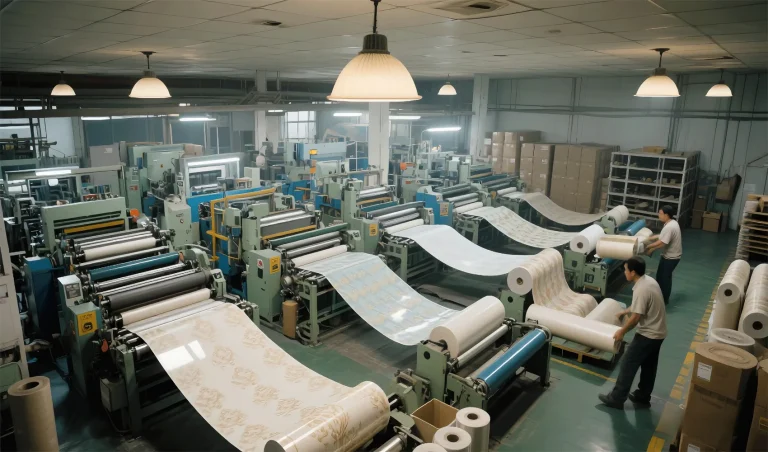
With integrated calendering, printing, and slitting/packing, film parameters and surface appearance can be held
steady, lead times can be shortened, and costs can be optimized without sacrificing consistency.
Tables, TV cabinets, office desks, hotel case goods, and store fixtures often demand a finish that looks premium but survives high-frequency contact.
Exotic wood PVC film supports attractive surface presentation with practical benefits like easier cleaning and improved resistance compared with many
traditional decorative papers.
Cabinet doors and panels require color repeatability—especially when a project is delivered in phases or when replacement doors may be ordered later.
With decorative PVC film, you can specify the tone, gloss (matte to glossy), and grain character to match brand standards and design expectations.
Interior panels need large-area uniformity. Exotic wood patterns bring warmth to walls without the unpredictable joins, knots, and tonal variation of natural veneer.
Contractors also benefit from roll-based supply and conversion-friendly packaging that supports transport and onsite workflow.
Selecting the right film depends on your process (flat lamination, profile wrapping, vacuum press, or membrane press), your substrate (MDF, particle board, plywood,
WPC, PVC board, etc.), and the use environment (kitchens, commercial lobbies, high-traffic corridors).
If you need a stable base film for printing/lamination, consider a calendered foundation designed for consistent thickness and surface behavior.
You can learn more about production-ready options like
Calendered Film,
then select your exotic wood pattern and surface finish based on your product tier and installation environment.
Exotic wood aesthetics typically fall into a few “mood families”: deep dark luxury (espresso tones), warm amber/brown (classic richness), and modern light woods
with subtle figuring (contemporary minimalism). When selecting, align the pattern with your customer’s lighting, room size, and the material palette (stone, metal,
textiles).
Design tip:
Use higher-contrast exotic grains on feature areas (island cabinets, TV walls),
and lower-contrast grains on large, repeating surfaces to avoid visual fatigue in tight spaces.
For OEM furniture and panel manufacturers, time-to-market matters as much as aesthetics. Pulivk Film operates complete lines for calendering, printing, slitting,
and packaging—covering transparent, matte, embossed, pearlescent, colored, anti-static, self-adhesive, single-layer and multi-layer films, fabric-backed film,
packaging film, release/isolating films, and more.
This end-to-end capability reduces coordination risk. Instead of managing multiple vendors for base film, printing, and rewinding, you can align specifications
in one production flow—helping maintain batch stability and
predictable delivery schedules.
A premium exotic wood PVC film must look great on day one and remain stable during processing and daily use. To protect your yield rate and customer satisfaction,
evaluate performance not only by pattern, but by measurable properties.
When the project includes tactile luxury—such as boutique wardrobe doors or premium hotel millwork—texture becomes part of the brand experience.
Options like 3D Silk Texture Film
can be referenced to achieve a refined hand-feel while keeping production scalable.
Decorative films often fail not in the factory, but in transit—edges get crushed, surfaces pick up dust, or rolls deform under poor stacking.
Premium supply should include conversion-friendly slitting, clear labeling, and protective wrapping.
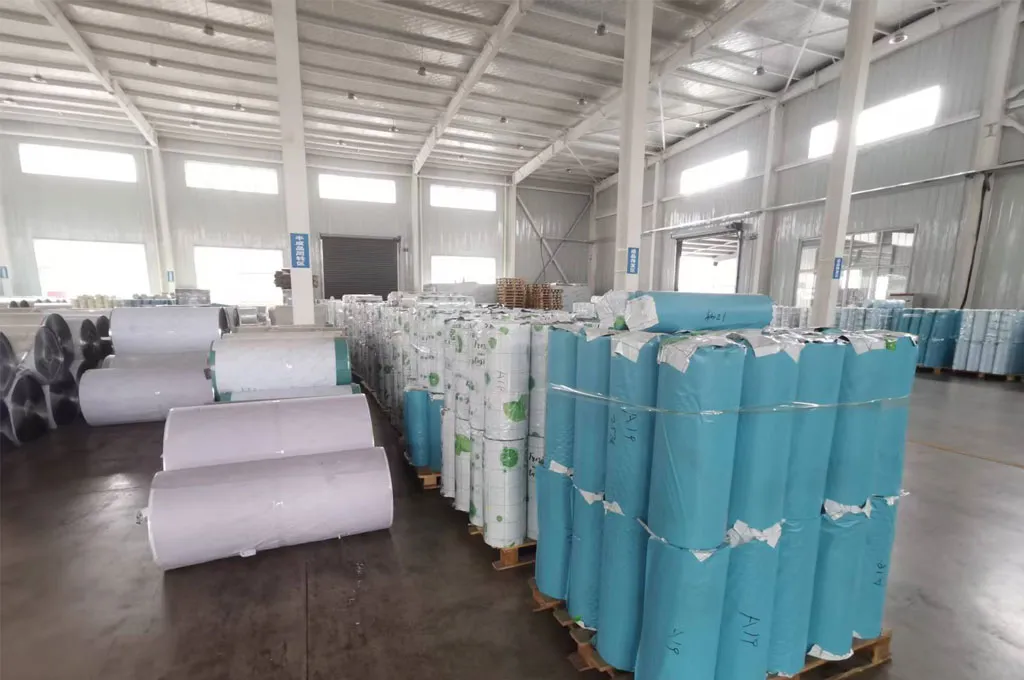
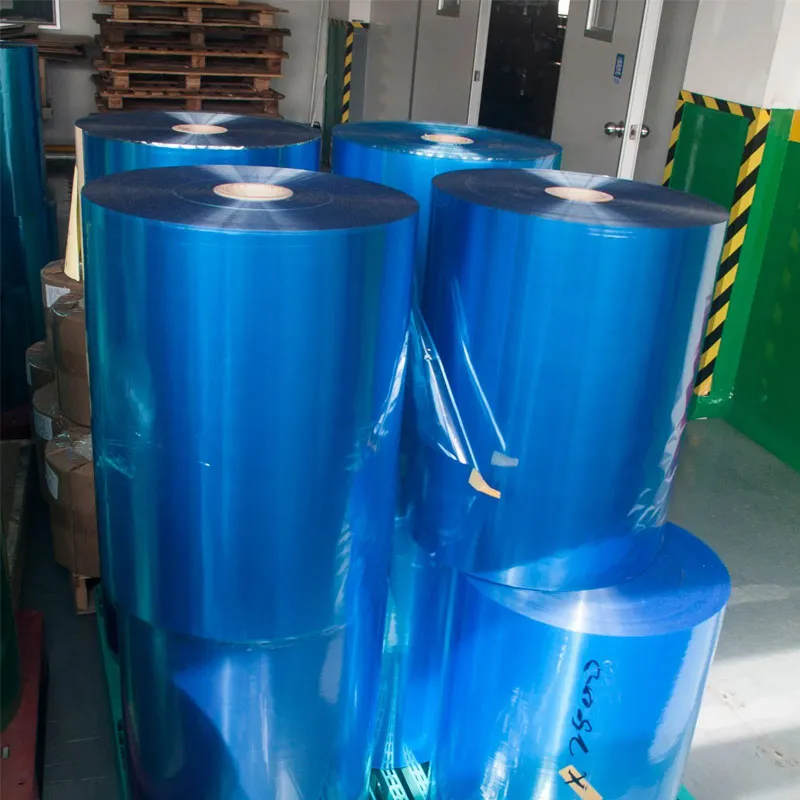
Each roll can be slit and packed to customer requirements, then individually wrapped using dust-proof PE film or kraft paper and labeled with specifications.
This helps protect surface quality during storage and transportation and simplifies warehouse scanning and line-side verification.
📌 Logistics note:
Export-ready packaging with moisture and damage protection reduces claims and keeps your installation schedule safe—especially for high-gloss or deeply embossed films
that show defects more easily.
Premium exotic wood wraps are rarely one-size-fits-all. OEM/ODM support allows you to define thickness, width, roll length, surface treatment, gloss level,
and the exact tone of the exotic wood design. For brand owners and furniture factories, customization is also how you differentiate a product line without changing
your base board supplier or hardware system.
A good OEM workflow includes sampling, color matching, approval benchmarks, and repeatability controls for later reorders—so your “signature walnut dark” or
“luxury rosewood” stays stable across seasons.
High-end interiors feel “designed” when surfaces coordinate: cabinet faces match wall accents, and trim details complement the main grain.
Using related films across categories can help achieve that. For example, you can pair exotic wood panels with minimalist neutral wall finishes or use trim solutions
to create a complete system.
For wall coordination, a clean base can be achieved with options such as
Solid Color Wallpaper,
while architectural finishing lines can be supported with
PVC Skirting Film.
This approach helps designers keep a consistent color story from floor line to cabinet elevation.
Interior decorative materials are increasingly evaluated for safety and compliance. Using eco-friendly, non-toxic inks supports applications in indoor decoration
and human-contact environments. In regulated markets and export projects, compliance documentation also speeds up approvals with contractors and procurement teams.
Compliance-oriented supply:
Materials can be free of heavy metals and phthalates and aligned with management and chemical compliance systems such as
ISO 9001, ISO 14001, REACH, RoHS, and FDA (reports and third-party testing can be provided where required).
To speed sampling and pricing, prepare a clear specification sheet. This reduces back-and-forth and helps the supplier propose the best structure for your process.
If you need official guidance or want to compare more material knowledge topics, the resource hub at
Knowledge
can help your team align terminology and selection criteria before finalizing specifications.
It’s used as a surface decorative layer to deliver wood, stone, textile, or solid-color looks on boards and profiles, improving appearance and making surfaces easier to maintain.
Yes. Thickness, width, roll size, pattern tone, gloss level, emboss texture, and optional functional coatings can be tailored through OEM/ODM services.
MOQ varies by product type and customization level. Many suppliers support trial orders first, then scale to mass production once the pattern and process are confirmed.
Consistency is maintained through raw-material control, in-process checks, batch traceability, and testing for thickness, appearance, and performance before shipment.
Yes. Films can be slit and packed to specification, individually wrapped with dust-proof protection, labeled clearly, and prepared for sea/air freight with moisture and damage prevention.