Address
304 North Cardinal St.
Dorchester Center, MA 02124
Work Hours
Monday to Friday: 7AM - 7PM
Weekend: 10AM - 5PM
Address
304 North Cardinal St.
Dorchester Center, MA 02124
Work Hours
Monday to Friday: 7AM - 7PM
Weekend: 10AM - 5PM


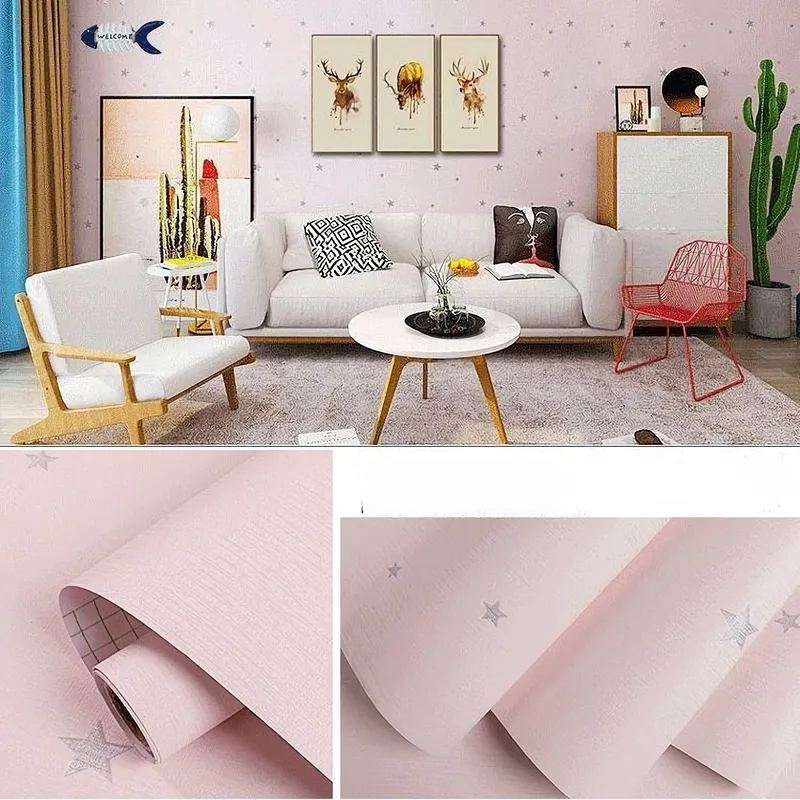
Supply fabric PVC film is a practical, high-impact material used to upgrade surfaces, protect products, and simplify cleaning across furniture, building decoration, electronics, advertising, medical, and home-use scenarios. It combines the versatility of PVC with surface engineering (textures, colors, functional coatings) to deliver both appearance and performance—often at a lower total cost than replacing panels, repainting, or using premium laminates.
✔ Quick definition:
Fabric PVC film (often called cloth-grain / textile-texture PVC film) is a PVC film engineered with a fabric-like embossing or visual pattern. It can be produced as calendered film, decorative film, or laminated structures, and can be supplied with optional functional layers such as anti-static, anti-fog, or self-adhesive backing.
✔ Why it’s popular:
It gives a warmer, softer look than plain glossy plastics while staying easy to wipe and resistant to everyday wear.
In sourcing and manufacturing, “supply” usually means the film is provided in rolls for converting, laminating, wrapping, or hot-press bonding onto substrates like MDF, plywood, particleboard, gypsum boards, metal sheets, acrylic panels, or composite boards. “Fabric” refers to the texture family: cloth grain, linen grain, silk-like microtexture, or woven patterns that mimic textile depth.
Many buyers choose fabric-texture PVC film when they want an interior-friendly style—less glare, more tactile comfort, and better fingerprint hiding—while still requiring industrial consistency in thickness, gloss, embossing depth, and color stability.
Fabric texture is a surface design that can be applied to multiple PVC film types: decorative films for furniture, protective films for manufacturing, self-adhesive films for quick installation, or multi-layer laminations for enhanced durability.
Commonly produced via calendering, then finished with printing, embossing, and optional coatings. Converters may add adhesive systems or laminate it with fabric backing depending on the end-use requirements.
The biggest advantage of fabric PVC film is its ability to deliver a refined, textile-inspired finish with stable, repeatable manufacturing. Below are the most common use cases and why this finish is chosen.
Fabric textures are widely used on wardrobe doors, cabinet fronts, drawer panels, and office furniture. Compared with high-gloss surfaces, cloth-grain styles often look more premium in everyday lighting and can reduce visible micro-scratches and fingerprints.
If your project requires consistent roll-to-roll performance for laminating lines, consider sourcing a stable base film such as
Calendered Film
and then selecting the right embossing/print layer for the fabric look.
For hotels, apartments, and commercial interiors, fabric-style PVC films can create a calm, “soft” visual tone that suits modern minimalism and Scandinavian-inspired spaces. They’re commonly applied to wall panels, partitions, door skins, and decorative trims—especially where wipe-clean maintenance is needed.
If you need a clean, consistent base color program for interior decoration, a complementary option is
Solid color wallpaper,
which can pair well with fabric-textured accents.
Skirting boards, trims, and edge bands take frequent contact from shoes, cleaning tools, and carts. A fabric-texture surface can hide scuffs better than glossy finishes while still matching interior palettes. For trim-focused sourcing, see
PVC skirting film.
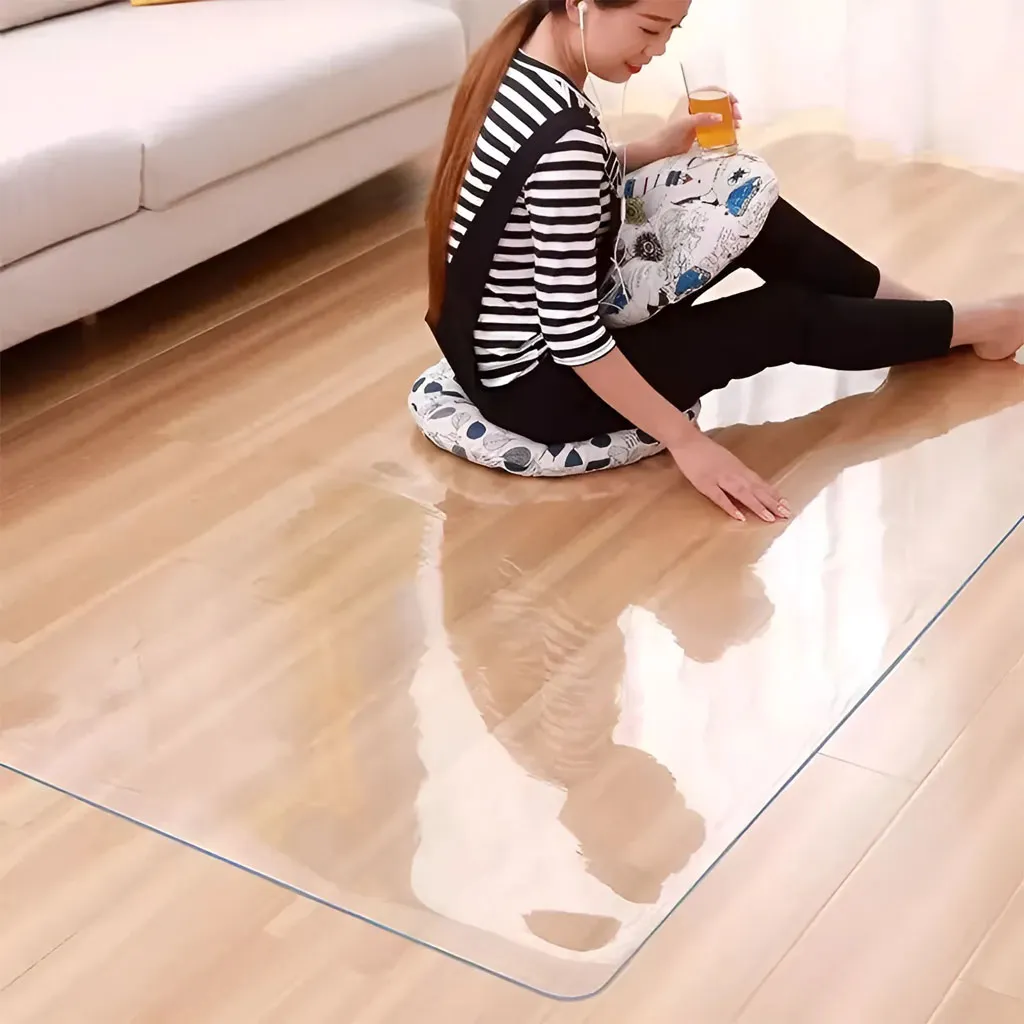
In certain flooring systems and temporary protection scenarios, PVC films help reduce staining, moisture ingress, and abrasion. Texture selection here is critical: too deep an emboss may trap dirt; too smooth may show scratches. If you’re sourcing for flooring applications, review
Floor Film
specifications carefully and confirm wear requirements with your supplier.
Fabric PVC film can also be used for appliance panels, protective wraps, and functional films where anti-static, insulation, or easy-clean performance matters. The “fabric” look may be chosen to reduce glare and improve tactile feel, especially on frequently touched areas.
Note for spec buyers:
Always confirm whether your application needs phthalate-free, low-VOC ink, heavy-metal-free formulations, or compliance with REACH / RoHS / FDA depending on the market and contact conditions.
Fabric embossing can reduce glare, improve perceived warmth, and help hide fingerprints and minor scuffs—ideal for doors, cabinets, and high-touch panels.
Film-based surface finishing supports standardized roll supply, stable yield, and fast line speeds for lamination, wrapping, or press bonding—often reducing rework compared with painting.
From subtle linen neutrals to bold woven patterns, fabric PVC film allows broad styling while keeping repeatability—critical for multi-batch furniture programs and chain projects.
A well-chosen fabric PVC film can lower total cost by combining decoration + protection in one layer, decreasing cleaning time, reducing touch-up labor, and improving batch-to-batch consistency across large projects.
Choosing fabric PVC film is less about picking “the nicest texture” and more about matching the film structure to your processing method and usage environment. Use the checklist below to avoid common sourcing mistakes.
Ask: Are you laminating in a factory line, wrapping profiles, or applying on-site as a self-adhesive solution?
Thickness impacts feel, durability, and processing. Thicker films can offer better scratch masking and dimensional stability, while thinner films can improve conformability and reduce cost. Your supplier should recommend a range after understanding the substrate and process temperature.
“Fabric” can mean anything from micro-silk to deep woven textures. Deeper embossing looks rich but may collect dust in some environments; microtexture looks cleaner and is easier to wipe. If you want a premium tactile effect, explore options like
3D Silk Texture Film
for a more refined touch.
Functional options you may need:
For indoor decoration and human contact, confirm that the film uses environment-friendly, non-toxic inks and meets required regulations. Many projects require documentation aligned with ISO systems and regional compliance frameworks such as REACH and RoHS. If the film is used where food contact is possible, confirm the relevant FDA pathway and test reports.
Shipping damage is a hidden cost. Ask for dust-proof individual wrapping (e.g., PE film or kraft paper), clear specification labels, and stable cores to prevent telescoping. This matters especially when your film goes straight to production lines with tight uptime targets.
Deep fabric patterns can look great but may trap dirt in kitchens, cafes, and public corridors. Always run wipe tests with real detergents used on-site.
A film that looks perfect on a sample board may fail in mass production if the adhesive system, roller pressure, or heat profile is not matched.
For repeat programs, require batch traceability and keep approved master samples. Define acceptable ΔE tolerance and gloss range in writing.
A strong PVC film supplier should not only ship rolls; they should help you reduce risk across production, compliance, and delivery. Look for capabilities such as end-to-end production (calendering, printing, slitting, packaging), flexible OEM/ODM support, and multi-step QC covering thickness, adhesion behavior, optics, and surface durability.
If you want to explore broader product options and specifications, you can browse
Product
listings or learn more from
Knowledge
resources. For project-specific RFQs and sample requests, use
Contact.
PVC film is a thin sheet made of polyvinyl chloride used for decorative, industrial, and packaging purposes. Besides aesthetics, it can add protection, easy-clean performance, and functional features like anti-static behavior.
Choose based on lighting, cleaning needs, and touch frequency. Fabric textures are often preferred for reduced glare and better fingerprint hiding; glossy emphasizes color depth but shows scratches more easily; matte sits between them for a clean modern look.
Yes. Many manufacturers support OEM/ODM customization for thickness, width, roll size, embossing, color/pattern printing, surface treatments, and packaging—typically after confirming application and process conditions.
Common requests include ISO-related quality/environment systems, plus material compliance such as REACH and RoHS. For special use cases (e.g., potential food contact), request the appropriate FDA-related test reports or declarations.
Provide application, film type, thickness/width, surface finish (fabric emboss), color/pattern reference, process method (lamination/wrapping/self-adhesive), compliance needs, and target quantities (trial + forecast).