Address
304 North Cardinal St.
Dorchester Center, MA 02124
Work Hours
Monday to Friday: 7AM - 7PM
Weekend: 10AM - 5PM
Address
304 North Cardinal St.
Dorchester Center, MA 02124
Work Hours
Monday to Friday: 7AM - 7PM
Weekend: 10AM - 5PM


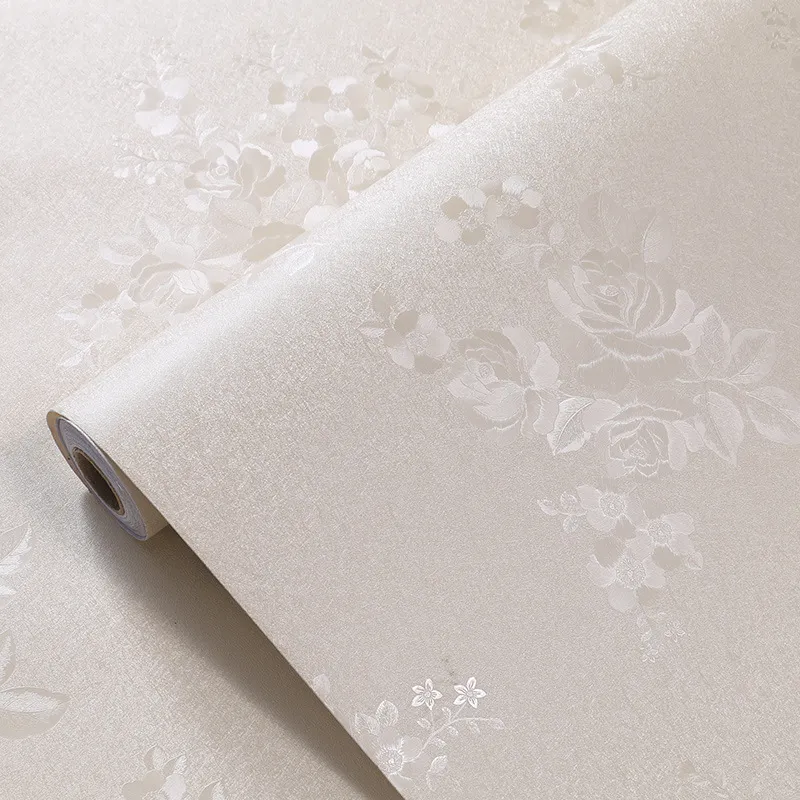
Textured PVC decorative film is a practical way to upgrade surfaces without replacing the base material. By combining a realistic texture (wood, stone, fabric, brushed metal, 3D embossing) with durable PVC performance, it helps brands and builders deliver consistent aesthetics, easier maintenance, and faster installation across furniture, wall panels, doors, partitions, and retail fixtures.
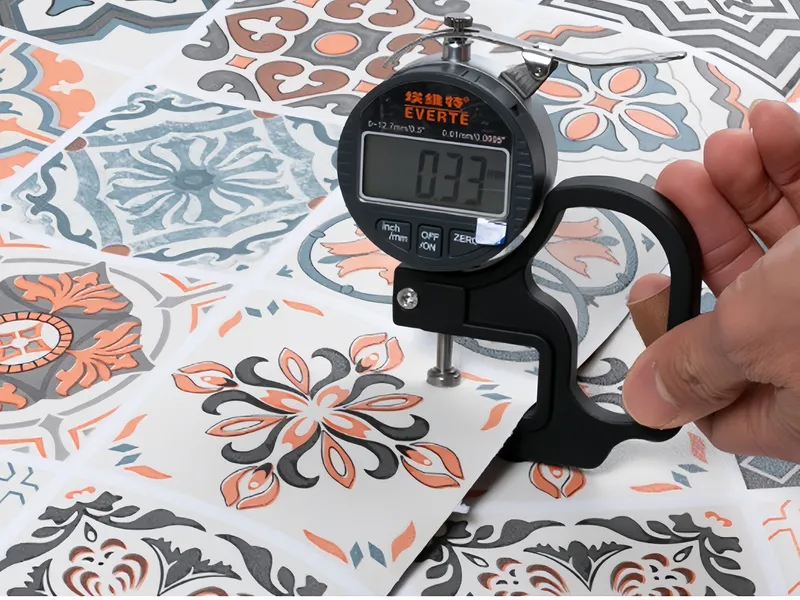
This guide explains the key benefits, the most common applications, and a clear method to choose the right finish—including how to match texture, gloss, thickness, and functional coatings to real project needs.
PVC decorative film is a thin, flexible sheet made of polyvinyl chloride designed to cover or laminate onto substrates such as MDF, plywood, particle board, metal, glass, and certain plastics. “Textured” refers to the surface topography—often created through embossing and printing—to imitate natural or premium materials while keeping production repeatable.
Key point:
A great textured film is not only about the pattern; it’s the combination of print clarity, emboss depth, gloss control, and adhesion compatibility with your production line.
Natural materials vary from batch to batch. Textured PVC decorative film offers controlled color and pattern repeat, which is crucial for modular furniture lines, hotel projects, chain retail stores, and large-scale residential developments where consistency matters.
Compared with porous surfaces, PVC films are typically easier to wipe clean and can be engineered for abrasion and stain resistance. For high-touch areas (cabinet doors, desk tops, skirting boards), the right top layer helps reduce visible wear and simplifies routine cleaning.
⚡ Practical tip:
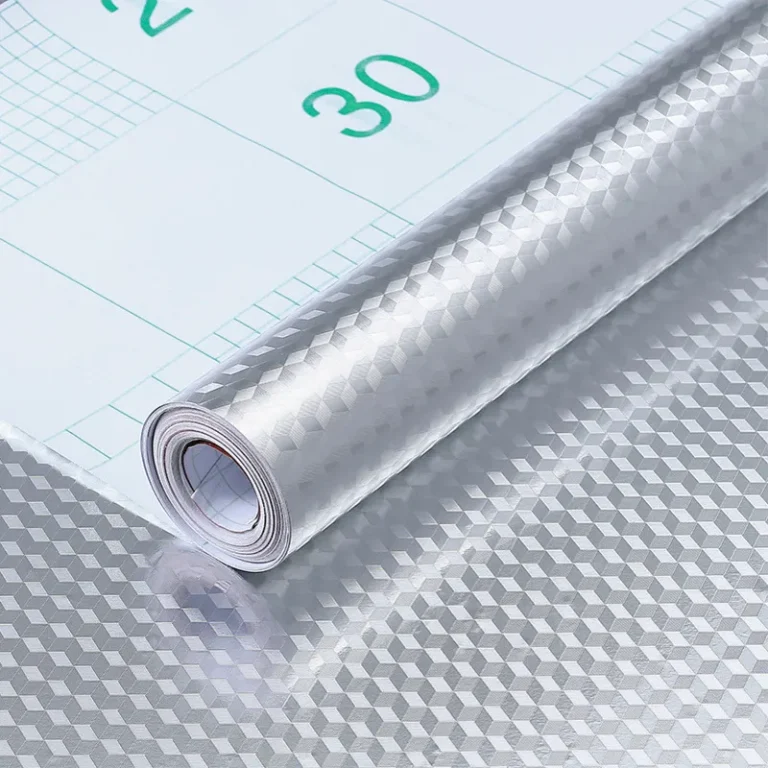
If your project includes kitchens, pantries, or commercial food zones, prioritize oil resistance and stain release. In some cases, a dedicated surface solution (like kitchen anti-oil film) may be more appropriate than a standard decorative layer.
Decorative films can reduce complex on-site finishing steps. In many manufacturing setups, laminating or wrapping is more predictable than multi-stage painting, and it can help shorten lead times—especially when combined with in-house calendering, printing, and slitting/packing capabilities.
From ultra-matte to glossy, from subtle linen grain to bold 3D relief, textured PVC films allow specifiers to match modern interior trends. For example, fabric-inspired finishes can soften hard architectural lines, while stone and marble visuals create a premium feel with easier upkeep.
Furniture brands often choose textured films for repeatable aesthetics and a clean finish. Wood patterns remain the top choice for residential and commercial interiors; explore dedicated options like wood grain film for wardrobes, TV units, and panel furniture.
Films can be used to refresh feature walls, columns, and modular partition systems. Solid colors are popular in minimalist designs and can help designers keep a calm, uniform palette; see solid color wallpaper styles for clean, contemporary spaces.
Skirting areas face frequent contact from shoes, cleaning tools, and furniture. A dedicated PVC skirting film can provide a consistent finish across corners and long runs while simplifying cleaning and touch-ups.
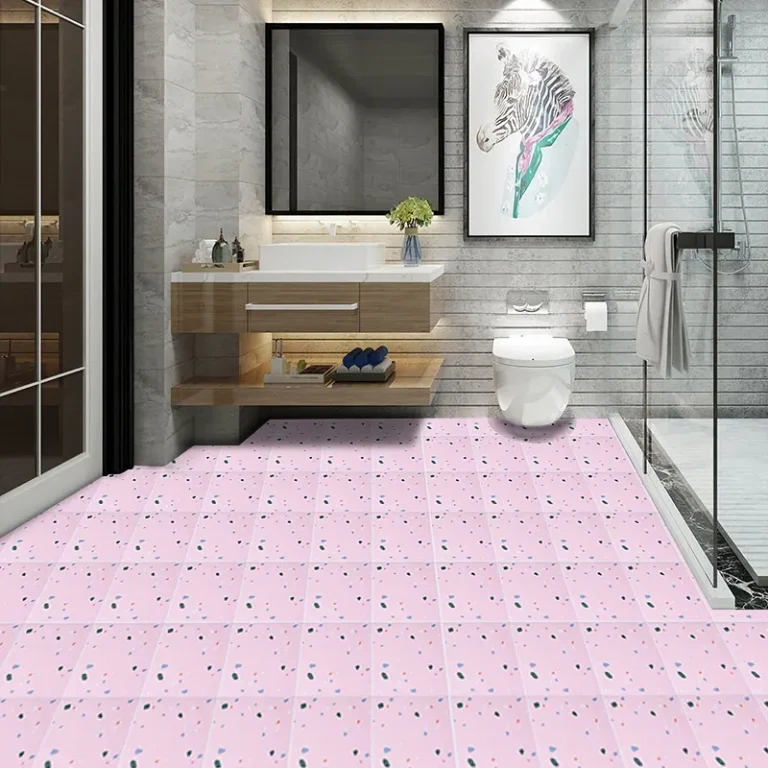
In flooring-related applications, specifiers typically focus on abrasion class, anti-slip needs, and dimensional stability. For project solutions, a product category like floor film can be evaluated with appropriate wear-layer and performance requirements.
Gloss is not just style—it impacts maintenance and perceived quality. High gloss can make colors pop but shows micro-scratches and fingerprints more easily. Matte and soft-touch can feel premium and reduce glare, often preferred in bedrooms, offices, and modern kitchens.
When the raised grain aligns with the printed pattern, the finish feels more realistic and “expensive.” Misalignment can make a surface look artificial even if the pattern is high-resolution. For premium furniture or branded retail environments, it’s worth requesting samples and checking alignment under both daylight and warm indoor lighting.
Start with the environment, not the pattern. Ask:
Deep textures can hide minor scratches and look more natural, but they may hold dust if used in certain high-grease areas. For kitchens, labs, or medical spaces, a finer texture with better wipe-down behavior can be smarter than very deep embossing.
Different production lines require different film behaviors (thermoforming, membrane pressing, flat lamination, profile wrapping). Confirm:
In bright spaces (large windows, showroom spotlights), glossy finishes show reflections and surface defects more clearly. Matte finishes reduce glare and often feel calmer. For family homes and public spaces, choosing a fingerprint-friendly matte can reduce complaints and maintenance time.
Beyond decoration, many projects benefit from added properties. Depending on the use case, consider requesting:
Evaluate samples under multiple lighting conditions. Rub-test with a clean cloth to see how quickly gloss marks appear, and check whether the emboss feels consistent across the sheet. For wood and stone designs, verify that the grain direction and repeat length suit your panel sizes and cutting plan.
Run a small pilot using your real adhesive, substrate, and temperature settings. Confirm:
✔ Supply-chain note:
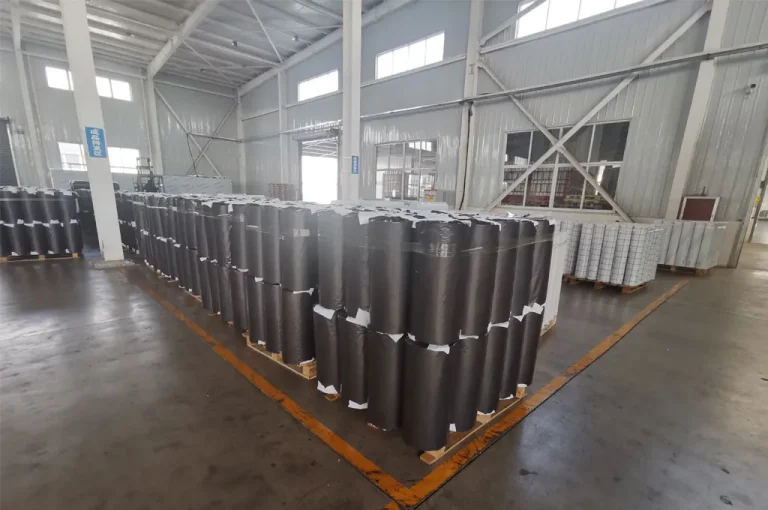
When sourcing at scale, ask whether the supplier controls calendering, printing, and slitting/packing in-house. Full-process control typically improves consistency, shortens lead time, and reduces cost volatility. For reference, see the product category for calendered film.
Even premium film can fail on a poor surface. Ensure the substrate is dry, dust-free, and stable. If the board is highly porous or has weak edges, priming and edge sealing can dramatically improve adhesion and reduce future lifting.
Use a soft cloth with mild detergent. Avoid abrasive pads that can burnish matte finishes into shiny spots. If the surface will be disinfected frequently, confirm chemical resistance in advance and request a suitable topcoat.
Roll packaging should prevent dust and moisture contamination and minimize edge damage. Individual wrapping and clear labeling support traceability and reduce handling mistakes during warehousing and line feeding.
Many projects benefit from customization rather than “off-the-shelf” patterns. Typical OEM/ODM choices include thickness, width, roll length, color matching, emboss selection, functional coatings (anti-static/anti-fog), and packaging method. If you’re producing branded furniture lines or supplying multiple regions, consistent shade control and batch traceability are especially important.
Provide: application, substrate type, processing method, target texture/gloss, thickness range, functional requirements, expected annual volume, and preferred packing. This reduces sampling rounds and helps the supplier recommend the correct structure and coating.
Printed film focuses on the visual pattern; textured decorative film combines the print with embossed grain (tactile feel) and often tighter gloss control, creating a more realistic and premium surface.
It can be, but you should specify the right topcoat and confirm resistance to oil, moisture, steam, and cleaners. For heavy cooking zones, selecting an oil-focused surface solution may be more reliable than a standard decorative finish.
Choose glossy when you want stronger reflections and a “showroom” look; choose matte/soft-touch when you want less glare and fewer visible fingerprints and micro-scratches in daily use.
Share application, thickness, width, roll length, pattern or color reference, target texture/gloss, processing method, and order quantity. If you have compliance requirements (REACH/RoHS/FDA), mention them early.
Approve a controlled sample standard, confirm batch traceability, and request consistent production parameters. For large projects, plan procurement by lot and validate color under your real lighting conditions.