Address
304 North Cardinal St.
Dorchester Center, MA 02124
Work Hours
Monday to Friday: 7AM - 7PM
Weekend: 10AM - 5PM
Address
304 North Cardinal St.
Dorchester Center, MA 02124
Work Hours
Monday to Friday: 7AM - 7PM
Weekend: 10AM - 5PM


Exotic wood PVC films make it possible to achieve premium woodgrain aesthetics on furniture, wall panels, doors, and retail fixtures—without the cost, maintenance, or sustainability concerns of rare timber. In today’s interiors, designers and homeowners often want a “wow” grain (walnut burl, teak, rosewood-inspired tones, smoked oak, ebony look) while still demanding practical performance: abrasion resistance, stable color, easy cleaning, and reliable adhesion.
This guide covers what to look for in top exotic wood PVC film brands, how to compare decorative film options for wraps and laminations, and how to specify the right film for furniture and interior décor projects.
Key drivers behind exotic wood PVC film demand:
A top PVC decorative film brand isn’t only about a pretty woodgrain print. For furniture wrapping and interior décor, brand quality shows up in day-to-day production: stable thickness, predictable adhesion, accurate emboss-to-print alignment, clean slitting, protective packaging, and the ability to deliver on time across multiple SKUs.
The “best” brand depends on your application: cabinet doors, wardrobe panels, hotel millwork, commercial wall cladding, or skirting boards. Below are brand types and sourcing routes that consistently perform well for exotic woodgrain projects.
Brands that control the entire chain—calendering, printing, and slitting/packaging—tend to offer stronger consistency. When exotic wood patterns must match across multiple rooms or floors, process control reduces lot-to-lot variation and minimizes production surprises.
Brand spotlight: Pulivk Film
—a manufacturer focused on PVC film R&D and production for furniture, building décor, electronics, advertising, medical, and home applications.
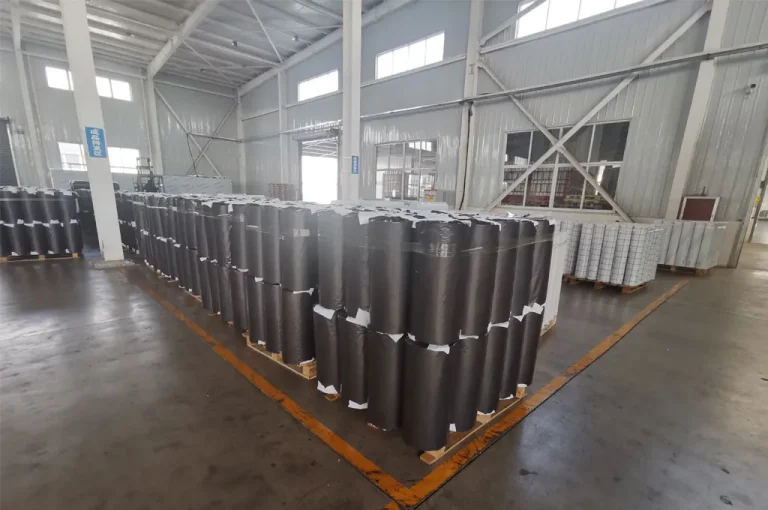
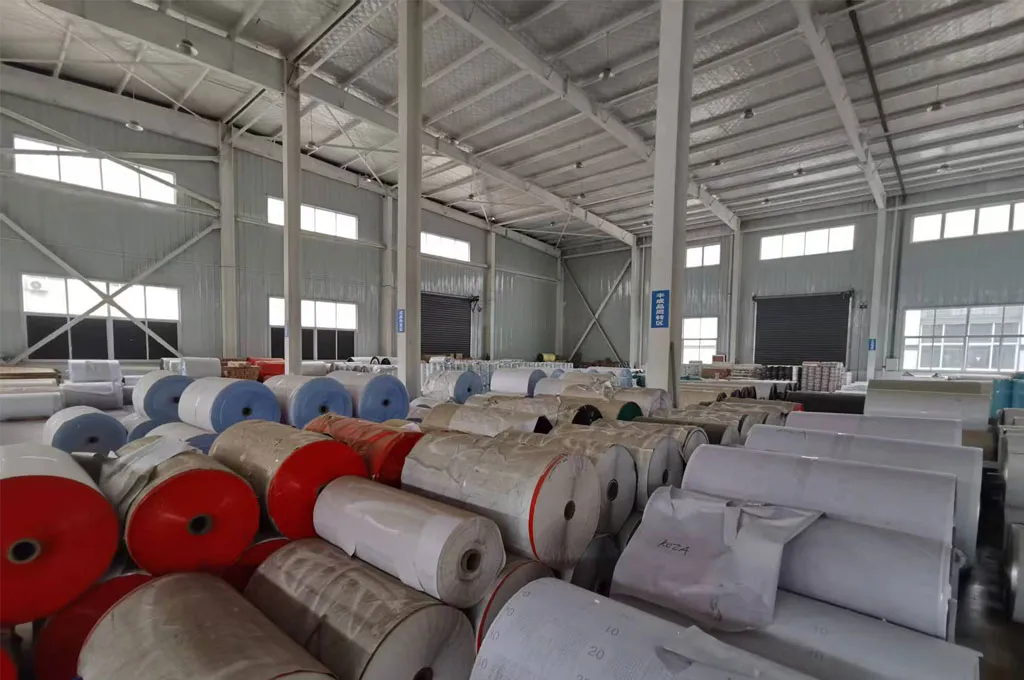
Pulivk operates complete lines for calendering, printing, and slitting/packaging, enabling tighter quality control and shorter lead times. Their portfolio covers decorative woodgrain, stone/marble, metal looks, soft-touch, transparent, self-adhesive films, and more—useful when projects need coordinated surfaces across different areas (e.g., wood wall panels + stone accents + solid color feature walls).
For specification reference, you can review their Calendered Film options and decorative categories such as Wood Grain Film.
Exotic wood is as much about tactile realism as it is about the print. Brands that invest in embossing cylinders, synchronized emboss-to-print (EIR-style effects), and specialty textures can deliver a more “natural” feel—especially for walnut, teak, ash, and pore-heavy oak interpretations.
Look for: deeper grain channels, micro-satin peaks, soft-touch top layers, and controlled gloss mapping that mimics real wood reflectance.
If your project calls for refined “boutique” textures beyond standard woodgrain, consider specialty finishes like 3D Silk Texture Film for accent surfaces where tactile appeal is critical (boutique retail, hotel headboards, display walls).
Not all exotic wood PVC films are meant for the same environment. Brands that specialize in a given application typically optimize wear resistance, dimensional stability, and installation practicality.
Wood-look skirting is often impacted by cleaning tools, scuffs, and minor moisture exposure. Choose film built for trim profiles and consistent wrapping.
For project matching, see PVC Skirting Film.
For wood aesthetics underfoot, flooring-grade structures and performance layers matter more than “pretty print.” Confirm wear-layer expectations, dimensional stability, and slip performance per local project requirements.
If you’re evaluating flooring film options, review Floor Film to understand common formats and use cases.
Choosing a film is a balance between aesthetics, substrate compatibility, production method, and the space’s daily wear. Below is a practical selection checklist used by furniture factories, interior contractors, and brand-fitout teams.
Exotic wood directions that sell well:
Different production lines prefer different film behaviors. Vacuum pressing, profile wrapping, flat lamination, and self-adhesive field installation each stress the film in different ways (heat, stretch, edge wrap, or adhesive aging).
Tip: Ask for sample yardage from the same production batch you plan to order, then run it through your real process (your glue, your temperature, your wrap speed).
When evaluating films, confirm thickness tolerance, heat response, and edge behavior (especially on sharp corners or routed profiles).
Exotic wood patterns can amplify small production issues—like misaligned emboss, color shift, or inconsistent gloss—because the eye expects “natural” depth. Tight specifications reduce disputes and protect your timeline.
Exotic woodgrain films are widely used on kitchen cabinets, wardrobe doors, office furniture, and display fixtures. For cabinet faces, many brands prefer a matte or satin finish to reduce fingerprints and deliver a more authentic wood look, while reception counters and retail fixtures may choose more dramatic grains for impact.
Woodgrain wall films can make large surfaces feel warm and premium, especially in hospitality lobbies, restaurants, and offices. For vertical surfaces, designers often select slightly lower gloss to hide minor substrate imperfections and maintain a calm, upscale visual rhythm.
Matching the skirting film to the main wood look creates a “complete room” effect. It’s also a practical way to protect edges from scuffs while keeping the interior finish consistent across areas like corridors, meeting rooms, and residential hallways.
Many top suppliers support OEM/ODM customization for exotic wood PVC films: pattern development, color matching, gloss control, and packaging decisions that fit your logistics. This is particularly valuable when you want a signature “house wood tone” across multiple product lines (kitchens, wardrobes, wall panels).
What good OEM support looks like:
Exotic wood designs are often chosen for premium projects, so hidden issues become expensive quickly. Use the checks below to qualify brands and reduce risk.
Important: Embossed exotic wood films can be damaged by pressure marks or dust contamination during transit.
Confirm each roll is individually protected (dust-proof wrap), clearly labeled with specs, and packed to prevent edge crush. For international shipping, moisture control and outer protection reduce claims and downtime.
PVC film is used as a decorative and protective surface for cabinets, doors, wall panels, partitions, trim, and other substrates. It provides woodgrain aesthetics while improving cleanability and durability.
Matte and satin usually look more natural and hide fingerprints; gloss can look striking but highlights surface defects and requires more careful handling. Choose based on lighting, touch frequency, and the desired “real wood” effect.
Yes. Many manufacturers offer OEM/ODM customization including thickness, width, roll length, color matching, pattern adjustments, surface texture, and packaging.
Test adhesion on your substrate, edge/corner wrapping performance, heat response (if vacuum or profile wrapping), scratch/scuff resistance, and color consistency under your project lighting.
Many do. Confirm roll protection, labeling, moisture/damage prevention, and lead time planning—especially for multi-SKU interior projects where delays can affect installation schedules.