Address
304 North Cardinal St.
Dorchester Center, MA 02124
Work Hours
Monday to Friday: 7AM - 7PM
Weekend: 10AM - 5PM
Address
304 North Cardinal St.
Dorchester Center, MA 02124
Work Hours
Monday to Friday: 7AM - 7PM
Weekend: 10AM - 5PM


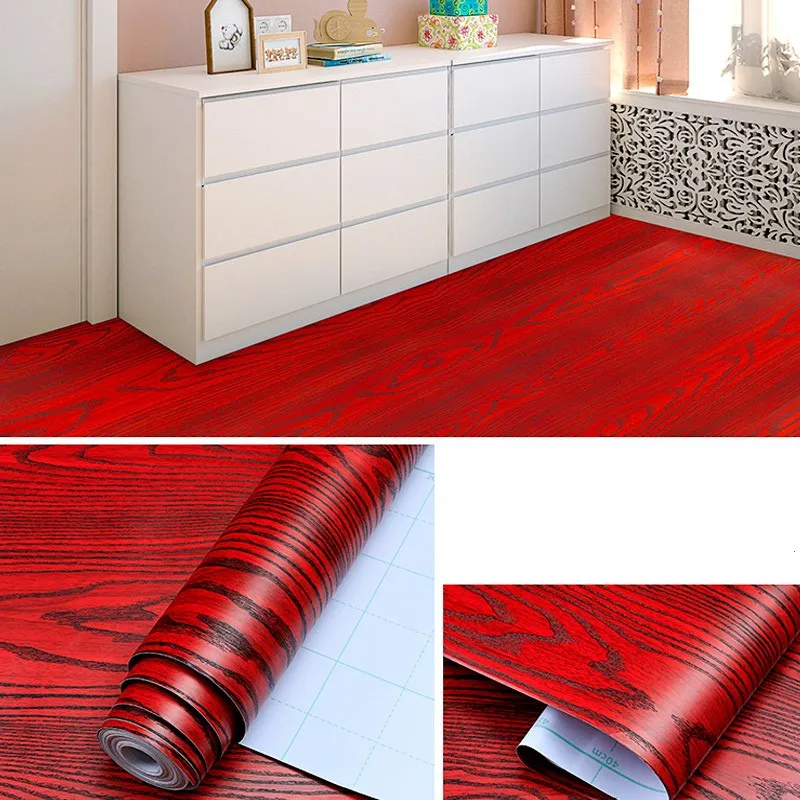
Fabric PVC film (often called fabric-backed PVC film or PVC coated fabric film) is a practical surface and performance material used when you need waterproofing, flexibility, durability, and easy maintenance—without sacrificing design. From furniture wraps and wall panels to protective packaging, cleanroom applications, and decorative interiors, today’s best brands focus on stable calendering, consistent coating, reliable adhesion, and repeatable color/texture control.
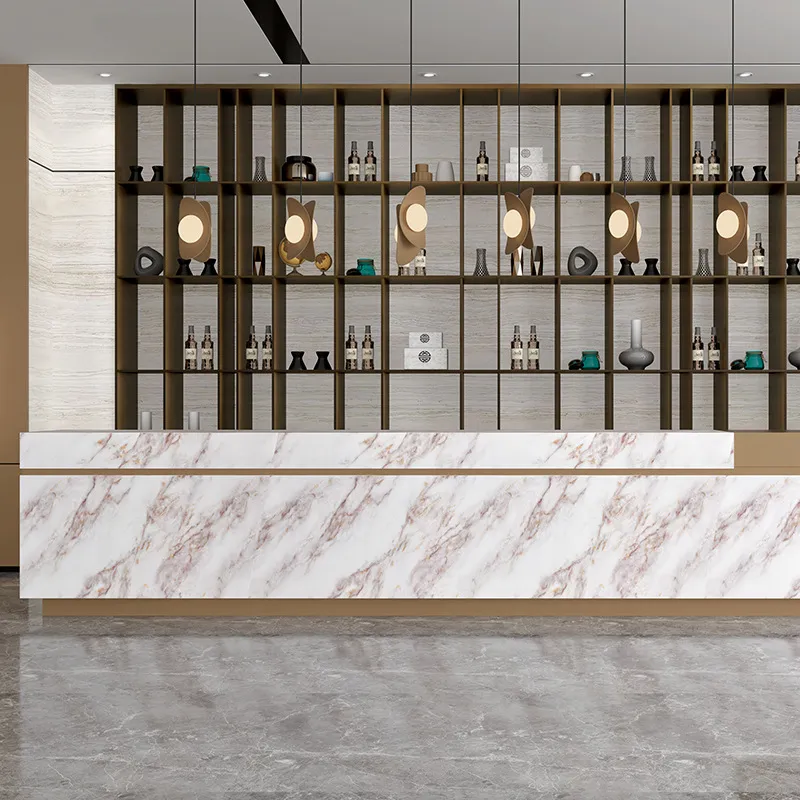
This guide breaks down what “top” means in real purchasing terms, the most important technical indicators, common use cases, and a brand spotlight on Pulivk Film—an experienced PVC film manufacturer with full-process production (calendering, printing, and slitting/packing) that helps buyers secure consistent quality and on-time delivery.
Key idea: “Top fabric PVC film brands” are not only about a famous name—real leadership shows up in process control, functional options (anti-static/anti-fog/food-grade), stable lead times, and batch-to-batch consistency.
If you are comparing suppliers, ask for test data (thickness tolerance, tensile strength, adhesion), compliance documents (REACH/RoHS/FDA where needed), and packaging specs for export.
PVC film is a thin sheet made of polyvinyl chloride. When combined with textiles or engineered substrates (or designed to work with coated fabric systems), it becomes an ideal option for applications that need a balance of soft hand-feel, tear resistance, and cleanability. In real-world buying, “brand strength” usually means the manufacturer can deliver:
Buyer tip: When a film looks good on a sample roll but fails after forming/lamination, the root cause is often inconsistency in plasticizer balance, surface treatment, or thickness tolerance. Top brands invest in QC checkpoints from raw materials to finished rolls.
Instead of judging only by catalog photos, evaluate fabric PVC film brands using measurable criteria. Below are the most common decision points used by furniture factories, interior contractors, packaging suppliers, and OEM buyers.
For high-touch surfaces (cabinets, panels, doors, workstation elements), you want stable surface hardness, abrasion resistance, and a finish that doesn’t “whiten” after bending or forming. Ask suppliers for abrasion results (test method + cycles), scratch performance, and recommendations for protective topcoats if needed.
Waterproof performance is influenced by film density, formulation, and edge sealing in the final product. For kitchens, bathrooms, and humid climates, prioritize brands that can provide low water absorption, stable adhesion after temperature swings, and proven performance in wet cleaning routines.
If your process involves vacuum pressing, membrane pressing, wrapping profiles, or bending around corners, you need a film engineered for forming without cracking. Confirm elongation behavior, recommended forming temperature window, and whether the film is optimized for flat lamination or 3D forming.
Coated fabric and decorative film systems often depend on stable surface energy. A strong brand can tailor surfaces with options like anti-static or anti-fog and advise on compatible adhesives and lamination parameters. If you run fast lines, also check roll winding quality and edge condition to reduce downtime.
Decorative PVC films compete on realism and consistency—wood pores, cloth grain, brushed metal, marble veining, and matte/gloss balance. Top brands can match customer samples, repeat colors across batches, and keep embossing depth stable through production.
Pulivk Film focuses on PVC film R&D and manufacturing, supplying a wide range of calendered and decorative films for furniture, construction, electronics, advertising, medical, and home-use scenarios. What distinguishes Pulivk as a strong option is its full-process production: calendering, printing, and slitting/packing are handled in-house to improve quality control, shorten lead time, and reduce overall cost volatility.
If your project depends on stable, industrial-scale calendering, you can explore Pulivk’s Calendered Film options for core performance needs. For high-visual-impact interiors, textures like 3D Silk Texture Film can deliver a premium surface feel while maintaining wipe-clean practicality.
Many buyers choose a top fabric PVC film brand not only for standard SKUs, but for the ability to customize thickness, width, roll length, color, printing, and packaging. Pulivk supports flexible OEM/ODM programs and can align films to functional requirements such as anti-static, anti-fog, glossy/matte finishes, or other coatings—helping factories maintain consistent product lines while improving purchasing efficiency.
Packaging detail that matters: Films can be slit and packed per customer requirement, individually wrapped with dust-proof PE film or kraft paper, and labeled with specs—important for export shipments where roll edges and surface protection reduce claims.
Quality consistency: Multi-step QC (raw materials → process → finished roll) and batch traceability are essential when you must match prior production runs.
“Best” depends on where the film will live: high humidity, heavy abrasion, frequent cleaning chemicals, or strict indoor compliance requirements. Below are common selection paths used by buyers.
In furniture manufacturing, decorative PVC films help deliver wood, stone, or textile looks with easier maintenance than natural materials. A strong choice prioritizes stable color, uniform embossing, and consistent forming performance for doors, drawer fronts, and panel faces. Wood patterns remain a staple; for example, Wood Grain Film can be used for modern cabinetry aesthetics while keeping wipe-clean durability.
Interior decoration projects often need large-area consistency, quick turnaround, and easy maintenance—especially in commercial spaces. For wall and partition surfaces, consistent matte levels and color repeatability reduce visible “panel-to-panel” differences under LED lighting.
Solid color and matte series for minimalistic spaces and offices.
Stone/marble looks for retail and hospitality where cleaning frequency is high.
For electronics and appliance-related packaging or surface protection, functional treatments can matter as much as appearance. Anti-static options help reduce dust attraction and static discharge risk. In these applications, a top brand should provide clear specs for surface resistivity (where relevant) and demonstrate stable roll quality for high-speed converting.
Medical and cleanroom scenarios require strict cleanliness and reliable material documentation. Ask about heavy-metal and phthalate-free formulations and whether the supplier can support ISO systems and compliance such as REACH/RoHS and FDA (when the use-case requires it). Pulivk indicates its films can be produced with environmentally friendly non-toxic inks and offers compliance documentation and test reports upon request.
If you are sourcing fabric PVC film for coated fabrics or decorative lamination, use a process that reduces surprises at scale. Below is a field-tested workflow used by many procurement and engineering teams.
When buyers say they need “durable, waterproof, and flexible coated fabrics,” they often mean one of these practical directions: high-stability base film, premium decorative texture, or purpose-driven architectural/flooring films. If your project is floor-focused, you can evaluate dedicated options like Floor Film where wear, cleaning, and long-term appearance are central requirements.
For wall systems and large-area uniformity, clean designs are trending in many markets because they pair well with modern lighting and minimalistic interiors. Options like Solid Color Wallpaper can simplify matching across rooms or project phases while still offering wipe-clean convenience compared with traditional painted surfaces.
A top fabric PVC film brand should be ready to discuss safety and environmental requirements without ambiguity. For indoor decoration and human-contact scenarios, the most common concerns include heavy metals, phthalates, and VOC-related topics. Pulivk highlights the use of environmentally friendly non-toxic inks and states that its materials can comply with management systems and regulations such as ISO 9001, ISO 14001, REACH, RoHS, and FDA—backed by third-party reports where needed.
Compliance note: Always align documentation to the end-use market and application. Requirements can differ between decorative furniture surfaces, medical packaging, and electronics protection.
Process note: Even compliant materials can fail if your lamination parameters are not tuned. Ask your supplier for recommended settings and trial support.
The difference between an acceptable supplier and a top brand often shows up after you pay—when you need stable delivery, correct labeling, and reduced conversion loss. Strong manufacturers typically provide:
If you are evaluating Pulivk as a supplier, you can also navigate the broader catalog via Product and use their Contact page to request samples or a quotation with your target thickness, width, pattern, and quantity.
Q1: What makes a fabric PVC film “durable” in real use?
A durable film maintains surface integrity through abrasion/scratch exposure, repeated cleaning, and forming/handling without cracking; consistent thickness tolerance and stable formulation are key.
Q2: Can I customize thickness, width, color, and texture for OEM projects?
Yes. Many top brands provide OEM/ODM services for thickness, width, roll size, color/pattern, surface finishes (glossy/matte), and functional treatments like anti-static or anti-fog.
Q3: How do I verify waterproof performance for kitchen/bathroom applications?
Confirm material specs, run adhesion trials on your substrate, and test cleaning/humidity cycles. Also ensure edge sealing and installation details are suitable for wet environments.
Q4: What documents should a top fabric PVC film brand provide?
Typical expectations include compliance and QC documentation (e.g., REACH/RoHS/FDA where applicable), batch traceability, and test reports covering thickness, strength, adhesion, and optics.
Q5: What’s the best way to reduce batch inconsistency risk?
Choose a supplier with full-process production control and strict QC, request pilot rolls, and lock key tolerances and acceptance criteria in a quality agreement before scaling.