Address
304 North Cardinal St.
Dorchester Center, MA 02124
Work Hours
Monday to Friday: 7AM - 7PM
Weekend: 10AM - 5PM
Address
304 North Cardinal St.
Dorchester Center, MA 02124
Work Hours
Monday to Friday: 7AM - 7PM
Weekend: 10AM - 5PM


Buying PVC film in bulk is not just about getting a lower price per roll—it’s about securing stable quality, repeatable colors, and reliable lead times across every shipment. If you’re sourcing for furniture lamination, wall panels, flooring layers, advertising applications, medical packaging, or home-use products, choosing the right fabric PVC film wholesaler can directly impact your production yield, customer satisfaction, and long-term margins.
This guide explains what “top” wholesalers do differently: how they control the process, how to evaluate bulk roll specifications, what custom thickness & color options matter most, and how to reduce risk when importing. You’ll also find a practical checklist and FAQs at the end.
A top wholesaler is not defined by price alone. The best suppliers combine full-process production control, strict QC, and flexible converting (slitting/rewinding/packaging) so buyers can standardize purchasing and scale without surprises.
✔ Key signals of a strong PVC film wholesaler
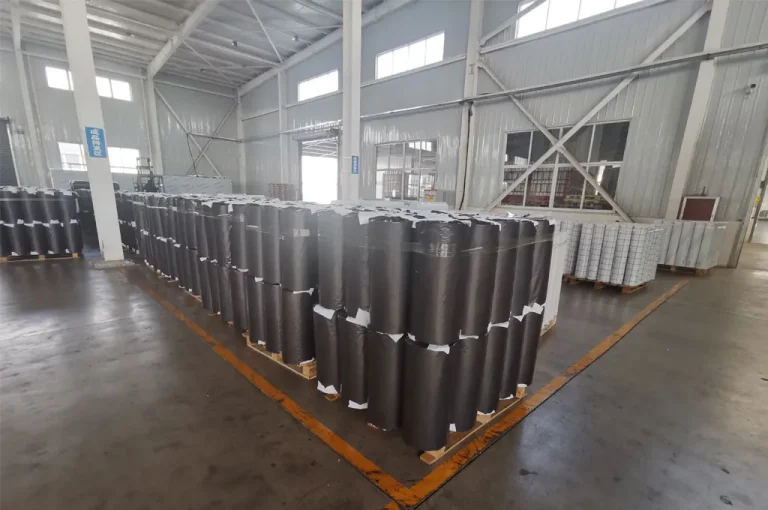
Pulivk Film focuses on PVC film R&D and manufacturing, covering calendered film, decorative film, flooring film, soft-touch film, transparent film, and more. What matters for wholesale buyers is the ability to run calendering + printing + slitting + packaging under one roof—reducing lead time, improving consistency, and lowering overall cost.
For example, if you need industrial-grade base rolls, you can source Calendered Film as a stable foundation for further converting or lamination. If you need consumer-facing finishes, decorative lines can be supplied in multiple textures, gloss levels, and colors with repeatable batch control.
Bulk purchasing works when your specifications are engineered for your process—not copied from a competitor’s datasheet. Fabric PVC film (including cloth-grain, embossed, laminated, or composite structures) can behave differently depending on thickness, plasticizer balance, and surface treatment.
Thickness is the most discussed number, but tolerance is the real cost driver. Tight tolerance reduces waste in lamination, cutting, and thermoforming. When comparing quotes, ask for:
Buyers often request “matte” or “glossy” without defining the target. A strong wholesaler will help you lock down a measurable standard (gloss unit range, emboss depth, tactile feel). If you’re building a premium furniture or panel line, texture selection is part of your brand identity.
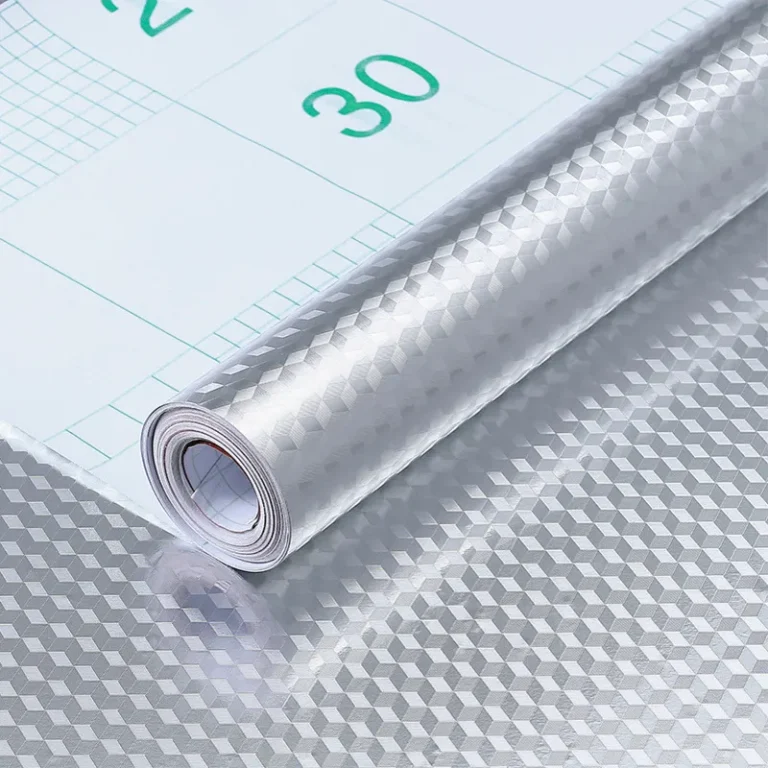
For textured aesthetics, consider specialty options like 3D Silk Texture Film for modern interior surfaces where lighting and touch perception matter. For a classic evergreen look used widely in cabinetry and doors, Wood Grain Film remains one of the most scalable patterns for mass production.
Competitive pricing is easiest to achieve when width and roll length match your equipment. If you are re-laminating onto boards or wrapping profiles, slitting accuracy reduces edge waste and prevents misalignment.
📌 Purchasing tip — Ask your wholesaler to confirm:
“Low price” can be expensive when it leads to rework, customer complaints, or unstable supply. Top wholesalers create competitive pricing by controlling raw materials and processes, improving yield, and planning production scientifically—rather than cutting corners.
When you request a quote, you’ll get better pricing and faster confirmation if your RFQ includes: application, thickness, width, color/pattern, finish, monthly volume, target incoterms, and destination port. A wholesaler with full-process capability can then recommend the optimal structure (single-layer, multi-layer composite, cloth base, self-adhesive, etc.) to hit your cost and performance targets.
⚙ What affects your landed cost most
Customization is where top wholesalers outperform generic suppliers. The goal is not just “make it different,” but make it repeatable so your customers can reorder the same look and performance months later.
If your brand depends on consistent interior tones (wood, stone, solid colors), define color targets clearly (Pantone/RAL/sample board) and request batch control measures. For wall décor and minimalist interiors, solid tones must look “clean” under different lighting; for flooring and cabinets, pattern repeat and emboss alignment should be controlled to avoid visible mismatch during installation.
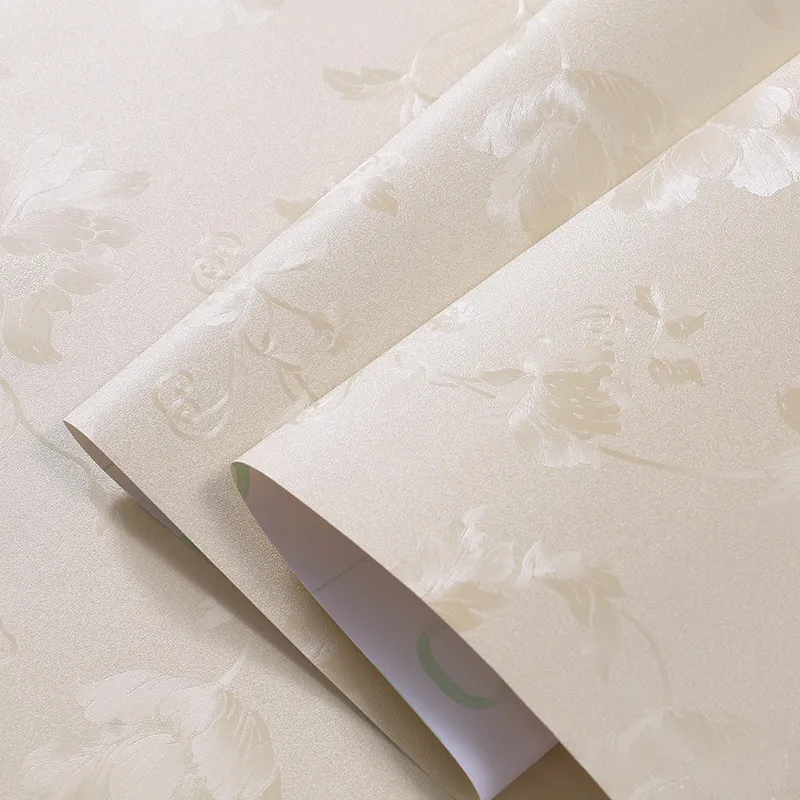
If your project requires a stable decorative base for home/retail spaces, explore Solid Color Wallpaper options for consistent hue families that work across room sets and commercial displays.
Wholesale buyers frequently resell or convert rolls, which means packaging is part of the product. Pulivk can slit and pack per customer request, using dustproof PE film or kraft paper for individual wrapping, plus specification labels for easier warehouse scanning and batch traceability.
🧾 OEM file checklist (send this to your wholesaler)
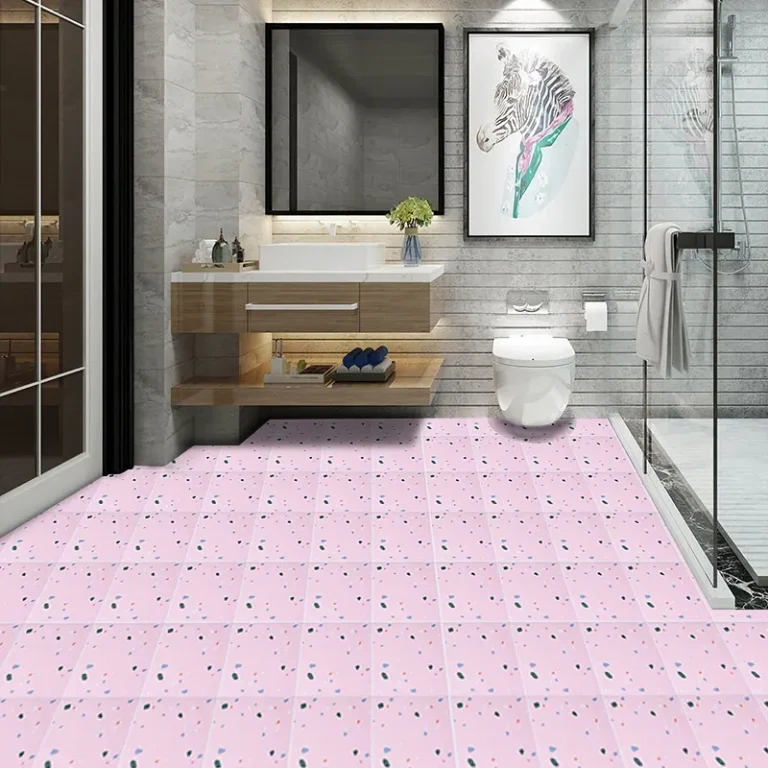
A strong wholesaler should cover both foundational and decorative needs, so you can consolidate suppliers as your catalog expands. Pulivk supplies multiple PVC film categories for different industries:
Wholesale demand often comes from furniture manufacturing (cabinet doors, table surfaces), construction & decoration (wall films, ceiling panels, partitions), electronics (insulation/protection), advertising & exhibition (lightbox and background films), medical & cleanroom (protective packaging), and home goods (tablecloth film, waterproof curtains, window films, floor protection).
If your PVC film will be used indoors or touched frequently, compliance becomes a sales advantage. Pulivk uses environmentally friendly, non-toxic inks and offers films free of heavy metals and phthalates, supporting standards such as ISO 9001, ISO 14001, REACH, RoHS, and FDA where required. Third-party test reports can be provided for qualification processes.
🔍 QC points that prevent wholesale disputes
Bulk roll buyers often face a simple constraint: when material is late, everything downstream stops. A reliable wholesaler will offer clear lead time ranges based on order size and customization, plus quick sample production for new developments. With export-ready packing, moisture protection, and multiple shipping options (air and sea), global deliveries become more predictable.
If your company is evaluating suppliers remotely, ask about live online factory tours to review production capacity and QC steps before placing large orders. For ongoing programs, share forecasts so the factory can plan materials and reserve capacity—this is one of the most practical ways to maintain competitive prices while keeping consistent quality.
Selecting a wholesaler is easiest when you treat it like supplier qualification rather than a one-time purchase. Use a two-step approach: technical fit first, then commercial optimization.
Request samples matching your real production conditions: same thickness, finish, and width where possible. Test for appearance under your lighting, scratch resistance, lamination behavior, and performance after aging (heat/humidity) if your market demands durability.
A quote is only meaningful if it references a stable spec. Confirm tolerance, color standard, packaging, inspection method, and acceptance criteria. This reduces disputes and makes future reorders faster.
✅ Quick evaluation checklist for wholesalers
Bulk PVC film is widely used for furniture surfaces, doors, wall panels, flooring layers, electronics protection, advertising displays, medical packaging, and home goods—where consistent appearance and stable performance matter across repeated production batches.
Yes. OEM/ODM programs typically support custom thickness, width, roll length, surface finish (gloss/matte/emboss/soft-touch), functional treatments (anti-static/anti-fog/food-grade), plus color matching and pattern development with defined tolerances.
MOQ depends on product type and customization level. Many factories support trial orders for evaluation and scale to large production once the specification is confirmed.
Send the film type, thickness, width, finish, color/pattern reference, quantity, and destination port. Including your application (lamination/wrapping/printing) helps the supplier recommend the best structure and packaging.
Leading wholesalers implement QC from raw material to finished rolls, maintain batch traceability, test thickness/strength/adhesion/appearance, and can provide certification or third-party verification to reduce risk for long-term wholesale programs.