Address
304 North Cardinal St.
Dorchester Center, MA 02124
Work Hours
Monday to Friday: 7AM - 7PM
Weekend: 10AM - 5PM
Address
304 North Cardinal St.
Dorchester Center, MA 02124
Work Hours
Monday to Friday: 7AM - 7PM
Weekend: 10AM - 5PM


Flexible PVC film has become a go-to material for manufacturers and contractors who need a balance of durability, design freedom, and cost efficiency. From furniture wrapping and wall panels to electronics protection and medical clean packaging, the right supplier can dramatically reduce defects, shorten lead times, and improve the final surface feel.
This guide explains how to evaluate top flexible PVC film manufacturers, what “custom sizes” and “thickness options” really mean in production, and how to secure fast global delivery without sacrificing consistency. You’ll also find practical checklists for ordering, packaging expectations, and common questions buyers ask before placing OEM orders.
Many suppliers can sell PVC film, but top-tier manufacturers stand out through process control, repeatability, and export readiness. When comparing options, focus less on a catalog photo and more on how the film is made, handled, tested, and shipped.
“Flexible PVC film” is not one single specification. It is a broad category that includes calendered films, decorative films, functional films (anti-static, anti-fog), transparent or frosted films, and self-adhesive variants. The best suppliers help you match a film structure to your real-world application, rather than pushing one standard roll to every buyer.
Calendering is widely chosen for stable thickness, smoothness, and scalable output—ideal for decorative laminations and industrial conversion. If you want a reliable baseline product for large projects, start with
Calendered Film.
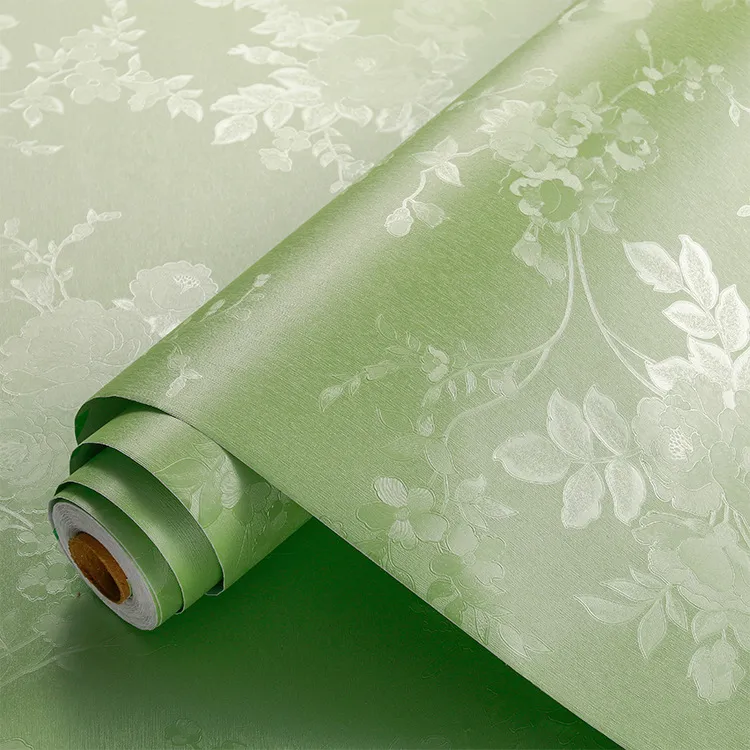
Decorative PVC film is commonly used on cabinet doors, wardrobes, wall cladding, partitions, and display systems. Typical surface families include wood grain, marble/stone, metal-like, fabric texture, soft-touch, glossy, matte, embossed, and 3D tactile patterns. For example, high-end tactile décor needs stable emboss depth and clean pattern repeat, such as
3D Silk Texture Film.
For electronics and appliance applications, film performance is often judged by functional metrics rather than appearance—such as anti-static behavior, insulation stability, adhesion, optical clarity, and resistance to handling marks. A manufacturer with strong QC will provide test data or support third-party verification when required.
Flexibility depends on plasticizer systems, thickness, and structure. Two films can feel different even at the same thickness. Always confirm target hardness/hand feel and run a small trial before mass production.
“Custom size” usually involves width, roll length, core diameter, and slitting tolerance. A top flexible PVC film manufacturer will not only accept your requested dimensions, but will also ask the right questions to prevent waste and installation issues.
Export shipments can involve multiple transfers and humidity changes. Proper winding, edge protection, and roll wrapping reduce the risk of telescoping, edge dents, and surface abrasion. A manufacturer with mature export experience will treat packaging as part of product quality—not an afterthought.
Thickness selection impacts more than “strength.” It influences lamination temperature window, emboss stability, wrinkle resistance, adhesion behavior, and the final look under lighting. Top manufacturers offer flexible thickness ranges and can keep batch-to-batch deviation under control.
In competitive markets, decoration is not “nice to have”—it is the product identity. A capable OEM/ODM manufacturer can reproduce colors accurately, maintain pattern repeat consistency, and support custom packaging for your channels.
Approvals move faster when you provide a clear spec sheet: target thickness, width, finish, color code or sample, application method (lamination/pressing/adhesive), and expected environment (heat, humidity, cleaning chemicals).
Fast delivery is not just a shipping method—it is the outcome of planning, inventory discipline, and stable production scheduling. Top flexible PVC film manufacturers typically shorten lead times by operating full production lines (from calendering to slitting and packaging), maintaining raw material readiness, and using systematic QC that prevents rework.
For global projects, especially in indoor decoration and consumer-facing applications, compliance is often non-negotiable. Top manufacturers should be able to support requests involving ISO systems and material compliance, and provide documentation or third-party reports when needed.
If your film will be used indoors or in frequent human-contact areas, confirm the ink and material safety approach (e.g., environmental inks, restrictions on harmful substances), and ask whether relevant compliance frameworks can be supported for your market.
Flexible PVC film is popular because it adapts across industries with different priorities—appearance, protection, cleanliness, or functional performance. Below are typical high-value applications and what buyers usually optimize for.
Common products include wood grain, fabric texture, glossy/matte cabinet films, and soft-touch surfaces. Buyers emphasize appearance consistency, scratch resistance, and stable color between batches. For classic décor demand, a core category is
Wood Grain Film.
Films for wall panels, partitions, ceilings, and trims help projects maintain a consistent look while controlling costs. Contractors appreciate materials that are easy to clean and stable in daily indoor environments. Solid-color wall décor is a frequent request in modern interiors; see
Solid color wallpaper.
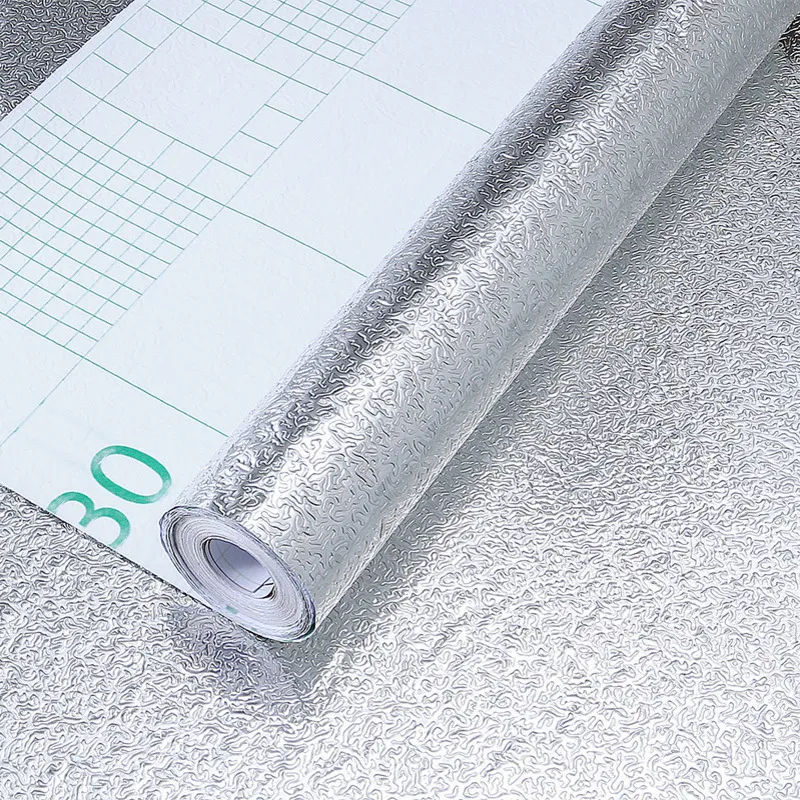
From protective and insulating films to decorative brushed textures on appliance panels, the manufacturing focus is typically on surface integrity, functional stability, and process compatibility (die-cutting, lamination, heat exposure).
Lightbox and display backgrounds rely on consistent visuals and fast replacement cycles. For this segment, delivery speed and stable print results can be as important as material cost.
Clean packaging and protective films are selected for cleanliness control, stable performance, and traceability. Buyers often require documentation and disciplined QC practices more than decorative variety.
The fastest quotes come from the clearest requirements. A detailed inquiry reduces back-and-forth and helps the supplier propose the correct structure, surface, and packaging from the start.
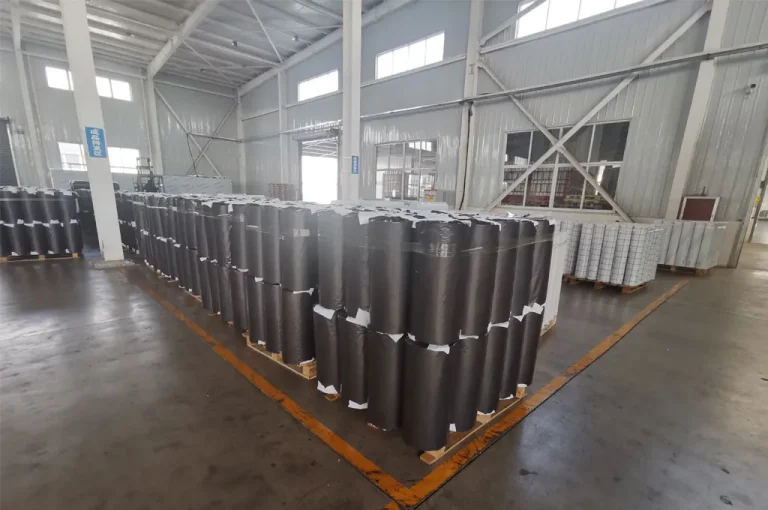
Manufacturers that control calendering, printing, and slitting/packaging in-house can better manage quality and schedule. This matters because many PVC film problems originate at handover points—where semi-finished materials are transported, stored, or reworked.
A full-process supplier can also coordinate changes across steps—such as adjusting embossing, ink system, or winding tension—to protect your final performance requirements. In practice, this results in lower defect rates, fewer production interruptions, and more predictable delivery for global shipments.
If two offers look similar in price, compare them on tolerance control, QC depth, and export packaging standard. These are often the hidden drivers of total cost once your product enters mass production.
It’s widely used for furniture surfaces (cabinet doors, wardrobes), interior decoration (wall panels, trims), electronics/appliance protection, advertising displays, and medical/clean packaging.
Yes. Top manufacturers support custom slitting widths, thickness ranges, roll lengths, core sizes, winding direction, and packaging—based on your converting or installation process.
Confirm an approval workflow (sample or standard reference), define key targets (gloss/matte level, emboss depth, hand feel), and request batch traceability with QC checks from raw material to finished rolls.
Buyers often request ISO management systems and material compliance aligned with REACH, RoHS, and other market requirements, plus third-party test reports when needed.
Customization level (pattern/printing, coatings, special packaging), order volume, production scheduling, and shipping method. Clear specs and early sample approval usually shorten total delivery time.