Address
304 North Cardinal St.
Dorchester Center, MA 02124
Work Hours
Monday to Friday: 7AM - 7PM
Weekend: 10AM - 5PM
Address
304 North Cardinal St.
Dorchester Center, MA 02124
Work Hours
Monday to Friday: 7AM - 7PM
Weekend: 10AM - 5PM


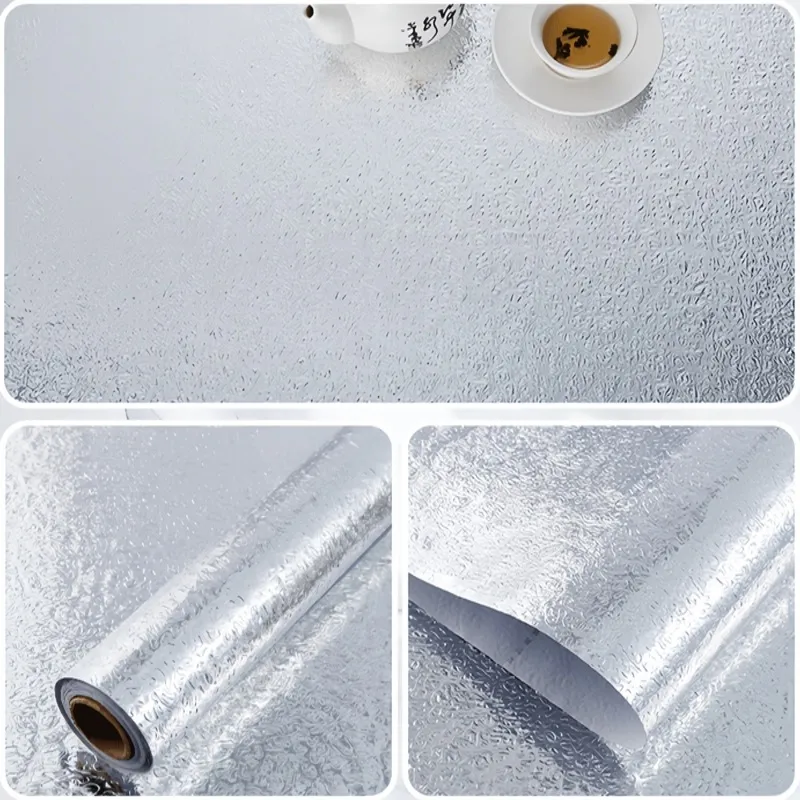
High gloss PVC film has become a go-to surface solution for modern furniture, cabinets, doors, wall panels, and interior renovation projects because it delivers a “piano-like” shine while staying cost-efficient and scalable for mass production. But the visual effect you see on a sample swatch doesn’t always translate to stable, repeatable results in real manufacturing—especially when you factor in lamination conditions, substrate variation, shipping climate, and daily wear.
This guide explains how to identify top high gloss PVC film manufacturers and, more importantly, how to choose a reliable supplier who can balance quality and price without surprises. You’ll also find practical checkpoints for specs, QC, OEM customization, packaging, lead time, and compliance—so procurement teams and product managers can make confident decisions.
“High gloss” is often treated as a simple finish choice, but in manufacturing it’s a performance system. A premium high gloss PVC film should keep its reflective clarity across different lighting, resist micro-scratches, and maintain stable bonding during lamination or wrapping.
Many sourcing problems happen when suppliers only optimize for “initial shine” rather than long-term consistency. A glossy film can look perfect on a sample but fail after pressing, after heat exposure, or after routine cleaning in kitchens and high-touch areas.
Reliable manufacturers typically control more of the production chain, so they can manage risk and cost simultaneously. The strongest factories usually operate integrated lines that cover calendering, printing, and slitting/packing rather than outsourcing critical steps.
When one supplier controls the full workflow—raw material handling, film forming, printing, finishing, and packaging—they can:
Pulivk Film, for example, focuses on PVC film R&D and manufacturing across multiple categories—calendered film, decorative film, flooring film, soft-touch film, transparent film, and more—supported by complete lines for calendering, printing, and slitting/packaging. That kind of capability is a common indicator you’re dealing with a manufacturer rather than a trading-only operation.
A factory that produces only one “generic gloss roll” often struggles to adapt to different substrates, adhesives, or application environments. On the other hand, manufacturers that can produce multiple surface types and functional films generally have stronger process control and more stable supply.
If you need stable base film for further conversion (printing, laminating, coating), review the supplier’s calendered film capability. Calendering quality strongly influences gloss uniformity, thickness tolerance, and lamination behavior.
For premium tactile or design-driven SKUs, explore specialized textures such as 3D silk texture film—even if your current project is high gloss, the manufacturer’s ability to run complex finishes often reflects higher overall technical maturity.
Procurement teams often face quotes that look wildly different for “the same” high gloss PVC film. The difference usually comes down to materials, process control, QC frequency, and packaging discipline—not just margin.
The best way to compare pricing is to standardize your inquiry. Ask every supplier to quote the same thickness, width, roll length, core type, finish level, protective layer requirement, and packaging method. Otherwise, you may be comparing different products under the same name.
A reliable manufacturer can clearly explain how the film is produced, how defects are prevented, and how parameters are controlled. If possible, request a virtual factory tour and ask to see the production lines for calendering, printing, and slitting/packing.
High gloss is sensitive—tiny issues become visible under showroom lighting. For furniture and cabinet fronts, verify tests related to thickness uniformity, appearance defects, adhesion/lamination performance, and optics.
Good suppliers can customize thickness, width, roll size, colors/patterns, surface treatments (anti-static, anti-fog, food-grade coatings), and packaging. The most important question is whether they can keep the same standard after scaling.
If you’re building a retail-facing or brand-sensitive line (e.g., wardrobes, cabinet doors, wall panels), ask how they manage color matching across reorders and whether they can lock a reference standard for long-term consistency.
High gloss surfaces can be damaged during slitting, handling, or shipping. Professional factories typically slit to your requested sizes and wrap each roll with dust-proof PE film or kraft paper, apply clear spec labels, and use export-ready protection to reduce moisture and impact damage.
“High gloss PVC film” is not one-size-fits-all. The right choice depends on your substrate, application method, environment, and visual goals.
For wardrobe doors and premium cabinet fronts, prioritize optical clarity, scratch resistance, and stable lamination performance. If your lineup includes glossy wardrobes, consider dedicated options such as glossy wardrobe film to align your supplier’s product structure with your use case.
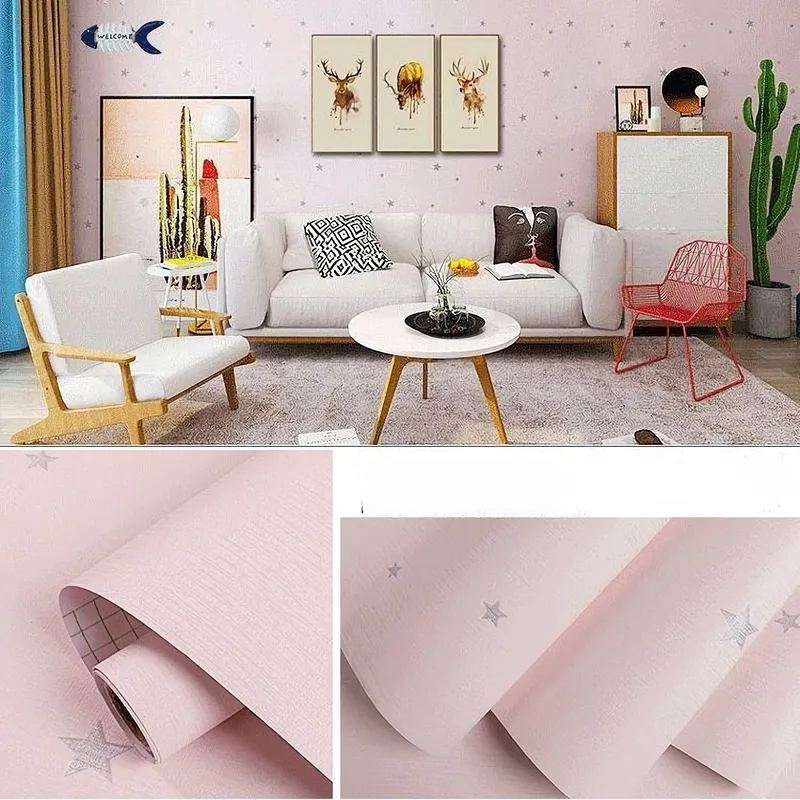
For walls, partitions, and decorative panels, decorative realism and color consistency matter as much as gloss. For minimalistic interiors, solid-color options can shorten design cycles and simplify stocking—see solid color wallpaper if your project includes renovation or fast installation needs.
For areas exposed to abrasion, choose films engineered for durability and consistent surface performance. For flooring-related projects, review a supplier’s floor film and confirm wear resistance expectations. For finishing details, aligned decorative continuity is key—skirting films can help keep the same tone and gloss across edges.
For indoor decoration and human-contact scenarios, compliance is not optional. Strong manufacturers commonly support standards such as ISO management systems and chemical compliance frameworks (e.g., REACH, RoHS) and can provide documentation upon request.
If your products ship globally, ask whether the supplier has export experience to multiple regions and whether they can adjust packaging, labeling, and documentation for local customs and compliance checks.
Samples are essential, but the sampling method must reflect real production conditions. Don’t only judge a hand-feel swatch; evaluate a sample roll and test it using your actual lamination equipment, adhesive system, pressing temperature, and substrate.
Beyond film performance, stable delivery and responsive communication decide whether your production stays on schedule. MOQ varies by product type and customization level, and reliable manufacturers can usually support both trial orders and scaled production—provided specifications are clear.
When comparing suppliers, measure how they handle your inquiry: Do they ask detailed questions about thickness, width, finish, pattern, and quantity? Do they confirm intended use and processing method? Strong communication early usually correlates with fewer issues later.
Even a competitive quote isn’t a win if you absorb the cost later through rework, returns, or delayed deliveries. Watch for these warning signs during evaluation:
If you have multiple viable manufacturers, choose based on total value, not unit price. A supplier that delivers stable gloss, predictable lead times, and consistent batch performance typically reduces your overall cost—because fewer defects and interruptions protect your throughput and reputation.
PVC film is a thin sheet made of polyvinyl chloride used for decorative and industrial surfaces. High gloss versions provide strong visual impact, easier cleaning, and scalable production for furniture, doors, and panels.
Yes. Reliable manufacturers typically support OEM/ODM customization for thickness, width, roll size, color matching, printing patterns, surface finish, and packaging—then lock standards for consistent reorders.
Ask every supplier to quote identical specifications (thickness tolerance, finish, protective layer, roll size, and packaging). Then verify with sample rolls tested on your real lamination process.
Depending on your market and end use, request ISO management information and chemical compliance reports such as REACH and RoHS. For special applications, ask about food-grade or other functional coatings and related test reports.