Address
304 North Cardinal St.
Dorchester Center, MA 02124
Work Hours
Monday to Friday: 7AM - 7PM
Weekend: 10AM - 5PM
Address
304 North Cardinal St.
Dorchester Center, MA 02124
Work Hours
Monday to Friday: 7AM - 7PM
Weekend: 10AM - 5PM


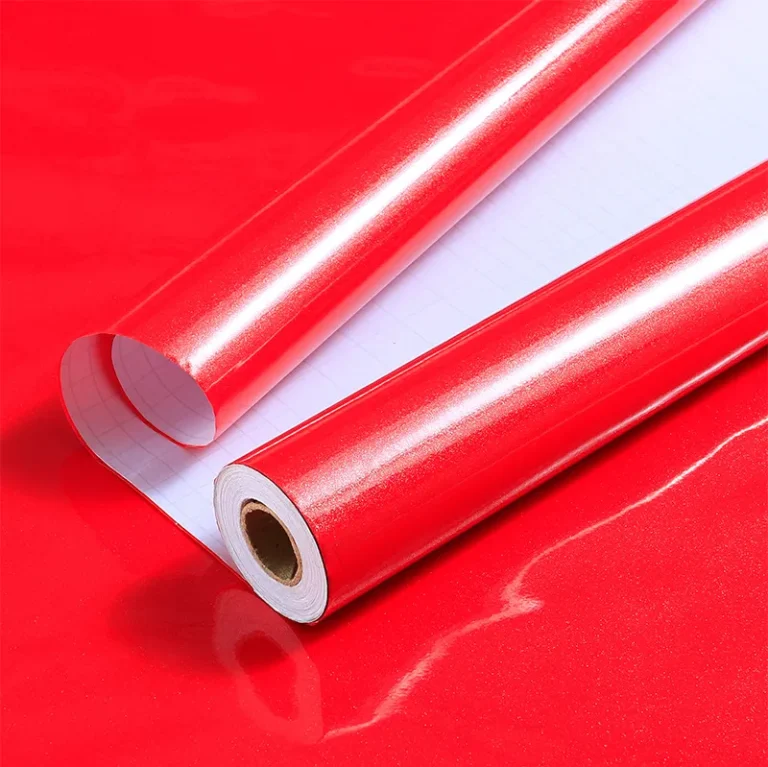
High gloss PVC film is a go-to surface material for modern furniture, interior wall panels, cabinetry, doors, and retail fixtures because it delivers a mirror-like finish, strong visual depth, and easy cleaning. But the supplier you choose determines whether your project looks premium—or ends up with issues like orange peel, inconsistent gloss, weak adhesion, color drift, or surface scratches during transport and lamination.
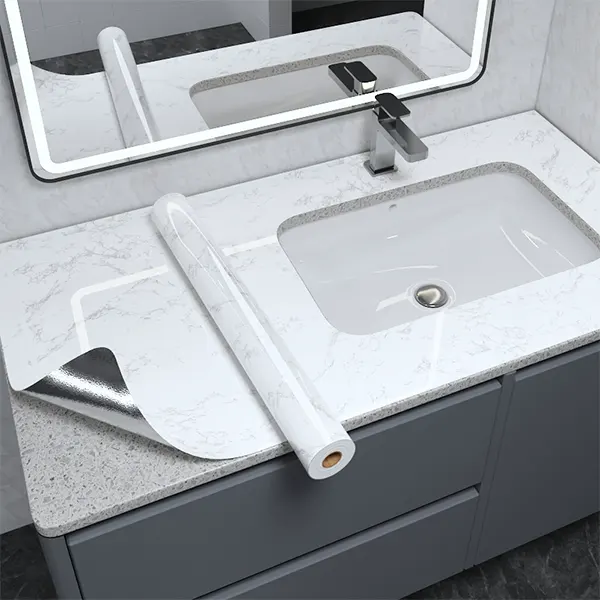
This guide explains how top high gloss PVC film manufacturers operate, which technical details matter most, and how to evaluate suppliers for consistent quality, reliable lead times, and long-term cost control—whether you are sourcing for OEM furniture production, architectural decoration, or product branding.
“High gloss” is not just a marketing label. It’s the result of resin formulation, calendering precision, surface finishing, and quality control. Premium manufacturers manage each stage to keep gloss stable across batches and maintain flatness for smooth lamination.
The best manufacturers are not defined by a single product sample. They are defined by repeatability—the ability to deliver the same optical and mechanical performance across months of production, different widths, and multiple shipping cycles.
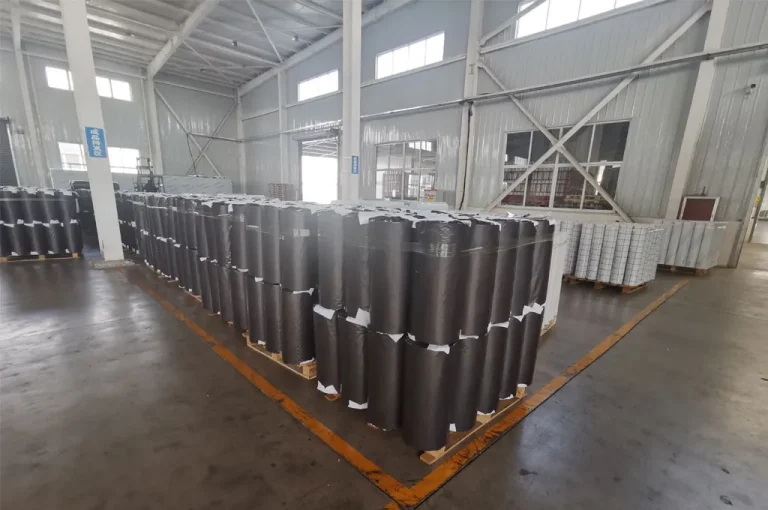
High-performing suppliers usually operate integrated lines that include calendering, printing, slitting, and roll packaging. This reduces outsourcing risk, shortens lead time, and makes it easier to trace quality issues back to a specific step.
✔ Supplier signal to look for:
A manufacturer that can produce calendered base film, apply decorative layers, and complete slitting/packaging in-house can typically offer better consistency and delivery reliability.
Even if you’re sourcing “high gloss,” real projects often require matching adjacent surfaces—like skirting, door frames, panels, and wall coverings. A strong manufacturer usually provides a broad range: glossy, matte, embossed, metallic, woodgrain, marble, soft-touch, transparent, self-adhesive, and functional films (anti-static, anti-fog, etc.).
For example, if your core need is stable calendering quality, reviewing a supplier’s Calendered Film offering helps you evaluate foundation performance—flatness, thickness uniformity, and base clarity—before committing to high-gloss decorative layers.
Top suppliers translate customization into measurable options: thickness, width, roll length, gloss level, embossing depth, protective topcoat, printing accuracy, and packaging design. They also support color matching and provide sampling workflows that reduce approval cycles.
Choosing a manufacturer is mainly a risk-management exercise: you want to reduce the risk of returns, rework, production downtime, and customer complaints—without overpaying. Use the criteria below to compare suppliers objectively.
A film that performs well for flat lamination may fail in membrane pressing or wrapping if elongation, heat stability, or surface friction is not suitable. Clarify your use case first: cabinet doors, wardrobe panels, wall panels, skirting, flooring, or retail fixtures.
• Cabinets + wardrobes:
Consider pairing high gloss door surfaces with a coordinated product like Glossy Wardrobe Film to keep reflection tone consistent across different panels.
• Walls + trims:
If you need seamless transitions for wall coverings and edge details, evaluate complementary options such as Solid Color Wallpaper and PVC Skirting Film.
• Luxury texture effects:
For premium interior projects, textured choices like 3D Silk Texture Film can be used as accents beside glossy surfaces.
The most common sourcing mistake is judging quality only from a small swatch. Instead, ask how the supplier controls the full roll: optical defects, thickness variation, surface cleanliness, and batch traceability.
If your film is used indoors (especially kitchens, bedrooms, hospitals, or schools), compliance is not optional. Strong manufacturers typically offer materials free of heavy metals and phthalates, and align with frameworks such as ISO management systems plus REACH/RoHS/FDA where applicable.
Important:
Don’t just ask “Are you compliant?” Ask for the test scope, date, and product code that matches the film you are buying (thickness, coating, and color can affect results).
High gloss surfaces are more sensitive to dust, handling marks, and packaging damage, so stable production planning matters. A supplier with integrated lines and scientific inventory/production scheduling can often protect your delivery dates even during seasonal spikes.
Ask for: average lead time by category, sampling lead time, peak-season capacity strategy, and how they handle urgent orders without sacrificing QC. If possible, request a virtual factory tour via video call to verify line condition and packaging processes.
Many gloss-related complaints are not production defects—they are logistics defects. Confirm that each roll is individually wrapped (dust-proof PE film or kraft paper), labeled clearly, and protected against moisture, compression, and edge impact.
Use the scorecard below to compare manufacturers on factors that affect your total project cost—quality stability, delivery risk, and after-sales accountability.
| Category | What to verify | Score |
|---|---|---|
| Process control | In-house calendering/printing/slitting, documented parameters, traceability | __/5 |
| Surface quality | Defect control, gloss/haze testing frequency, scratch resistance options | __/5 |
| Customization | Thickness/width/roll size, color match, embossing, packaging flexibility | __/5 |
| Compliance | REACH/RoHS/FDA scope, heavy metals/phthalates, ISO systems evidence | __/5 |
| Lead time & service | Sampling speed, on-time delivery history, claim process clarity | __/5 |
A 20–50 cm swatch may look perfect, while the full roll shows gloss banding or thickness variation. Ask for a roll sample or at least a larger lab sample that includes width-edge areas where defects often appear.
High gloss topcoats can change surface energy and affect bonding. Share your substrate type (MDF, plywood, SPC, metal, acrylic, etc.) and process (hot/cold lamination, vacuum press, wrapping) and request a compatibility recommendation.
One rejected container can wipe out savings from months of cheaper sourcing. Evaluate defect rate, packaging, on-time delivery, and after-sales responsiveness as part of the real cost.
Pro tip:
When comparing quotes, request the same Incoterms, packaging standard, roll length, and QC acceptance criteria. This prevents “cheap” offers that hide risk in unspecified details.
Manufacturers with complete production lines (calendering, printing, slitting, packaging) can control variables that matter most for gloss: surface cleanliness, tension stability, temperature control, and handling discipline. They can also shorten the feedback loop when you adjust color, gloss level, or protective coatings.
If your projects span multiple industries—furniture, construction & decoration, electronics, advertising, medical/clean-room, and home goods—choose a supplier with proven export experience and the ability to deliver different film types without changing quality standards between categories.
Provide film type (high gloss), thickness, width, roll length, color/pattern, surface treatment needs (anti-scratch, anti-static, etc.), application method, and order quantity.
Yes—top manufacturers can customize size, color matching, printing, gloss level, embossing, and packaging, and support sampling approval before mass production.
Confirm individual roll wrapping, edge protection, moisture control, clear labeling, and export-ready cartons/pallets. Also ask how the supplier prevents dust and micro-scratches during slitting and packing.
Request documentation relevant to your market and use case (commonly ISO systems plus REACH/RoHS/FDA where applicable), and ensure the report scope matches the exact product code you will purchase.
MOQ and lead time vary by specification and customization. Many suppliers support trial orders, but you should confirm the exact MOQ, sample timeline, and mass production schedule before placing a PO.