Address
304 North Cardinal St.
Dorchester Center, MA 02124
Work Hours
Monday to Friday: 7AM - 7PM
Weekend: 10AM - 5PM
Address
304 North Cardinal St.
Dorchester Center, MA 02124
Work Hours
Monday to Friday: 7AM - 7PM
Weekend: 10AM - 5PM


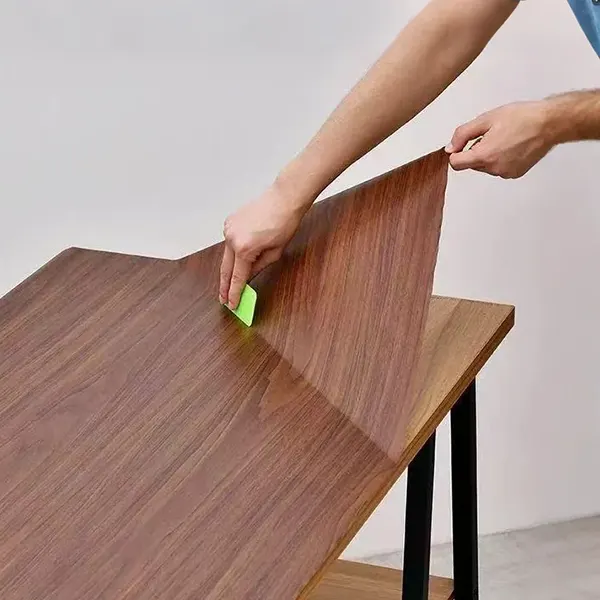
Laser PVC film has become a go-to material for brands and converters that need clean engraving contrast, durable lamination, and reliable printability across furniture panels, wall décor, advertising graphics, and functional industrial labels. Yet the real difference between an average roll and a production-grade roll often comes down to the manufacturer’s process control: calendering stability, coating compatibility, ink selection, slitting accuracy, and packaging discipline.
This guide explains what defines top laser PVC film manufacturers, how to evaluate film quality for lamination and printing, and which product options are most suitable for long-term use. You’ll also find practical selection tips for OEM projects, export shipments, and multi-region distribution.
In most sourcing conversations, “laser PVC film” refers to PVC films engineered to perform well when exposed to laser marking/engraving and to remain stable during lamination and printing. Depending on your process, this may include decorative PVC films, transparent protective films, or functional films with surface treatments (anti-static, anti-fog, or special coatings).
✔ Key performance targets
When a supplier claims “high quality,” ask what is controlled in-house versus outsourced. The best manufacturers typically run integrated lines, so they can tune material recipes, surface finishes, printing layers, and final roll converting under one quality system.
Manufacturers with calendering, printing, and slitting/packing in one facility can reduce variability between batches. This matters for laser applications because even slight changes in thickness, plasticizer balance, or surface energy can show up as uneven marking, poor ink wetting, or lamination bubbles.
Production-grade suppliers usually offer transparent, matte, glossy, embossed, pearlescent, colored, anti-static, self-adhesive, multilayer, and fabric-backed options. This breadth is important because laser marking is rarely used alone; it is often combined with decorative finishing, protective overlay, or printed branding.
OEM success depends on more than matching a color swatch. Top manufacturers can adjust thickness, width, roll length, emboss pattern, gloss level, and surface treatment to match your lamination press settings or printing ink system.
★ Buyer checklist for manufacturer qualification
Not every PVC film behaves the same during lamination and printing. Below are the most common film families used by buyers who want long service life and consistent converting.
Calendered PVC film is widely selected for décor lamination and printing because it offers strong thickness control, smoothness, and cost efficiency. If your project requires balanced performance across large volumes, start here:
Calendered Film.
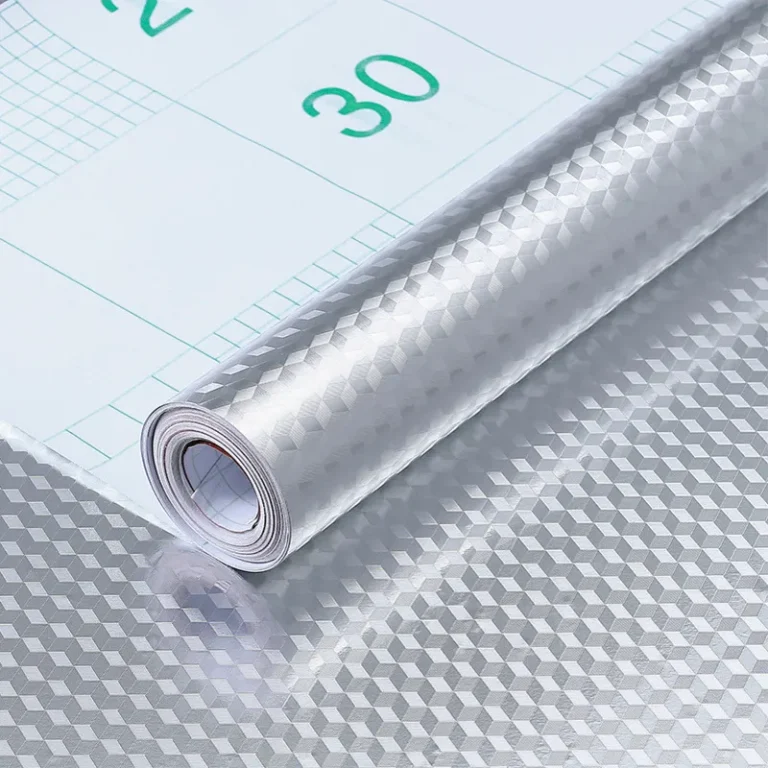
Textured surfaces can hide minor substrate defects, improve scratch appearance, and provide distinctive tactile feel. They are popular for furniture panels, retail fixtures, and wall décor where buyers want a “designer” look without heavy materials. For example:
3D Silk Texture Film.
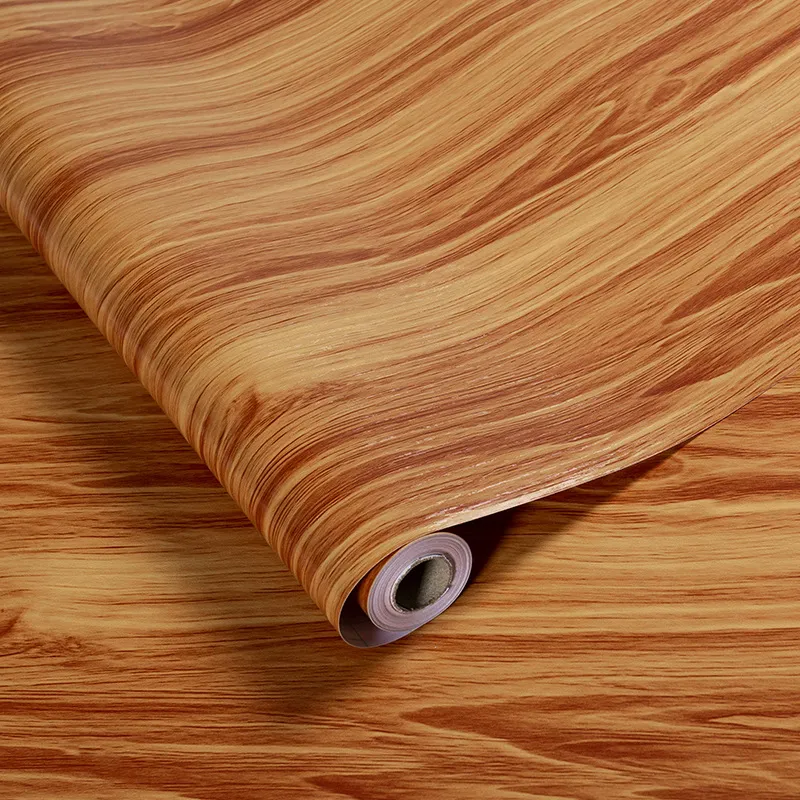
Wood and stone aesthetics remain top sellers because they fit modern residential and commercial styling while staying easy to clean. Pattern accuracy, color repeatability, and ink adhesion are key when laminating onto MDF, HDF, plywood, or composite boards. Explore:
Wood Grain Film
and
Marble Film.
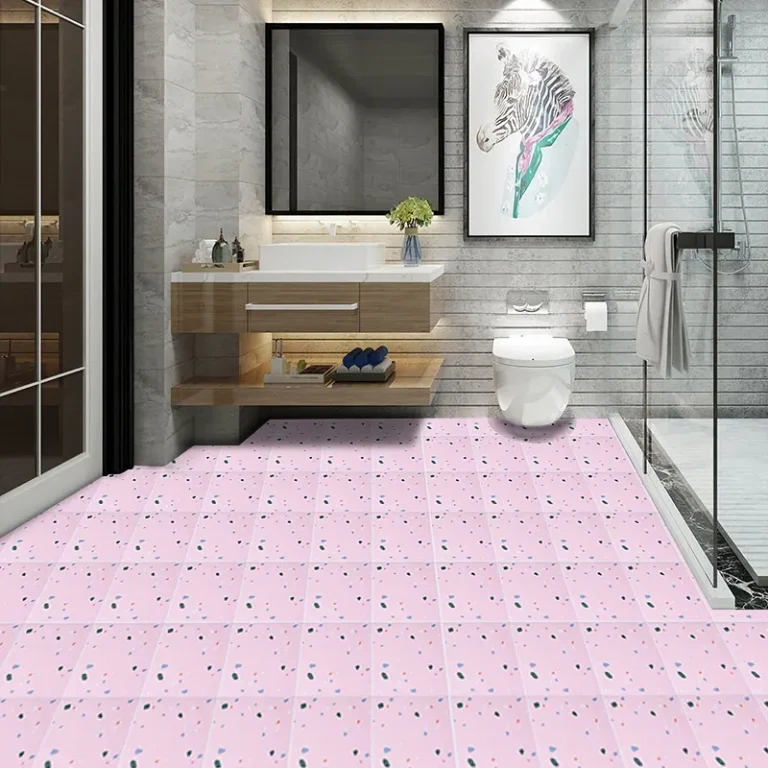
For flooring overlays and skirting applications, manufacturers typically focus on wear resistance, dimensional stability, and long-term appearance retention. Matching emboss and slip feel can also be crucial for end-user satisfaction. Options include:
Floor Film.
Durable lamination is a system result: film + adhesive + substrate + press parameters. Top manufacturers help you succeed by supplying consistent film and by advising on workable process windows.
🔎 Lamination quality indicators you can test quickly
If you are using PUR hot-melt, solvent-based, water-based, or pressure-sensitive systems, ensure the film surface is tuned for that chemistry. A top manufacturer can recommend the right surface treatment and provide sample rolls for pilot runs, reducing costly line stops.
For printing, the best PVC film manufacturers focus on ink anchorage, dot stability, and visual uniformity under different lighting. If your products are displayed in showrooms, retail stores, or high-traffic interiors, visual stability becomes a commercial requirement, not a luxury.
Typical issues include mottling in solid areas, color shift between lots, poor abrasion resistance, or adhesion failure after curing. Manufacturers with stable calendering and controlled printing lines can reduce these risks by keeping raw film smoothness, coating weight, and ink formulation consistent.
⚑ Purchasing tip
Ask for a recent batch’s QC data:
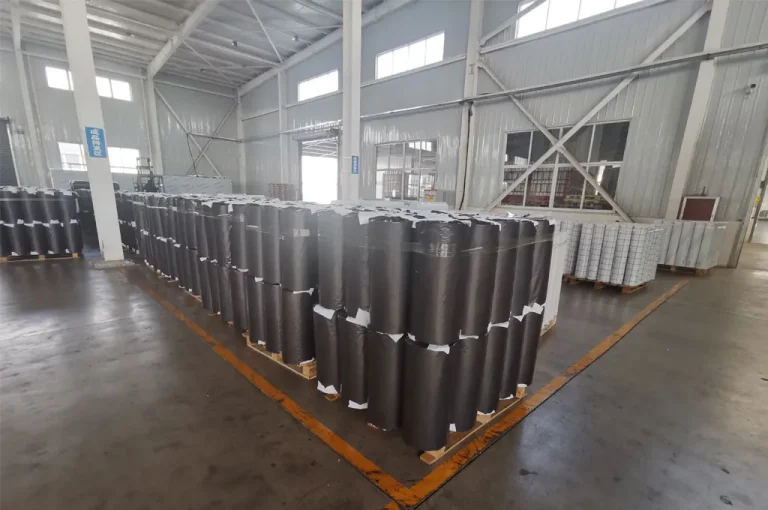
A manufacturer that runs full lines can manage the entire lifecycle of your roll: from raw recipe and calendered base film to printed décor layers and precise slitting into your target widths. This reduces the “handoff risks” that often cause inconsistencies in third-party converting.
In a full-process model, the factory can also shorten lead time because it does not wait on external printing or slitting capacity. For OEM programs, this helps you launch new patterns faster and maintain stable replenishment cycles during peak seasons.
Pulivk Film is an example of a manufacturer focused on PVC film R&D and production with a broad catalog that covers calendered films, decorative films, floor films, soft-touch films, and transparent films—serving furniture, building materials, electronics, advertising, medical, and home applications.
Manufacturers at this level typically support transparent, frosted, embossed, pearlescent, colored, anti-static, self-adhesive, multilayer composite, fabric-backed, packaging, release/isolation, and automotive wrap styles. On the decorative side, offerings often include wood grain, glossy/matte, cloth texture, stone grain, solid color, waterproof, metal effects, brushed, 3D texture, and artistic patterns.
For branded programs, top suppliers can customize thickness, width, roll length, color matching, printing, and packaging. This matters because different laminators and printers have different tension systems, curing conditions, and scrap thresholds.
♻ Environmental and safety focus
High-standard suppliers increasingly use eco-friendly, non-toxic inks and aim for compliance with common market requirements (e.g., ISO systems, REACH, RoHS, FDA where relevant). This supports indoor décor use and applications where human contact safety matters.
Laser PVC film manufacturing quality becomes most visible in long-life applications where abrasion, cleaning chemicals, humidity, and temperature swings are routine. Common end uses include:
International shipping can ruin good film if packaging is not handled like a quality process. Better manufacturers pack each roll with dust protection (such as PE film) or kraft paper wrap, attach clear specification labels, and design pallets to reduce edge impact and moisture exposure.
If you sell in multiple regions, ask for packaging options aligned with your warehouse routines: easy roll identification, barcodes if needed, and consistent pallet dimensions to reduce unloading damage and inventory errors.
A fast, accurate quotation depends on how clearly you define the application. To speed up sampling and ensure you receive comparable options, provide the manufacturer with your target film type, thickness range, width, roll length, surface finish (gloss/matte/emboss), color or pattern reference, adhesive/lamination method, printing method, and expected monthly volume.
📌 Spec note for laser-focused projects
Mention your laser type (if applicable), desired marking effect, and any pass/fail criteria (contrast, edge sharpness, heat impact). Even if you’re mainly laminating and printing, these details help the supplier recommend the right base film and surface behavior.
PVC film is a thin sheet made of polyvinyl chloride used for decorative, industrial, and packaging purposes. It’s popular because it can be made in many finishes (glossy, matte, embossed, transparent) and provides a durable, cleanable surface after lamination or printing.
Yes. Top manufacturers typically support OEM/ODM customization such as thickness, width, roll size, surface finish, functional coatings (anti-static/anti-fog), color/pattern matching, and packaging options.
MOQ depends on film type, specification complexity, and whether custom printing/emboss is required. Many suppliers support trial orders first, then scale to mass production after approval.
Consistency usually comes from process control (calendering/printing/slitting in-house), batch traceability, multi-step QC inspections, and routine testing for thickness, adhesion, optics, and roll build quality.
Many export-experienced manufacturers ship worldwide and use protective wraps (PE film or kraft paper), clear labels, and moisture/impact-resistant packing to reduce damage during sea or air transport.