Address
304 North Cardinal St.
Dorchester Center, MA 02124
Work Hours
Monday to Friday: 7AM - 7PM
Weekend: 10AM - 5PM
Address
304 North Cardinal St.
Dorchester Center, MA 02124
Work Hours
Monday to Friday: 7AM - 7PM
Weekend: 10AM - 5PM


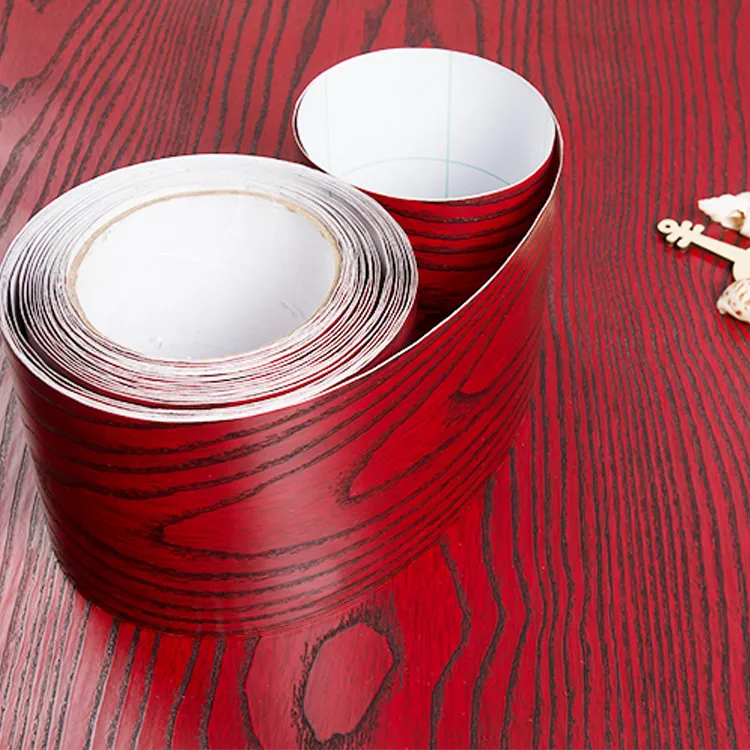
Nature wood PVC film has become a go-to surface solution for modern furniture and interior panels because it combines the warm look of timber with the consistency, durability, and production efficiency of PVC. Whether you are building kitchen cabinets, wardrobes, wall panels, doors, or commercial fixtures, a high-quality wood grain decorative film can help you standardize color and texture across batches, reduce maintenance, and keep projects on schedule.
This guide explains what makes a “top” nature wood PVC film brand, how to evaluate wood grain decorative films for real-world manufacturing, and how to select finishes that fit different spaces—from residential interiors to high-traffic retail and hospitality.
Interior trends consistently lean toward natural textures: oak, walnut, ash, teak, and soft “light wood” palettes. PVC decorative films make it possible to deliver these looks with stable performance and scalable production. Compared with natural veneer, wood grain PVC film can provide better batch-to-batch uniformity, easier cleaning, and more predictable lead times—especially important for cabinet factories and panel laminators managing multiple SKUs.
Key takeaway:
The best “nature wood” films don’t just print a wood pattern—they balance visual depth, touch, scratch resistance, and process compatibility (lamination, wrapping, pressing, and edge finishing).
A top brand is not only about a broad catalog. It’s about the ability to deliver consistent film quality across production lots, offer reliable lead times, and support OEM/ODM customization without sacrificing stability. When comparing suppliers, prioritize manufacturing capability, quality control discipline, and technical support for your application (flat lamination, membrane pressing, or profile wrapping).
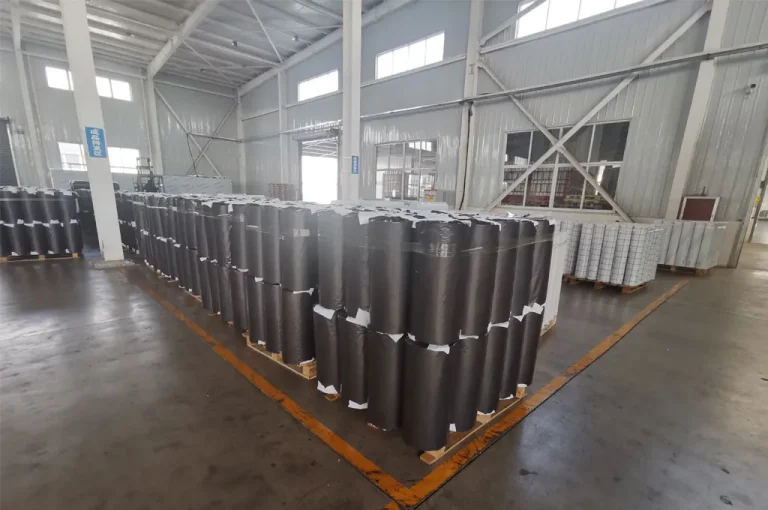
Brands with in-house calendering, printing, and slitting/packing can control thickness uniformity, ink adhesion, surface gloss, and defect rates more effectively. This also reduces the risk of delay because fewer steps are outsourced. If you’re sourcing large volumes, explore suppliers that can produce both base film and decorative layers in one system, such as Calendered Film solutions that support stable downstream printing and embossing.
“Nature wood” means more than a generic oak print. Look for multi-layer printing that reproduces grain pores, color transitions, and subtle knots without appearing repetitive across large surfaces (like wardrobes and wall panels). Top brands maintain repeatability: the same oak tone in January should match the same oak tone in July.
Furniture and interior panels face abrasion, cleaning chemicals, humidity shifts, and frequent touch. High-performing films offer a practical balance of scratch resistance, stain resistance, and stable gloss/matte retention. In kitchens and commercial spaces, consider finishes that resist fingerprints and are easy to wipe down.
Top brands are flexible. They can match color references, adjust emboss depth, and offer different widths or roll lengths for your laminators and wrapping lines. Packaging matters too—dust-proof wrapping and clear labeling reduce handling losses in transit and in the warehouse.
If you are benchmarking suppliers, use the checklist below. It mirrors how procurement and production teams evaluate real suppliers—not just how catalogs look on paper.
Brand checklist (fast screening):
✔ Consistent thickness control and low defect rate (gel spots, pinholes, color banding)
✔ Strong ink adhesion and stable emboss alignment (print-to-emboss accuracy)
✔ Options across matte, satin, and gloss; fingerprint-resistant surfaces for touchpoints
✔ Customizable widths/rolls and slitting precision for your equipment
✔ Compliance readiness (REACH/RoHS, ISO systems) and export-safe packaging
A practical way to understand “top brand” standards is to look at a supplier profile that includes full production coverage, product breadth, and export experience. Pulivk Film focuses on PVC film R&D and manufacturing, offering decorative films (including wood grain), calendered films, flooring films, soft-touch options, transparent films, and more. With integrated calendering, printing, and slitting/packaging lines, suppliers in this category can reduce handoffs, shorten lead times, and maintain consistent quality across batches.
Nature wood collections typically include oak, walnut, ash, teak, and contemporary “washed” tones. Beyond the base pattern, you can choose between gloss levels and tactile effects. For example, a realistic “open-pore” emboss can make wardrobes and wall panels feel closer to genuine timber.
If you are comparing pattern families, browse dedicated collections like Wood Grain Film and evaluate how consistent the color system is across multiple tones.
Many projects require more than wood grain. Designers often want matching accents for skirting, solid-color wall areas, or stone-look feature panels. Working with a supplier that offers multiple decorative families helps you coordinate aesthetics across one project and reduce procurement complexity. Consider complementary options such as PVC Skirting Film or Solid Color Wallpaper when you need consistent interior color planning.
“Best” depends on where and how the film will be used. Below are practical selection criteria mapped to furniture and interior panel workflows.
For furniture, the surface must resist daily abrasion, cleaning, and frequent touch. In cabinets and wardrobes, matte or satin finishes often look more natural than high gloss and are better at hiding small scuffs. For office furniture, consider slightly higher scratch resistance and stable color under indoor lighting.
Tip for furniture factories:
Request samples in the same thickness and surface you plan to mass-produce, then run them through your actual lamination or wrapping line. Lab samples alone may not reveal real process issues like edge whitening, glue compatibility, or heat response.
For wall and door panels, uniformity and visual depth matter most because large surfaces make repetition obvious. Choose a grain scale appropriate to the panel size: oversized patterns can look unnatural on narrow door frames; very small patterns can look busy on wide wall areas. Also consider lighting: warm lighting enhances walnut tones; neutral lighting highlights light oak and ash.
If you wrap profiles (moldings, door frames, cabinet edges), you need films with good elongation and forming behavior. Flat lamination generally prioritizes surface flatness and low shrinkage. Tell your supplier which process you use so they can recommend the appropriate structure and surface.
Nature wood trends are moving toward calmer, more architectural finishes. Light oak and “clean ash” palettes are popular for Scandinavian-inspired interiors, while warmer walnuts and smoked tones fit boutique hospitality and premium residential spaces. Texture is also getting more important: subtle pore embossing and low-reflection matte are often perceived as more “real” than glossy prints.
Decorative films used indoors should support safe, compliant interiors. Responsible manufacturers typically use environmentally considerate, non-toxic inks and can provide documentation aligned with common international requirements (for example, ISO management systems and material compliance expectations). If your project includes healthcare, children’s spaces, or high-contact furniture, ask for relevant test reports and confirm the film is appropriate for the intended environment.
What to request from a top supplier:
➤ Batch traceability and QC records (thickness, adhesion, appearance checks)
➤ Packaging that prevents dust and transport scuffs (PE film/kraft wrap, labeled specs)
➤ Clear guidance for storage conditions to avoid heat-related deformation
Many sourcing issues come from unclear specifications. To avoid rework and returns, confirm the technical and commercial details in writing before mass production.
Top brands will support small trial orders and sampling so you can test real production conditions. Once you approve a sample, keep a signed reference (or an internal “golden sample”) so future lots can be checked against the same benchmark.
Wood grain decorative films are widely used in residential and commercial settings because they offer design flexibility and straightforward maintenance. The most common applications include kitchen cabinet doors, wardrobe panels, office desks, retail fixtures, wall cladding systems, and decorative partitions.
Many builders coordinate wood grain on large surfaces with neutral solid colors on walls to keep spaces bright and modern. Others pair wood grain with stone looks for feature zones (reception areas, TV walls, hotel lobbies). If your project also includes resilient surfaces like floors, coordinate tones so the wood warmth remains consistent across the space.
1) What is PVC film and why is it used for wood grain decoration?
PVC film is a thin sheet made of polyvinyl chloride that can be printed and embossed to mimic natural materials. It’s used to achieve consistent wood aesthetics with practical durability for furniture, doors, and interior panels.
2) Which finish is better for a “natural wood” look: matte or glossy?
Matte or satin usually looks more like real timber and reduces glare on large panels. Gloss can work for modern styles, but it may highlight fingerprints and reflections in bright interiors.
3) Can I customize wood grain PVC film (color, thickness, roll size, packaging)?
Yes. Many manufacturers offer OEM/ODM customization for thickness, width, roll length, surface treatment, pattern, and export packaging to match your production line and market needs.
4) How do I evaluate quality before placing a bulk order?
Request production-grade samples and test them with your real lamination/wrapping process. Check color match, print-to-emboss alignment, scratch resistance, adhesion, and whether edges stay clean after forming.
5) Do wood grain PVC films support global shipping and export packaging?
Reputable brands ship globally and use dust-proof protective wrapping plus clear labeling to reduce transport damage. Ask about palletizing and moisture protection based on your route and storage conditions.