Address
304 North Cardinal St.
Dorchester Center, MA 02124
Work Hours
Monday to Friday: 7AM - 7PM
Weekend: 10AM - 5PM
Address
304 North Cardinal St.
Dorchester Center, MA 02124
Work Hours
Monday to Friday: 7AM - 7PM
Weekend: 10AM - 5PM


PVC film is one of the most versatile engineered sheet materials used in modern manufacturing. From brand-ready packaging to durable interior finishes, it delivers a balance of appearance, protection, processability, and cost control. This guide breaks down the top PVC film applications across packaging, construction, automotive, furniture, and more—plus how to choose the right film type for real-world performance.
PVC film can be formulated and finished in many ways—clear, matte, glossy, embossed, pearlescent, anti-static, self-adhesive, soft-touch, and multilayer composites—making it adaptable to different product demands and manufacturing lines.
Packaging is often the first place buyers notice film performance. PVC film is valued for its optical clarity (when specified), stable handling during converting, and strong decorative potential for premium presentation. In industrial packaging, it’s also used as a protective layer against dust, moisture, and scuffs during storage and shipping.
For packaging lines that prioritize stable thickness and good converting performance, Calendered Film is often selected as a baseline structure, then paired with printing or functional surface treatments depending on the application.
Define whether the film is display-first (clarity, gloss, printability) or protection-first (scratch resistance, toughness, anti-static). This choice affects surface finish, additives, and handling on automatic lines.
In construction and interior design, PVC decorative film is widely used to upgrade walls, ceilings, partitions, trims, and functional surfaces without heavy wet work. It enables consistent aesthetics across spaces—especially in commercial settings where maintenance efficiency matters.
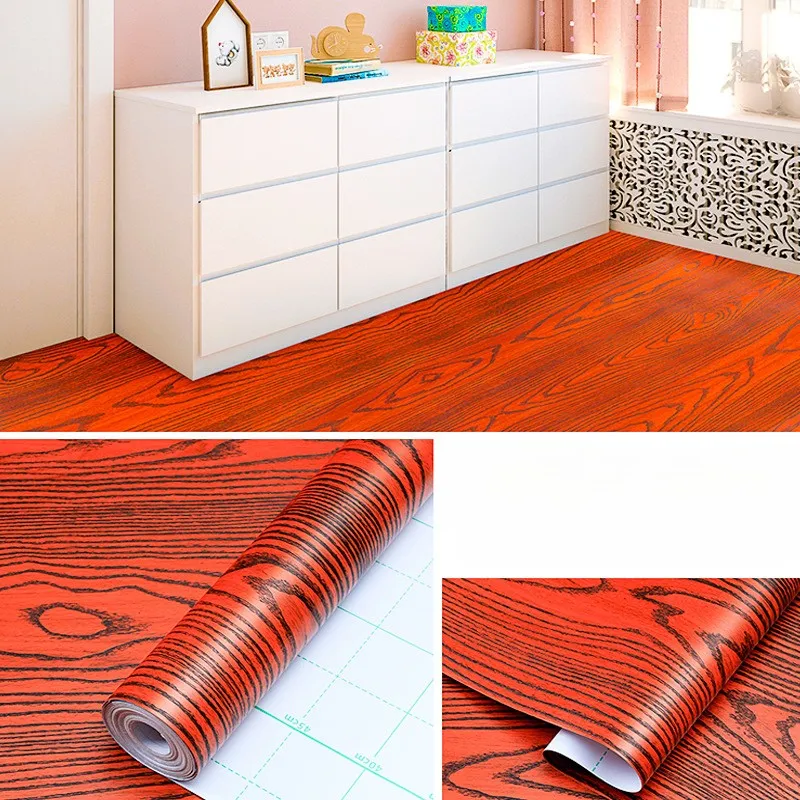
Decorative films bring wood, stone, or solid-color looks to interior boards, helping achieve consistent style while keeping surfaces easier to wipe clean.
Skirting film protects high-contact areas from scuffs and simplifies color matching between floor and wall details.
Films are laminated onto door skins and frames to add texture, improve stain resistance, and reduce repainting cycles.
For trims and baseboards, PVC skirting film is commonly used to deliver abrasion resistance and consistent decorative tone across production batches.
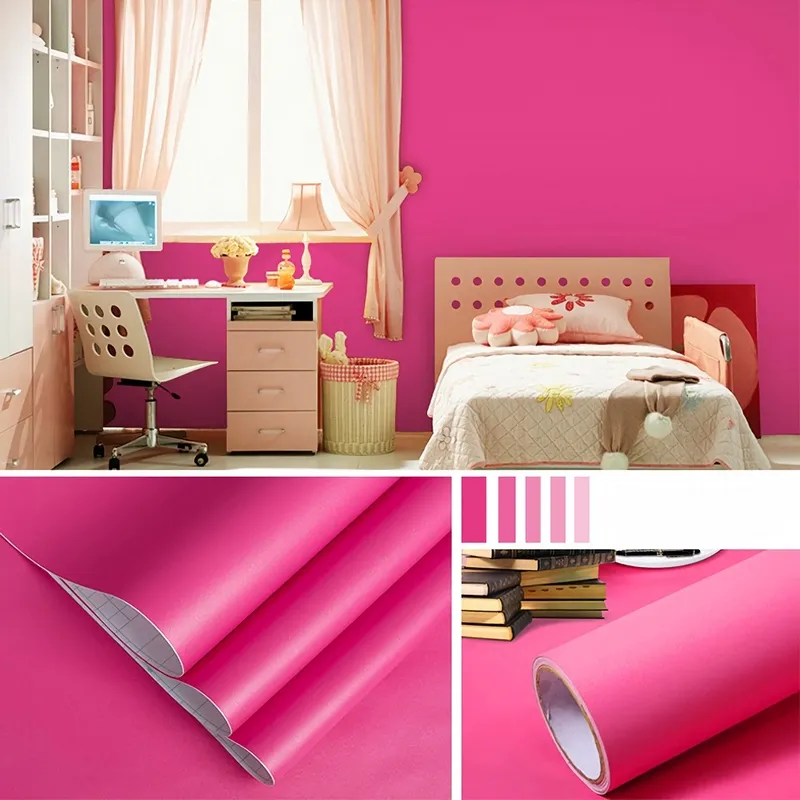
For large-area interior design schemes that require stable color consistency, solid color wallpaper solutions can help unify visual identity across hallways, retail spaces, and hospitality interiors while staying easy to maintain.
Automotive uses of PVC film range from interior decorative layers to functional protective films. Designers choose films for tactile feel, texture realism, and durability under frequent touch, temperature changes, and cleaning.
◆ Interior trims: dashboard accents, door panels, console elements—often with wood/metal textures or matte finishes for reduced glare.
◆ Protection films: temporary or semi-permanent surface shielding during assembly and transportation.
◆ Specialty finishes: soft-touch or textured surfaces to elevate perceived quality.
When the goal is a premium tactile feel and a visually rich surface, decorative options like 3D Silk Texture Film can be used on interior elements to provide a subtle, high-end texture that holds up under regular contact.
Furniture is one of the most visible—and competitive—markets for PVC decorative film. Manufacturers use it to create trendy looks quickly, reduce finishing complexity, and improve resistance to stains and everyday wear. It is widely applied to cabinet doors, wardrobe panels, tabletops, and office furniture components.
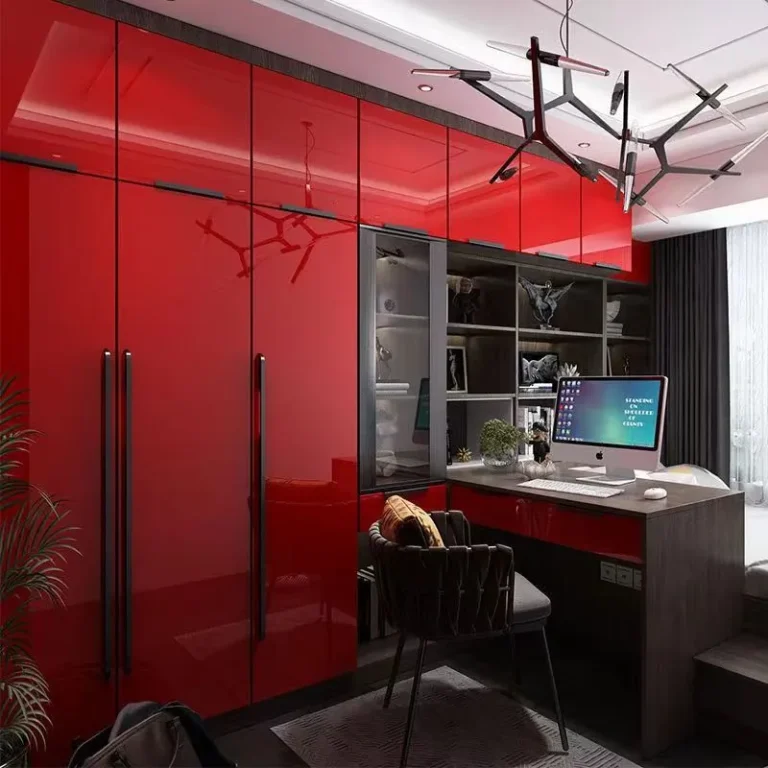
Popular for cabinets, wardrobes, and office furniture—delivers consistent grain patterns and easy cleaning compared to unfinished wood.
Modern minimalist lines benefit from clean, uniform color; matte surfaces help reduce fingerprint visibility in daily use.
Creates premium “stone-look” furniture accents and panels without heavy substrates, helping control cost and weight.
Two common decorative choices are Wood Grain Film for natural warmth and Marble Film for high-end stone-like impact—both widely adopted for cabinet doors, panels, and furniture cladding.
PVC film also plays a major role in flooring systems—either as a decorative layer, a functional wear layer, or a protective covering during renovation and construction. Performance is defined by resistance to scuffs, stains, and daily traffic.
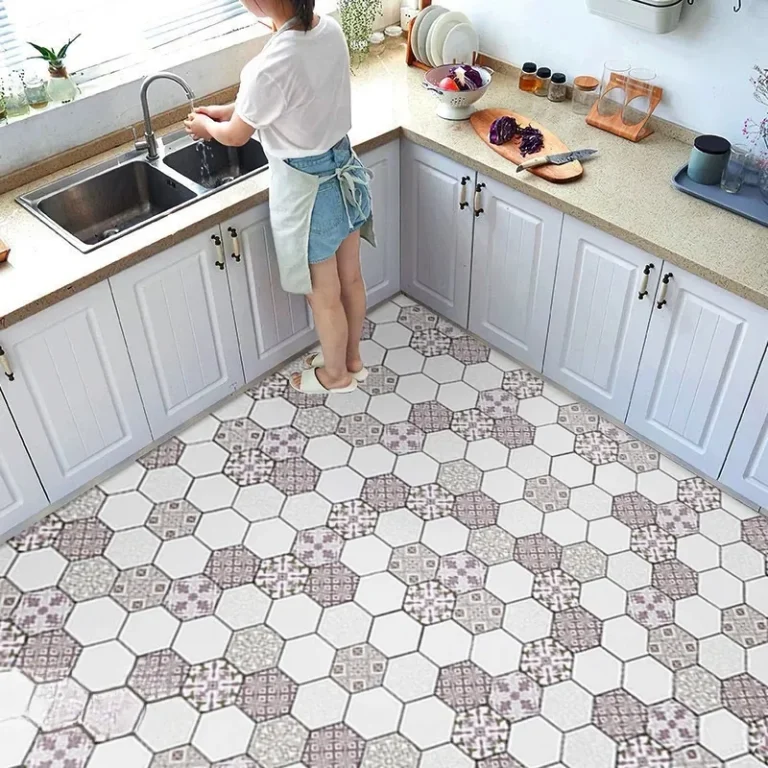
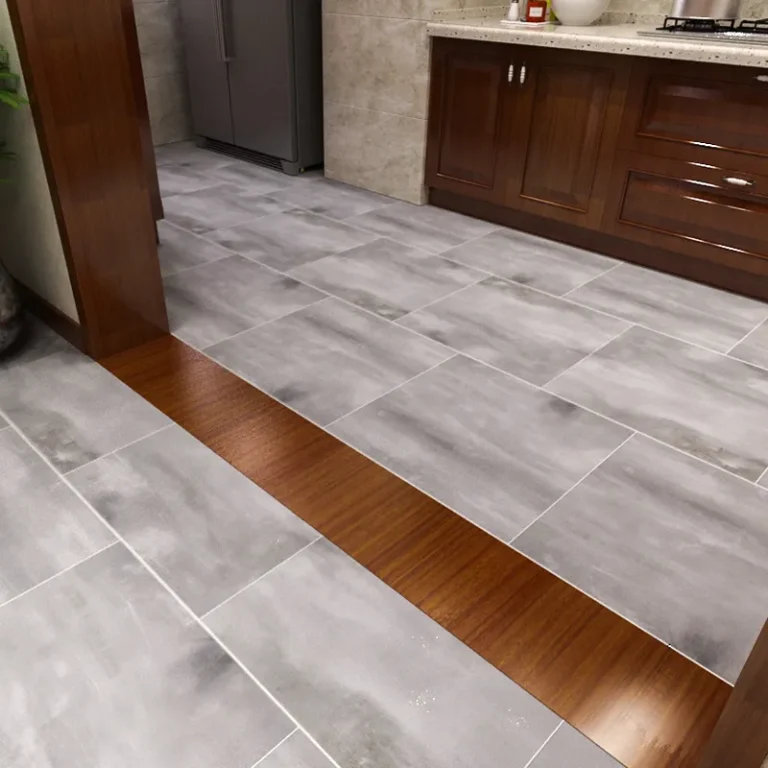
For flooring-related solutions, Floor Film is frequently used in projects that demand stable visuals and reliable surface behavior, especially where cleaning convenience and durability are important.
In low-traffic residential rooms, appearance and comfort may lead the decision. In retail, offices, and corridors, prioritize abrasion resistance, anti-slip considerations, and easy maintenance to reduce lifecycle cost.
In electronics and appliance manufacturing, PVC film can serve both decorative and functional roles. Common needs include surface protection during assembly, insulation layers, and anti-static performance to reduce electrostatic risks around sensitive components.
● Protective film on finished panels: reduces scratch and dust issues before final packing.
● Anti-static film options: used where static control improves yield and safety.
● Decorative skins: brushed patterns and textures can upgrade appliance appearance without heavy material changes.
Advertising and exhibition builds depend on materials that can be printed, mounted, and replaced quickly. PVC film supports vivid graphics, branded color systems, and surface finishes that control glare under strong lighting—useful for retail displays, event backdrops, and promotional panels.
For multi-day events, prioritize films with scuff tolerance and stable adhesion (when self-adhesive) to avoid corner lifting and surface wear in high-touch areas.
In medical and cleanroom-related scenarios, films are often used for protective barriers, packaging, and controlled-surface applications. Requirements commonly emphasize material safety, consistency, and the ability to maintain performance in controlled environments.
Beyond industrial uses, PVC film appears throughout the home: table covers, waterproof curtains, window films, protective layers for renovation, and easy-clean surfaces in kitchens and bathrooms. These use cases prioritize practicality—water resistance, wipe-clean maintenance, and reliable appearance over time.
Oil and stain exposure makes easy-clean, protective film solutions especially valuable on cabinets and panels.
Moisture resistance and slip-aware surface choices support safer, cleaner daily routines.
Clear or decorative protective layers help keep frequently used surfaces looking new longer.
Selecting the “right” PVC film is less about one perfect type and more about matching performance to the environment, the substrate, and the manufacturing process. Use the checklist below to avoid over-specifying (unnecessary cost) or under-specifying (quality issues).
For manufacturers and project contractors, stable results depend on process-controlled production (calendering, printing, slitting, and roll packaging) and disciplined QC checks across raw materials, thickness, optics, and adhesion behavior.
The most common uses are decorative lamination (furniture, doors, wall panels), packaging/protective wrapping, and construction finishing where durability and easy cleaning are needed.
Yes. Many suppliers support OEM/ODM customization for thickness, width, roll size, printing, and surface finishes (glossy/matte/embossed/functional coatings).
Choose glossy for strong visual impact and “premium shine” on cabinets and displays. Choose matte to reduce glare and help hide fingerprints and micro-scratches in daily-use areas.
It can be, when the film and adhesive system are specified for moisture resistance and easy cleaning. Always confirm the intended environment and cleaning routine before finalizing specs.
Provide the application, required thickness, width, roll length, surface finish, color/pattern reference, and quantity, plus any functional needs (anti-static, anti-fog, food-grade, etc.).