Address
304 North Cardinal St.
Dorchester Center, MA 02124
Work Hours
Monday to Friday: 7AM - 7PM
Weekend: 10AM - 5PM
Address
304 North Cardinal St.
Dorchester Center, MA 02124
Work Hours
Monday to Friday: 7AM - 7PM
Weekend: 10AM - 5PM


PVC film is one of the most versatile materials in modern manufacturing—used every day in packaging, lamination, and printing, as well as furniture, construction, electronics, and healthcare. But “PVC film” is not a single commodity. The difference between a stable, high-clarity, low-odor roll and a brittle, inconsistent roll often comes down to brand-level capabilities: resin selection, calendering control, surface treatment know-how, and quality assurance discipline.
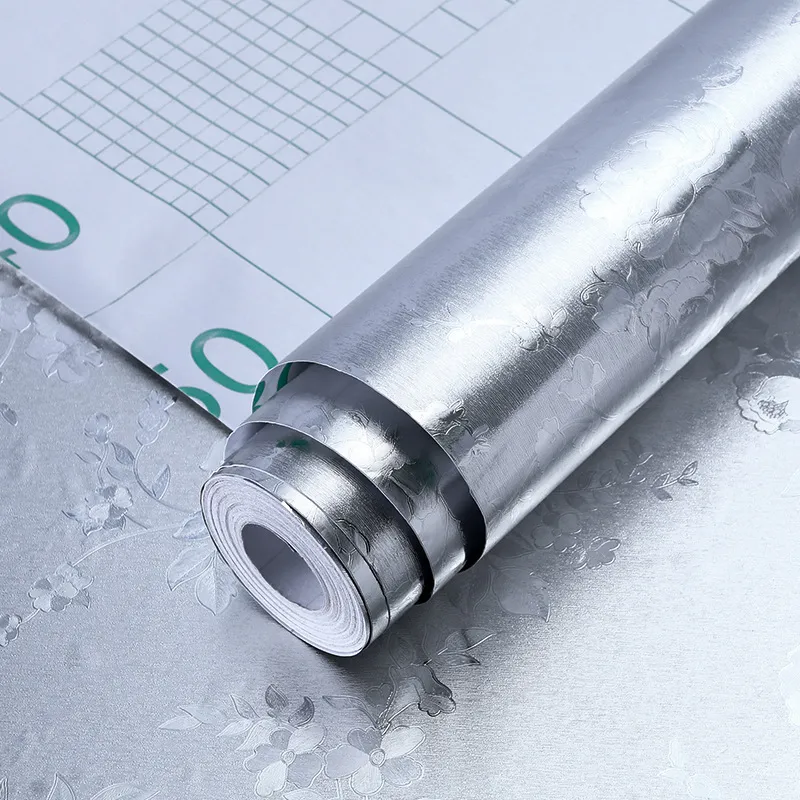
This guide explains what “top PVC film brands” really means in procurement terms, how to evaluate high-quality PVC film for your application, and which specifications matter most for packaging, lamination, and printing. It also highlights how a full-process manufacturer like Pulivk Film supports consistent quality from raw material to finished roll.
◉ Key takeaway:
The “best” PVC film brand is the one that can repeatedly meet your target thickness tolerance, surface energy/ink adhesion, optical clarity, odor & compliance, and lead time—with documentation and traceability.
In B2B purchasing, “top brand” rarely means the most famous name. It usually means a supplier with measurable strengths that reduce your risk:
process stability, batch consistency, application engineering support, and compliance readiness.
✔ A “top” PVC film brand typically offers:
Pulivk Film positions itself in this “top brand” category by operating complete calendering, printing, and slitting/packing lines—helping customers shorten lead times and reduce variability across batches.
PVC film performance depends on more than thickness. Your results in lamination and printing are shaped by plasticizer system, stabilizers, calendering temperature profile, embossing depth, and surface treatment. Before comparing brands, align on the film category:
Packaging PVC film is often judged by visual appearance first, but operational stability is what saves money: fewer stoppages, less scrap, cleaner seals, and consistent roll-to-roll behavior. When comparing brands, evaluate packaging film through these criteria:
High-quality transparent PVC film should present low haze, minimal gels/black specks, and uniform gloss. Ask suppliers for optical metrics (haze, transmittance) and specify acceptable defect levels per square meter.
A “top brand” controls calendering well enough to keep thickness stable across width and length. This matters for downstream converting: uneven thickness can cause wrinkles, telescoping, and inconsistent stiffness. Also check roll hardness, edge alignment, and core fit.
For packaging—especially consumer-facing—odor and regulatory risk are non-negotiable. Prefer brands that can provide statements and reports aligned with
REACH, RoHS, and when relevant, FDA requirements. Pulivk states its materials are free of heavy metals and phthalates and can provide third-party documentation upon request.
◉ Packaging buyer checklist (send to suppliers)
Lamination success is controlled by adhesion, heat resistance, dimensional stability, and surface durability. Decorative PVC film is widely used on MDF, particleboard, and other substrates for cabinets, doors, wall panels, and skirting lines.
A good brand will offer multiple finishes—glossy, matte, embossed, soft-touch—with stable repeatability. For example, high-touch residential surfaces often benefit from fingerprint-resistant or soft-touch textures, while commercial areas may prioritize abrasion resistance.
Application examples (decorative lamination)
Different laminating lines use different adhesives and heating profiles. A high-quality PVC film brand supports you with recommendations on bonding systems and can adjust film surface characteristics. If you laminate complex profiles or 3D surfaces, texture and elongation become critical to avoid whitening and stress marks.
For furniture and building materials, long-term performance equals fewer warranty claims. Ask about abrasion tests, scratch resistance options, and color stability across batches. Strong brands maintain batch traceability so any issue can be isolated quickly.
Printing performance is usually where “good enough” film fails. Ink adhesion, dot gain, drying behavior, and color consistency depend on surface energy and coating. A top PVC film brand typically offers printable grades and consistent surface treatment.
Confirm the printing method (gravure, flexo, digital) and ink system (solvent, UV, water-based). Then request target dyne level or equivalent surface specs. If the film is intended for indoor environments, also consider low-odor ink systems and safer formulations; Pulivk notes the use of environmentally friendly, non-toxic inks for indoor and human-contact scenarios.
Good printing requires stable tension behavior across the web. Curling after printing/lamination is a common issue when plasticizer balance and calendering conditions are inconsistent. Ask for data on shrinkage and recommend trial runs with your exact press settings.
✔ Practical tip for print buyers:
If you are comparing two brands, run the same ink and curing settings and evaluate adhesion (tape test), smudge resistance, and color shift after 24 hours. Consistent brands win over “one good roll” performance.
When customers say a PVC film brand is “reliable,” they usually mean the supplier has repeatable control across raw materials, production, and packing. The following capabilities are strong predictors of quality:
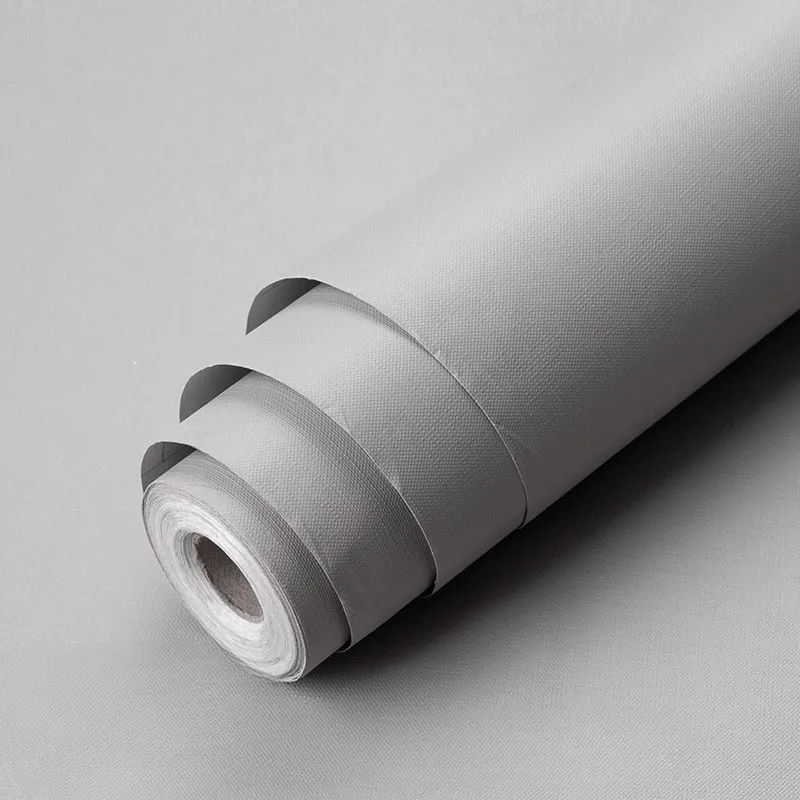
Full-process manufacturers reduce handoffs and minimize variability. Pulivk runs complete calendering, printing, and slitting/packaging lines, producing transparent, matte, embossed, pearlescent, colored, anti-static, self-adhesive, single-layer and multi-layer composite films—so quality targets can be managed end-to-end.
Even perfect film can arrive damaged without proper packing. A top supplier uses dust-proof wraps (PE film or kraft paper), individual roll protection, and clear labeling. This reduces edge damage, moisture exposure, and identification errors during warehouse handling.
Brands that can reliably customize thickness, width, embossing, color matching, printing, and functional coatings usually have mature process control. Pulivk supports OEM/ODM to match patterns, colors, surface treatments (anti-static, anti-fog, food-grade), and packaging requirements—useful for private-label programs and product line expansions.
Two films with the same thickness can behave completely differently due to plasticizer choice, stabilizer package, and calendering conditions. Instead, define performance outcomes: clarity/haze, stiffness, elongation, adhesion, and temperature resistance.
Kitchen, bathroom, and high-traffic interiors require better stain resistance and cleaning durability. Electronics and cleanrooms may require anti-static behavior. Healthcare packaging may need stricter cleanliness and compliance. Strong brands help you map film grades to real use conditions rather than selling a one-size-fits-all roll.
Always request samples that match your intended specification and run them on your actual equipment. If you are moving from trial to mass production, lock a standard (thickness tolerance, gloss, color ΔE, embossing pattern) and require confirmation per batch.
◉ Where to start if you’re unsure
If your application spans multiple industries (packaging + decoration + printing), begin with a stable base grade like calendered film, then add functional upgrades (matte/embossed/anti-static/printable coatings). Explore product categories and use-case references at
Product
and application knowledge resources at
Knowledge.
Buyers looking for a dependable PVC film partner often prioritize controllable quality, customization, and export experience. Pulivk Film highlights strengths that align with “top PVC film brand” expectations:
Prepare one spec sheet per application (packaging / lamination / printing) and request: (1) sample rolls, (2) technical datasheets, (3) compliance documents, and (4) a proposed QC plan. For MOQ, lead time, and sample requests, use
Contact.
PVC film is a thin sheet made from polyvinyl chloride. It’s popular because it can be engineered for clarity, durability, texture, printability, and cost efficiency across packaging, decoration, and industrial protection uses.
Look for consistent thickness tolerance, clean optics (low haze/defects), stable roll build, reliable adhesion/print performance, and documented compliance (REACH/RoHS/FDA where needed) supported by traceability and repeatable QC.
Decorative PVC films (wood grain, stone, matte, glossy, embossed, soft-touch) are commonly used. The best choice depends on your lamination method, adhesive, profile complexity, and desired durability (scratch/stain resistance).
Often yes—especially for demanding ink systems or high-speed lines. A printable grade or controlled surface treatment improves ink wetting and adhesion, reducing smudging and rework.
Provide film type, thickness, width, roll length, finish (gloss/matte/embossed), color/pattern, intended application (packaging/lamination/printing), required compliance, and estimated quantity—so the supplier can match the correct grade and process settings.