Address
304 North Cardinal St.
Dorchester Center, MA 02124
Work Hours
Monday to Friday: 7AM - 7PM
Weekend: 10AM - 5PM
Address
304 North Cardinal St.
Dorchester Center, MA 02124
Work Hours
Monday to Friday: 7AM - 7PM
Weekend: 10AM - 5PM


Choosing a top PVC film company is not only about finding a low price per roll. For packaging and lamination, the right manufacturer must deliver stable thickness, clean optics, reliable adhesion behavior, consistent color, compliant materials, and dependable lead times—order after order. In this guide, you’ll learn how to evaluate PVC film suppliers with practical criteria, what questions to ask, and how to match film types to real-world packaging and lamination needs across furniture, building materials, electronics, advertising, medical, and home-use products.
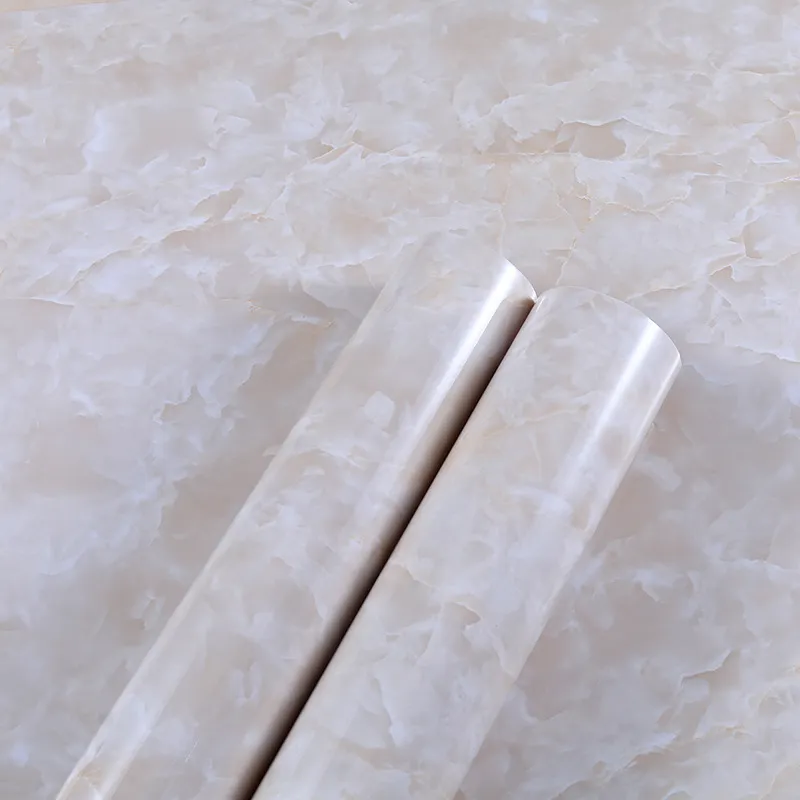
A “top” manufacturer is measured by process control, product range, customization depth, and global delivery performance—not marketing claims. For packaging and lamination projects, small variations can cause large downstream losses: wrinkling during lamination, haze on display windows, poor sealing, edge lift, print mis-registration, or inconsistent gloss that fails customer inspection.
✔ Buyer takeaway:
Top-tier PVC film suppliers reduce your total cost by preventing rework, returns, and line downtime—especially when you scale.
Packaging applications often prioritize clarity, consistency, and processability. Depending on your product (consumer goods, medical kits, electronics accessories, retail display packs), you may need:
Lamination (furniture panels, door skins, wall panels, boards, decorative sheets) usually prioritizes surface aesthetics and bonding behavior. Key considerations include:
Tip:
Before you compare suppliers, write down your application method (cold/heat lamination), substrate (MDF, PVC board, metal, glass, paperboard), and end-use environment (kitchen oil, humidity, UV, cleaning chemicals). This prevents mismatched film selection.
A strong PVC film manufacturer typically controls the core stages: calendering (or equivalent forming process), printing, and slitting/rewinding & packaging. When one supplier owns the full chain, you get:
For example, if you need Calendered Film for stable lamination performance, process control in calendering is directly tied to flatness, gauge tolerance, and surface uniformity—three factors that determine whether your lamination line runs smoothly.
A top PVC film company should offer multiple structures and surfaces so you can select what fits your product positioning (premium, mid-range, cost-sensitive) and environment (kitchen, bathroom, office, commercial spaces).
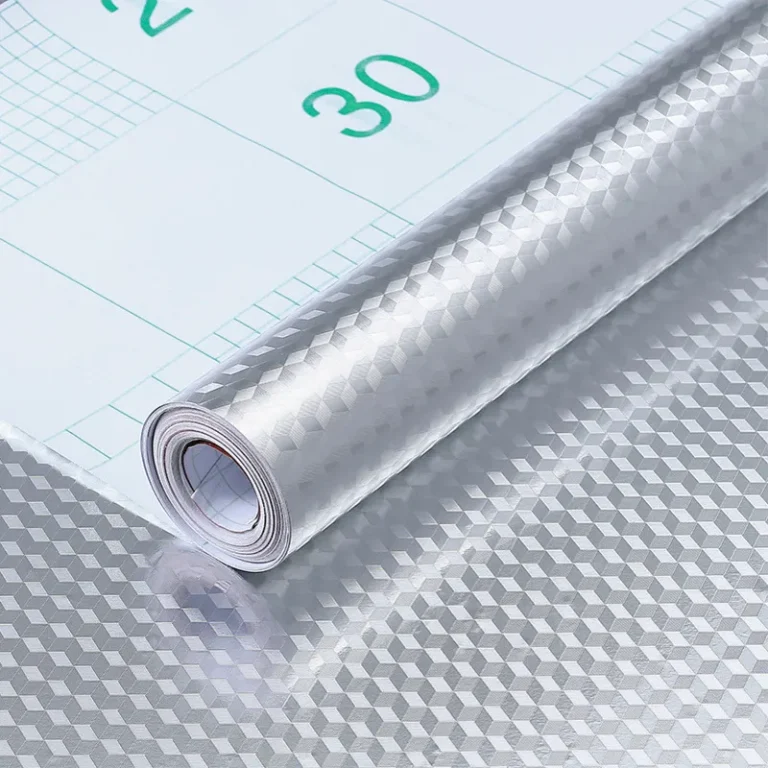
If you’re producing decorative laminated surfaces for premium interiors, specialty textures can be a differentiator. For instance, 3D Silk Texture Film supports a more refined tactile feel while maintaining the cleanability and durability that commercial buyers expect.
For baseboards and trim finishing, a manufacturer with dedicated lines for profiles and consistent print/embossing control can supply options like PVC Skirting Film, which helps keep color and grain continuity across long runs—important for builders and furniture brands seeking uniformity.
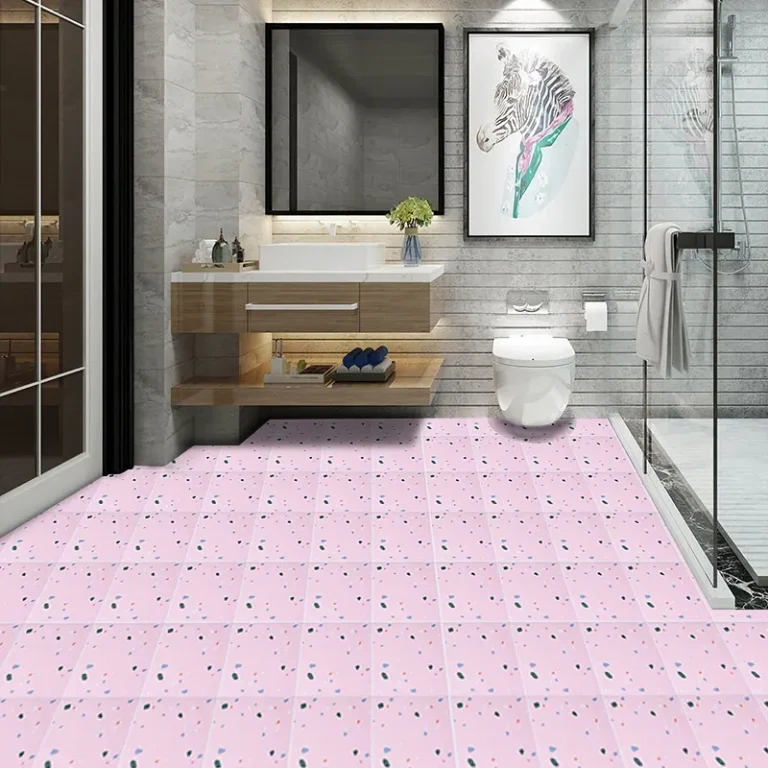
For flooring-related lamination and surface protection, film structure and wear performance matter. Options such as Floor Film are often chosen for abrasion resistance and stable visuals in high-traffic areas.
Many factories say they “support customization,” but top manufacturers can deliver repeatable, documented results at scale. When evaluating OEM/ODM capability, confirm whether the supplier can customize:
What to request in a custom project:
1) A pre-production sample roll from the same process route
2) A signed spec sheet (thickness tolerance, gloss range, color tolerance)
3) A reference standard for future batches (golden sample + records)
For packaging and lamination, quality control must cover both material safety and performance consistency. Responsible suppliers typically align with systems such as ISO management standards and meet market compliance expectations (e.g., REACH, RoHS, FDA-related requirements where applicable). However, the more important question is: Can they prove stability batch-to-batch?
⚠ Common risk to avoid:
A sample that passes but mass production drifts. Ask how the supplier locks parameters (raw material control, in-process checks, and final QC) and how they handle deviations.
A manufacturer can have great samples yet fail in delivery execution. For ongoing packaging or lamination programs, prioritize suppliers who can explain their production planning, inventory strategy, and export packaging standards. Look for:
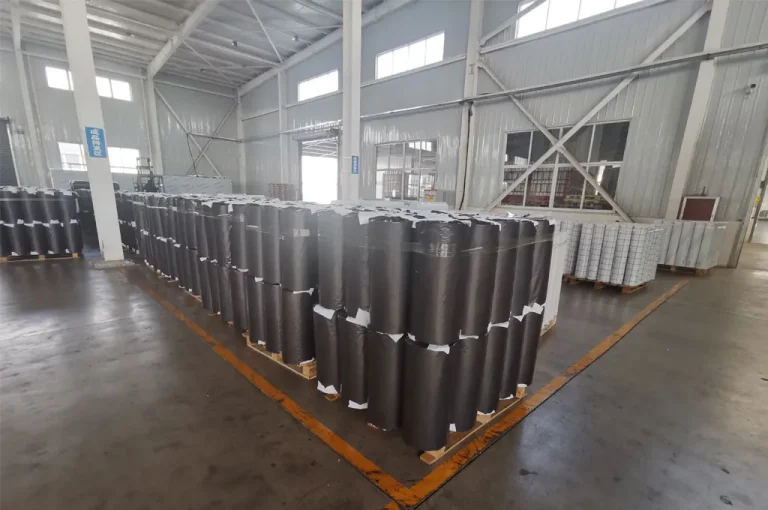
If your customers operate under tight construction schedules or retail launch windows, delivery consistency becomes a product feature. A supplier with integrated slitting and packaging can ship rolls cut to your exact width and wrapped to reduce contamination—especially important for lamination lines where dust can create visible defects.
When comparing PVC film quotations, align the specification first, then compare price. A low quote may hide differences in thickness tolerance, additive package, print layers, or packaging protection. Use this checklist to make quote comparisons fair:
Use these questions to quickly filter suppliers and reduce sourcing risk:
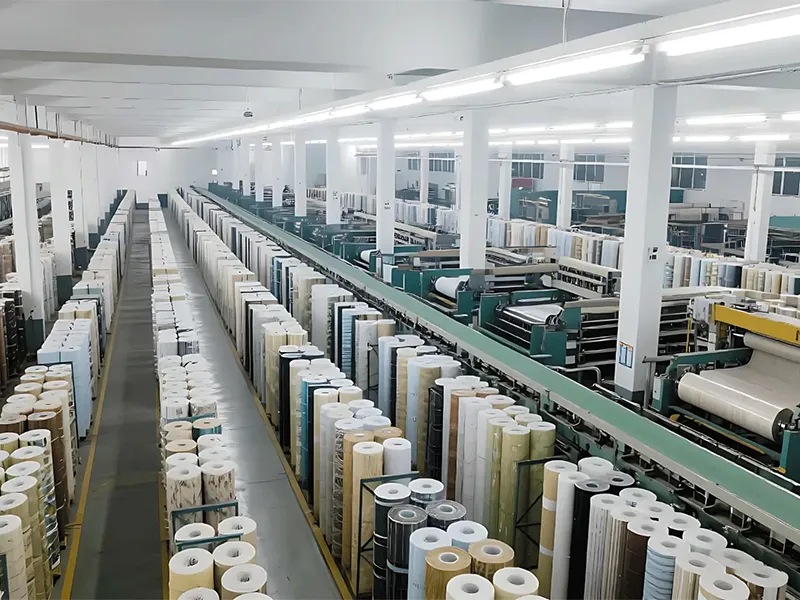
Pulivk Film focuses on PVC film R&D and manufacturing across a wide range of products, including PVC calendered film, decorative film, floor film, soft-touch film, and transparent film. With integrated calendering, printing, and slitting/packaging lines, the company can handle every stage from raw materials to finished rolls—helping customers reduce lead time while maintaining consistent quality.
The product portfolio covers transparent, frosted, embossed, pearlescent, colored, anti-static, and self-adhesive options, as well as single-layer and multi-layer structures for packaging and lamination. For decorative lamination needs, Pulivk supports wood grain, glossy, matte, fabric texture, stone texture, solid colors, waterproof surfaces, metallic looks, brushed effects, and 3D embossed textures. Rolls can be slit to customer requirements and protected using dust-proof PE film or kraft paper with clear specification labels for safer transport.
Operational advantage:
Full-process production control supports stable delivery schedules, cost efficiency through upstream control, and consistent QC across raw materials, in-process checks, and finished goods—especially valuable for long-term OEM/ODM programs.
If you want a repeatable way to choose the right manufacturer, follow this workflow:
Include thickness range, width, roll length, finish (gloss/matte/emboss), target color/pattern, and any treatments (anti-static, anti-fog, food-grade). Also specify your lamination method and target substrate.
Ask for sample rolls made using the intended process route and surface treatment. Then test them under your actual line speed, tension, and temperature conditions.
Request a second sample or small trial order to confirm repeatability. For decorative programs, confirm that pattern alignment and gloss stay stable between batches.
Align on tolerances, packaging, labeling, inspection method, and claim policy. This step prevents disputes and speeds up future reorders.
Once approved, build a rolling forecast with the supplier and confirm lead time buffers for seasonal peaks. A top PVC film company will help you plan—not just react.
PVC film is used for decorative finishes, protective layers, and packaging solutions. It can improve surface appearance (wood/stone/solid colors), add durability, and support industrial handling needs such as anti-static protection.
Yes. Many manufacturers offer OEM/ODM customization, including thickness, width, roll size, color/pattern matching, and optional treatments like anti-static, anti-fog, glossy/matte, or food-grade coatings.
Start with thickness tolerance, surface finish consistency, adhesion compatibility with your lamination process, and the supplier’s ability to provide stable batch-to-batch quality with traceability.
MOQ and lead time vary by product type and customization level. Many suppliers support trial orders first, then scale to bulk production once specifications are confirmed.
Share your film type, thickness, width, surface finish, color/pattern, intended application (packaging or lamination), and estimated quantity. Include your lamination method and substrate so the supplier can recommend the right structure and treatments.