Address
304 North Cardinal St.
Dorchester Center, MA 02124
Work Hours
Monday to Friday: 7AM - 7PM
Weekend: 10AM - 5PM
Address
304 North Cardinal St.
Dorchester Center, MA 02124
Work Hours
Monday to Friday: 7AM - 7PM
Weekend: 10AM - 5PM



PVC film is one of the most practical materials used across packaging, printing, and lamination—from protecting products in transit to elevating shelf appeal and improving surface durability in furniture, building materials, and consumer goods. But performance depends heavily on one decision: choosing a reliable PVC film manufacturer that can deliver stable quality, consistent rolls, compliant materials, and dependable lead times.

This guide explains what “top” PVC film manufacturers typically do differently, how to evaluate suppliers with less risk, and which technical checkpoints matter most when your film must run smoothly on converting lines, printing presses, and laminators.
In sourcing, “top” rarely means the biggest factory alone. It usually means the supplier can repeatedly deliver the same film behavior—roll after roll, batch after batch—while responding fast when your market changes (new patterns, seasonal colors, urgent replenishment, compliance updates).
Key signals of a “top” manufacturer
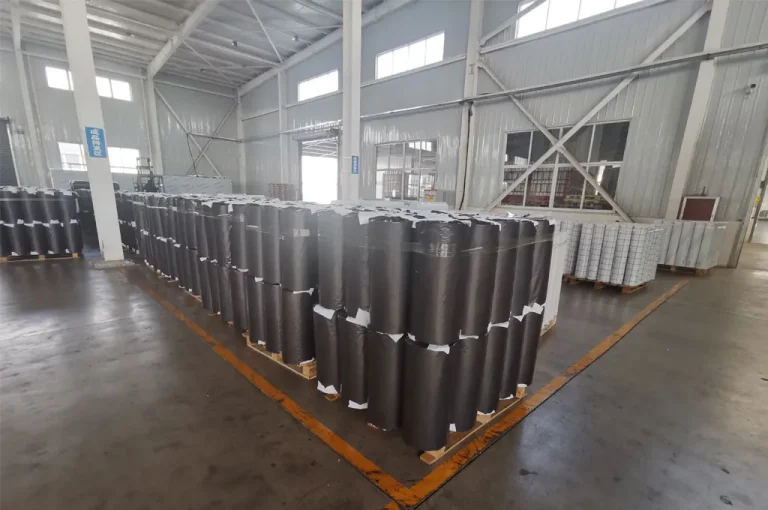
Manufacturers like Pulivk Film highlight this type of full-process capability: complete calendering, printing, and slitting/packing lines, plus flexible customization and multi-region export experience. Those traits matter because PVC film is not “one-size-fits-all”; the same film can behave differently depending on ink systems, laminating temperature, substrate energy, and storage climate.
Before comparing manufacturers, define the job your film must do. Many sourcing problems come from ordering a film that looks right on paper but fails during converting—wrinkles on the laminator, ink adhesion issues, curling, or inconsistent gloss.
Quick application mapping
If you’re buying calendered PVC as a base film for converting, start with a supplier that can consistently deliver calendering stability and tight thickness tolerance. For example, you can review typical base-film options such as
Calendered Film
and then confirm which surface/finish and downstream process (printing/laminating) you need.
“PVC film” includes transparent, matte, glossy, embossed, pearlescent, anti-static, self-adhesive, and multi-layer composites. To compare manufacturers fairly, lock the parameters that drive cost and performance.
Thickness is not just a number—it affects stiffness, forming behavior, emboss depth visibility, and lamination heat window. Ask for the target thickness and acceptable tolerance range, and confirm the roll hardness and winding method to avoid telescoping and edge damage.
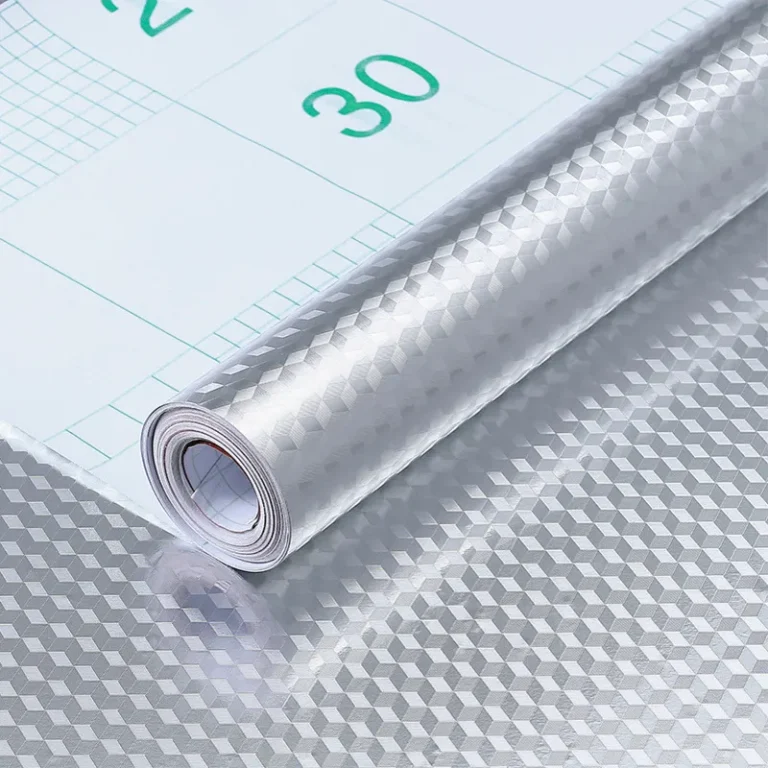
Gloss, matte, soft-touch, and embossed textures change perceived quality. If you sell decorative panels or retail-facing surfaces, texture repeat accuracy and stable gloss are critical—especially for wood grain, stone grain, brushed metal, and 3D textures.
For design-led lamination, a product category like
3D Silk Texture Film
can be a reference point when you discuss pattern depth, tactile feel, and batch consistency.
For printing-grade film, confirm whether the supplier supports surface treatments such as corona or chemical priming, and ask what ink systems they have validated (solvent, eco-solvent, UV, water-based). A top manufacturer will provide guidance on ink anchorage tests and rub resistance expectations under your real curing conditions.
In lamination, failures often appear after installation: edge lifting, bubbling, or shrink-back. Ask for recommended adhesive types, typical lamination temperatures, and conditioning steps. Also confirm whether the film is designed for flat lamination, vacuum pressing, or membrane pressing.
If the film will be used indoors, near food, or in human-contact environments (medical/cleanroom packaging, household surfaces), request confirmation of heavy-metal and phthalate restrictions and any needed standards (e.g., ISO systems, REACH/RoHS, FDA where applicable). A reliable supplier should be able to share supporting reports and keep formulations stable.
Supplier selection should reduce your operational risk. Beyond price, check whether the manufacturer can support your production rhythm and quality expectations over time.
Buyer’s due-diligence checklist
Full-process manufacturers typically perform better on consistency because fewer handoffs mean fewer opportunities for spec drift. Pulivk Film, for example, emphasizes integrated production lines plus customized slitting and roll-by-roll protective packaging—details that reduce damage risk and improve receiving efficiency.
Film that blocks can slow lines and waste labor. Ask about anti-block measures, storage recommendations, and whether the supplier has experience shipping to climates similar to yours (hot/humid routes require stronger moisture and temperature planning).
If ink scratches off or fails tape tests, the problem may be surface energy mismatch, insufficient treatment, or incompatible ink/curing. A reliable manufacturer can recommend surface options and provide test data aligned with your print method.
These often show up days after lamination, especially on large panels or temperature-cycling environments. Confirm shrinkage control and request guidance on conditioning time, adhesive choice, and processing window.
Tip ▸
If your application is decorative building materials (walls, trims, skirting), ask for application-specific references such as
PVC skirting film
so the supplier knows you care about edge detail, abrasion resistance, and long-term appearance.
Request a small pilot run with the same substrate, adhesive, and press conditions you will use in production. Trial results are far more predictive than a generic “free sample.”
Most competitive PVC film projects require customization. The best manufacturers make customization predictable: they document your spec, keep a color standard, control repeatability, and protect you from “silent changes” between batches.
Confirm width, roll length, core size, winding direction, and slitting tolerances. If you run automatic lamination or high-speed printing, tight width control reduces waste and misalignment.
For decorative films (wood grain, marble, solid colors), color consistency is a brand issue. Ask about color matching workflow, master sample retention, and how they manage batch-to-batch ΔE control (or an agreed visual standard under defined lighting).
If your project focuses on simple modern interiors, references like
Solid color wallpaper
can help align on matte level and clean-tone stability.
Depending on your industry, you may need anti-static, anti-fog, food-grade coatings, improved scratch resistance, or easy-clean surfaces (useful in kitchens, healthcare, and high-touch public environments). Confirm testing methods and whether the properties remain stable after printing/lamination.
When manufacturers say “strict QC,” ask what they actually measure and how they record it. A strong QC system is documented, repeatable, and linked to batch IDs.
QC items that matter most for PVC film
Also ask whether they can provide third-party verification when needed, and whether they support remote factory tours for capacity and process review. This is especially helpful when you’re onboarding a new supplier across borders.
For most buyers, the true cost of PVC film is not the unit price—it’s the cost of downtime, rejected lamination panels, missed shipping deadlines, or inconsistent color across a product line. Top suppliers manage these risks with planning and transparency.
Ask how lead time changes with customization level (new pattern development vs. repeat orders), what their peak season looks like, and how they handle urgent replenishment. Reliable suppliers will explain trade-offs clearly instead of overpromising.
MOQ depends on film type and customization. If you’re validating a new product, request a small trial order and define success criteria: runnability, defect rate, print adhesion, lamination bond, and post-conditioning performance.
PVC rolls are sensitive to edge impact, dust contamination, and moisture. Look for roll-by-roll wrapping (dust-proof PE film or kraft paper), clear labels, and export-safe palletization. These details reduce receiving disputes and speed up line loading.
Reliability looks slightly different depending on your downstream application. Below are common industries that purchase PVC films and what they typically prioritize.
If your business is flooring-related, product categories like
Floor Film
help you set expectations on wear, surface durability, and consistent embossing—especially when flooring is sold in batches that must match under store lighting.
To avoid endless sample loops and unclear quotations, use a structured workflow that quickly identifies which manufacturers can truly support your application.
PVC film is a thin sheet made from polyvinyl chloride used for decorative surfaces, industrial protection, and packaging. It’s valued for durability, design versatility, and process compatibility (printing, laminating, slitting).
Ask about surface treatment (e.g., corona/primers), validated ink systems, and request ink adhesion and rub test guidance under your curing conditions. Always run a small trial on your own press before mass production.
Provide film type (transparent/matte/embossed/self-adhesive), thickness, width, roll length, color/pattern, intended process (printing/lamination), required compliance, and estimated order quantity.
Many manufacturers can supply films free of heavy metals and phthalates and compliant with frameworks such as REACH/RoHS (and FDA when required). Request supporting documents and confirm the formulation stays stable across batches.
Buying based on price and appearance only. The bigger risks are inconsistent thickness, unstable surface treatment, poor unwind, and weak lamination adhesion—issues that cause downtime and rework. Evaluate manufacturing control, QC depth, and trial performance before scaling.