Address
304 North Cardinal St.
Dorchester Center, MA 02124
Work Hours
Monday to Friday: 7AM - 7PM
Weekend: 10AM - 5PM
Address
304 North Cardinal St.
Dorchester Center, MA 02124
Work Hours
Monday to Friday: 7AM - 7PM
Weekend: 10AM - 5PM


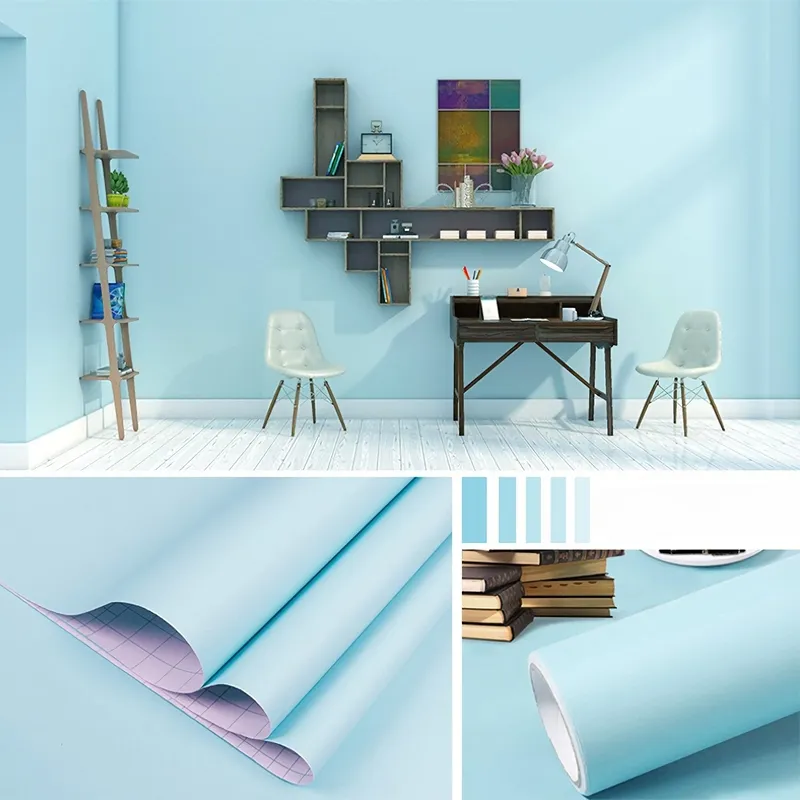
India’s PVC film market is growing fast, driven by booming real estate, modular kitchens, office fit-outs, retail signage, and cost-conscious renovation culture. From compact apartments in metro cities to large housing projects and commercial interiors, buyers increasingly prefer PVC films for their balance of aesthetics, durability, and easy maintenance—especially in hot, humid, and dusty conditions where surfaces need to be wipe-clean and resilient.
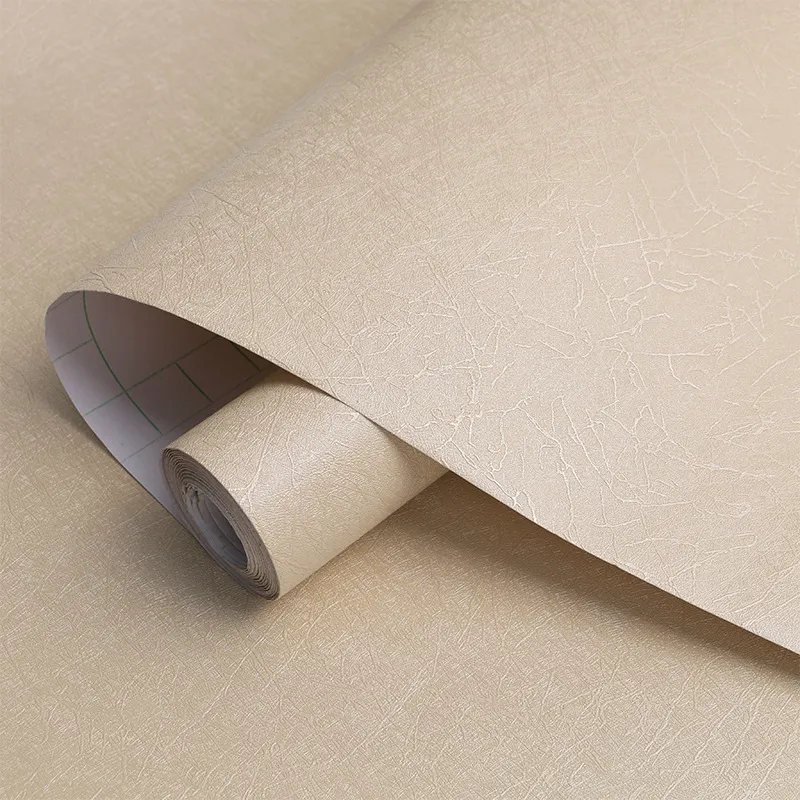
This guide explains how to evaluate top PVC film manufacturers in India (and reliable import-friendly suppliers), compares product types, highlights what matters in Indian usage scenarios, and provides a practical buying checklist—from sampling to delivery.
Key reasons Indian buyers choose PVC film:
In many Indian homes, the kitchen is a high-usage zone, and finishes must handle heat, oil, frequent wiping, and humid air. For furniture and interior panels, buyers often prefer matte or soft-touch films to reduce fingerprint visibility, while retailers and showrooms may choose glossy finishes for higher “shine” and visual impact under lighting.
“Top manufacturer” isn’t only about capacity; it’s about repeatable quality, surface consistency, adhesion performance, and delivery reliability across batches. For builders, modular furniture factories, and distributors, inconsistency can cause costly rework and complaints.
✔ Evaluation checklist for suppliers (India-focused):
PVC films vary by production method, function, and surface effect. Understanding the core categories helps you shortlist the right manufacturers and avoid overpaying for features you don’t need.
Calendered film is widely used for decorative laminations, protective layers, and various industrial applications. If you’re comparing stable, high-output options, start here:
Calendered Film.
It’s often chosen for its balance of cost, thickness stability, and scale availability.
Decorative films dominate the Indian interior market—wardrobes, wall panels, doors, office partitions, and retail furniture. Common high-demand looks include:
Wood Grain Film
for warm “natural” aesthetics and
Marble Film
for premium visual impact without stone cost and maintenance.
Tip for Indian showrooms:
keep a standardized swatch book with supplier batch codes. Customers often return to match an earlier wardrobe panel or kitchen shutter shade, so reproducibility matters as much as the design.
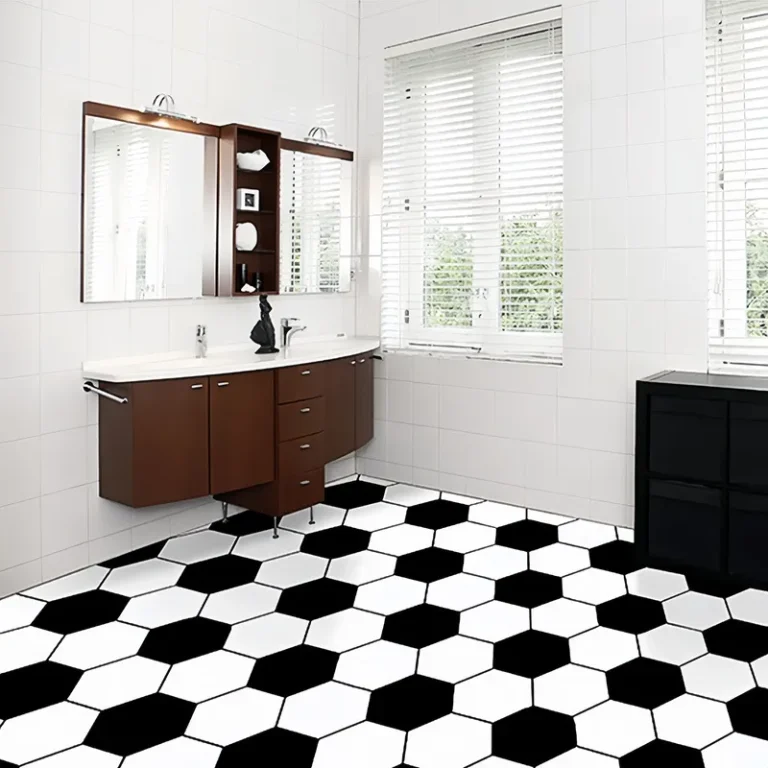
For high footfall areas (retail, offices, corridors), PVC floor films focus on abrasion resistance, dimensional stability, and easy cleaning. For project planning or comparisons, see:
Floor Film.
In India, always consider dust and grit abrasion—surface durability can matter more than initial gloss.
Functional films are selected for performance rather than only looks: anti-static for electronics packaging or appliance panels, self-adhesive for quick renovation/branding, transparent films for protection, and soft-touch for premium furniture surfaces where fingerprint resistance is desired.
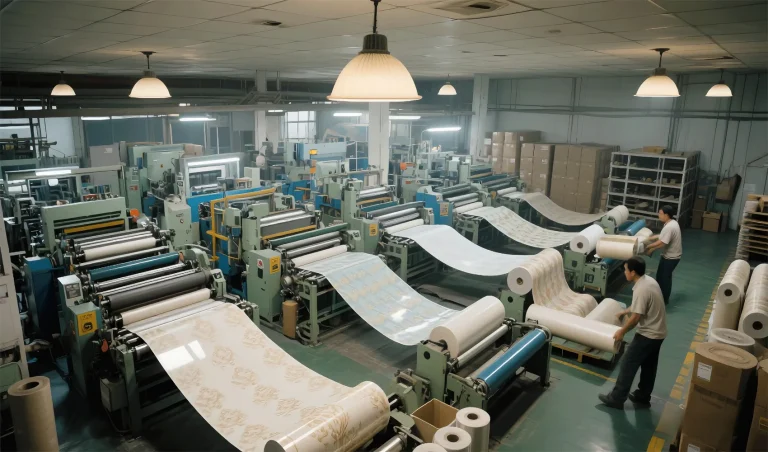
When evaluating “trusted” suppliers, one of the strongest indicators is full-process control—the ability to manage calendering, printing, and slitting/packing under one system. This reduces batch variation, shortens lead times, and improves accountability if issues occur.
Pulivk Film capabilities (supplier benchmark):
For Indian importers and distributors, suppliers with global shipping experience typically provide better moisture-proof packaging and clearer documentation—reducing transit damage and customs friction. This is especially useful when you’re distributing across multiple Indian states with varied warehousing conditions.
For kitchen shutters, wardrobe panels, and interior furniture, focus on scratch resistance, color consistency, and easy cleaning. In many Indian households, strong spices and oil-based cooking can stain low-grade surfaces; a quality topcoat and stable print layer make a visible difference over time.
What to ask suppliers:
Which lamination method is recommended (cold/heat), what adhesive systems are compatible, and whether the film has anti-fingerprint or stain-resistant topcoat options.
For bulk projects, the biggest risk is batch mismatch. Request a written commitment on allowable shade variation, confirm the roll identification/labeling system, and lock a sample approval (golden sample) before mass production.
In India, where site conditions can be unpredictable, prioritize films that tolerate installation variability: good lay-flat behavior, stable dimensions, and reliable adhesion even when the workspace is warm or humid.
For advertising and exhibition use, color vibrancy, print compatibility, and surface uniformity matter most. If the film is self-adhesive, confirm initial tack vs repositioning, and whether it leaves residue after removal—important for temporary campaign graphics.
For anti-static or clean packaging applications, ask for specific test reports and traceability. You’ll also want a supplier that can keep strict QC on thickness, optics (haze/clarity), and surface contamination control during packing.
Provide a complete spec sheet, not just “wood grain PVC film.” At minimum: thickness, width, roll length, finish (gloss/matte/emboss), target substrate, installation method, and expected environment (kitchen heat, coastal humidity, heavy traffic, etc.).
Must-include spec items:
Request samples from the same production route that will be used for bulk (same film structure and topcoat). For Indian conditions, test samples with:
heat exposure (near a kitchen area),
humidity exposure (monsoon-like conditions),
and cleaning cycles (repeated wipe with mild detergent).
The cheapest film can become expensive if it causes high wastage, installation delays, shade mismatch, or returns. In India, logistics and handling are also major cost drivers; better packaging often reduces damage during multi-stop road transport.
Ask how QC is done from raw materials to finished rolls: thickness tests, adhesion checks, optical inspection, and batch traceability. If you sell into regulated or premium segments, request supporting certifications or test reports (for example, RoHS/REACH or ISO-based systems where applicable).
Before you place a bulk order, confirm: production lead time, labeling format, palletization rules, and claims process. Strong suppliers will offer clear roll labels (spec + lot) and consistent packing (PE film or kraft wrap) to keep rolls clean until installation.
⚑ Watch-outs that frequently cause disputes:
Many Indian buyers source domestically for quick replenishment and easier communication, while others import to access broader textures, specialty embossing, or price-to-performance advantages in specific categories. A practical approach is to keep:
domestic suppliers for fast-moving SKUs and
import-ready suppliers for differentiated designs (premium wood grains, marble looks, special textures, soft-touch, and functional coatings).
If you distribute across India, prioritize suppliers that can maintain consistent production lots and provide stable lead times—because the true cost is often the time lost when a project must pause due to mismatch or delayed replenishment.
PVC film is a thin polyvinyl chloride sheet used for decoration, protection, and functional surface applications. In India it’s commonly used for modular kitchens, wardrobes, wall panels, doors, retail furniture, signage, and flooring-related surfaces.
Matte (or soft-touch) is often preferred for Indian kitchens because it hides fingerprints and minor scratches better, while glossy is chosen for a brighter “premium shine” look. The best choice depends on cleaning habits, lighting, and desired aesthetics.
Approve a physical “golden sample,” require batch labels on each roll, and ask the supplier about their color management and printing consistency controls. For project work, purchase enough quantity from the same batch whenever possible.
Yes. Many suppliers offer OEM/ODM customization such as thickness, width, roll length, embossing, colors/patterns, functional coatings (e.g., anti-static), and packaging—especially when ordering in bulk.
Request samples, confirm specifications and tolerances, verify packing and labeling standards, agree on lead time, and clarify the QC/claims process. This reduces the risk of shade mismatch, transit damage, and installation issues.