Address
304 North Cardinal St.
Dorchester Center, MA 02124
Work Hours
Monday to Friday: 7AM - 7PM
Weekend: 10AM - 5PM
Address
304 North Cardinal St.
Dorchester Center, MA 02124
Work Hours
Monday to Friday: 7AM - 7PM
Weekend: 10AM - 5PM


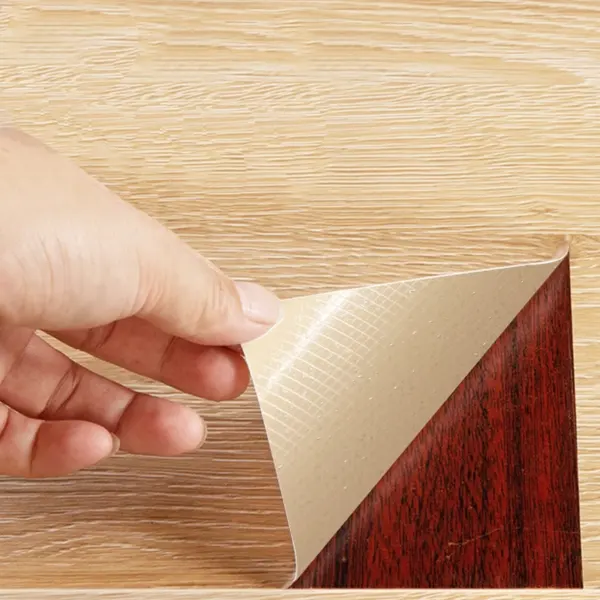
Choosing a PVC film supplier is not only about finding the lowest price—it’s about securing stable quality, consistent color and embossing, compliant materials, and a production partner that can deliver on time when your project schedule is tight. Whether you source PVC film for furniture wrapping, wall panels, doors, flooring, appliance protection, advertising, or clean packaging, your supplier selection will directly affect your defect rate, installation efficiency, and after-sales claims.
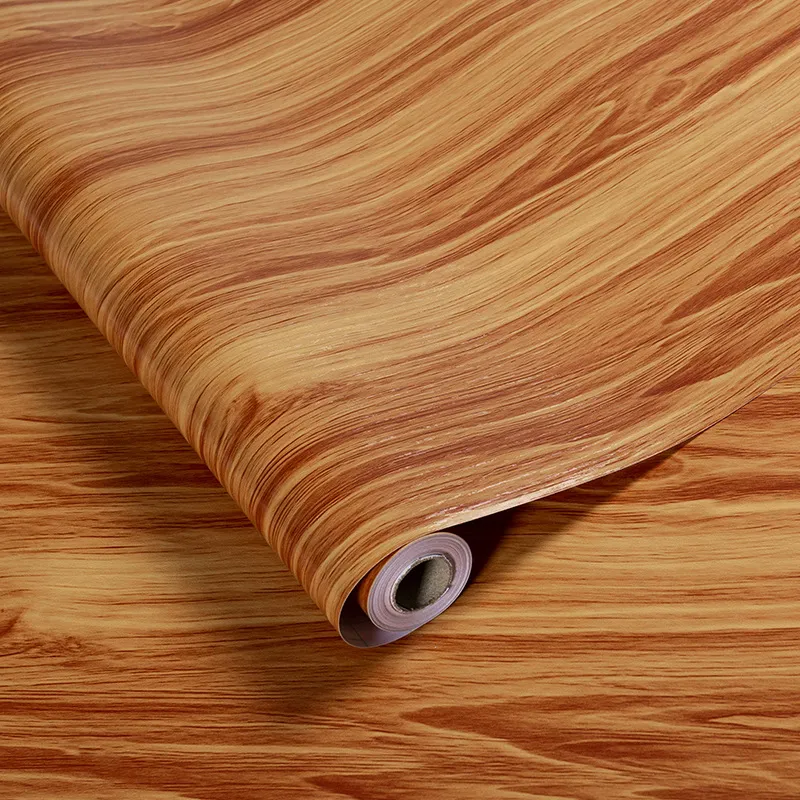
This guide explains how to evaluate top PVC film suppliers and how to compare manufacturers on reliability, quality control, customization capability, lead time, and total cost—so you can buy with confidence and build long-term supply stability.
In practice, “top” suppliers are not defined by the biggest catalog or the loudest ads. Top manufacturers usually share five measurable traits:
✔ Full-process capability: calendering/extrusion, printing, embossing, slitting, and export packing under one system.
✔ Stable QC: thickness tolerance, gloss/matte control, adhesion and scratch resistance testing, batch traceability.
✔ Material compliance: REACH/RoHS/FDA options, heavy-metal-free and phthalate-free solutions when required.
✔ Customization depth: color matching, surface treatment, roll length/width, packaging labels, OEM/ODM workflows.
✔ Predictable delivery: production planning + inventory management + export experience for fewer surprises.
A supplier can be “cheap” but not “top” if it lacks process control—because the real cost appears later as returns, rework, on-site installation delays, and reputation damage.
PVC film is not one product. Different applications require different base film types, surface textures, and performance targets. Before you compare suppliers, define your target film category and key specs.
For many industrial uses, calendered film is a baseline choice due to consistent thickness and good surface uniformity. Decorative films typically add printing + embossing to imitate wood, stone, fabric, metal, or soft-touch finishes. Functional films may add anti-static, anti-fog, food-grade coatings, or self-adhesive layers.
Tip: When you ask for quotes, specify application first (e.g., cabinet wrapping, wall panel lamination, flooring overlay), then thickness, surface, adhesive, and compliance requirements. This avoids “apples-to-oranges” pricing.
If you need premium tactile appeal for interior decoration, specialty textures such as 3D silk texture film should be evaluated on scratch resistance, color stability, and embossing clarity—not only pattern appearance in photos.
Reliable manufacturers usually support multiple industries with tailored film options:
Many “suppliers” are trading companies or outsource key steps like embossing or slitting. This is not automatically bad, but it increases risk: quality variation, longer lead times, weaker accountability, and limited technical support when problems happen.
Prioritize manufacturers that can manage the complete workflow—raw materials, calendering/printing, embossing, slitting, and packing—because process integration is one of the strongest predictors of consistent quality and competitive pricing.
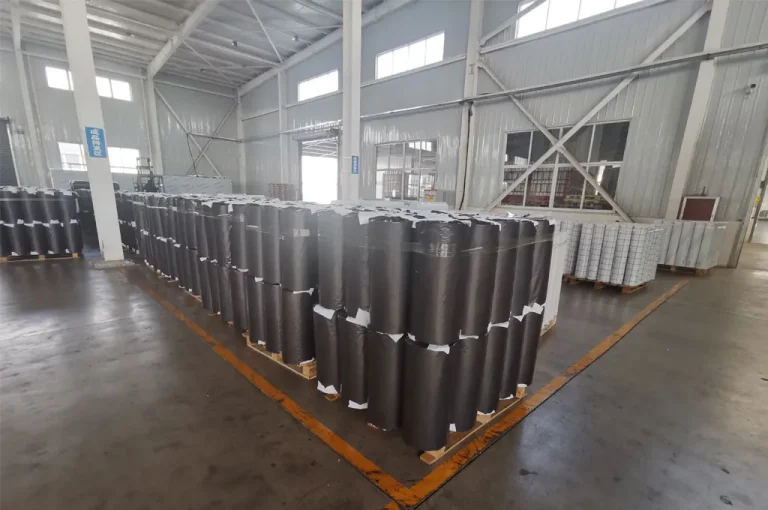
Ask for evidence: production line videos, live virtual factory tours, QC records, and sample roll labels showing batch traceability.
Operational signal: a supplier that can explain process parameters (thickness control, embossing pressure, ink system, coating method) is usually more dependable than one that only shares catalogs.
Competitive pricing matters, but stable QC protects your total cost. For PVC films, small deviations can cause major installation issues: bubbles, silvering, edge lifting, inconsistent gloss, or pattern mismatch across panels.
If you sell into regulated markets or sensitive applications, treat compliance as a sourcing requirement—not an afterthought. Reliable suppliers can provide third-party reports and support options that meet ISO systems and chemical restrictions.
Compliance items often requested: ISO 9001, ISO 14001, REACH, RoHS, FDA (where applicable), heavy-metal-free and phthalate-free declarations.
⚠ Practical note: If your project is for indoor decoration (homes, hospitals, schools), ask about eco-friendly inks and odor control—because the first customer complaint is often smell, not appearance.
PVC film pricing is affected by raw material costs, thickness, width, embossing complexity, printing layers, coatings, adhesives, packing requirements, MOQ, and shipping terms. A low unit price can hide higher total cost if the supplier is inconsistent or slow.
To get truly comparable offers, send the same RFQ to each supplier and lock these details:
RFQ must include:
The strongest suppliers help you reduce total cost by preventing defects and improving processing efficiency. For example, clean slitting reduces edge damage; consistent thickness improves lamination; stable embossing reduces panel mismatch; export-ready packaging reduces shipping loss.
If you cannot visit the factory, a live video audit is the next best option. The goal is to confirm the supplier’s production control and honesty about capacity.
🔎 Ask these:
Many PVC film disputes come from damage in transit: telescoping rolls, edge crush, moisture penetration, or contamination. A strong supplier will pack each roll with dust-proof PE film or kraft paper, apply clear spec labels, and use moisture-protected export packing.
A supplier with a broad but relevant product portfolio can simplify your procurement and reduce qualification time. For example, if you produce interior finishing systems, you may need coordinated films for wardrobes, wall panels, skirting, and flooring to match colors and textures.
To reduce design mismatches, consider sourcing complementary items from the same manufacturer, such as:
Why it matters: unified sourcing helps keep color lots, gloss levels, and texture feel consistent across multiple product lines—reducing customer complaints and rework.
OEM/ODM services can be a major competitive advantage—if the supplier has the technical depth to repeat your specification consistently. The best approach is to treat customization as a structured process, not a one-time request.
Even top-quality PVC film becomes a problem if it arrives late. Evaluate lead time in realistic terms: production time, curing/resting time (if applicable), QC release, packing, and shipping.
Reliability indicators:
When you have many suppliers to evaluate, use a simple weighted scorecard. This prevents “decision fatigue” and keeps your team aligned.
A sample is only useful if it becomes a reference. Always keep a signed master sample and define measurable tolerances (thickness range, gloss level, delta E).
Kitchens, bathrooms, and high-touch commercial areas require different performance. If the film is exposed to heat, oils, cleaners, or frequent abrasion, ask for test data and recommended surface treatments.
Custom printing and embossing require stable process control. If a quote is far below market, the risk is often hidden in inconsistent batches, weak packaging, or limited after-sales support.
PVC film is a thin polyvinyl chloride sheet used for decoration, protection, and functional surfaces. It’s popular because it supports many textures (wood, marble, metal), is easy to process, and can be engineered for durability, cleanability, and compliance needs.
Choose thickness based on application and processing method. Thicker films generally improve durability and handling, while thinner films may reduce cost and improve flexibility. Ask your supplier for the recommended thickness range for your specific substrate and forming/lamination process.
Yes. Reliable manufacturers typically support OEM/ODM customization including color matching, printing, embossing, gloss/matte control, soft-touch feel, and functional coatings (anti-static, anti-fog, easy-clean).
You should expect product specifications, QC inspection records, batch traceability labels, and compliance documents when required (e.g., REACH/RoHS/FDA options, ISO system certificates, and third-party test reports).
Start with samples plus a small trial order using a locked specification and agreed tolerances. Confirm packaging, delivery time, and complaint handling procedures before scaling to long-term volume contracts.