Address
304 North Cardinal St.
Dorchester Center, MA 02124
Work Hours
Monday to Friday: 7AM - 7PM
Weekend: 10AM - 5PM
Address
304 North Cardinal St.
Dorchester Center, MA 02124
Work Hours
Monday to Friday: 7AM - 7PM
Weekend: 10AM - 5PM


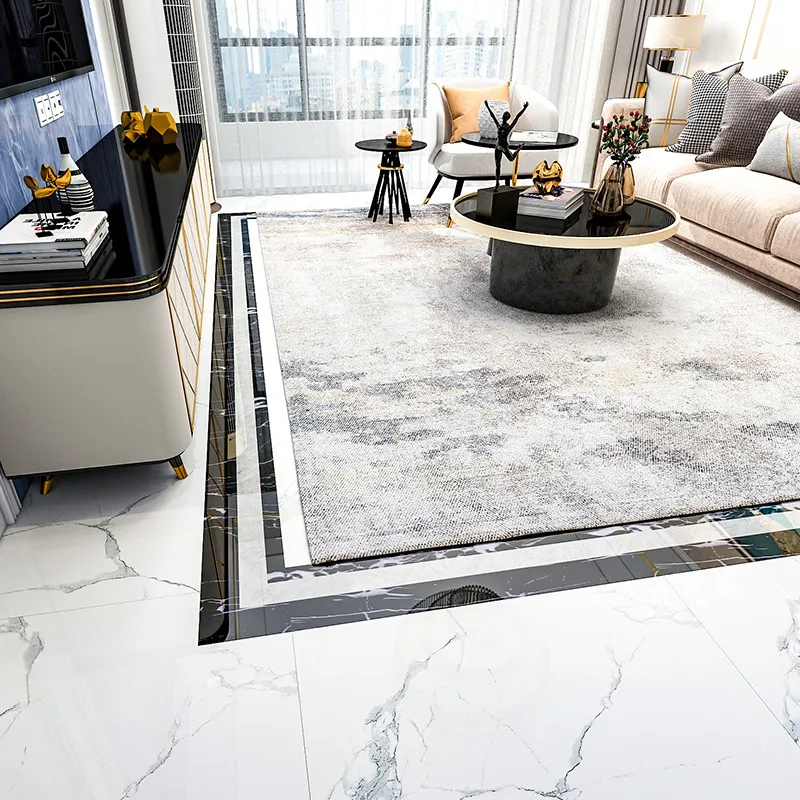
Choosing the right wood PVC film brand is one of the fastest ways to raise the perceived quality of furniture, doors, cabinets, and interior décor—without changing your substrate or production line. Today’s best decorative PVC films combine realistic wood visuals, stable embossing, strong adhesion, and compliance-ready chemistry to fit modern requirements in residential, hospitality, retail, and workspace interiors.
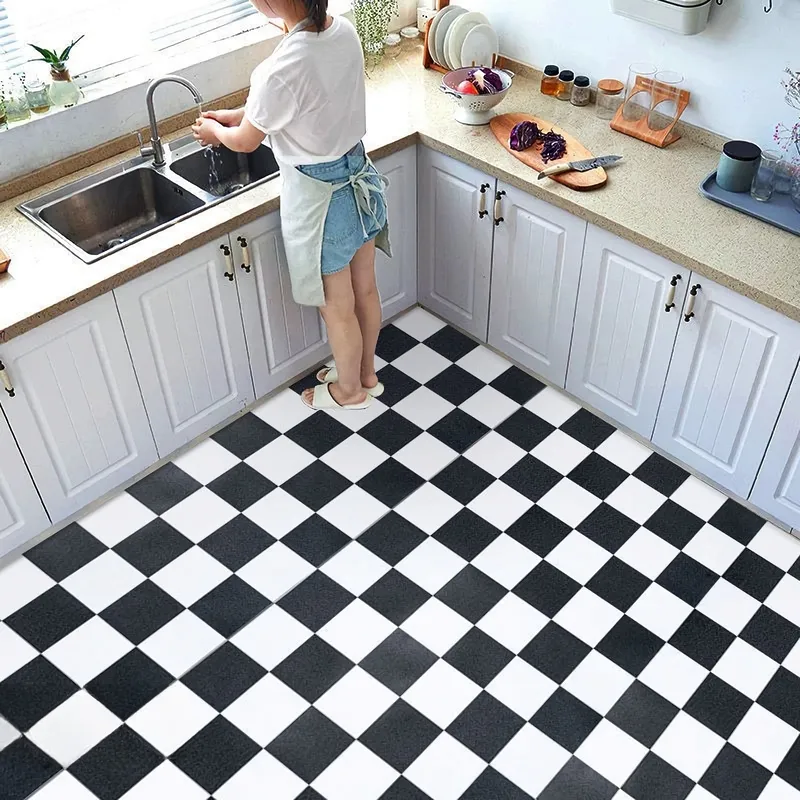
This guide explains what “top brands” really means in the wood PVC film world, how to compare suppliers, which film types work best for each application, and why full-process manufacturers can deliver more consistent results at scale.
✔ Quick takeaway:
A “top wood PVC film brand” is defined less by marketing and more by
repeatable quality, stable lead time, customization depth, and certification support
for furniture and interior finishing.
In production environments (panel pressing, wrapping, lamination, profiling), even a beautiful wood pattern can fail if the film behaves inconsistently. The best-performing brands earn their reputation through measurable performance in factories and stable results on job sites.
Top brands control thickness tolerance, gloss level, embossing depth, color drift (ΔE), and surface energy so your adhesive and process settings remain stable.
This matters most for large programs such as apartment cabinetry, hotel doors, and franchise retail fixtures.
Different plants use different lines (flat lamination, membrane press, PUR wrapping). A strong supplier can recommend
film structure, hardness, and surface treatment
to match your line speed, temperature window, and forming depth.
For indoor décor, leading brands offer test reports and compliance options aligned with
REACH, RoHS, ISO systems, and other market requirements,
while using safer ink systems suitable for interior contact scenarios.
Wood-look PVC film is not one product—it’s a family of surfaces and constructions designed for specific performance targets. Matching the film type to the use case is how top brands reduce callbacks and increase client satisfaction.
If you are evaluating supply for continuous output, start by confirming whether the supplier can provide stable base film production such as
Calendered Film
with controlled thickness and consistent mechanical performance—this becomes the foundation for reliable printing, embossing, and lamination results.
When buyers compare “brands,” they often compare samples under showroom lights. But the best evaluation method is a structured checklist that reflects real manufacturing conditions and final user behavior.
Furniture needs a balance: visual realism, scratch resistance, and a surface that stays stable under daily use. For wardrobes and large cabinet faces,
matte or low-sheen wood grain often performs best because it hides fingerprints and small abrasions.
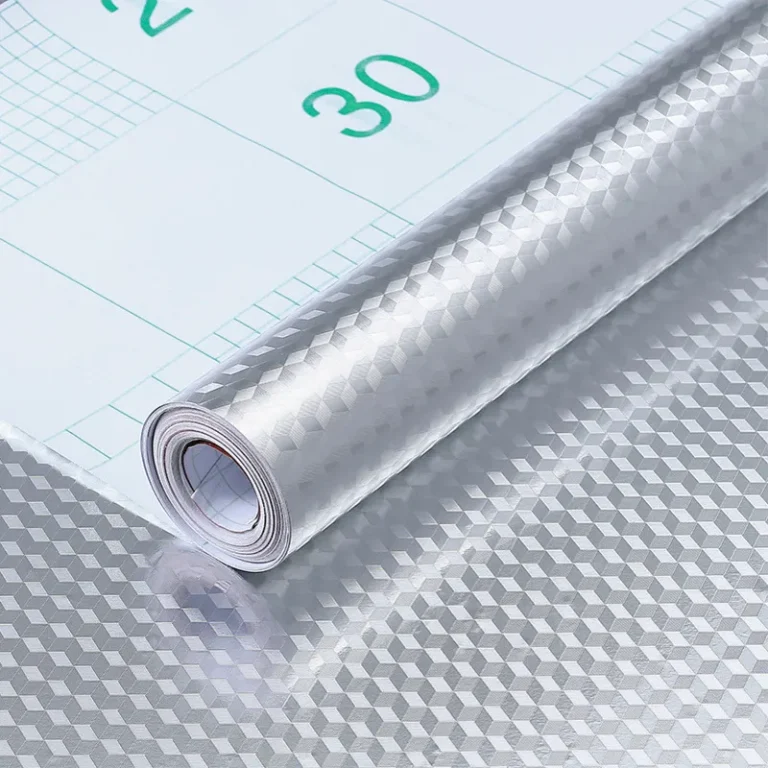
If you want a textile-like premium feeling for panels or decorative trims, consider structured films such as
3D Silk Texture Film
for select areas—used strategically, it elevates the product line without changing the main wood collection.
Doors are high-touch and high-visibility. Here, the “top brand” advantage is stable embossing, consistent gloss, and strong resistance to smudges and cleaning agents.
For wrapped profiles and frames, the film must maintain flexibility while holding texture and color.
Tip for door programs:
Ask for documentation on adhesion consistency, forming limits, and abrasion testing,
then run a short trial using your exact press or wrapping settings before locking a color collection.
Kitchens demand oil resistance, stain resistance, and easy cleaning—especially around handles and cooking zones. Wood PVC film is popular because it delivers
a wood aesthetic with lower maintenance than veneer in many settings.
For toe kicks and skirting areas where cleaning and impact are frequent, pairing wood tones with purpose-built trims can improve durability and visual cohesion.
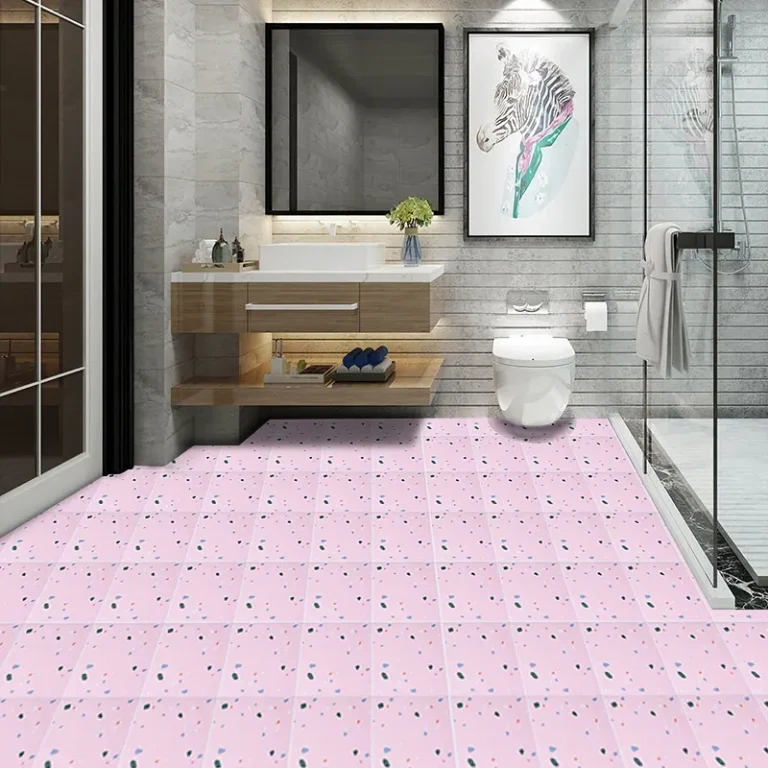
For example, PVC skirting film
can be matched to cabinetry tones to create a consistent kitchen elevation.
For décor applications, designers often want a coordinated system: wood, stone, solid colors, and metal accents that share a similar gloss and tactile language.
A top supplier can provide a broad decorative library so your project stays consistent across rooms and surfaces.
If you are mixing wood with minimalistic tones, a solid-color layer can help define zones and improve contrast. Options like
Solid color wallpaper
can be used to balance wood textures in modern interiors (especially small spaces where too much grain can feel visually busy).
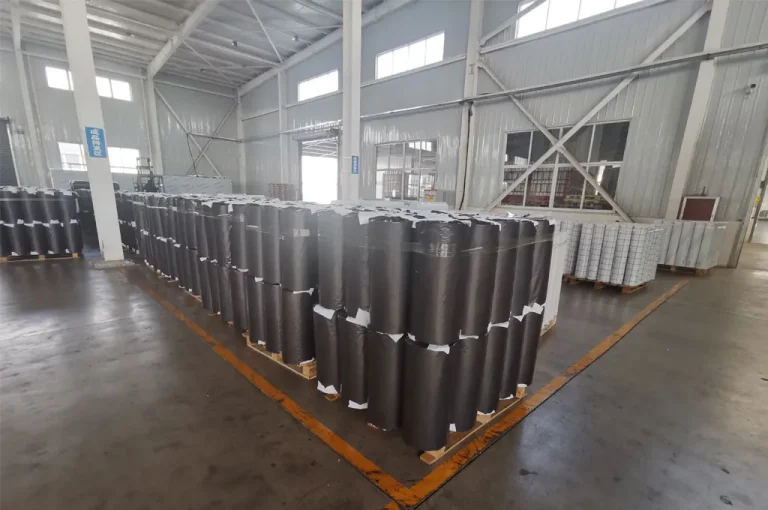
Many decorative film suppliers are trading companies or outsource part of the process. In contrast, a full-process manufacturer controls the entire chain:
calendering, printing, and slitting/packaging. This is a major reason some brands deliver fewer defects and more stable lead times.
Pulivk Film focuses on PVC film R&D and production across multiple categories, including calendered film and decorative film families such as wood grain,
glossy, matte, stone, cloth textures, transparent, soft-touch, anti-static, and self-adhesive films.
With integrated lines for calendering, printing, and slitting/packaging, full-process suppliers can
shorten lead times while keeping QC checkpoints consistent—from raw materials to finished rolls.
Packaging control also matters more than many buyers expect: individual roll wrapping (dust-proof PE film or kraft paper) and clear labels help prevent
transit damage and mix-ups during warehouse receiving.
For furniture and door factories, customization is often more valuable than a huge ready-made catalog. Top brands make it easy to align films with your product
identity—while keeping production consistent.
When comparing brands, ask how they manage approval samples versus mass production. A mature supplier will specify
quality checkpoints, traceability, and clear tolerance standards,
not just visual similarity.
Wood PVC film is judged by appearance, but performance is what protects your margins. The following topics separate “okay samples” from reliable production partners.
For international orders, “brand reliability” also includes shipping experience. Strong exporters plan production scientifically, keep stable inventory for key
materials, and protect rolls against moisture and damage.
★ What to verify before you pay a deposit:
lead time ranges, sample turnaround, packing method, and after-sales response time.
These factors often matter as much as pattern quality for project delivery.
“Best” depends on your manufacturing method, your customer segment, and your service conditions. Use this simple selection logic to avoid costly mismatches.
Prioritize low-gloss realism, natural embossing, and low-odor / compliance-ready materials.
Focus on tactile quality and long-term appearance (fingerprint control matters).
Choose films with abrasion resistance, cleanability, and stable repeat orders.
Batch consistency and schedule reliability become the key “brand value.”
Work with a supplier that controls calendering, printing, and slitting in-house and can support
small trial orders + scalable mass production
without quality drift.
Many issues blamed on “film quality” are actually procurement or specification problems. Top brands reduce risk by clarifying technical details early and
offering process guidance.
The best wood PVC film brands win because they deliver predictable manufacturing performance:
stable base film, consistent printing and embossing, flexible OEM/ODM support, export-ready packaging, and documentation for quality and safety expectations.
If you want fewer production interruptions and a more premium finish on furniture, doors, cabinets, and interior décor, evaluate suppliers using a process-based
checklist—not only visual sampling—then confirm the match with a controlled trial run.
PVC film is used as a decorative and protective surface on furniture panels, cabinet doors, interior doors, wall panels, and trims—improving appearance,
durability, and cleaning convenience.
Matte is typically better for fingerprint control and a natural look; glossy can feel more modern but may show scratches and smudges more easily.
Always test under your lighting and cleaning conditions.
Yes. Many manufacturers offer OEM/ODM services including color matching, pattern tuning, emboss options, and size customization to fit your production line.
Common requests include ISO management systems and market compliance documentation (for example REACH/RoHS), plus available test reports for heavy metals,
phthalates, and performance properties.
Share application (cabinet/door/wall), film type (wood grain, matte/gloss, embossed), thickness, width, roll length, color/pattern reference, quantity,
and your lamination/wrapping process details.