Address
304 North Cardinal St.
Dorchester Center, MA 02124
Work Hours
Monday to Friday: 7AM - 7PM
Weekend: 10AM - 5PM
Address
304 North Cardinal St.
Dorchester Center, MA 02124
Work Hours
Monday to Friday: 7AM - 7PM
Weekend: 10AM - 5PM


Transparent PVC film is a remarkably versatile material, prized for its clarity, durability, and adaptability. As a foundational component in countless industries, it serves functions ranging from protective layering to decorative enhancement. Its inherent properties—such as water resistance, chemical stability, and ease of fabrication—make it an indispensable choice for manufacturers and designers worldwide. This article delves into the various types of transparent PVC film, explores its extensive applications, and highlights the custom solutions available to meet specific project demands.
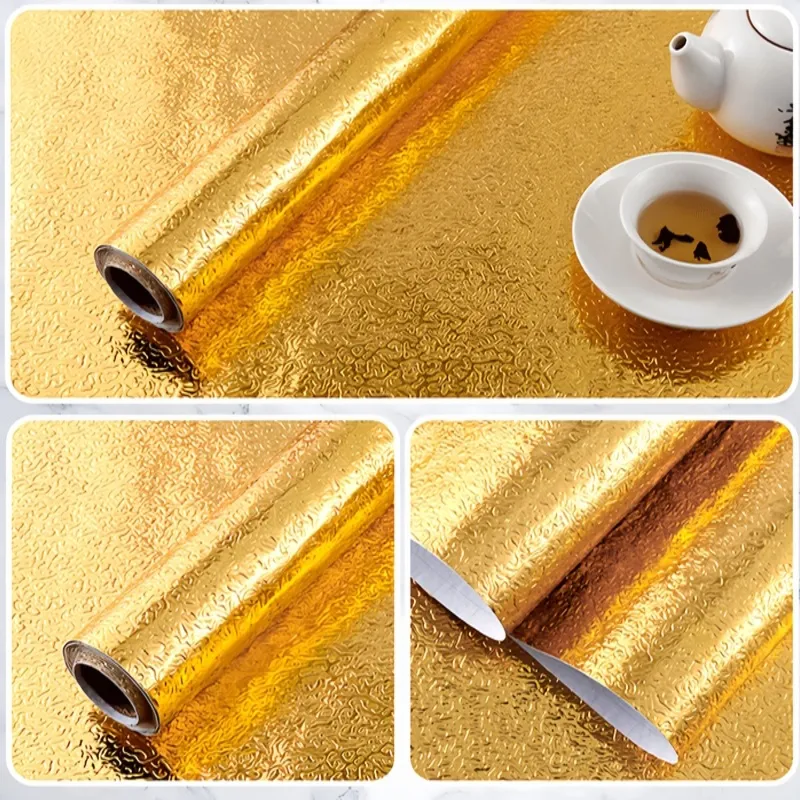
Not all transparent PVC films are created equal. Variations in manufacturing processes and additives result in films with distinct characteristics suited for different purposes. The primary differentiation often lies in the production method and surface finish.
Calendered Film: This type is produced by passing heated PVC compound through a series of precision rollers. The process yields film with excellent dimensional stability, consistent thickness, and a high-gloss finish. It is particularly favored for applications requiring a pristine, smooth surface and tight tolerances. You can explore our range of high-quality calendered film for industrial and decorative uses.
Extruded Film: Created by forcing molten PVC through a die, extruded film is known for its flexibility and is often used for packaging, shrink wraps, and other applications where pliability is key.
The surface texture of transparent PVC film can be modified to achieve specific visual or functional outcomes.
The utility of transparent PVC film spans from everyday consumer products to specialized industrial components. Its role is often that of an unseen protector or a subtle enhancer.
This is one of the largest application areas. Transparent PVC film is used for blister packs, clamshell packaging, and shrink wraps, offering product visibility and tamper evidence. In industrial settings, it acts as a protective layer for metal sheets, acrylic surfaces, and finished furniture during shipping and installation, guarding against scratches and dust.
The film’s smooth, receptive surface makes it an excellent substrate for digital and screen printing. It is widely used for creating durable banners, window decals, point-of-sale displays, and vehicle graphics. Its weather resistance ensures longevity for both indoor and outdoor applications.
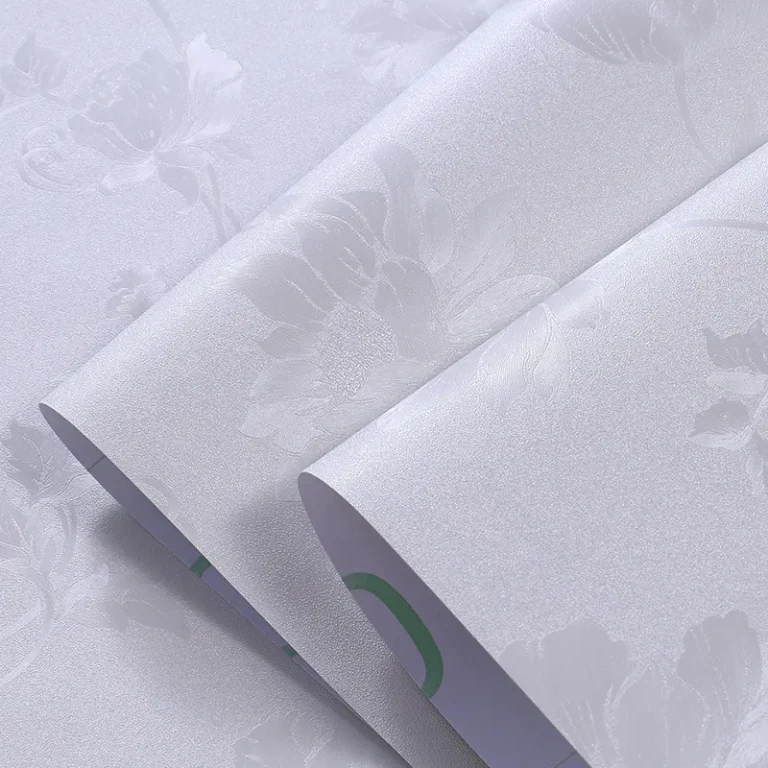
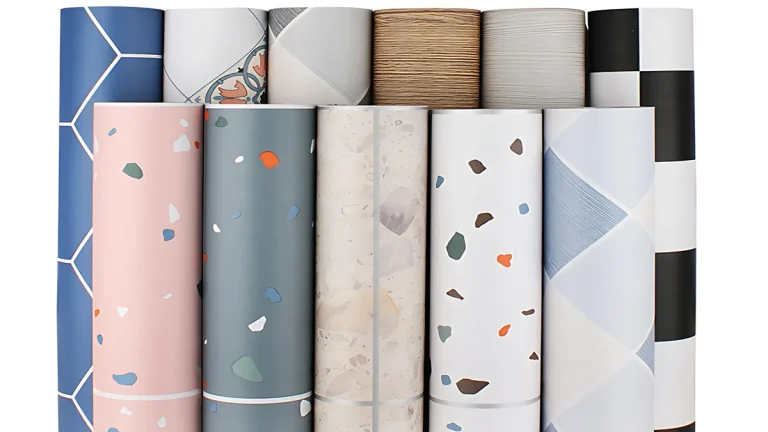
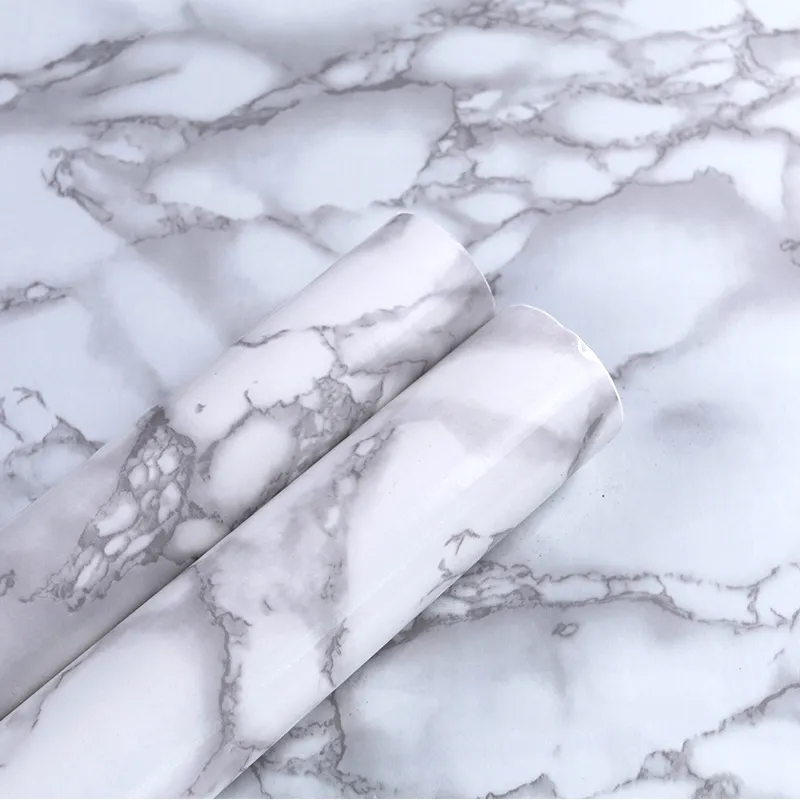
Designers leverage transparent PVC film to add functional and aesthetic layers to interiors. It can be laminated onto substrates like wood grain film or marble film for table tops, cabinet doors, and partitions, providing a protective, easy-to-clean surface. Frosted variants are popular for creating privacy in office cubicles or bathroom windows without sacrificing light.
Due to its non-porous nature and ability to be manufactured to high purity standards, transparent PVC film is used in medical packaging for sterile devices, as fluid bags, and for clean room applications where contamination control is paramount.
While standard films cover many needs, specialized projects demand tailored solutions. This is where the expertise of a manufacturer like Pulivk Film becomes critical. Customization can address unique challenges in design, performance, and logistics.
Custom solutions begin with the film’s core specifications:
Advanced treatments can imbue the film with additional properties:
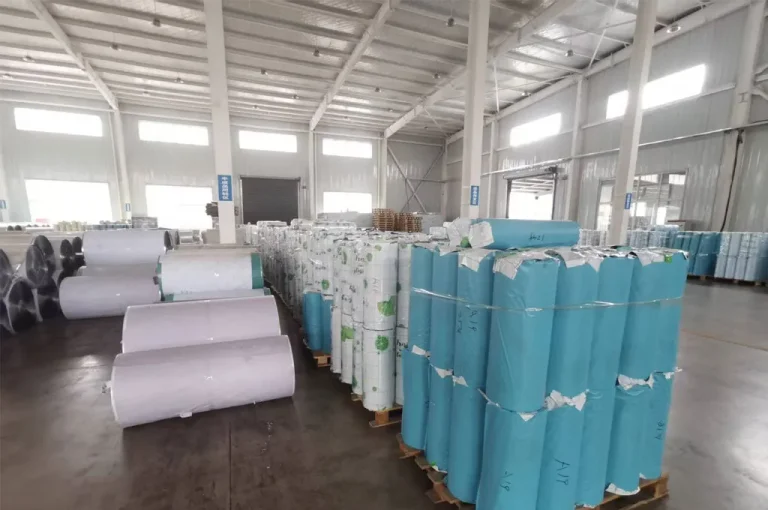
Partnering with a manufacturer that offers full-service OEM (Original Equipment Manufacturer) and ODM (Original Design Manufacturer) support streamlines the entire process. A provider like Pulivk Film manages everything from initial material selection and prototype development to final production, custom printing, and export-ready packaging. This integrated approach ensures consistency, protects intellectual property, and accelerates time-to-market.
The benefits are substantial: cost efficiency through controlled raw material sourcing and in-house production, quality assurance via multi-stage inspections, and supply chain reliability with managed inventory and predictable lead times.
Transparent PVC film offers a unique balance of clarity, durability, and chemical resistance. It is generally more rigid and tear-resistant than polyethylene (PE) film and offers better printability and dimensional stability than many alternatives. Its ability to be easily heat-sealed, laminated, and embossed adds to its versatility.
Safety depends on the formulation. Films intended for food contact or sensitive applications must be manufactured using non-toxic, phthalate-free compounds and food-grade additives. Reputable suppliers will provide compliance certificates for standards like FDA (USA) or EU regulations. Always verify the specifications for your intended use.
Customization involves additional steps in R&D, production setup, and quality control, which can increase the unit cost, especially for smaller orders. However, for large-volume projects, a custom solution that optimizes material usage and performance can lead to significant long-term savings by reducing waste and improving product efficacy.
Recycling PVC film can be challenging due to the variety of additives and potential contaminants. However, specialized recycling streams do exist. The industry is increasingly focusing on developing more recyclable formulations and take-back programs. For specific disposal or recycling guidance, consult your supplier or local waste management authority.
To receive an accurate and timely quotation, be prepared to share: the intended application, required physical properties (thickness, width, tensile strength), desired aesthetic (gloss level, color, texture), any functional coatings needed, estimated annual volume, and target regions for distribution. Providing samples of existing materials or design files is also extremely helpful.